
By: Sikhona Sibandze - Journalist
Manzini - Eswatini’s emerging coffee industry has taken a decisive step toward commercial growth and international trade, with sector partners affirming that Eswatini coffee is ready for export, and placing leadership responsibility in the hands of a newly elected, predominantly youth-led committee.
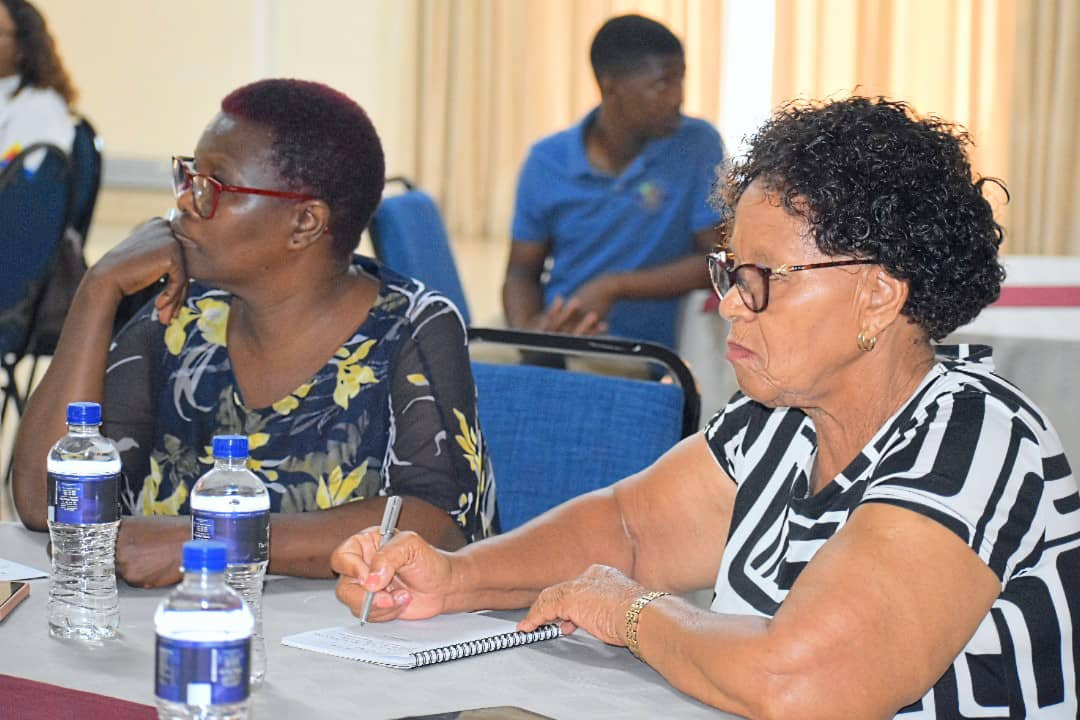
This message came through strongly at the Annual General Meeting (AGM) of the Eswatini Coffee Association, held at The George Hotel in Manzini. At the AGM, stakeholders from the Eswatini Investment Promotion Authority (EIPA), the International Trade Centre (ITC), Food and Agriculture Organization of the United Nations (FAO), and the Business Federation of Eswatini gathered to witness the election of new committee members and to map the next phase of the sector’s development.
Speaking during the AGM, international trade specialist from EIPA, Thandeka Dlamini said the industry has reached a point where the country can confidently begin positioning coffee for external markets. “Eswatini coffee is ready for the market, ready for exporting,” Dlamini said, signalling growing confidence in the crop’s commercial potential and the ability of local players to meet emerging trade opportunities.
Coffee positioned as jobs engine and climate-smart crop
Founder of the Eswatini Coffee Association, Patrick Dupont, reiterated that coffee is not only an income-generating crop, but also a climate-smart solution suited to specific agro-ecological zones in Eswatini, especially when managed through shade-grown and tree-based systems. Dupont explained that coffee farming contributes to climate change mitigation and landscape resilience by supporting practices that improve soil health, reduce erosion, enhance water retention, and promote carbon sequestration through intercropping with indigenous and fruit trees.
Beyond the farm, he emphasized coffee’s wider value-chain benefits, noting that job creation can extend into seedling development, processing, roasting, packaging, branding, and marketing, creating meaningful entry points for young people in both rural and urban economies.
Youth-led committee signals new direction
One of the AGM’s standout outcomes was the election of a youth-led committee, a development widely welcomed as both symbolic and strategic. With youth unemployment and climate vulnerability among Eswatini’s most urgent challenges, stakeholders described the leadership shift as a move toward practical, solutions-driven governance, placing decision-making power in the hands of those most affected.
The new committee is expected to drive innovation, strengthen coordination among growers, improve productivity, and expand market access through better organisation and consistent quality standards.
FAO calls for stronger, trusted association
Adding weight to the momentum, assistant FAO representative Howard Velibanti Mbuyisa from the Food and Agriculture Organization of the United Nations (FAO), commended the Eswatini Coffee Association for the progress made so far, while urging members to focus on building a structured, credible, and disciplined organization. He encouraged the association to set its sights on becoming a respected industry body that can be trusted not only by markets, but also by national institutions, including government.
In his closing remarks, Mbuyisa challenged the coffee sector to learn from the organisational strength of the Eswatini Sugar Association, widely regarded as a benchmark for industry coordination, credibility, and influence. He urged the association to grow into “a strong, organised body that will be trusted even by government,” encouraging members to look at the Sugar Association model and aim for that level of coordination and confidence.
Partners commit to supporting market growth
The AGM concluded with renewed commitments from partners present to support the newly elected committee as it works to translate potential into tangible results, especially around market readiness, standards, and export pathways. With EIPA declaring export readiness, FAO urging institutional maturity, and a youth-led leadership team now in place, Eswatini’s coffee sector appears poised to move from promising conversations to real industry-building. This positions coffee as a strategic crop that can strengthen livelihoods, contribute to climate resilience, and help diversify the country’s export basket.