…Modern Zandondo facility brings animal health and a potential livestock marketplace closer to farmers, but water shortages remain a threat to the investment.
BY: PHESHEYA KUNENE | EDITOR
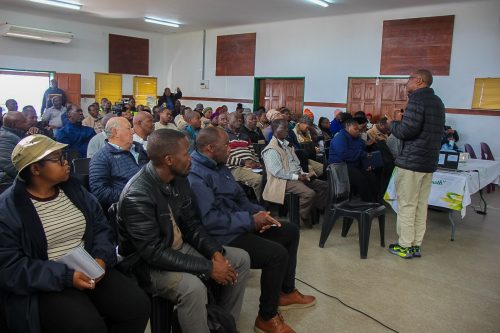
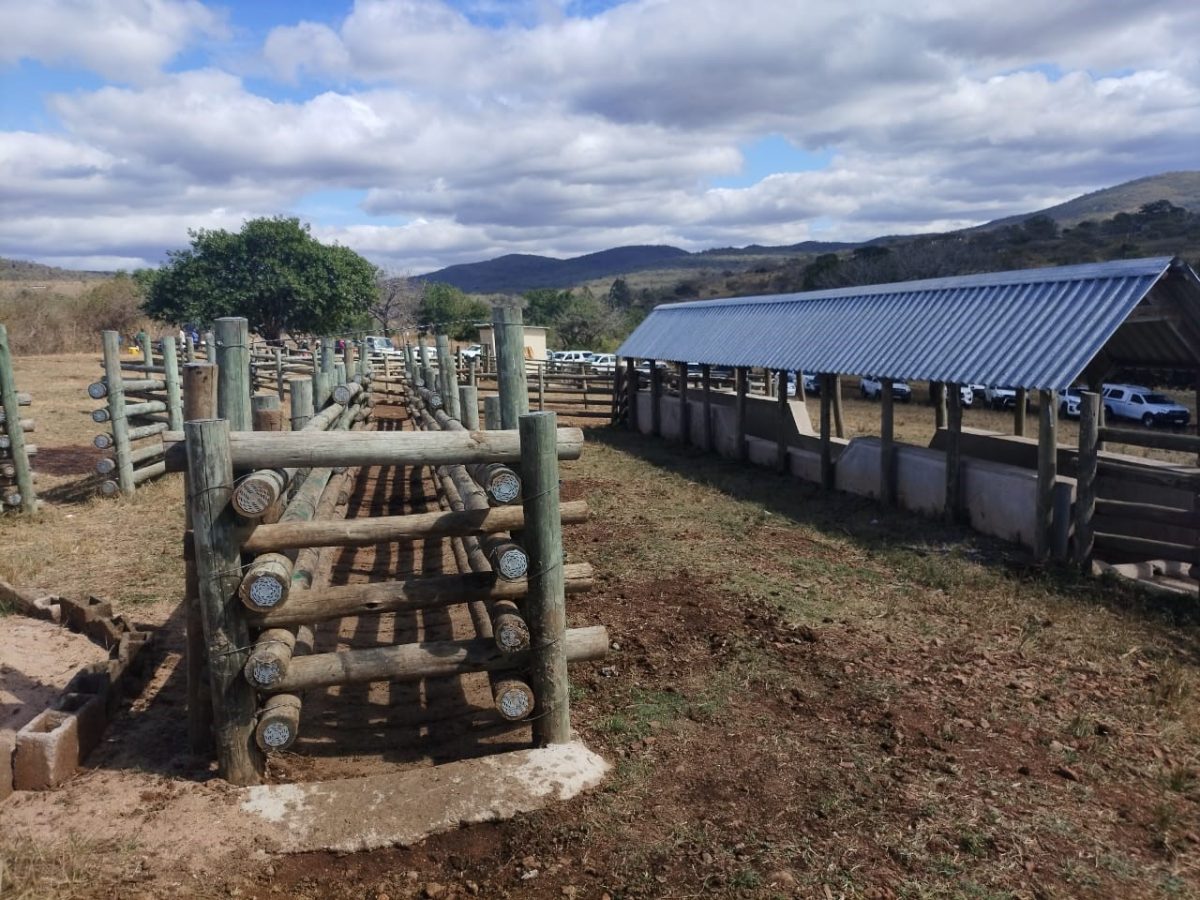
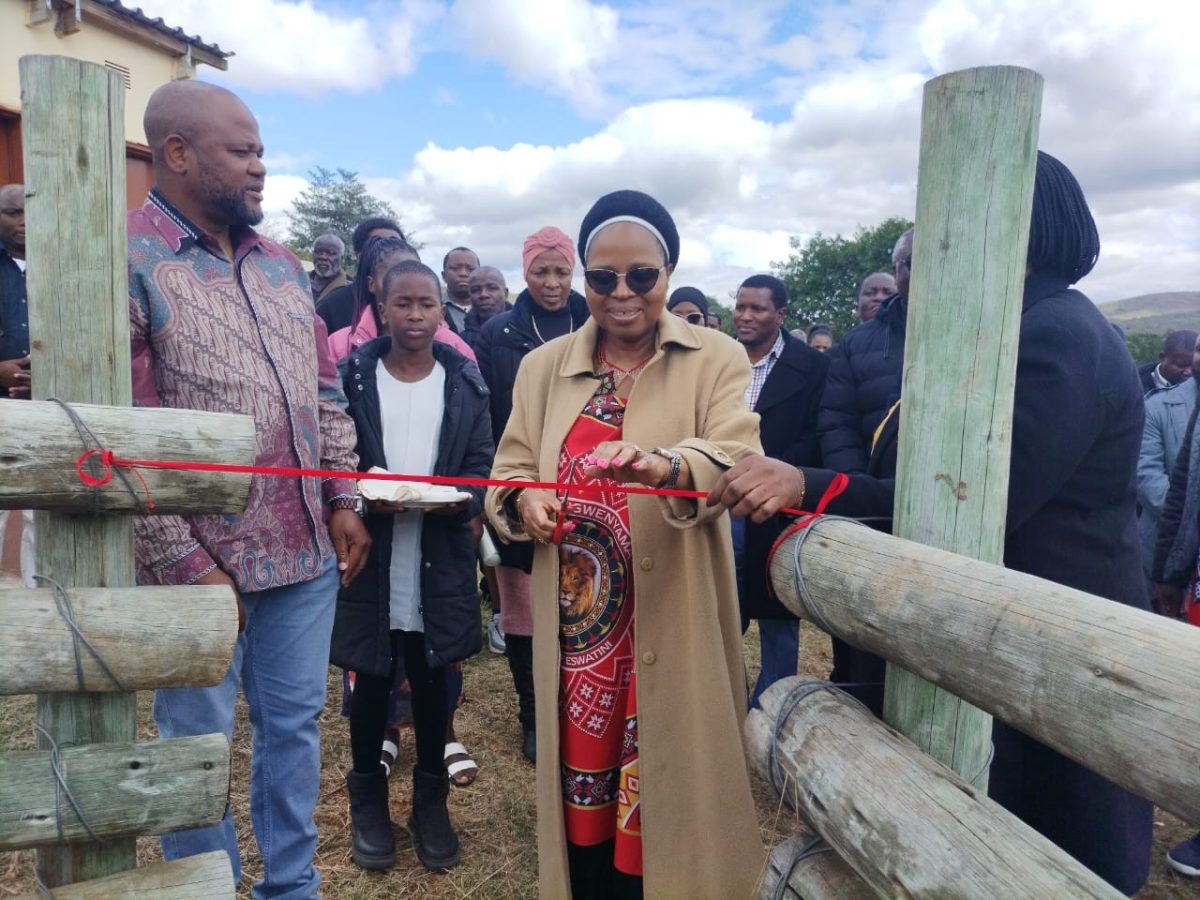
ZANDONDO — The newly opened Mncweba Dip Tank could become more than a disease-control facility, with its livestock auction section offering farmers around Madlangemphisi Inkhundla a potential new route to turn cattle into cash.
Built through Microprojects with E310 000, plus a E30 000 contribution from the community, the modern facility will serve Zandondo, Kagucuka and surrounding communities.
About 1 200 cattle, as well as goats and sheep, are expected to use it.
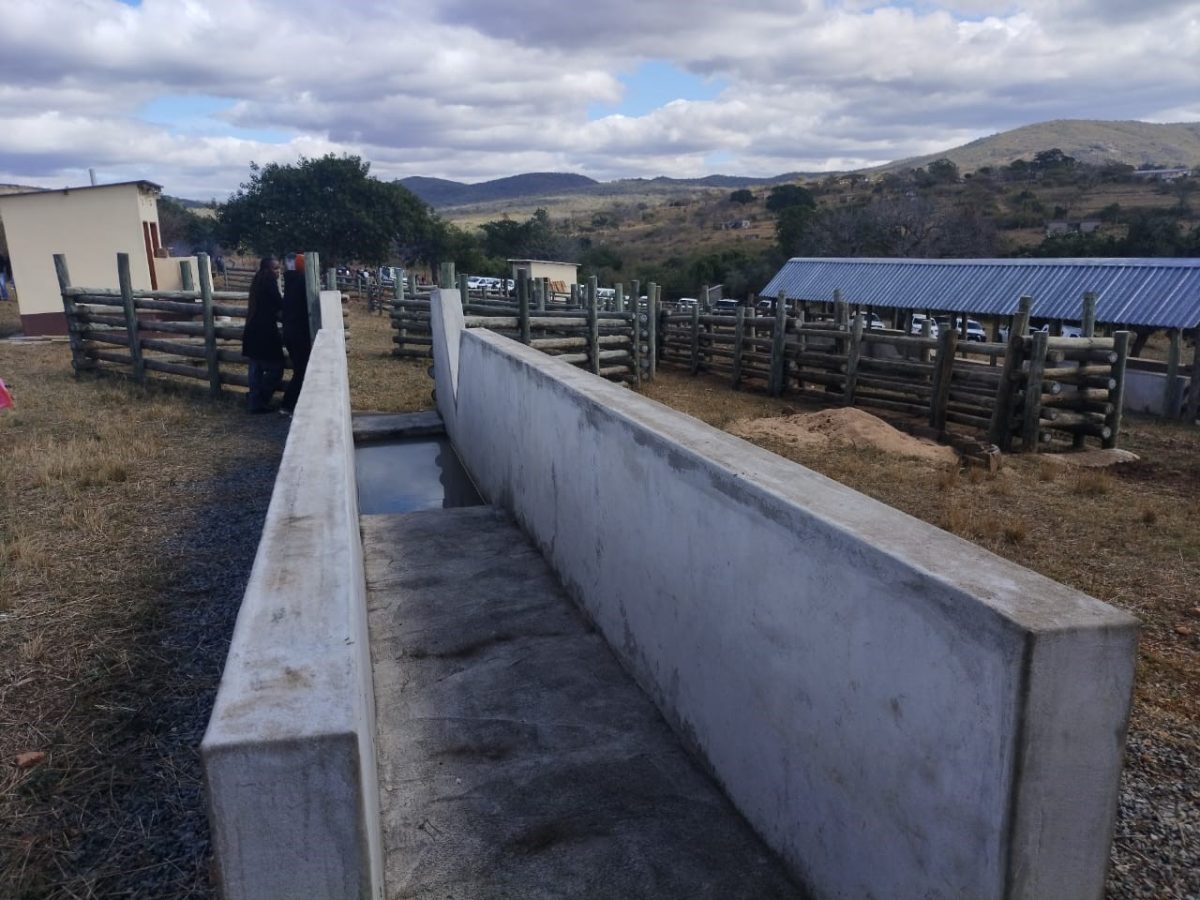
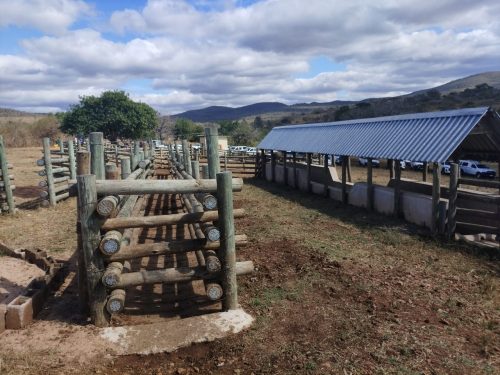
The facility has dedicated sections for dipping, vaccination and livestock identification. It also includes space designed for livestock auctions, bringing animal health and marketing infrastructure together at community level.
That combination could prove important.
Representing Agriculture Minister Mandla Tshawuka at the opening, Vincent Dlamini challenged farmers to move beyond keeping cattle simply as stores of wealth.
His argument was straightforward: if cattle are “money in the bank”, farmers should be able to withdraw that value through profitable sales.
Bringing the market closer
Livestock auctions are already an established part of Eswatini’s cattle economy.
The Ministry of Agriculture’s Livestock Marketing Unit says there are 24 cattle auction sale yards across the country. Sales are organised with veterinary assistants, while urban meat wholesalers and retailers are among the main buyers.
Mncweba therefore has the potential to bring that formal marketing system closer to farmers who previously had to move animals elsewhere to access organised sales.
The economics can be meaningful.
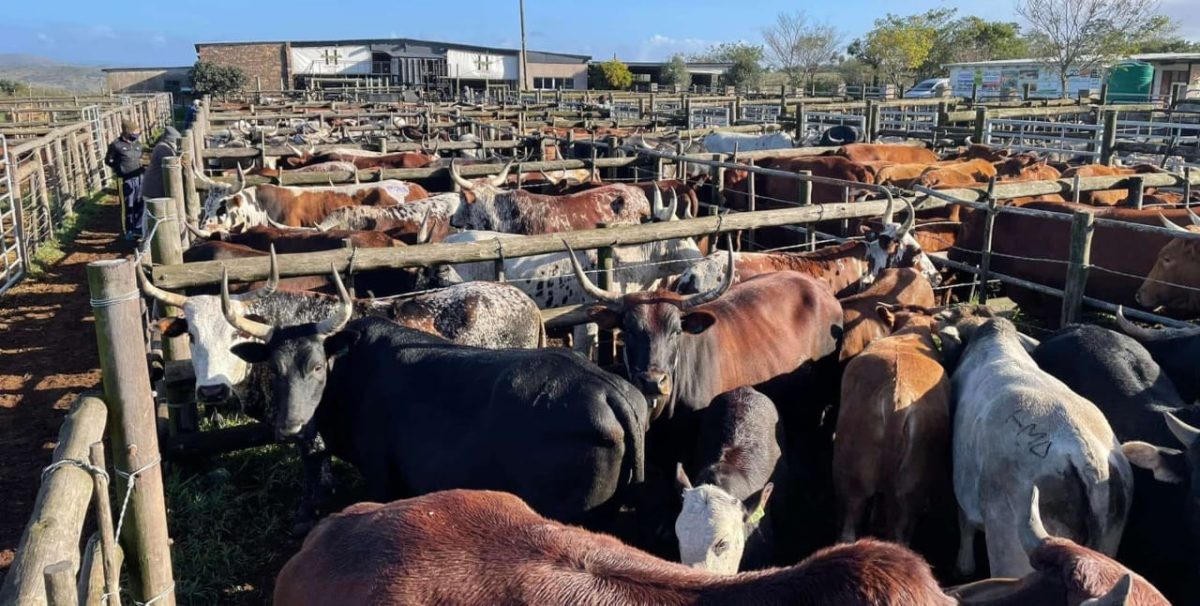
Government agricultural data shows that smallholder auction sales generated E519 100 from 59 cattle in December 2023, E1.09 million from 129 cattle in March 2024 and E765 600 from 89 cattle in April 2024. Average prices were roughly E8,400 to E8 800 per animal during those sales.
Those figures should be treated as historical averages, not today’s fixed cattle price. Breed, age, weight, condition, genetics and purpose can dramatically change what an animal fetches.
At the higher end, the market tells a different story. A 2024 RES Corporation auction generated more than E1 million from about 100 cattle, with a Brangus bull fetching E65 000. More recently, an Impofu Ranching Boran auction recorded a top price of E130 000, demonstrating the premium attached to quality breeding genetics.
The lesson for smallholders is not that every cow will fetch E65 000. It is that better genetics, animal health, nutrition, record-keeping and market timing can turn livestock keeping into a more deliberate business.
A dip tank with bigger ambitions
Ministry of Agriculture Chief Animal Health Inspector Kingsley Dlamini, who led officials through the facility, explained how its layout allows different livestock services to operate from one site.
Cattle, goats and sheep can be handled separately, while animals can be dipped, vaccinated and identified. The auction area adds a commercial dimension.
That matters after Eswatini’s recent battle with Foot-and-Mouth Disease (FMD).
Animal Health Inspector Banele Shabangu reminded farmers during the opening that the fight against FMD requires continued vigilance. Farmers were urged to monitor animals, report suspicious symptoms early and consult veterinary officials before moving livestock.
The recent outbreak demonstrated how quickly disease can become an economic problem. During FMD restrictions, farmers’ ability to move and sell cattle was severely constrained, affecting households that depend on cattle trading for income.
A well-managed facility that combines dipping, vaccination, identification and controlled marketing could therefore strengthen both biosecurity and commerce.
The Government’s own Programme of Action calls for modernising dip tanks, improving animal-health infrastructure and increasing commercialisation of livestock farming.
Mncweba provides a small but practical example of what that policy can look like on the ground.
Farmers want water next
But there is one thing even the smartest livestock facility cannot manufacture: water.
Livestock farmers Mgcibelo Dlamini and Bonkhe Manana welcomed the new dip tank but appealed to the Government to construct dams in the area, saying water scarcity remains a serious challenge.
Their concern is particularly important as farmers prepare for the possibility of difficult El Niño-related conditions.
Water determines carrying capacity, animal condition and ultimately selling price. A farmer may have an auction nearby, but an animal that loses weight because of poor water and grazing conditions loses market value too.
Eswatini has been here before. Government’s agricultural assessments say previous El Niño conditions contributed to declining crop production and recommend water harvesting, irrigation, veterinary support and emergency livestock feed among measures needed to strengthen resilience.
The national Programme of Action has also budgeted for the development and rehabilitation of medium-sized dams for water harvesting and irrigation.
Minister Tshawuka has indicated that Government intends to address the shortage of dams around the country, a commitment that will become increasingly important if dry conditions intensify.
From cattle ownership to cattle business
Hhohho Regional Administrator HRH Princess Tsandzile perhaps captured the cultural and economic importance of the investment best when she likened livestock ownership to having money in the bank.
Cattle provide beef, hides and materials used in traditional regalia and other products. But for farmers to realise their commercial value, animals must remain healthy and markets must be accessible.
That is where Mncweba could punch above its weight.
If properly maintained and if regular auctions are eventually organised, the facility could reduce the distance between animal health, farmer and buyer.
Farmers, however, will still have homework to do: improve genetics, maintain good nutrition, keep animal-health records, follow vaccination and dipping programmes, identify livestock properly and produce animals that buyers actually want.