
BY: PHESHEYA KUNENE | EDITOR
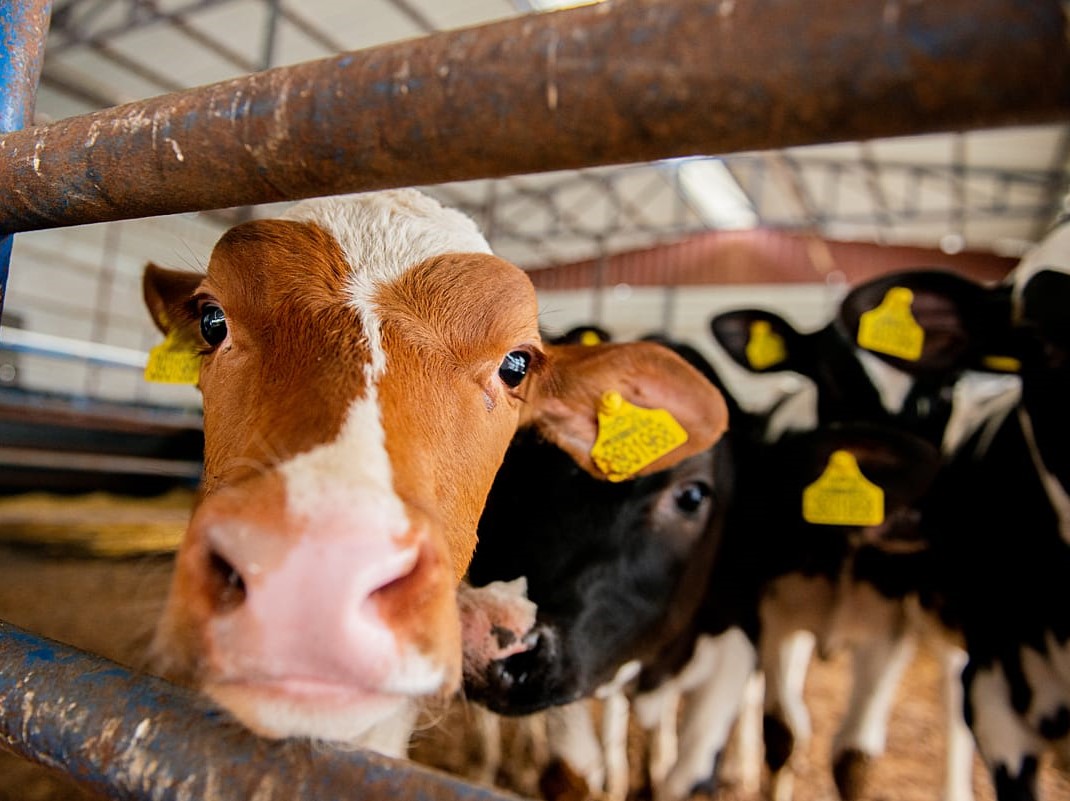
MBABANE — Eswatini has reopened livestock imports for genetic improvement, potentially giving cattle, dairy, goat and sheep farmers access to stronger breeding stock after years in which disease controls restricted animal movements and disrupted the livestock economy.
Agriculture Minister Mandla Tshawuka announced that farmers will again be permitted to import cattle, goats and sheep for genetic improvement, but warned that reopening the border does not amount to abandoning veterinary controls.
Farmers must work through Veterinary Services, secure the required documentation and comply with animal-health testing and movement requirements.
That caution is understandable. Eswatini lost its internationally recognised FMD-free status without vaccination following an outbreak notified in May 2025. FMD continued to influence livestock movements into 2026, with the Government progressively relaxing controls under prescribed biosecurity procedures.
A possible lifeline for feedlots
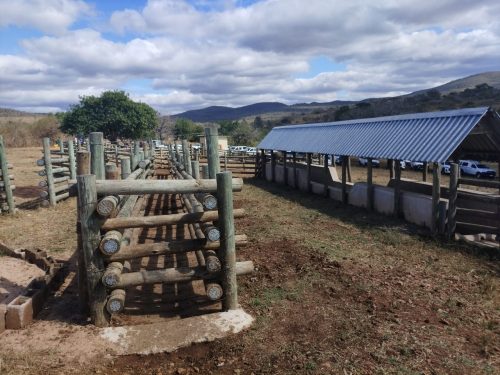
For the beef industry, controlled access to livestock and better genetics could help revive a feedlot sector that has been under considerable pressure.

Agribusiness Media reported in March that only 212 of Eswatini’s 619 registered feedlots were operating, although the industry’s problems pre-dated FMD and include wider structural and commercial challenges.
Reopening imports could expand the pool of animals available for breeding and, eventually, finishing. Better beef genetics can also improve growth rates, carcass characteristics and productivity.
But the export opportunity comes with a catch: animal-health credibility is everything.
Research into Eswatini’s beef value chain shows that cattle passing through feedlots and export-oriented abattoirs form an important route into international markets. FMD, however, can quickly close those markets. The United Kingdom, for example, imposed restrictions on specified fresh meat imports from Eswatini following the country’s FMD outbreak.
The economic argument for rebuilding the industry is strong. FAO investment data estimates Eswatini’s annual beef demand at about 19 094 tonnes against domestic supply of 16 352 tonnes, leaving a supply gap.
Dairy genetics could tackle a bigger deficit
The opportunity may be even clearer in dairy.
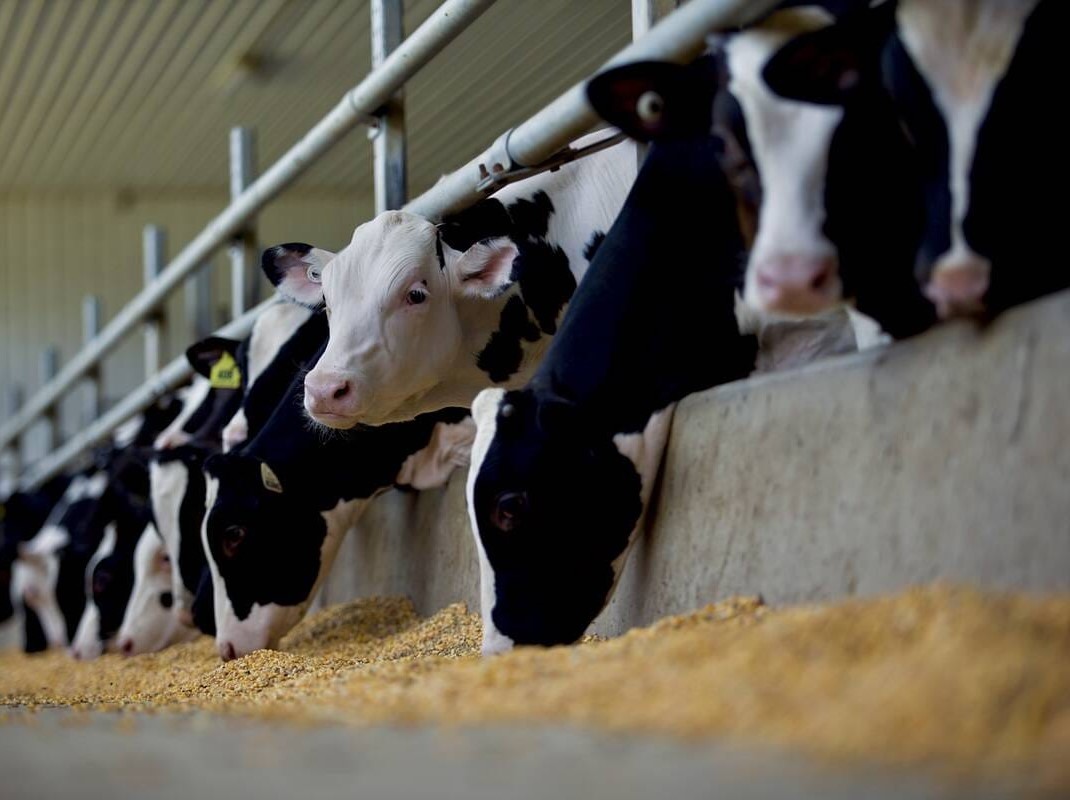
Tshawuka said importing stronger dairy genetics could help lift domestic milk production. FAO figures put national milk demand at around 88 million litres annually, against production of only 22 million litres, leaving an estimated 66-million-litre gap.
That makes genetics more than a breeding issue. Higher-yielding animals, combined with better nutrition, animal health and farm management, could reduce part of the country’s dependence on imported dairy products.
The Minister also pointed to improved goat genetics as important to livestock-development programmes supported by the European Union, while saying domestic pork production is currently sufficient, reducing the immediate need for the same intervention in pigs.
For farmers, however, the reopening comes with responsibility. Imported animals must comply with prescribed veterinary testing and movement controls before being integrated into feedlots or grazing herds.
The border may be reopening to better genetics, but Eswatini cannot afford to reopen the door to disease. The success of the policy will depend on achieving both.