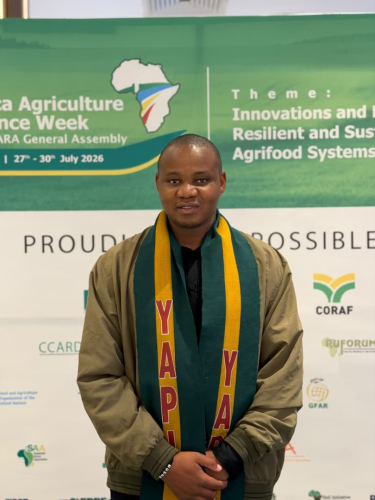

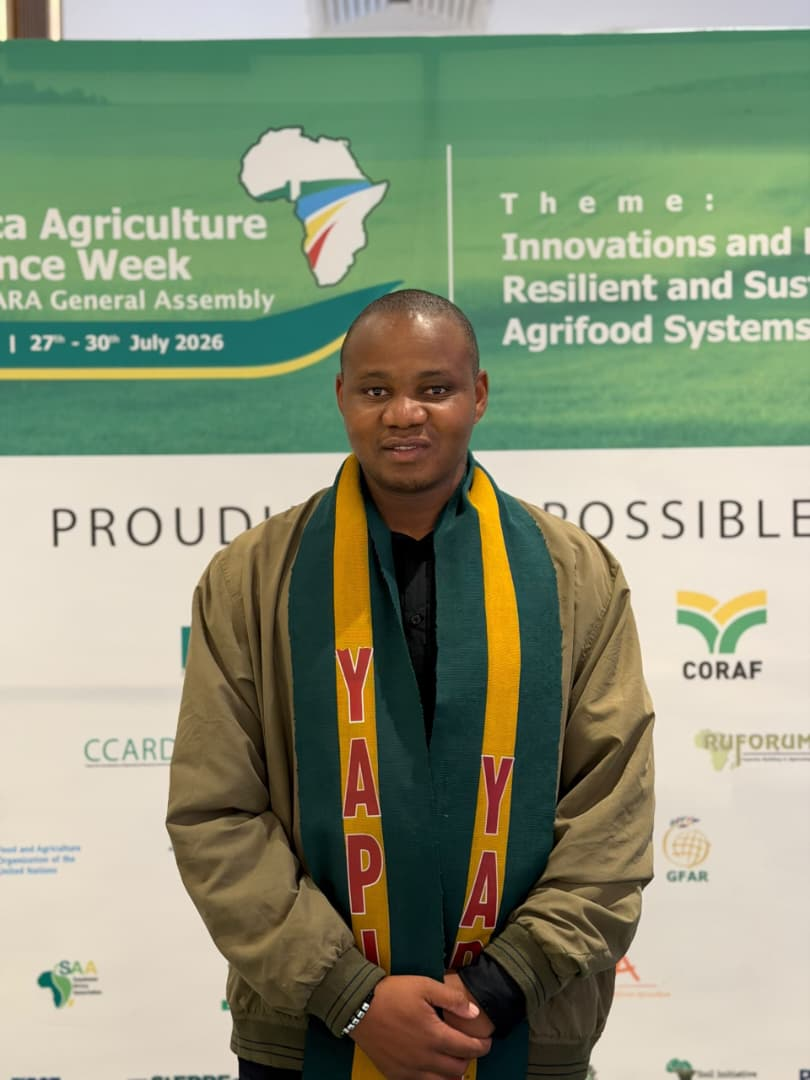
Young Eswatini agripreneur Mbukiso Thubelihle Fakudze
BY: NOSIPHO MKHIZE | JOURNALIST
ABUJA — Young Eswatini agripreneur Mbukiso Thubelihle Fakudze has represented the Kingdom in the continental process behind Africa’s first framework designed to measure whether young people are genuinely gaining skills, productive resources, economic opportunities, policy influence and resilience within agrifood systems.
The Youth in Agrifood Systems Performance Index, known as YAPI, was officially launched during the ninth Africa Agriculture Science Week at the Abuja Continental Hotel in Nigeria. The four-day gathering, held from July 27–30, brought together policymakers, researchers, farmers, agribusinesses, development partners and young people under the theme, “Innovations and Partnerships for Resilient and Sustainable Agrifood Systems in Africa.”
FROM LUYENGO TO THE CONTINENTAL STAGE
Fakudze is a Bachelor of Science in Agricultural Extension student at the University of Eswatini’s Luyengo Campus and founder of Sisekelo Semphilo Farms. He has also served as Marketing Manager for Enactus at Luyengo Campus.
His appearance in the YAPI process followed his selection to represent Eswatini at the Youth in Agrifood Performance Index report writeshop held in Lusaka, Zambia, from November 24–26, 2025.
That assignment placed the young Liswati inside the development of a continental tool intended to replace broad assumptions about youth participation with measurable evidence. His representation is significant because YAPI could ultimately influence how African governments identify barriers facing young farmers and agripreneurs—and how they direct policies, budgets and programmes.
The index was developed by the African Union Commission in collaboration with AUDA-NEPAD, regional economic communities, AGRA and other stakeholders. According to the Consortium of African Youth in Agriculture and Climate Change, the framework emerged from gaps identified in existing youth strategies and was piloted across 11 African countries.
YAPI MOVES BEYOND COUNTING JOBS
YAPI measures youth empowerment through five domains: education, skills and technology; productive resources and services; economic opportunities; policy engagement and governance; and sustainability and resilience to shocks.
This means governments will not only count the number of young people working in agriculture. They will also be expected to assess whether those young people have access to land, finance, irrigation, inputs, technology, markets, quality training, decision-making platforms and protection against climate and economic shocks.
Dr Janet Edeme of the African Union said the launch marked an important continental milestone.
“For the first time, Africa has a continental baseline that will help Member States measure, track and strengthen youth empowerment across agrifood systems,” she said.
Nigeria’s Minister of Agriculture and Food Security, Abubakar Kyari, said the initiative was about accountability rather than producing another policy document.
“It is about measuring what we have promised, tracking what we have delivered, and ensuring that the voices and contributions of our young people are no longer invisible in the data that shapes our national policies,” Kyari said.
The framework is aligned with the Kampala Declaration, which targets the empowerment of at least 30 per cent of young people in agrifood value chains by 2035.
TURNING EVIDENCE INTO ESWATINI ACTION
A technical presentation prepared by International Food Policy Research Institute Senior Research Fellow Dr John M. Ulimwengu warns that the index will have little value unless countries convert its findings into decisions.
“YAPI creates public value only when countries can move from data to sustained policy action,” Ulimwengu states.
The proposed knowledge chain requires countries to frame domestic policy questions, produce and validate reliable data, translate results into reforms and investments, and institutionalise YAPI in national agricultural investment plans, youth strategies, annual budgets and accountability reviews.
For Eswatini, this could mean using YAPI to determine which young people remain excluded, whether the biggest obstacles are skills, land, finance, markets or policy representation, and which institutions should respond. The framework also requires youth organisations to have a meaningful voice in governance and validation.
The challenge now is whether Fakudze’s continental representation will be followed by formal domestic adoption. The YAPI presentation recommends that countries approve a mandate and governance structure, undertake a readiness assessment, establish a core indicator set, produce a national baseline and integrate the findings into development plans and agricultural sector reviews.
CAYACC said the objective was to build an agrifood future where young people are recognised “not only as beneficiaries, but as key drivers of transformation.”
Fakudze’s participation has placed Eswatini inside that continental conversation. The next test is whether the country will use the evidence to expand practical opportunities for young farmers and agribusiness entrepreneurs at home.