
BY: SIBUSISO MNGADI | EDITOR-IN-CHIEF
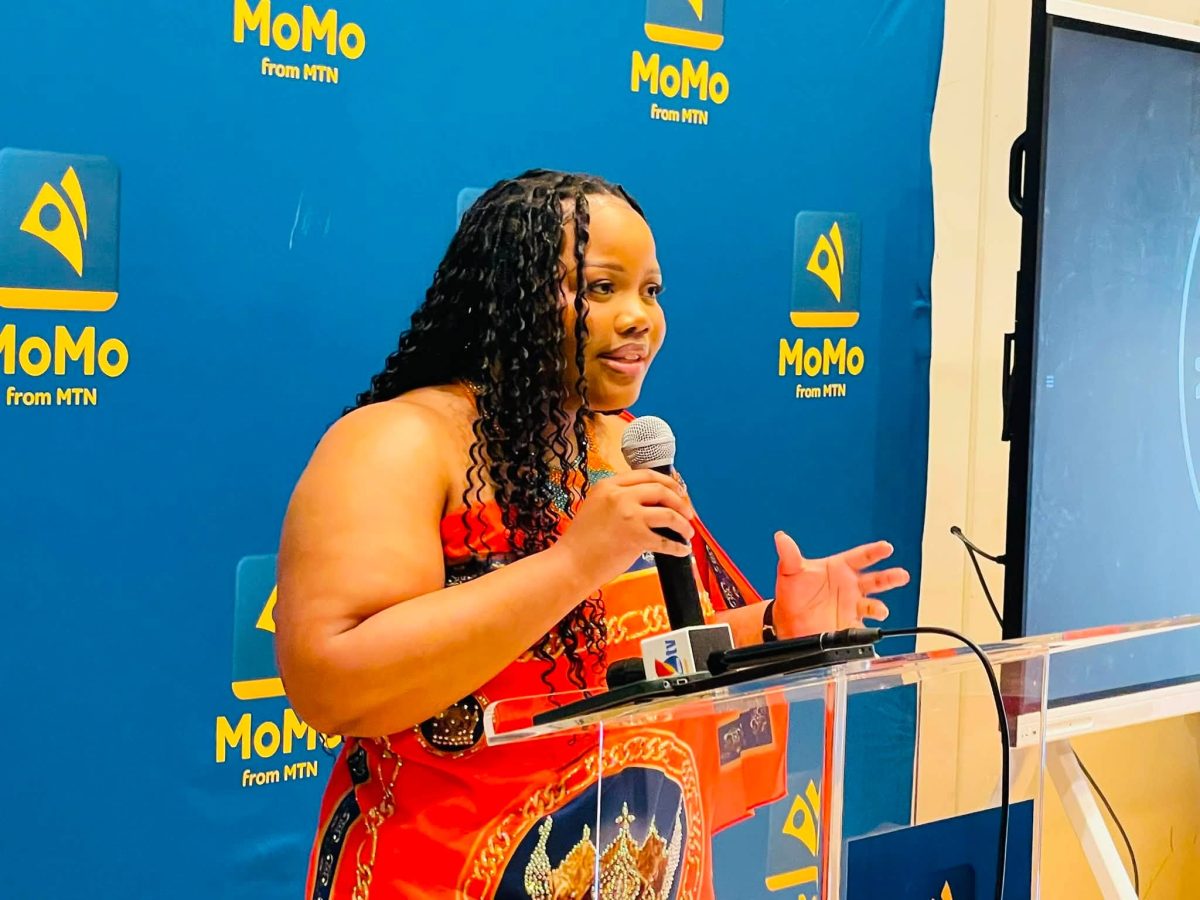
EZULWNINI – Businesses that will prosper tomorrow are those that have already embraced innovation and evolving consumer needs, Her Royal Highness Princess Sakhizwe has declared.
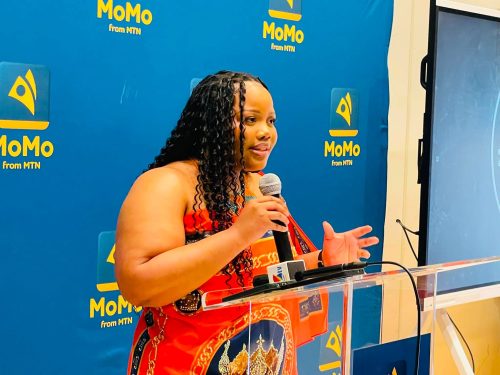
Speaking at the MSME Growth Forum 2026, hosted by A Peculiar People in partnership with MTN MoMo and MTN Eswatini at the MTN Eswatini Headquarters on 10 July 2026, the Princess — patron of the Made in Eswatini initiative — said technology had moved from being the future to being the present, and local enterprises could no longer afford to treat digital adoption as optional.
“Digital transformation is no longer a choice, but the pathway to growth, competitiveness and long-term success,” Her Royal Highness said. “Businesses that will prosper tomorrow are those that have already embraced innovation and evolving consumer needs.”
The Princess’s remarks headlined a landmark day for local enterprise, as she officially announced the foundational Made in Eswatini definition — the product of a two-year, nationwide consultation coordinated by A Peculiar People with manufacturers, producers, retailers, event curators, policymakers and consumers.
“From today, the 10th of July 2026, when we say this is Made in Eswatini, we will be referring to products, services, experiences and designs that have been genuinely created, produced, transformed or delivered from Eswatini by responsible enterprises,” she announced.
In keeping with her innovation theme, the definition itself will be technology-driven. A secure, QR-coded Made in Eswatini mark will allow consumers to scan a product and instantly see how it qualifies — whether it is fully made in Eswatini, value-added in Eswatini, designed in Eswatini or delivered from Eswatini.
“A national definition cannot only describe where something is made; it must describe the value it creates,” the Princess said.
She announced that a credible, independent accreditation board — comprising respected professionals, technical experts and industry leaders — would be established in collaboration with the Ministry of Commerce, Industry and Trade to oversee the responsible use of the mark. She emphasised that the mark is a symbol of origin and local economic contribution, and does not replace statutory product certification, food safety or consumer protection requirements.
“May it become far more than words on paper. May it become a promise — a promise to be authentic, a promise to pursue excellence, a promise to honour our culture and heritage, and a promise to create opportunities for our people,” she said.
E32 billion opportunity
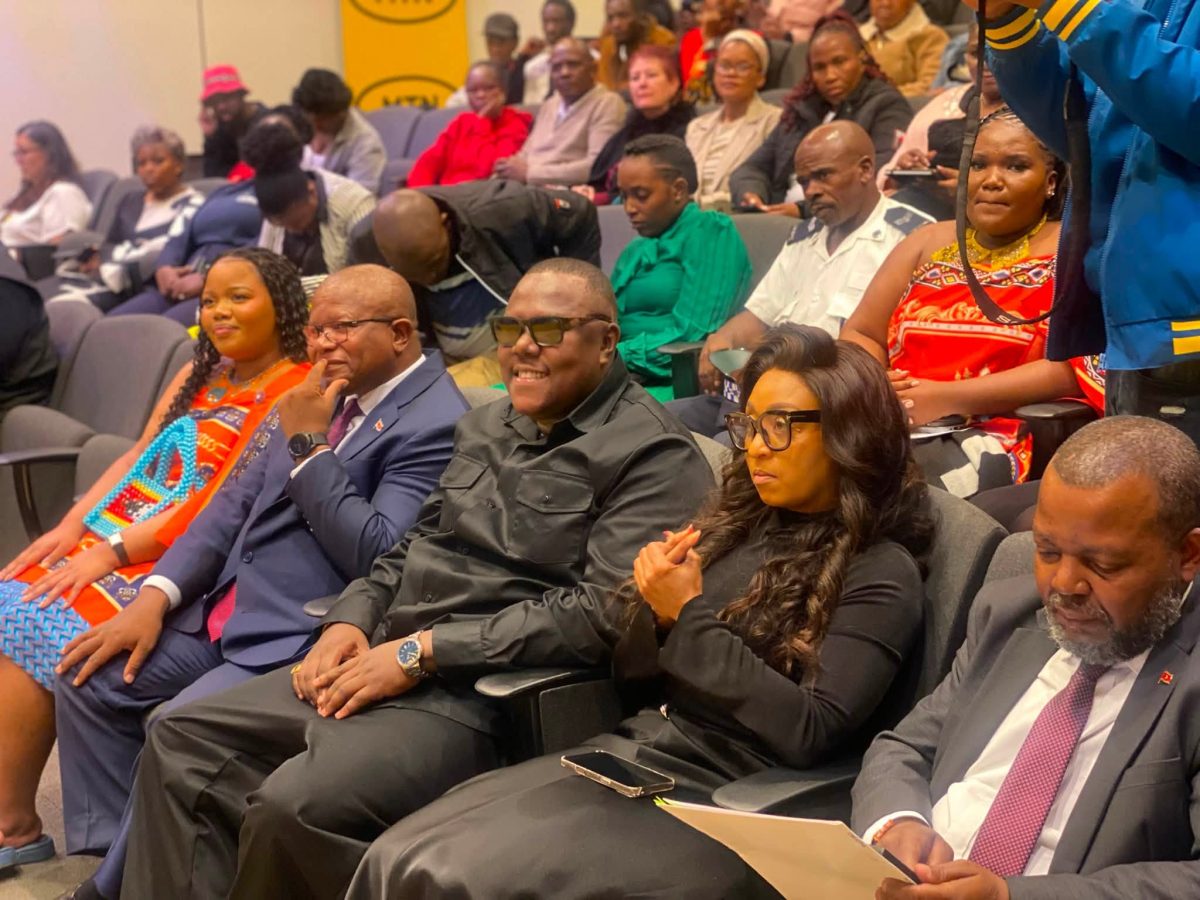
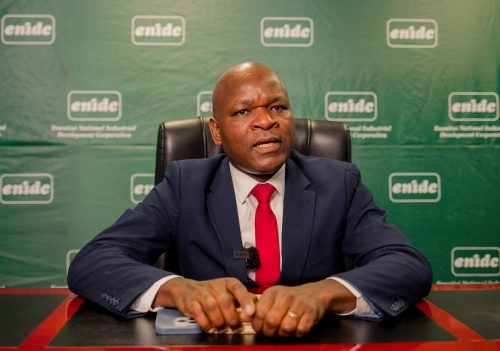
Earlier, the Honourable Minister of Commerce, Industry and Trade, Manqoba Khumalo, told the forum that Eswatini imports goods worth a staggering E32 billion that could be produced locally — a figure he had presented to Parliament just a day earlier when questioned on import substitution.
“There is no magic bullet to our economic emancipation other than the people in this room standing up and saying: if it is to be, it is up to me,” the Minister said.
Minister Khumalo also officially launched the third edition of the Made in Eswatini Consumer Choice Awards, which this year will focus exclusively on emerging brands, products, services and experiences. The consumer-driven awards — in which the public nominates, evaluates and votes for winners — will be held on Sunday, 6 September 2026.
“Today’s small businesses are tomorrow’s manufacturers. Today’s innovators are tomorrow’s exporters. Today’s young entrepreneur may very well become tomorrow’s billionaire,” he said.
The Minister revealed that during a visit to Taiwan recently, he found proudly Made in Eswatini products stocked — and selling — in a retail store, validating the country’s investment in local entrepreneurs. He added that through the new MSME Policy 2024–2029, government was deliberately breaking down silos and building linkages between initiatives such as Made in Eswatini, Ingalo and the Entrepreneur of the Year, describing the Made in Eswatini platform as “fast becoming the backbone from which everything else feeds.”
The forum brought together senior government officials, development partners, business leaders and the MSME community, with panel discussions on MSME growth, digital innovation and the Made in Eswatini definition preceding the official launch proceedings.