

BY: PHESHEYA KUNENE | EDITOR
EZULWINI – Eswatini’s food safety debate has moved from the kitchen table to the centre of agricultural policy, public health and trade.
That was the central message on 3 July 2026, when Government, FAO, WHO, farmers, food producers, retailers and health officials gathered at SibaneSami Hotel for the World Food Safety Day commemoration held under the theme “From burden to solutions: safe food everywhere.”
For an agrarian country where agriculture supports the livelihoods of about 75 percent of rural families, food safety is no longer a small technical matter. It is a national economic issue. It determines whether farmers access markets, whether consumers are protected, whether food businesses survive, and whether Eswatini can compete in regional and international trade.
Representing the Minister of Health, Dr Velephi Okello Nhlengetfwa said unsafe food remains a major public health challenge, causing more than 200 types of illnesses and placing pressure on families, communities, health systems and the economy.
“These are not just statistics; they represent lives disrupted, families affected and communities weakened,” she said.
Dr Okello said Eswatini must use food safety data to design practical solutions. She said evidence must guide surveillance, prevention, laboratory systems, regulation and public education, because safe food is not only a health issue but also a driver of economic growth, trade, tourism and sustainable development.
Her message was clear: data must not sleep in reports while unsafe food reaches the plate.

From the agricultural side, Dr Bongekile Ndwandwe, Food Safety Officer in the Ministry of Agriculture’s Department of Agricultural Research and Specialist Services, said the farm remains the first battlefield in the fight for safe food.
“Safe food begins long before it reaches the consumer’s plate; it starts on the farm,” she said.
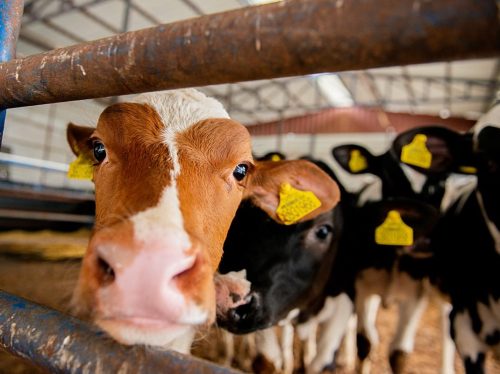
She urged farmers to adopt Good Agricultural Practices, use veterinary medicines responsibly, apply pesticides according to recommended guidelines, maintain hygiene and strengthen disease control. She warned that misuse of antibiotics in livestock can fuel antimicrobial resistance, while careless pesticide use can leave harmful residues on crops and damage the environment.
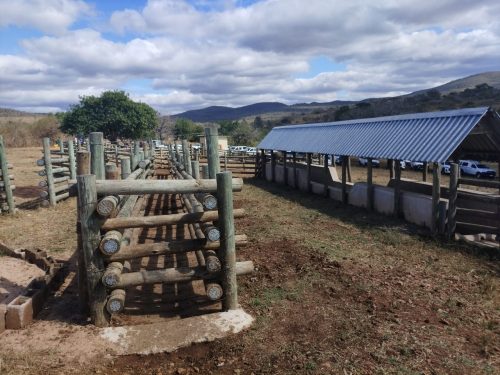
This is where the issue becomes urgent for farmers. Food safety begins with land selection, safe fertilisers, approved pesticides, clean irrigation water, healthy animals and proper handling after harvest. A farmer can produce a beautiful crop and still lose the market if that crop carries chemical residues, harmful bacteria or mould.

FAO Senior Programme Officer Sibusiso Mondlane warned that contamination can enter the food chain quietly through unsafe water, poor storage, poor handling and unapproved agrochemicals. He singled out legumes such as beans and groundnuts, saying they require careful handling because mould can expose consumers to dangerous contaminants such as aflatoxins.
“If it is not safe, it is not food,” Mondlane said.
That warning carries weight in a country already battling climate shocks, including drought conditions that can reduce harvests and increase dependence on imports. With about 304,000 people facing acute food insecurity, Eswatini cannot afford to lose food through contamination, poor storage or preventable post-harvest damage.
About 30 percent of food produced in the country is estimated to be lost after harvest because of weaknesses in handling, storage and transport. In practical terms, this means farmers may be losing income not only in the field, but also in the shed, the truck, the warehouse and the market stall.
Mondlane said food safety must also continue beyond the farm gate. Processors and manufacturers must apply Good Manufacturing Practices and Good Hygienic Practices from the receipt of raw materials to processing, storage, transport, marketing and final delivery to consumers.
Steven Khumalo, Principal Environmental Health Officer, also stressed that safe fertilisers, approved pesticides and clean irrigation water are not small details. They are the first shield against contamination. He said every player in the food value chain, from farmers and processors to manufacturers, vendors and consumers, must take responsibility.

The African picture is sobering. Contaminated food causes an estimated 91 million illnesses and 137,000 deaths across the continent every year. Globally, unsafe food costs about US$310 billion annually through lost productivity and health-care costs. These are not distant figures. They show how unsafe food can quietly eat into national prosperity.
For Eswatini, the trade implications are just as serious. Unsafe produce can be rejected at borders, damage farmer confidence and weaken the country’s competitiveness in formal markets. Safe production, on the other hand, can open doors for farmers supplying retailers, processors, schools, hotels, export markets and regional buyers.
FAO Assistant Representative Howard Mbuyisa said work is underway to strengthen the country’s food safety governance by reviewing outdated laws covering public health, veterinary public health and agriculture.
“We are reviewing legacy legislation spanning public health, veterinary public health and agricultural acts to eliminate regulatory overlaps, clarify institutional responsibilities and create a seamless, unified food safety command,” he said.
This speaks directly to the One Health approach, which links the health of people, animals, plants and the environment. A sick animal, contaminated crop, polluted water source or poorly stored harvest is not only a farming problem. It can become a public health problem, a trade problem and an economic problem.
The commemoration made one lesson plain: food safety is now part of agricultural competitiveness. Farmers who use clean water, approved inputs, proper storage and safe handling are not merely complying with rules. They are protecting their businesses.
In the new food economy, safe food is currency. It buys consumer trust, market access, public health and national credibility.
From the soil to the shelf, Eswatini’s food chain is only as strong as its weakest practice. The challenge now is to make safe food not a slogan for commemorations, but a daily discipline in every field, kraal, packhouse, factory, market and home.