
National Maize Corporation hosts field day to showcase bean farming potential and rally communities around domestic food production
MDUMEZULU CHIEFDOM, 19 June 2026 — The National Maize Corporation (NMC) brought its food security drive to the ground on Friday, hosting a field day at Mdumezulu Chiefdom that drew officials from the Ministry of Agriculture, the Eswatini Agricultural Development Fund (EADF), and a range of commercial agribusiness brands.
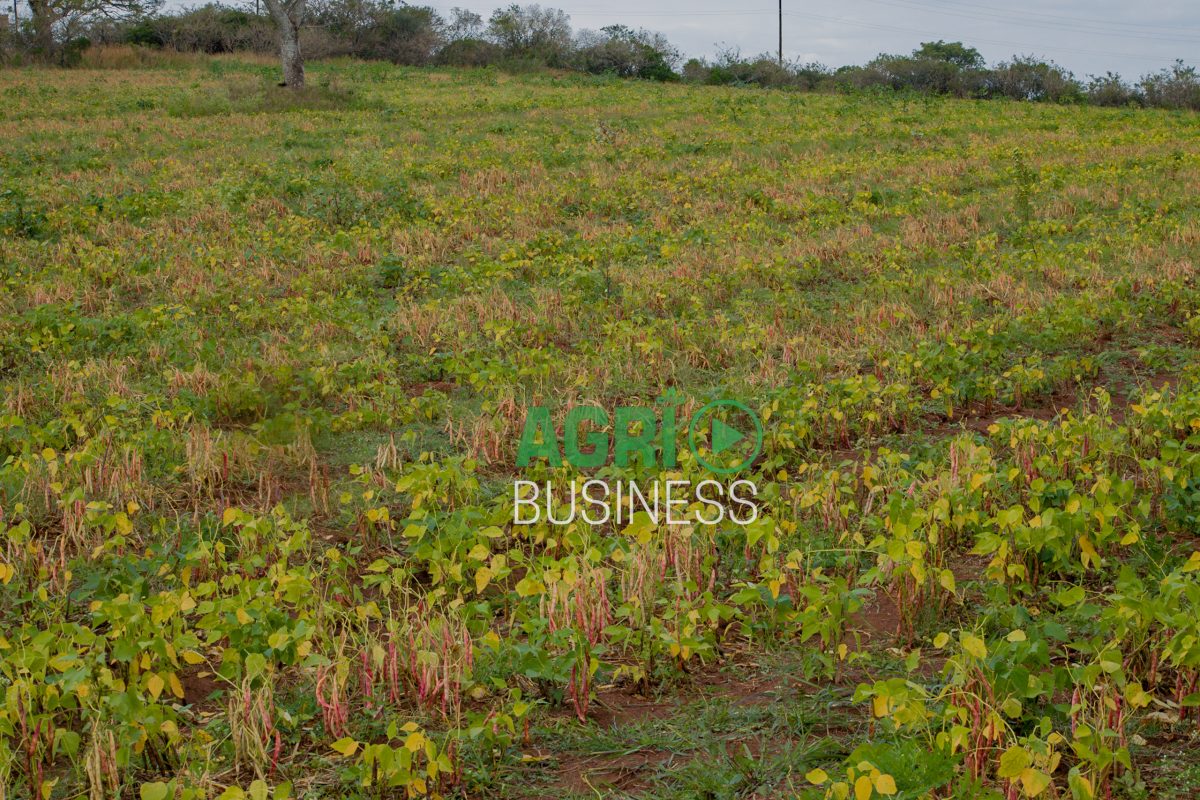
The event centred on a three-hectare bean crop planted on land made available by Chief Prince Kusa Dlamini of Mdumezulu Umphakatsi — a demonstration plot supported in part by NMC as a practical response to His Majesty the King’s call for the nation to reduce its dependence on food imports.
A Royal Directive, Rooted in the Soil
The initiative traces its origins to the People’s Parliament convened at Ludzidzini in October 2023, where the nation’s over-reliance on imported food emerged as a critical concern. His Majesty received the outcomes of that national dialogue and gave clear direction on strengthening Eswatini’s food self-sufficiency.
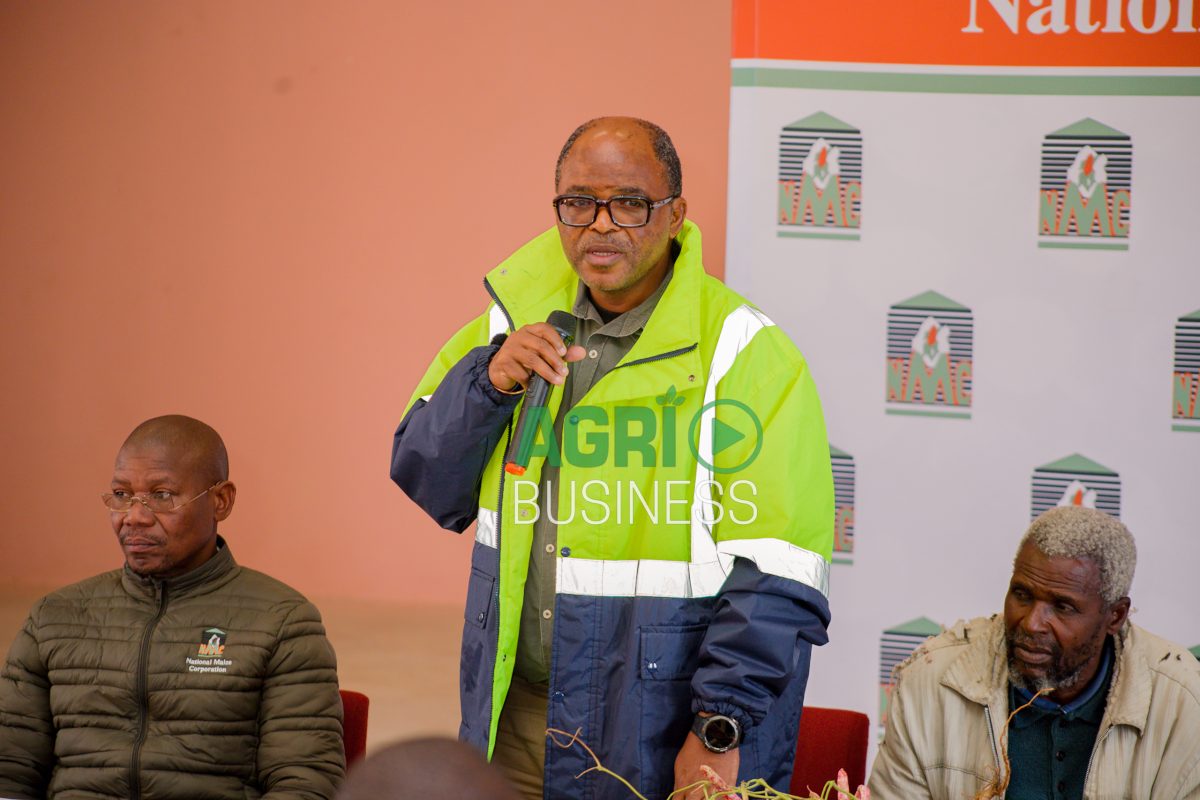
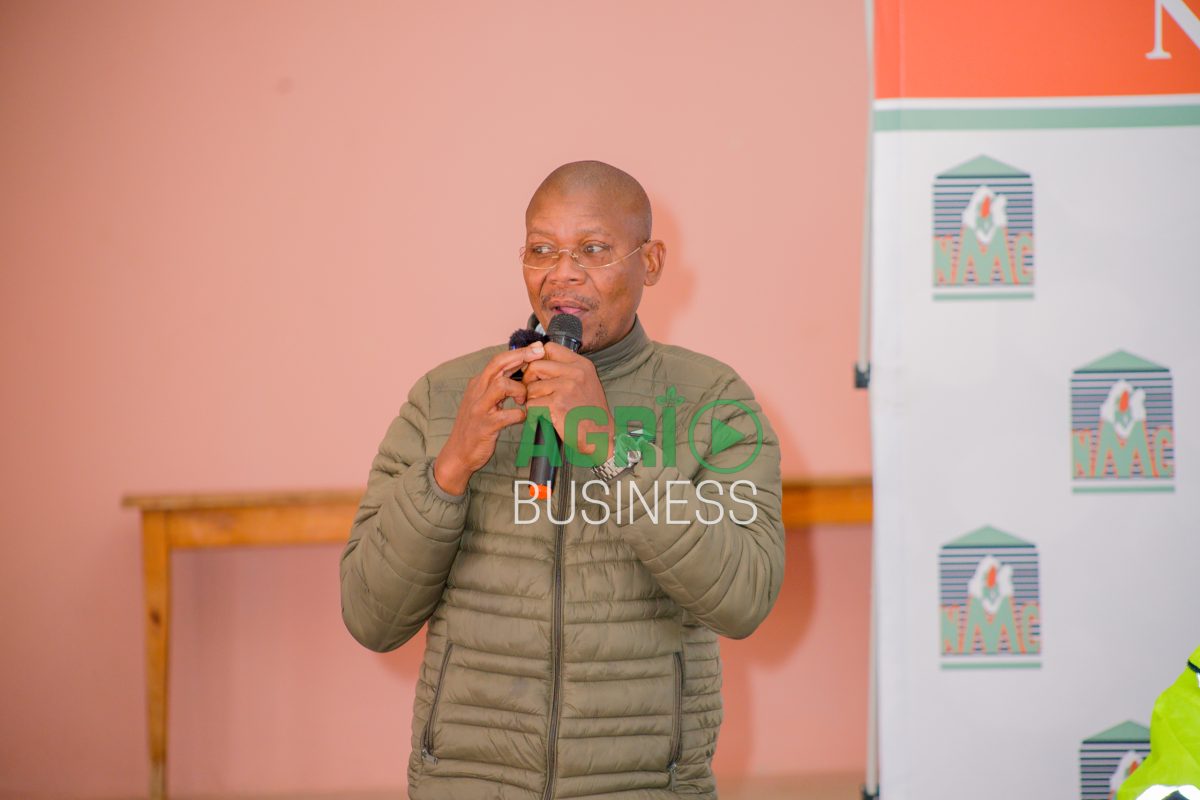
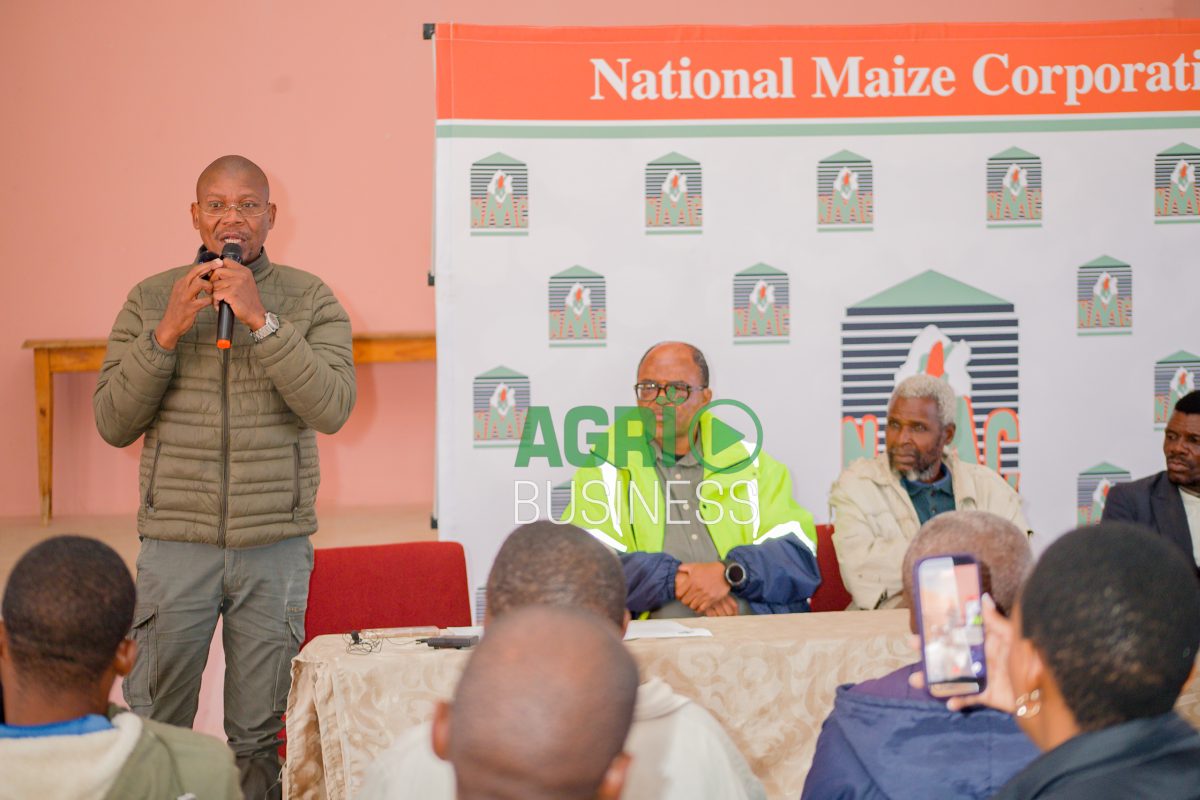
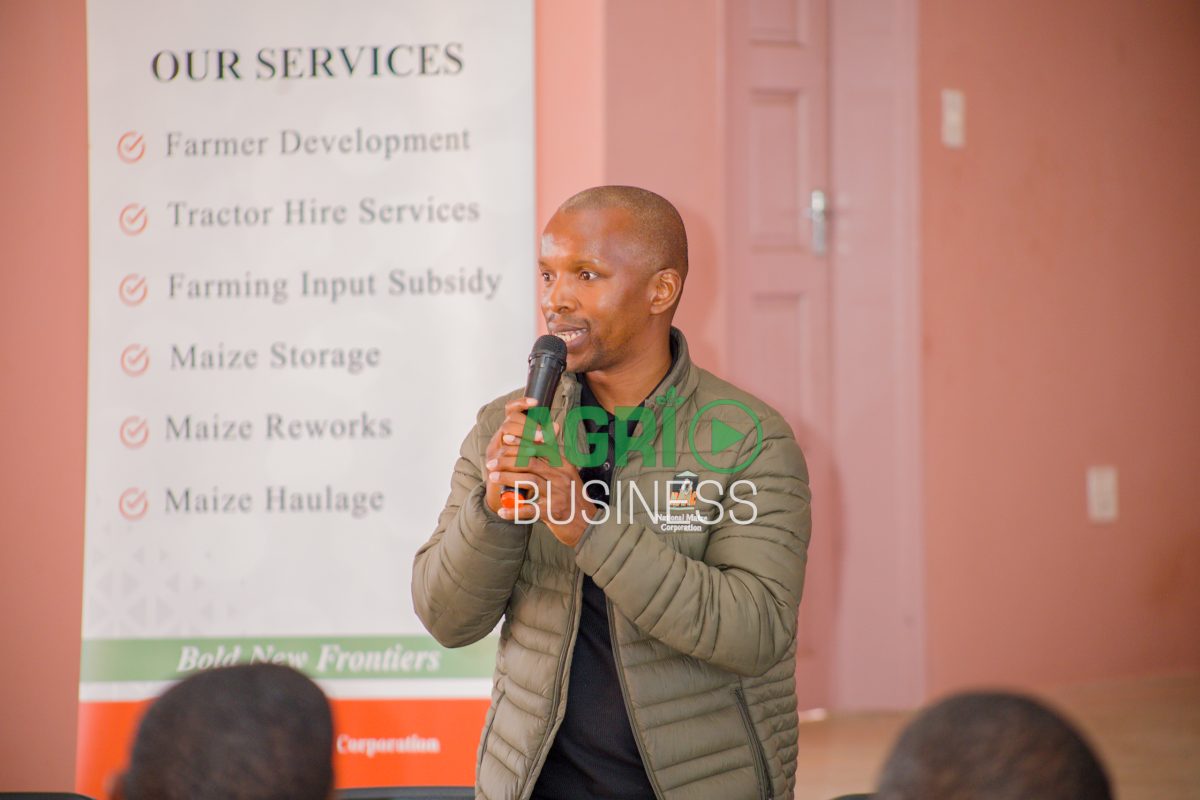
NMC Chief Executive Officer Mavela Vilane told those gathered at the field that the corporation moved quickly to translate that directive into action. When Chief Prince Kusa Dlamini expressed his willingness to put his land to productive use, NMC visited the site, assessed its potential, and agreed on a plan to plant beans across three hectares. The corporation contributed E36,000 towards cultivation costs.
“The purpose of this initiative was to demonstrate to the people that it is possible for us, as emaSwati, to produce our own beans and reduce reliance on other countries,” Vilane said.
The Numbers Behind the Mission
The scale of Eswatini’s import dependency became stark when Vilane laid out the figures. The country requires approximately 7,000 tonnes of beans annually to meet national demand. When the self-sufficiency conversation began, domestic production stood at just 500 tonnes — meaning nearly 6,500 tonnes were being imported, predominantly from South Africa.
Combined with maize imports, the country was spending close to E1 billion annually on food that could, in principle, be produced at home. NMC and Government has since made 500 hectares available for the production of both maize and beans, with preparations for the next planting season already underway.
The field inspection revealed encouraging early results. Attendees observed that each bean plant was yielding approximately 35 pods — a strong indicator of the variety’s performance under local conditions.
A Chief Who Farms
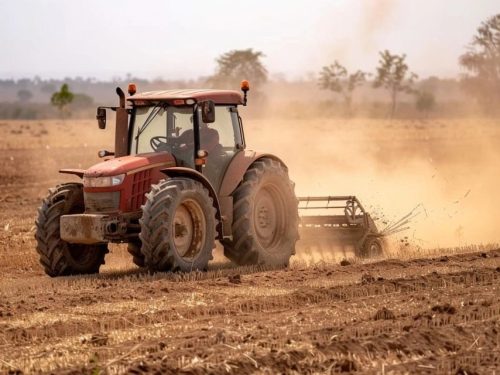
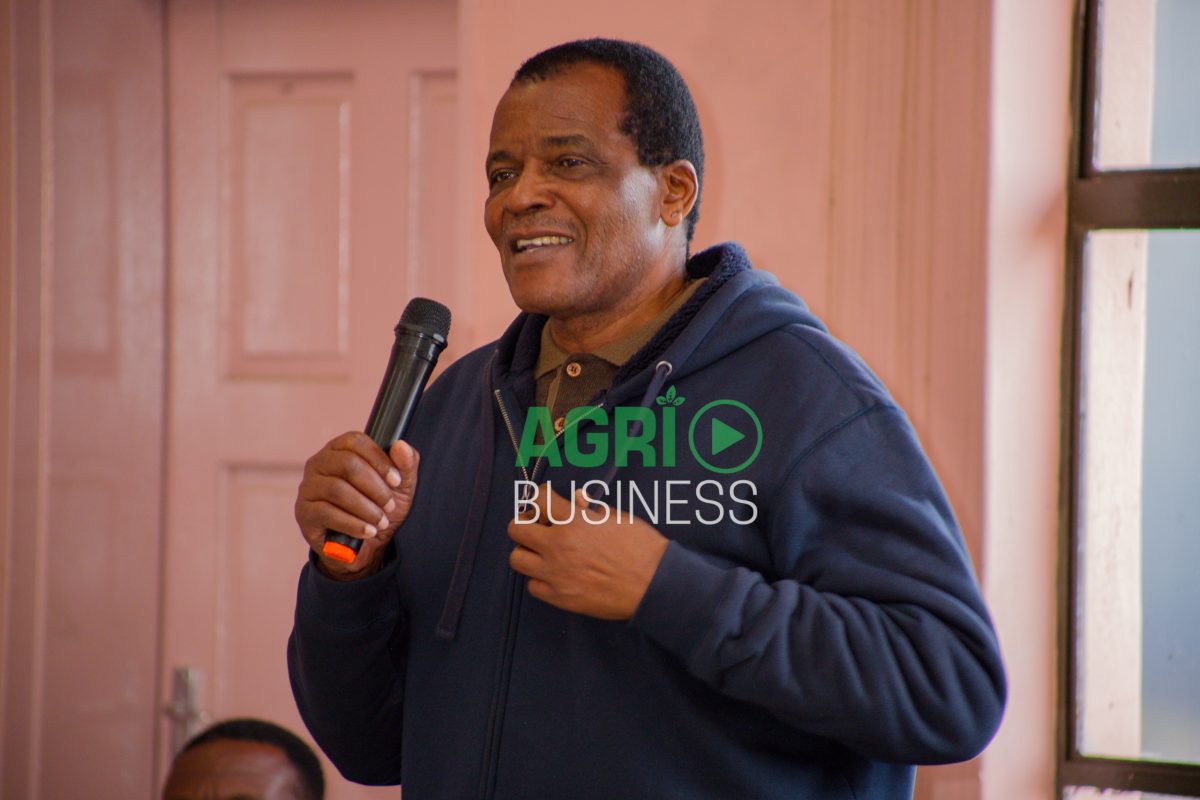
For Chief Prince Kusa Dlamini, Friday’s field day was a moment of reflection as much as celebration. He acknowledged that when the journey began, he did not own a tractor — he borrowed one from the community.
“This alone shows that even when resources are limited, it is possible to start,” he said. “What matters is commitment, willingness to learn and the courage to make use of the opportunities available in the country.”
The Chief was candid about the nature of the support he received — and what made it meaningful. He singled out NMC CEO Vilane for engaging with him not as a dignitary, but as a farmer who needed practical guidance.
“What I value most is that he did not treat me as royalty, but as a potential farmer who needed guidance, support and encouragement,” Chief Prince Kusa Dlamini said.
He also acknowledged the NMC field team who were deployed throughout the entire production cycle — from land preparation and planting through to pesticide application, weeding and crop monitoring. Government agricultural officers, including agronomist Enoch Manana from the Ministry of Agriculture’s Malkerns Research Station, students and professional farmers also provided technical support on the ground — reflecting what the Chief described as the teamwork that serious farming demands.
A Vision Beyond the Three Hectares
Chief Prince Kusa Dlamini was clear that the Mdumezulu initiative was never intended as a personal project. “It is for the nation,” he said. “It is about showing what can be done when communities, government structures, technical experts and farmers work together.”
With another two hectares planned for the next planting cycle and community land earmarked for future development, the Chief signalled that Mdumezulu’s farming ambitions are only beginning. He also used his platform to encourage fellow emaSwati — particularly landowners — to develop proper business plans and approach institutions such as EADF for financial backing.
“Farming is a learning process,” he said. “Along the way, we make mistakes, we identify where we went wrong, and we improve. What is important is that we do not give up.”
He directed a pointed message at the country’s youth, urging them to see agriculture not as a fallback but as a sector with genuine commercial depth — spanning production, processing, marketing, logistics and agribusiness enterprise.
From the Field to the Exhibition Hall
Mtiti Fakudze, former Member of Parliament for Dvokodvweni Inkhundla — the constituency in which Mdumezulu Chiefdom falls — also former Minister of Foreign Affairs, welcomed Chief Prince Kusa Dlamini to speak, in his capacity as Indvuna of the area.
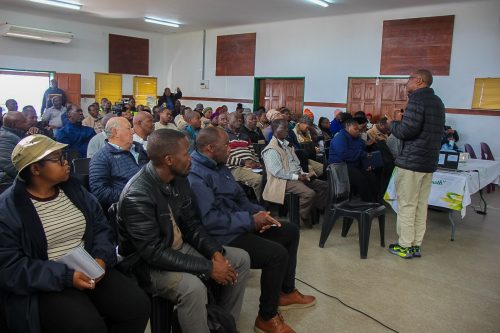
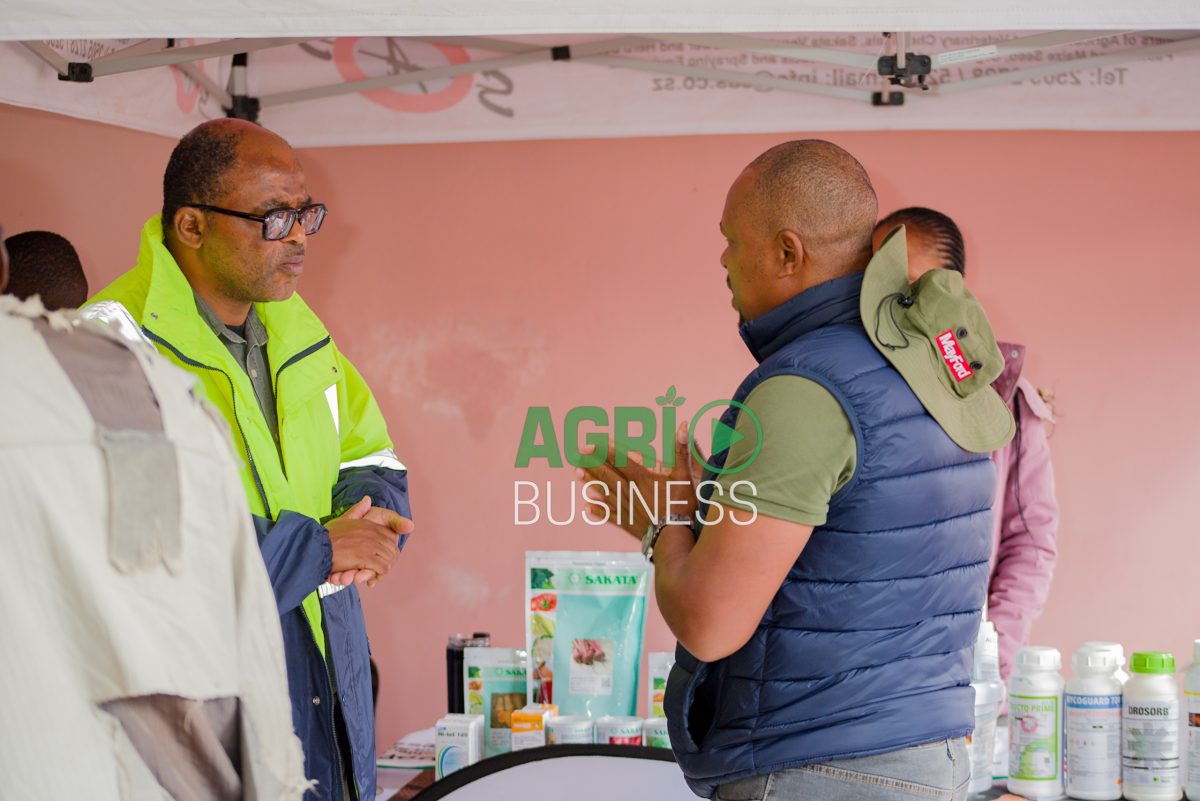
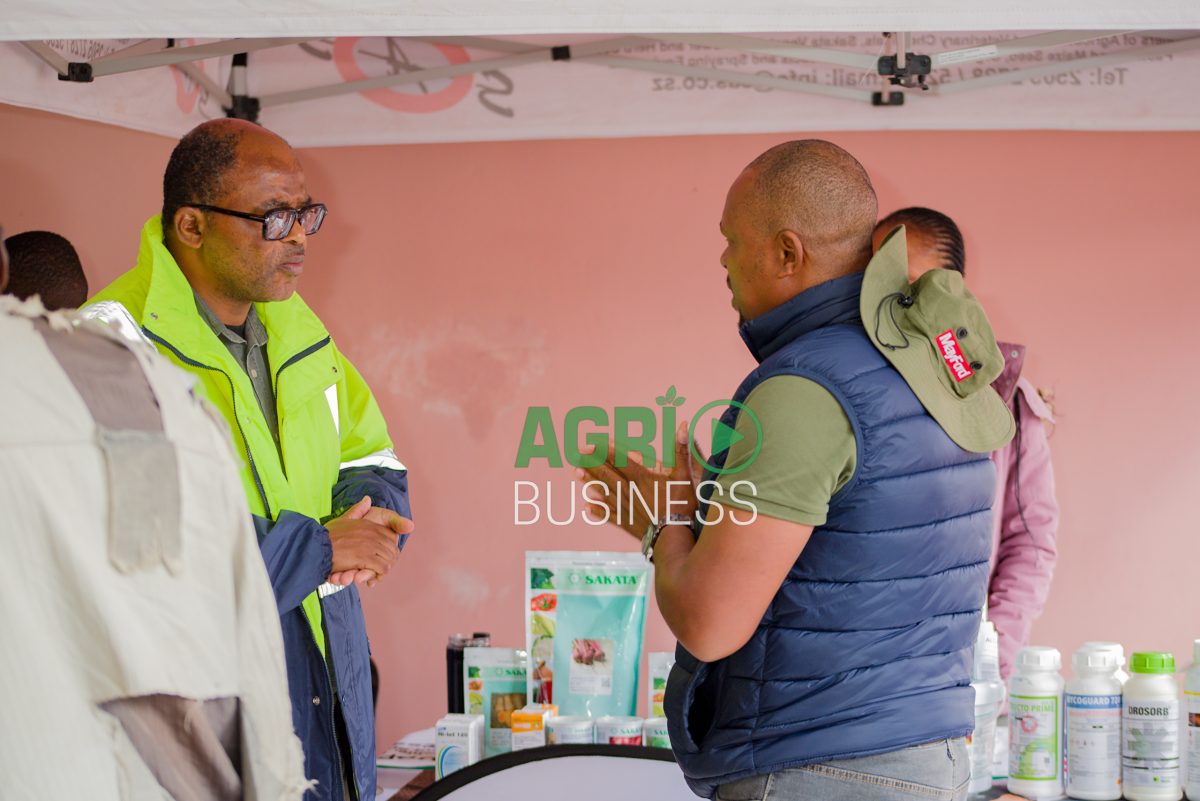
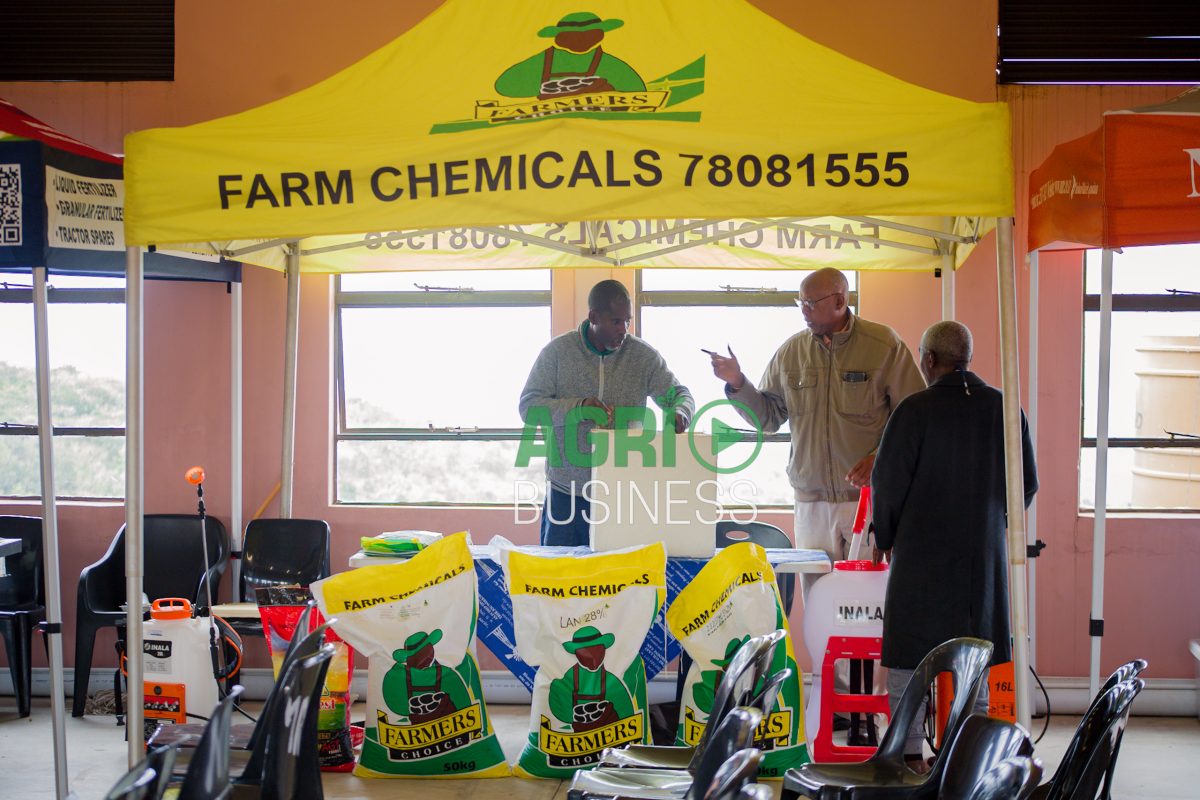
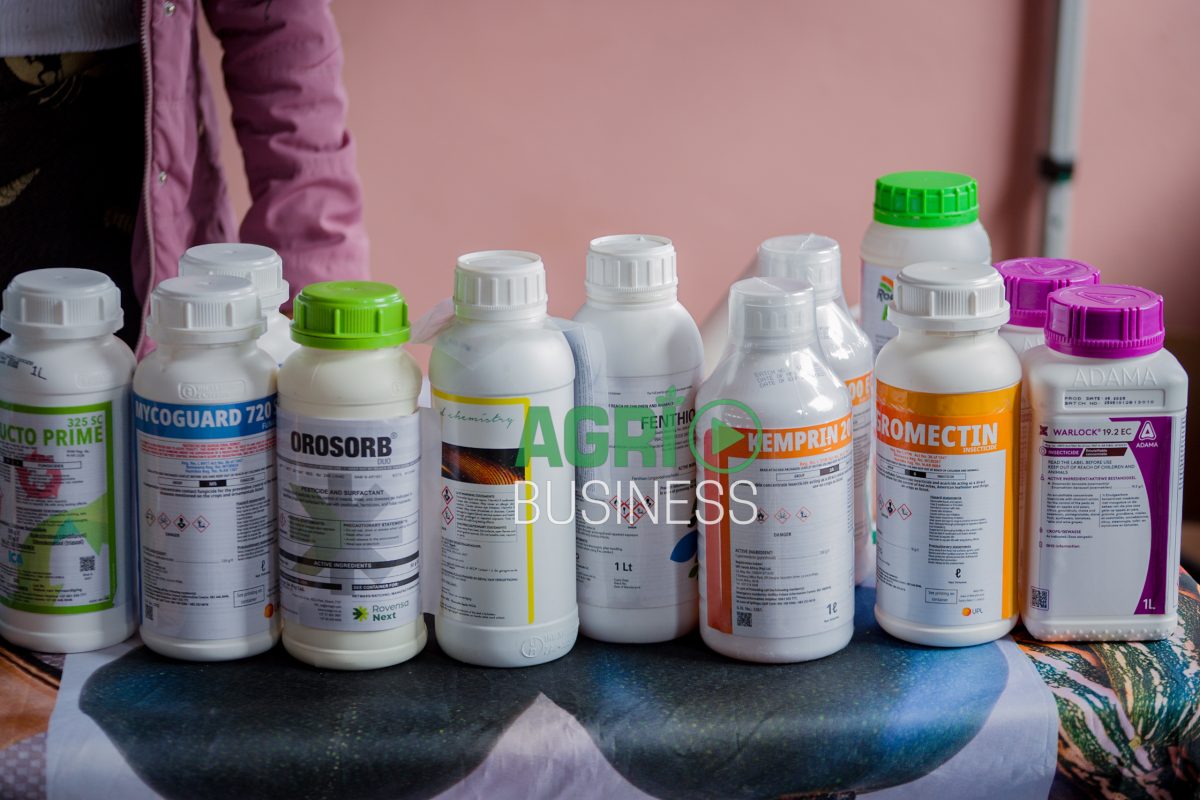
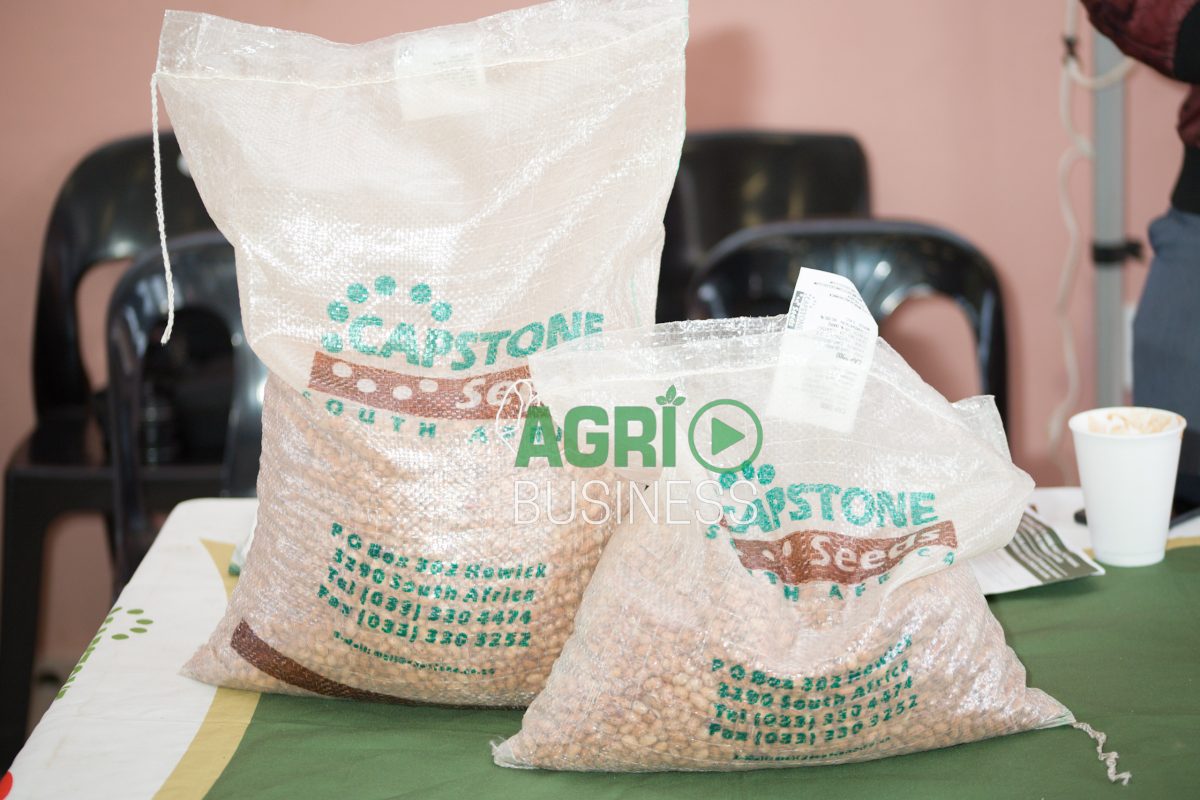
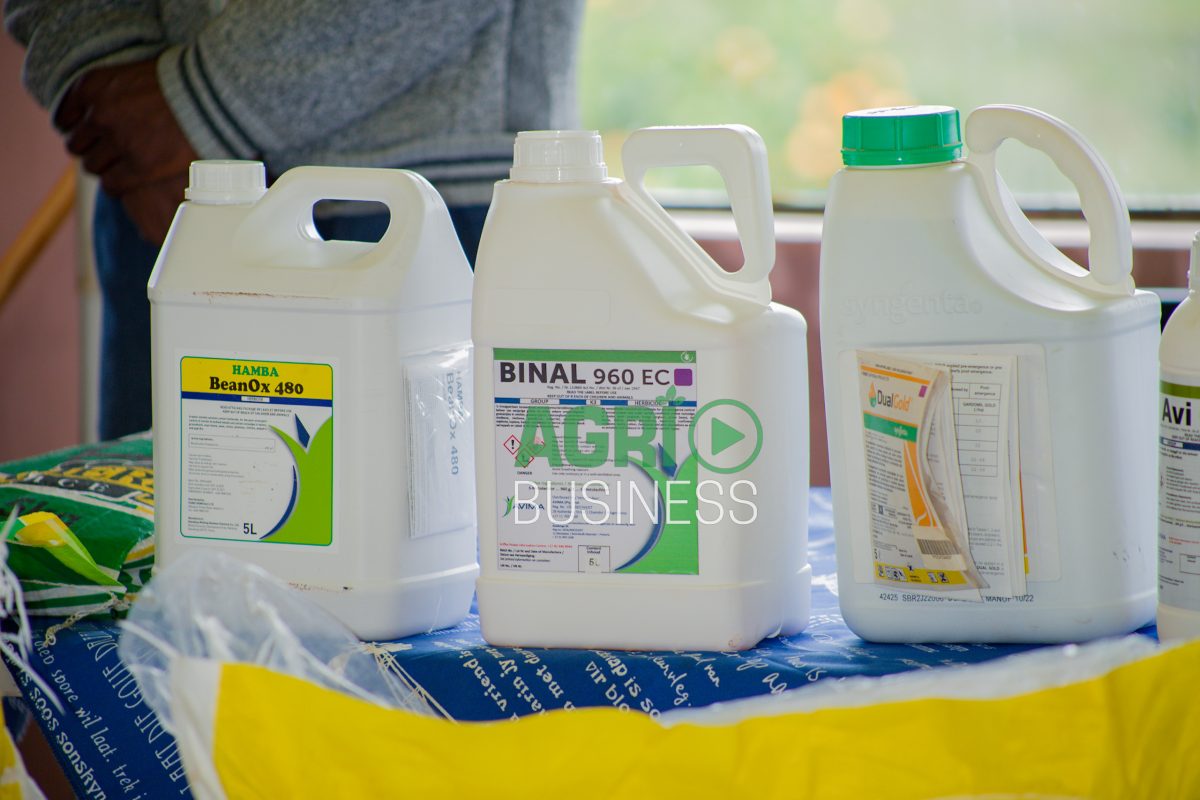
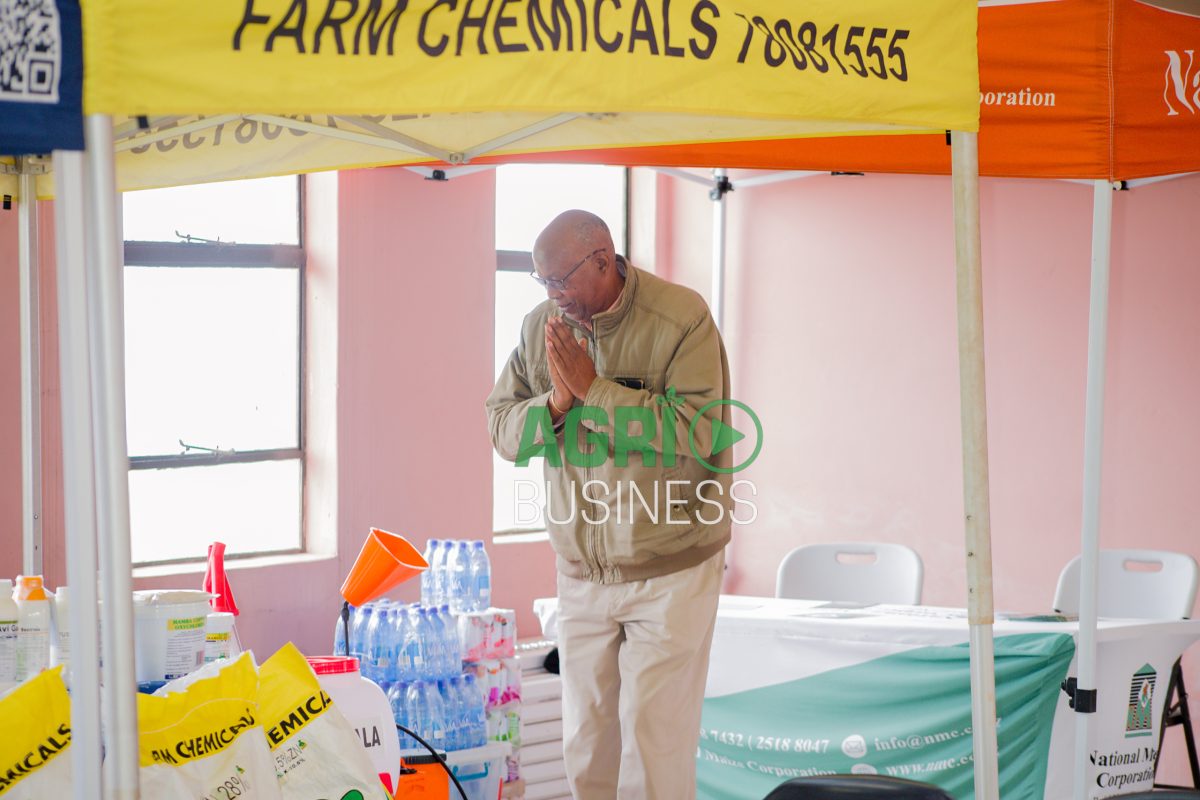
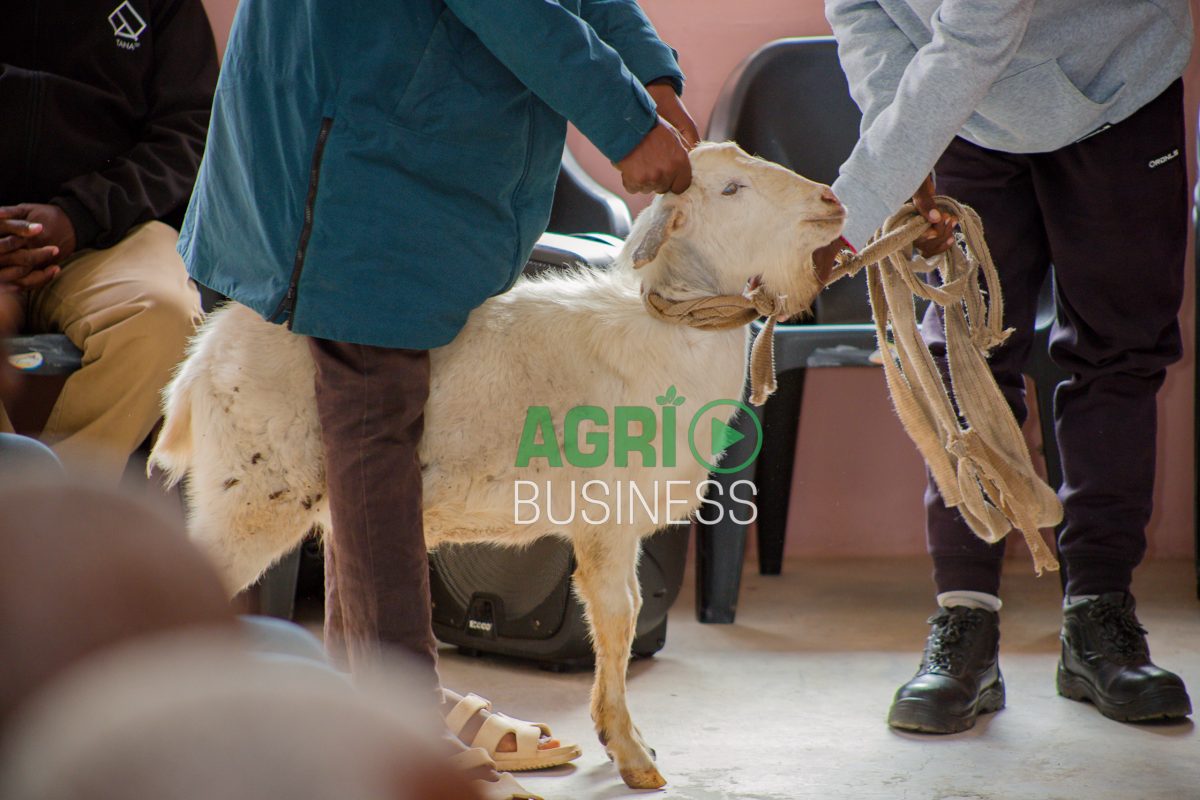
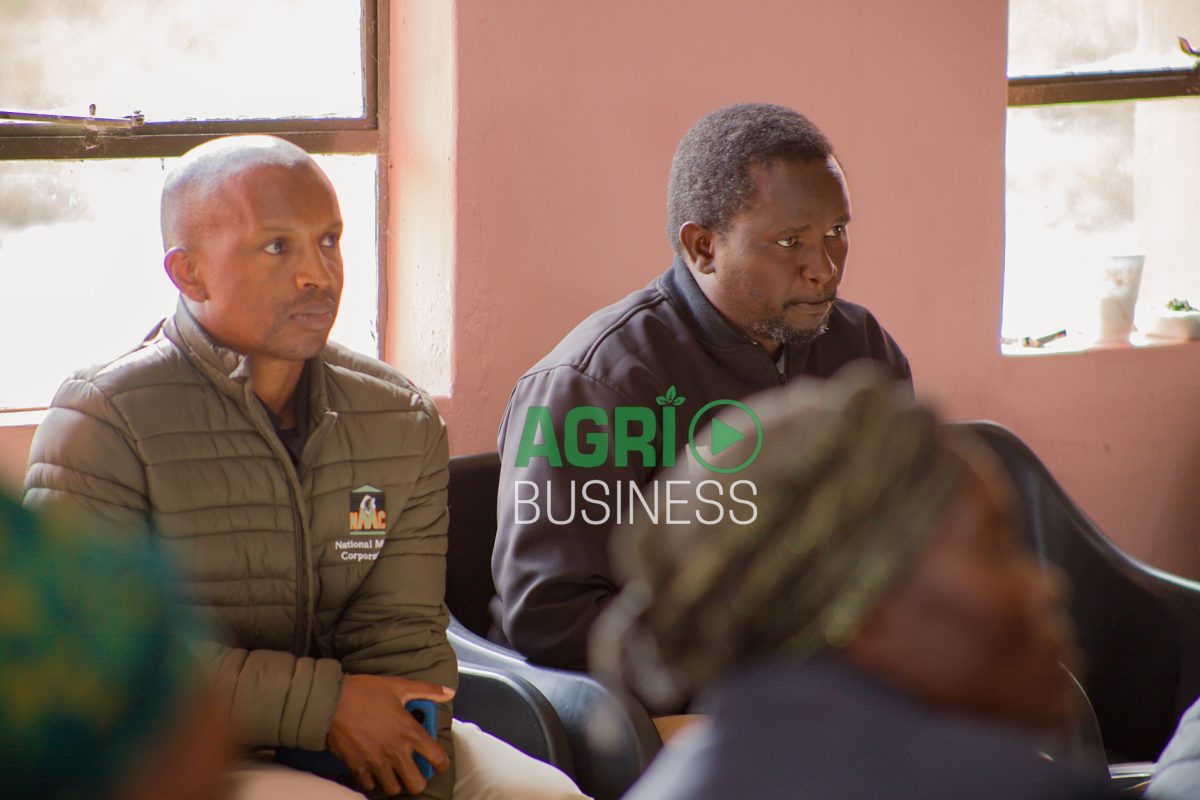
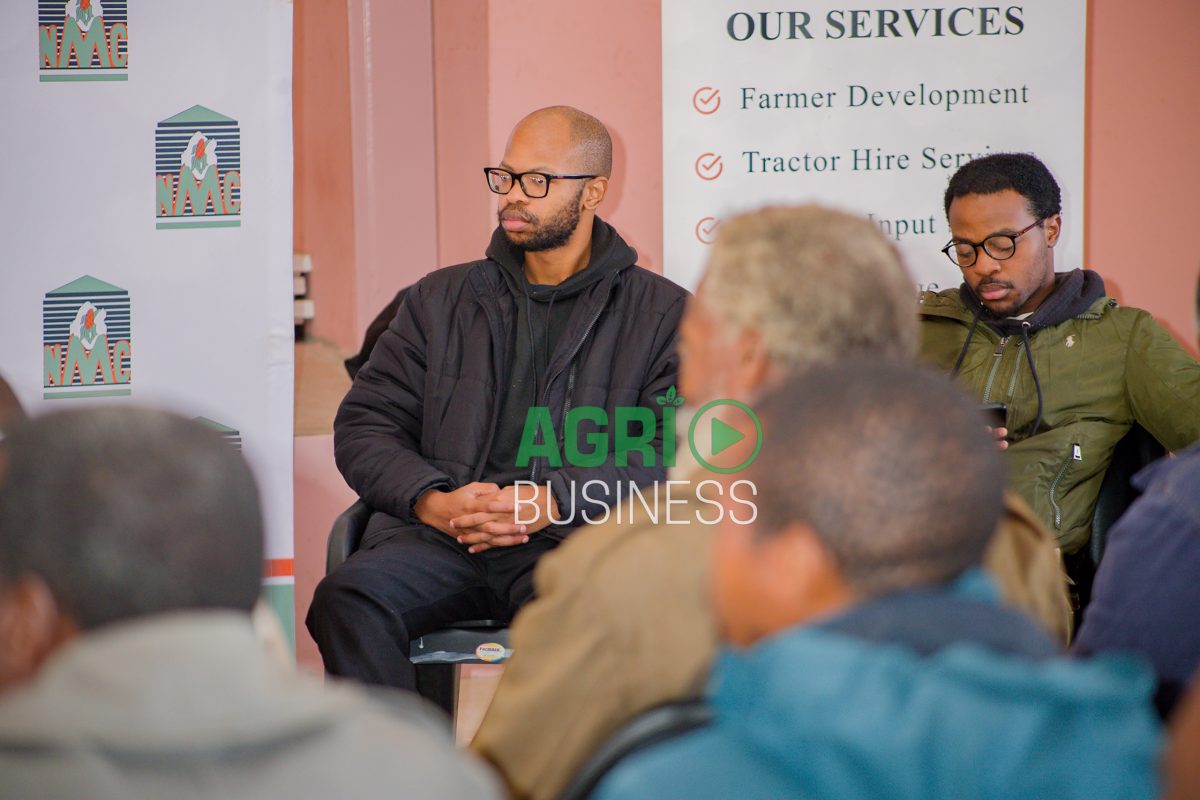
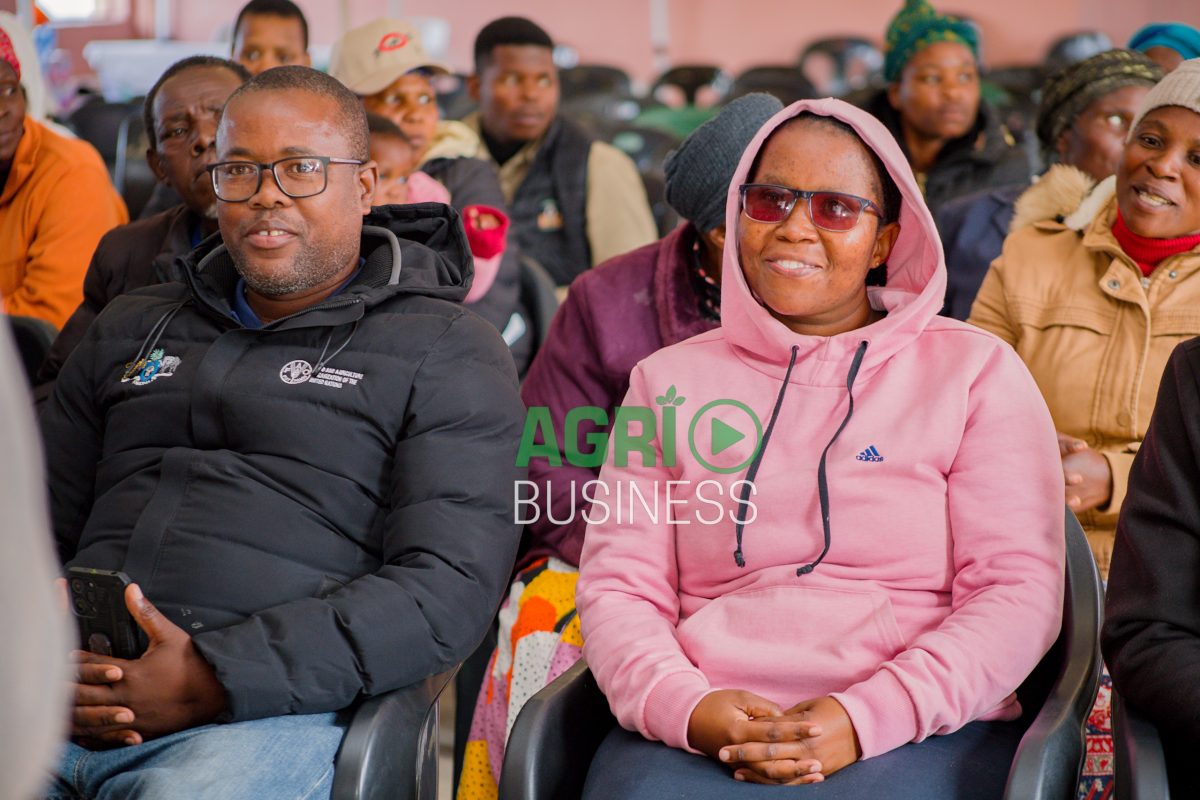
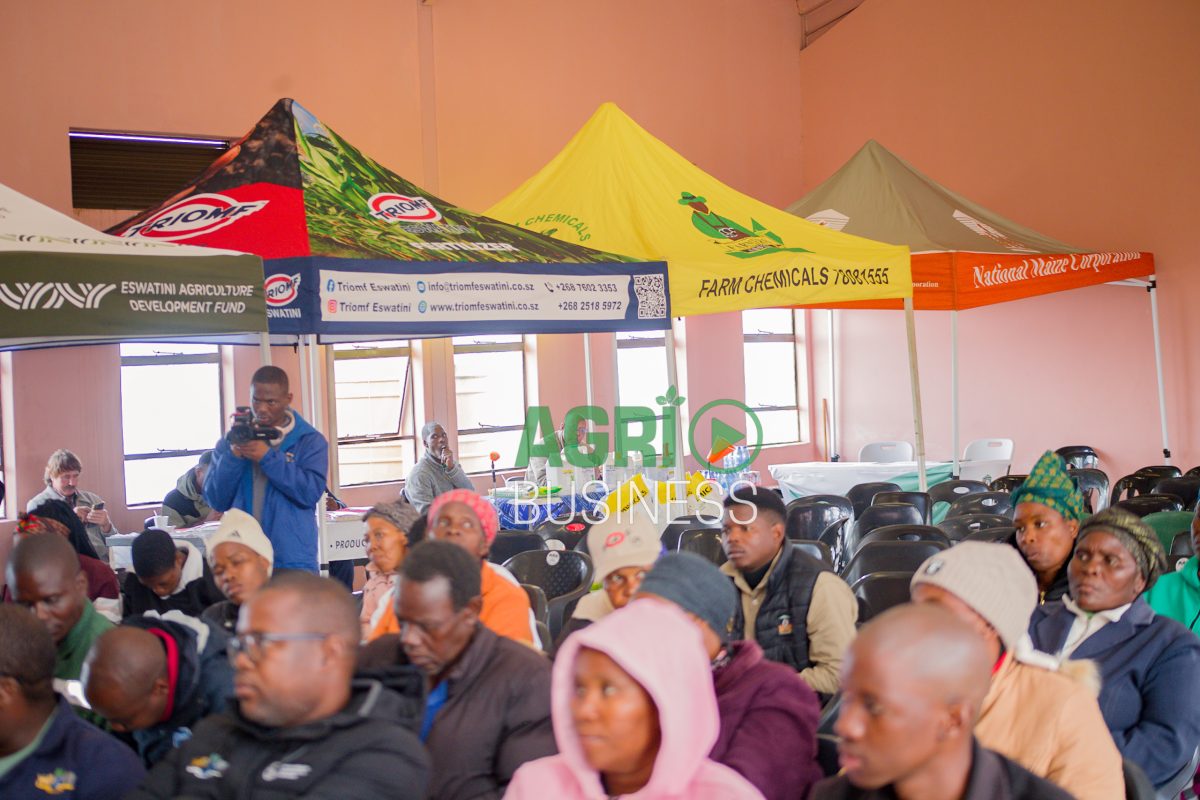
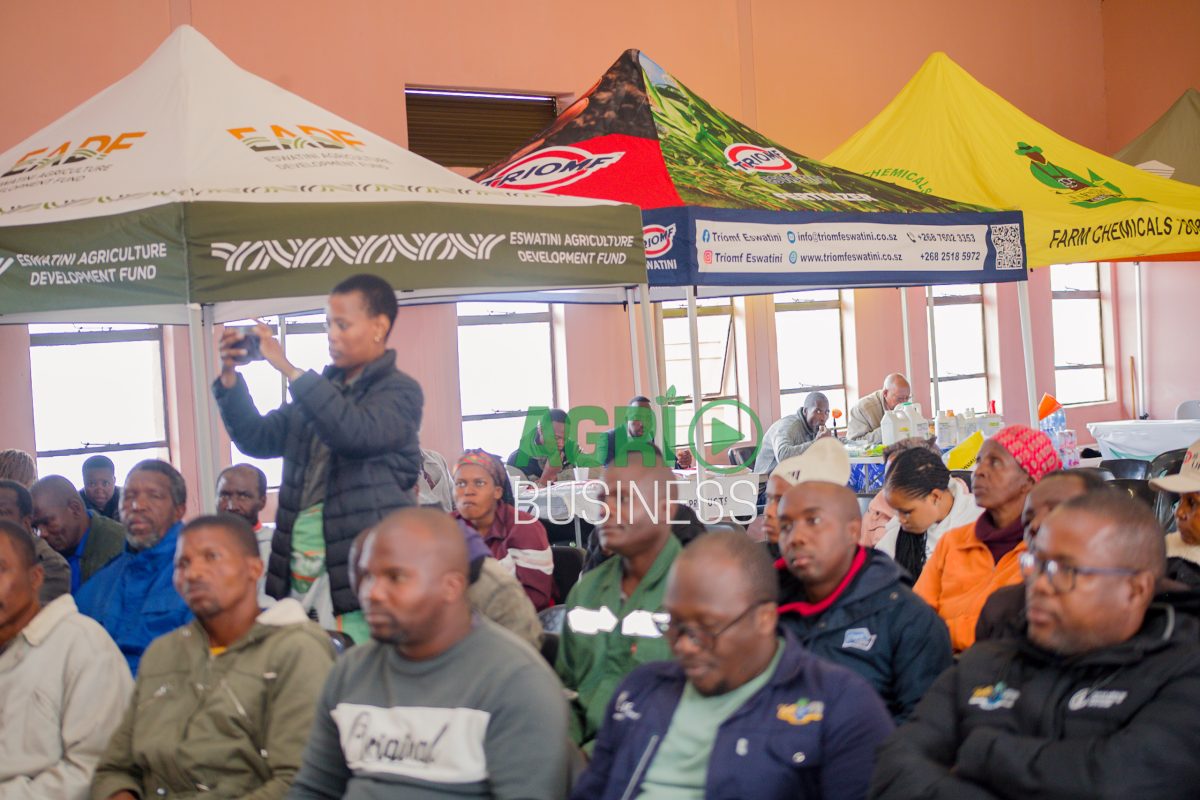
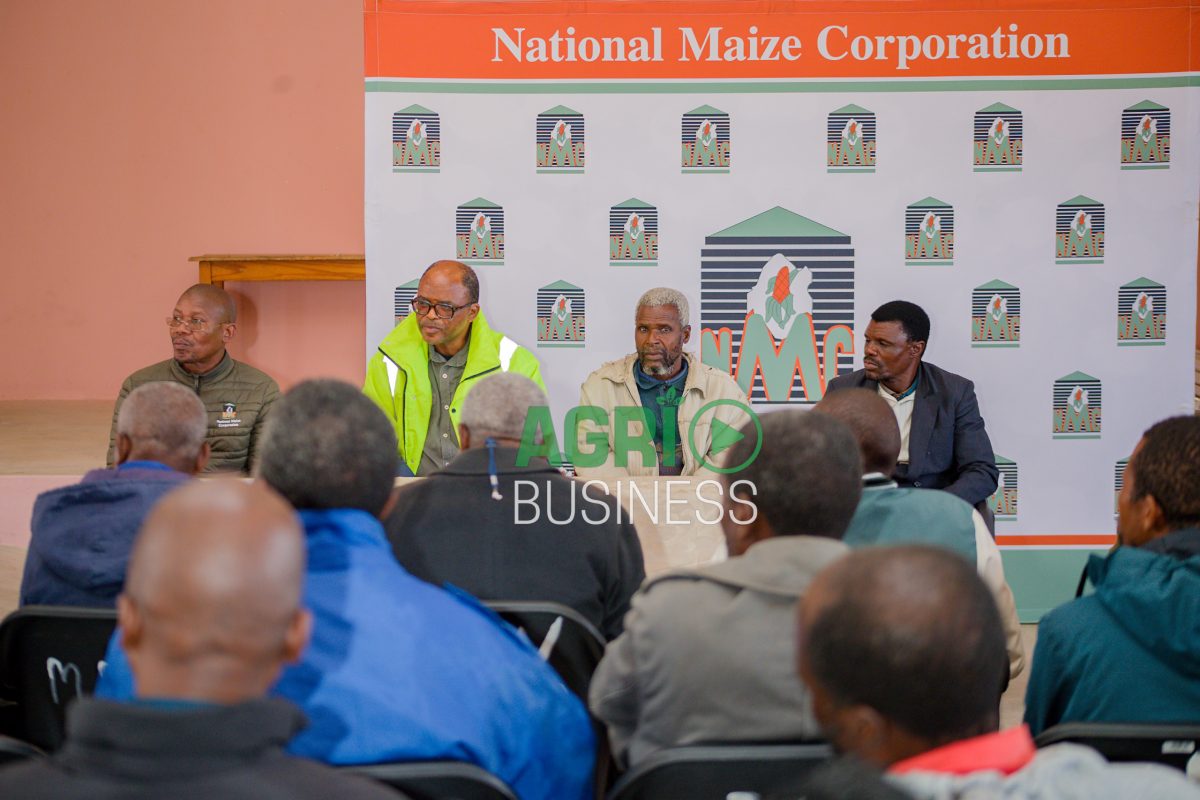
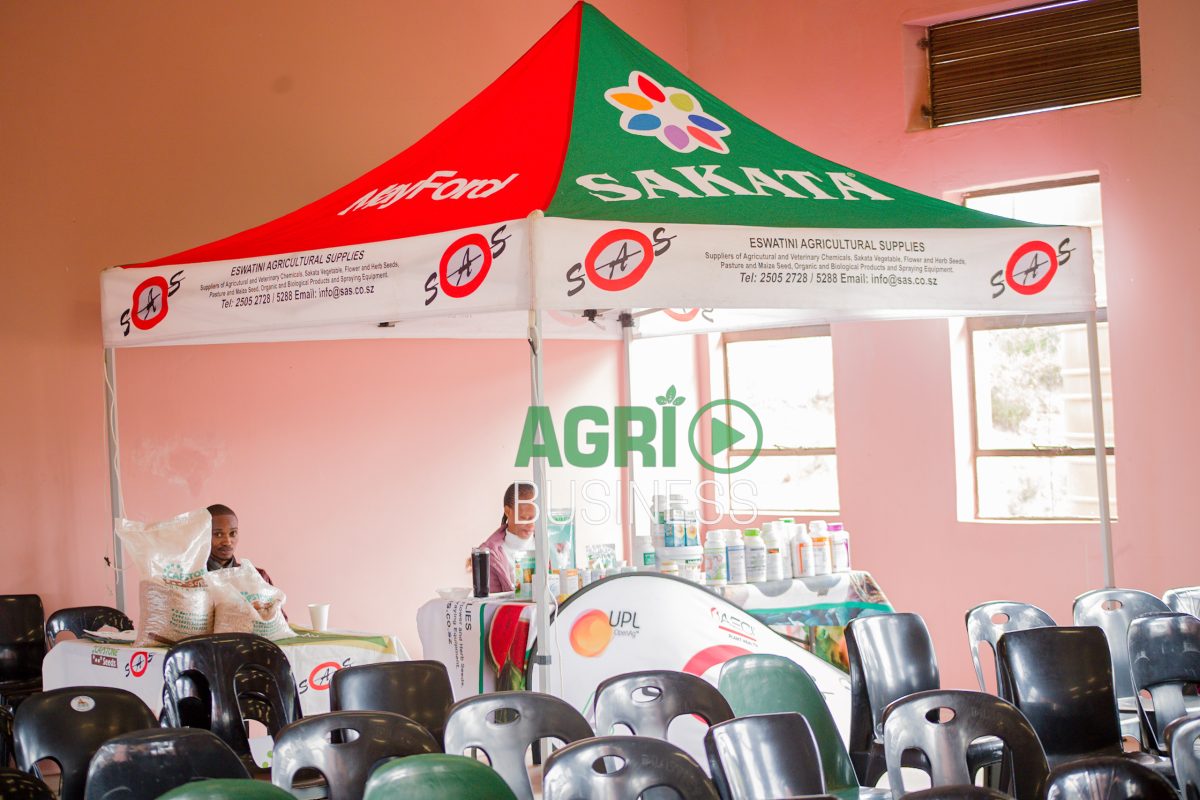
After the crop walkthrough, the group moved to the chiefdom hall, where speeches were followed by a walkthrough of exhibition stalls mounted by EADF, Eswatini Agricultural Suppliers (SAS), Farm Chemicals, TRIOMF, NMC and other industry participants. The presence of commercial brands alongside development institutions reinforced the event’s broader message: that closing Eswatini’s food import gap requires the private sector and public institutions to work in concert.


Article written by: Sibusiso Mngadi. Photos by: Mukelo Muzkid Dlongolo.