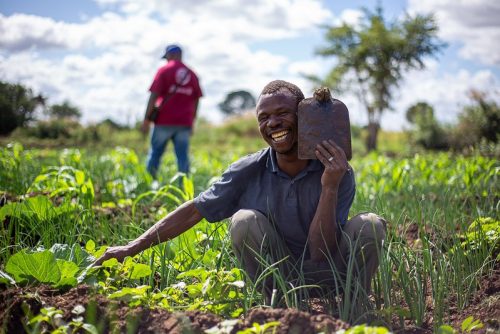



…After losing his job in December 2023, Enock Hleta turned a modest E5,000 grant into a growing commercial farming enterprise producing vegetables and field crops in Siphofaneni.
SIPHOFANENI – When Enock Hleta lost his job, he faced the same uncertainty confronting thousands of young emaSwati.
But while many would have waited for another employment opportunity, the young man from Mphumakudze under Siphofaneni Inkhundla chose a different path.
He went farming.
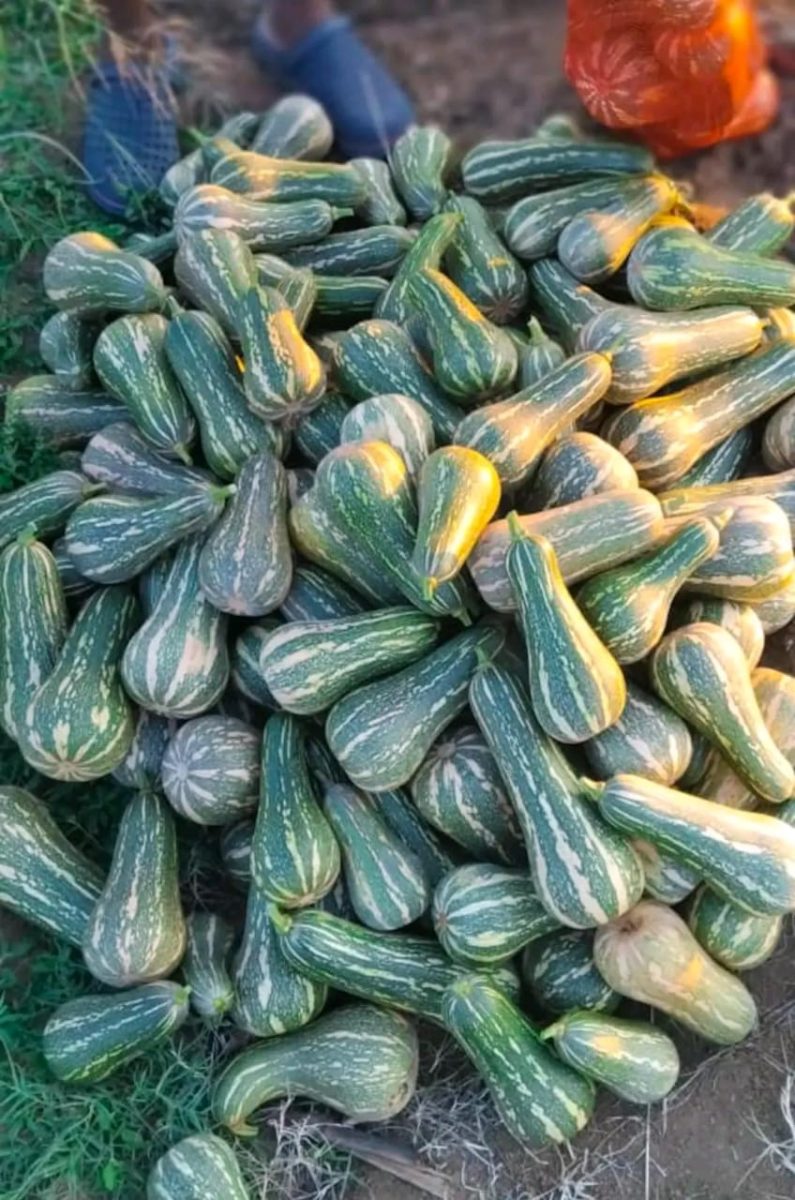
Today, Hleta is steadily building a commercial agricultural enterprise producing pumpkins, butternuts, baby marrows, baby vegetables, maize, beans and other crops, positioning himself among a new generation of young farmers proving that agriculture can be both a business and a source of employment.
"I refused to let myself fail," said Hleta.
"I started farming maize and green peppers after losing my job. The results encouraged me to continue and grow the business."
His breakthrough came after he became actively involved in youth empowerment initiatives and began following organisations that create opportunities for young people.
One of those opportunities was the ESNAU Step-Up Grant.
After applying, Hleta received E5,000 through the programme implemented by the Eswatini National Agricultural Union (ESNAU) in partnership with the Centre for Financial Inclusion (FINCLUDE).
The grant enabled him to expand into butternut production and strengthen his farming operation.
For Hleta, the funding was not merely financial support.
It was an opportunity to build something sustainable.
"ESNAU continues to follow up on our progress and also helps create market opportunities. That support has helped me grow and remain focused on the business," he said.

Filling a Market Gap
Hleta's success story comes at a time when Eswatini continues to spend millions importing vegetables that could potentially be produced locally.
Despite favourable climatic conditions and growing interest in horticulture, local production remains insufficient to meet national demand.
The result is a significant reliance on imported vegetables, particularly from neighbouring South Africa.
For Hleta, that reality represents an opportunity rather than a challenge.
"Every day we see vegetables entering the country from outside. That means there is already a market. Local farmers simply need to produce consistently and maintain quality."
Industry observers agree.
Reducing imports will require more young farmers entering commercial production, adopting modern farming methods and supplying markets consistently throughout the year.
Building Businesses, Not Just Farms
ESNAU Chief Executive Officer Tammy Dlamini said Hleta's story reflects the organisation's commitment to developing sustainable agricultural enterprises among young people.
"What we are seeing through young farmers like Enock is that agriculture can work when support is structured properly. Funding must be matched with training, follow-up, market access and a serious production mindset. We do not only want young people to plant; we want them to build sustainable farming businesses," said Dlamini.
The same thinking is increasingly guiding interventions by the Youth Enterprise Revolving Fund (YERF), which continues to support youth-owned businesses across the country.
Beyond providing finance, YERF is placing greater emphasis on mentorship, business development support and ongoing guidance to improve the long-term success of funded enterprises.
The objective is to ensure young entrepreneurs build businesses that remain viable long after receiving financial assistance.
Agriculture remains one of the sectors with the greatest potential to create jobs, improve food security and contribute to economic growth.
What Sets Him Apart?
Many young people enter farming hoping for quick profits.
Hleta's approach is different.
He studies markets before planting. He diversifies production. He follows agricultural information platforms and actively seeks advice from experienced farmers and support institutions.
Most importantly, he treats farming as a business.
"Agriculture is not about luck. You must plan properly, know your costs, understand your market and produce what customers want," he said.
That discipline is increasingly becoming a critical factor separating successful commercial farmers from those who struggle to remain profitable.
Producing Through Winter
Winter remains one of the most challenging seasons for vegetable production.
Lower temperatures slow crop growth and can reduce yields if farmers do not adjust their production methods.
Agricultural specialists advise farmers to improve winter productivity by using mulching to retain moisture, maintaining proper irrigation schedules, applying balanced fertilisers and selecting crops suited to cooler conditions.
For farmers targeting formal markets, consistency remains critical.
Retailers and buyers increasingly demand produce that meets quality standards in terms of size, appearance, freshness and reliability of supply.
Experts also encourage investment in soil health, crop rotation and good agricultural practices to improve productivity and profitability.
Opportunities for Young People
Hleta believes many young people overlook opportunities because they are not actively searching for them.
"I encourage young people to engage with platforms that share information and opportunities. If I had not followed these programmes, I might never have known about the grant. Sometimes one opportunity can completely change your life."
He also encouraged youth interested in agriculture to explore programmes offered by organisations such as ESNAU and YERF, which continue to support young entrepreneurs through training, mentorship, market linkages and financial assistance.
For Hleta, farming is no longer a fallback plan.
It is a business.
And as pumpkins, butternuts and baby marrows continue to grow in his fields, so too does a vision that began with adversity, was strengthened by opportunity, and is now rooted firmly in the soil of Siphofaneni.
His message to other young people is simple:
Do not wait for opportunities.
Plant them.