
BY SIBUSISO MNGADI
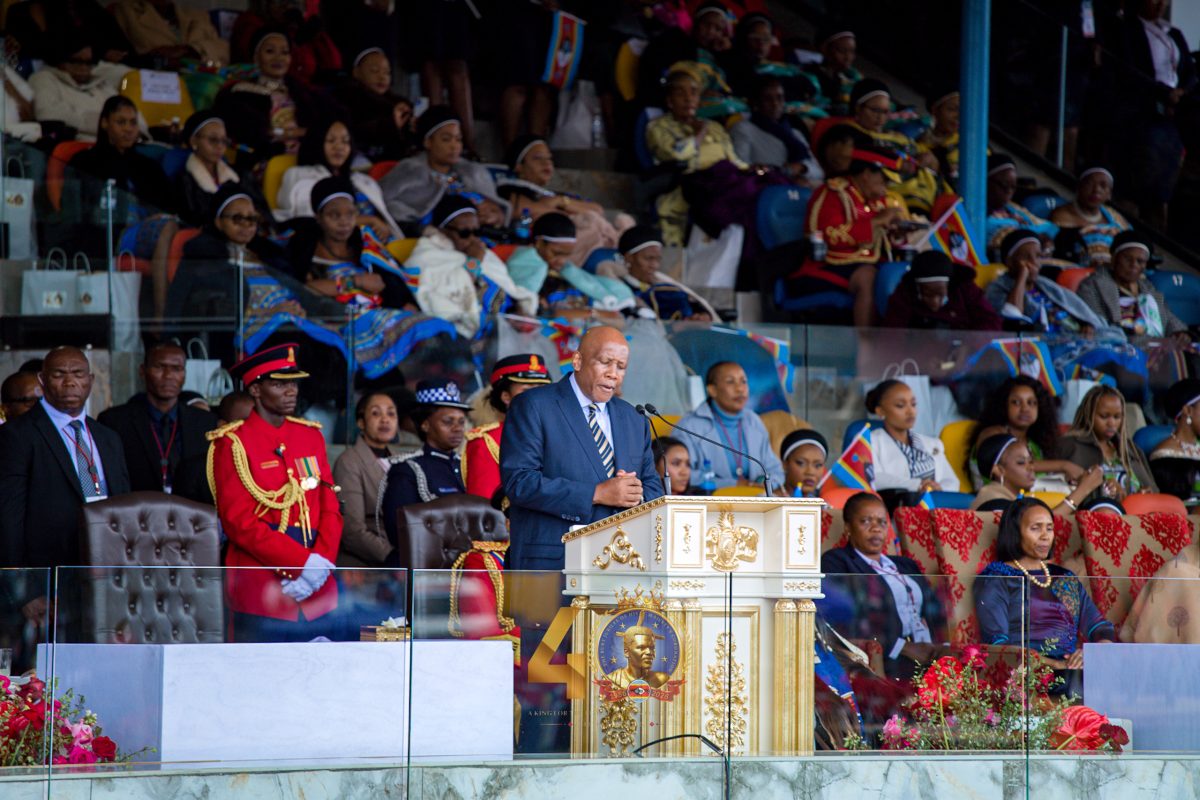
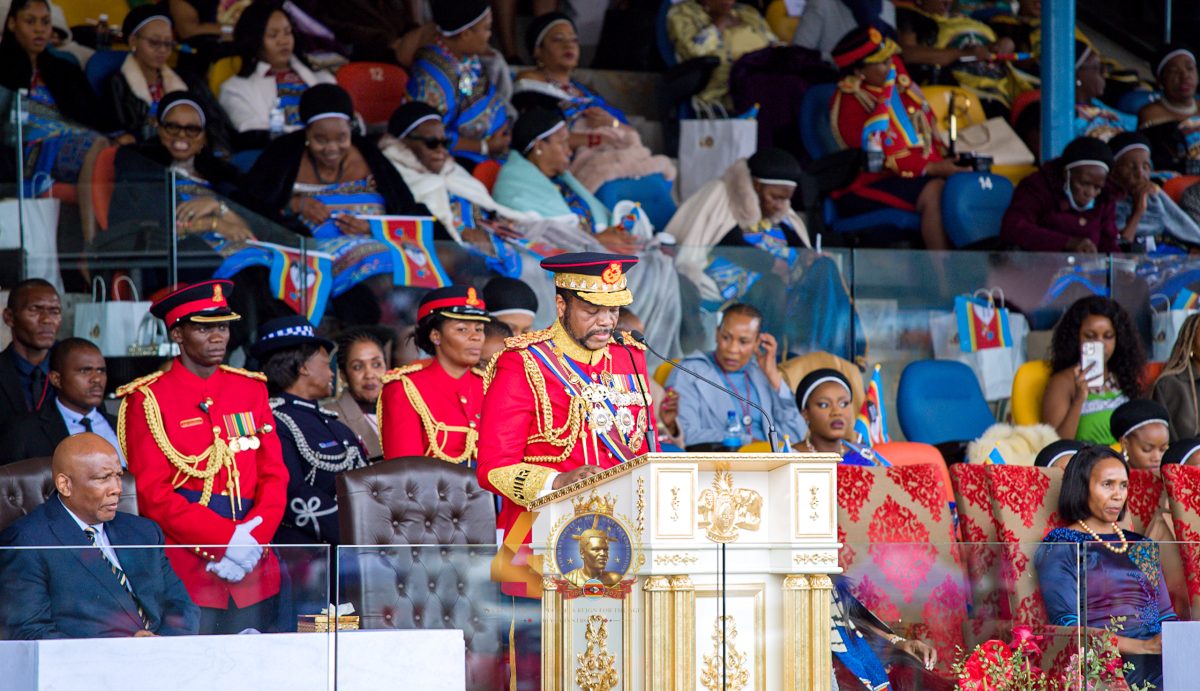
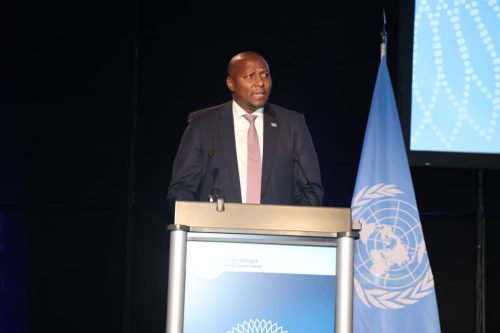
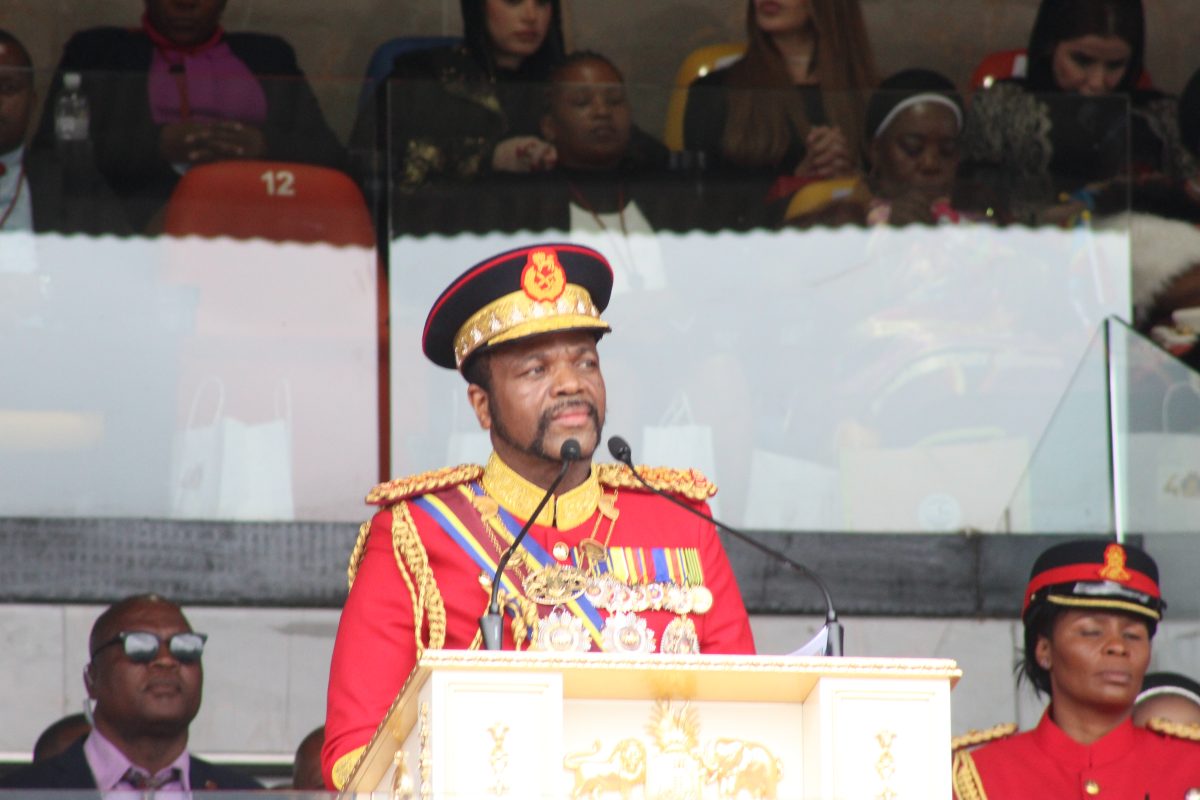
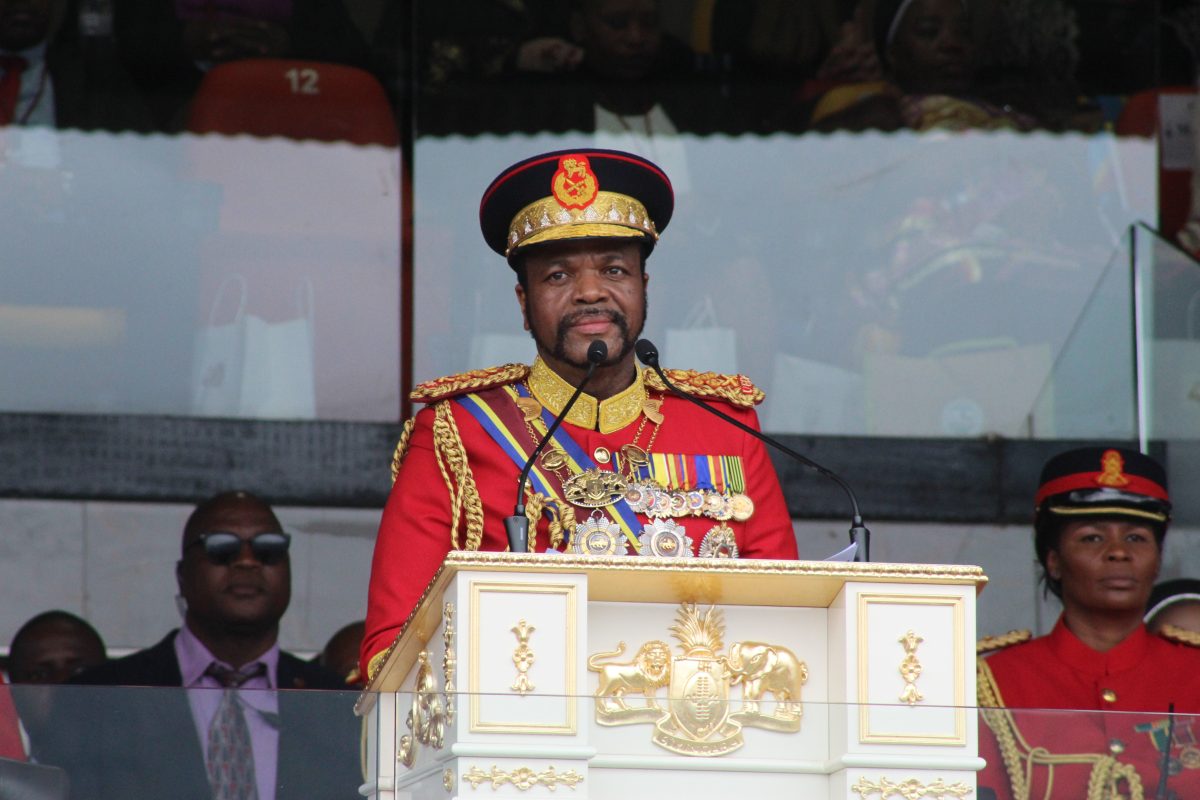
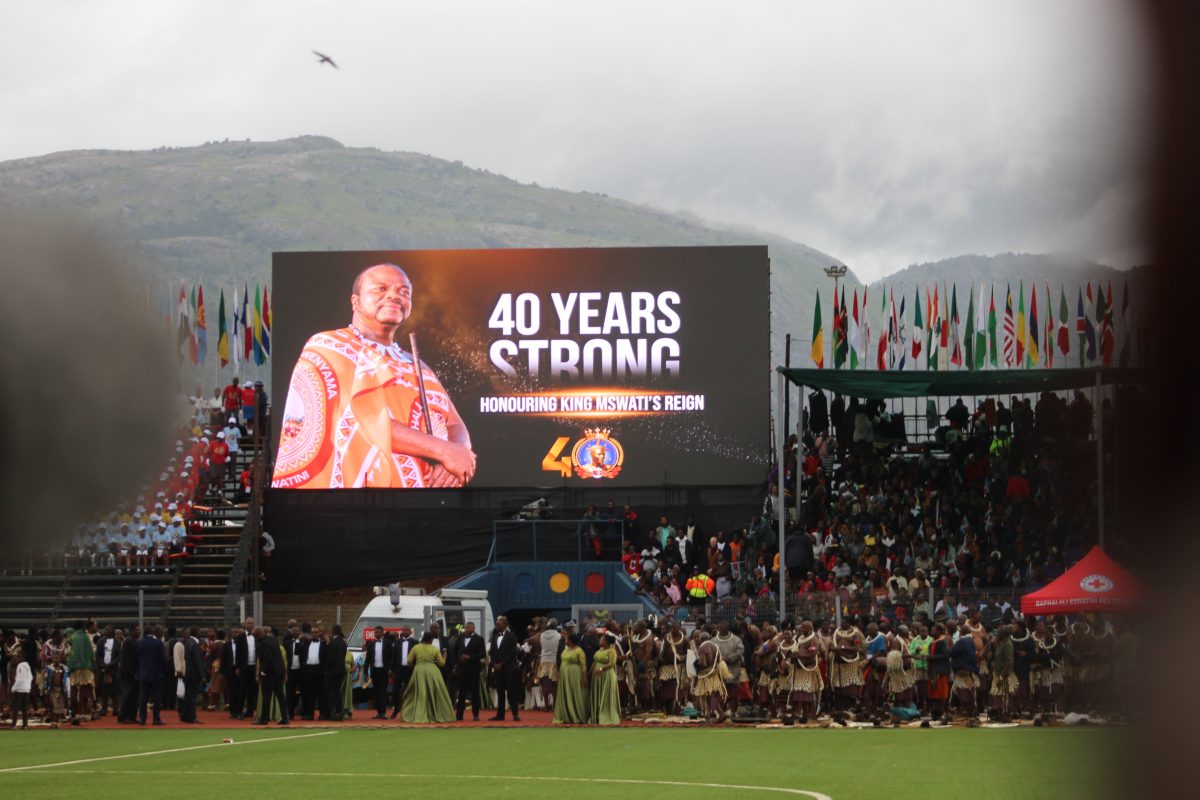
LOBAMBA – His Majesty King Mswati III used his historic Ruby Jubilee address at Somhlolo National Stadium today to reflect on four decades of peace, cultural identity, economic transformation and national development, as emaSwati gathered in their thousands to celebrate his 58th birthday and 40 years on the throne.
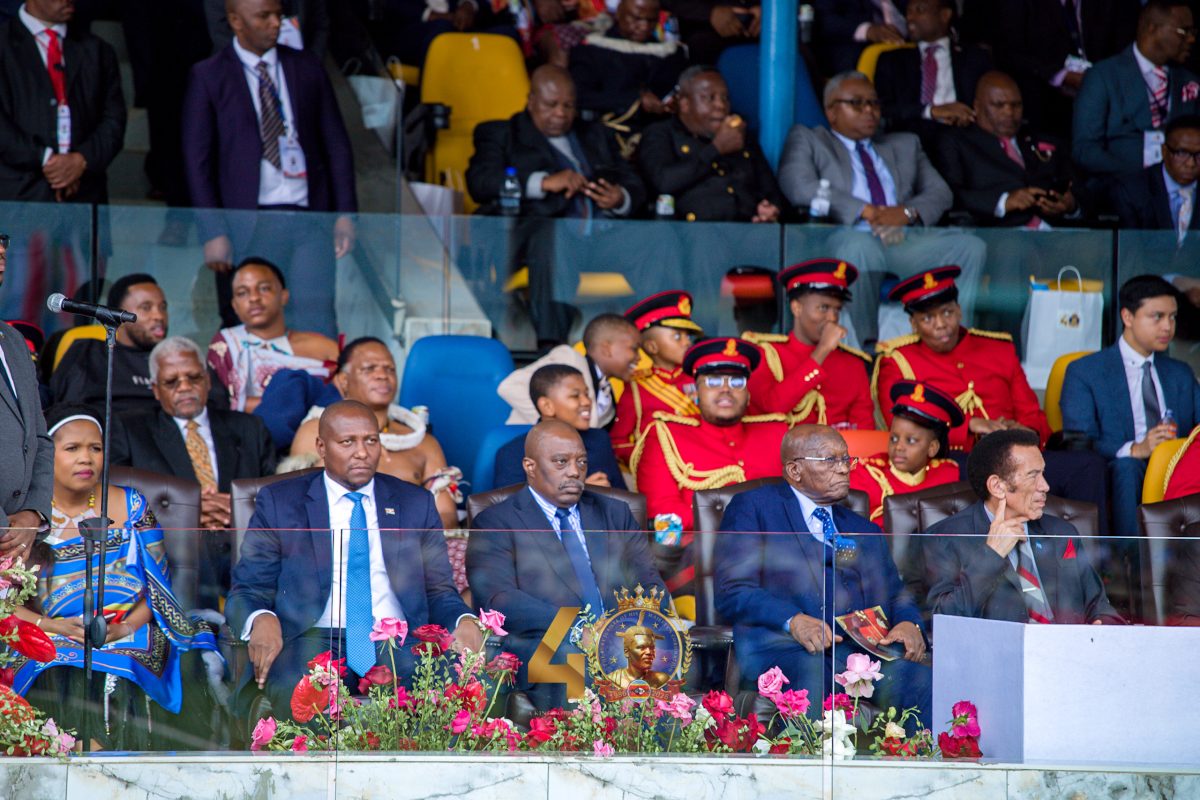
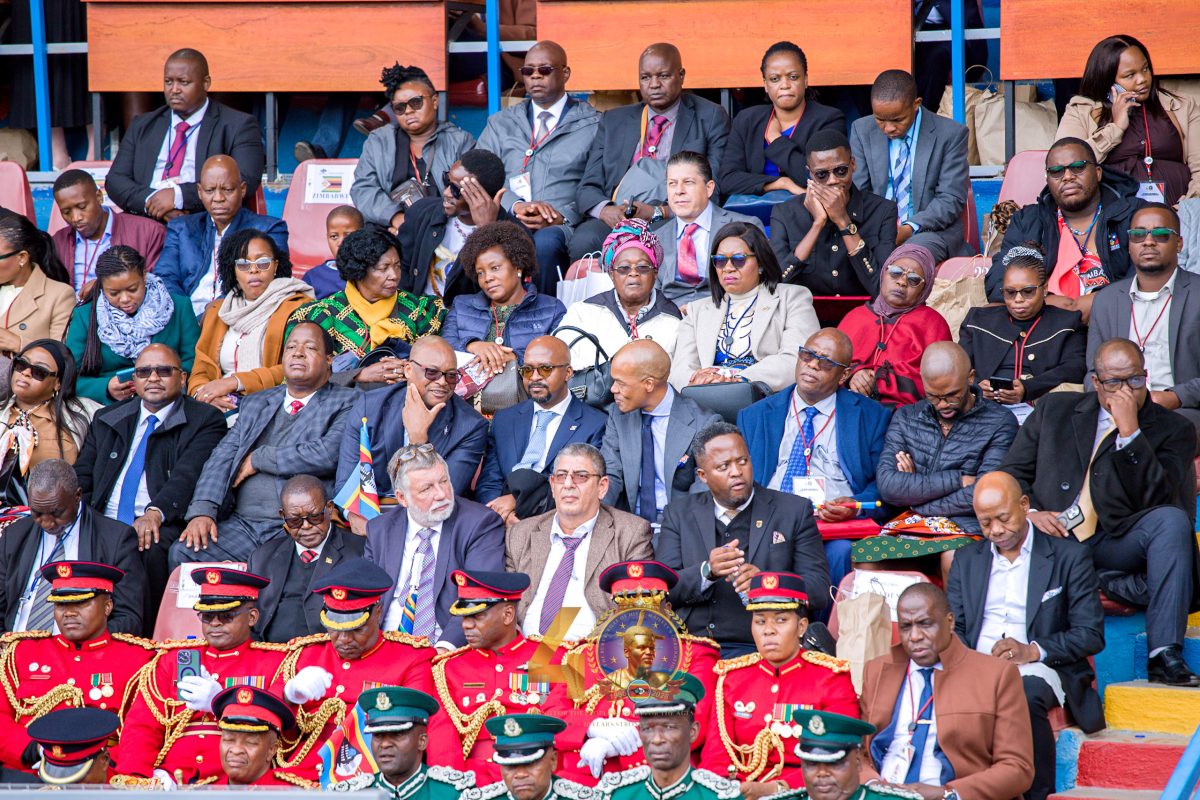
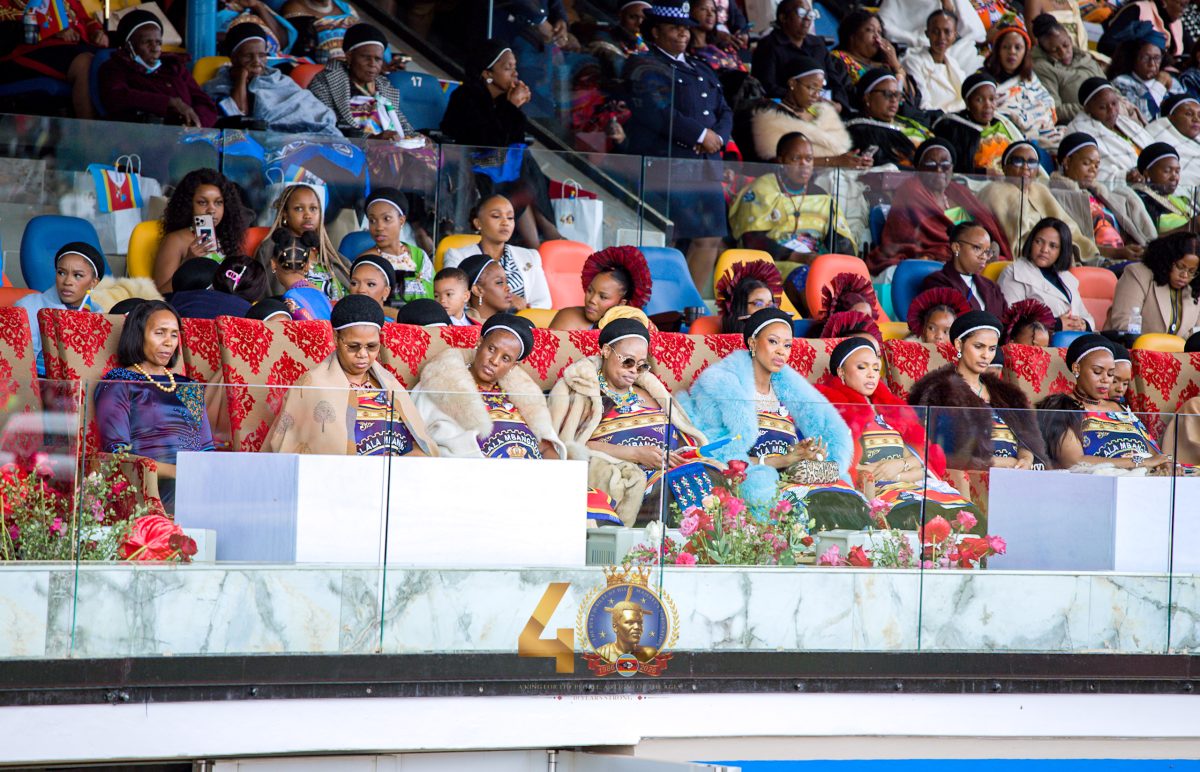
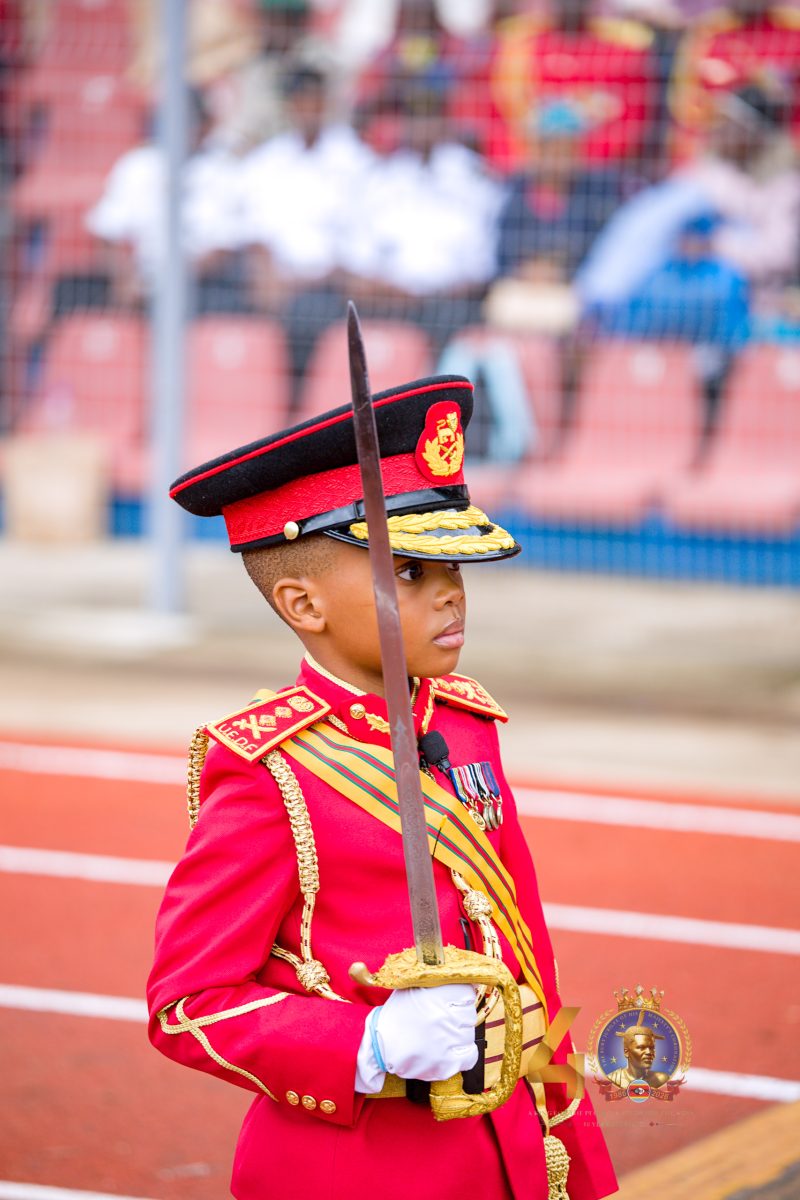
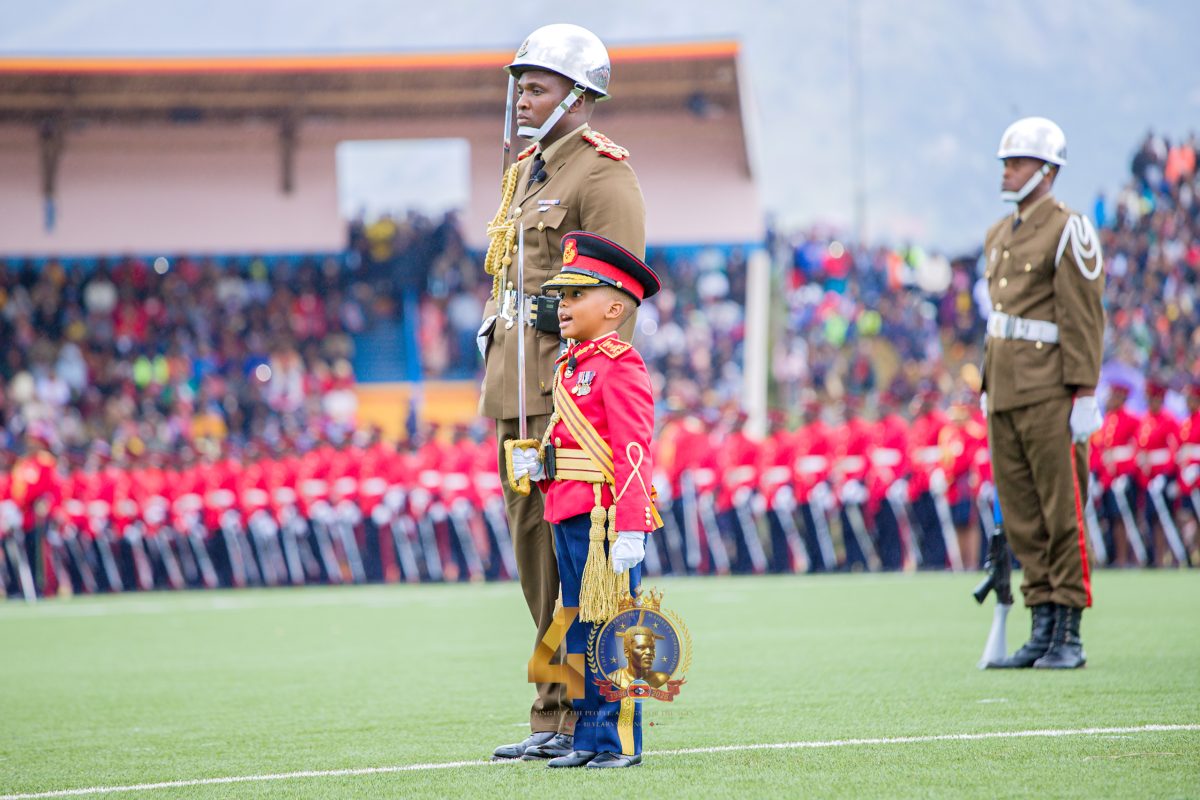
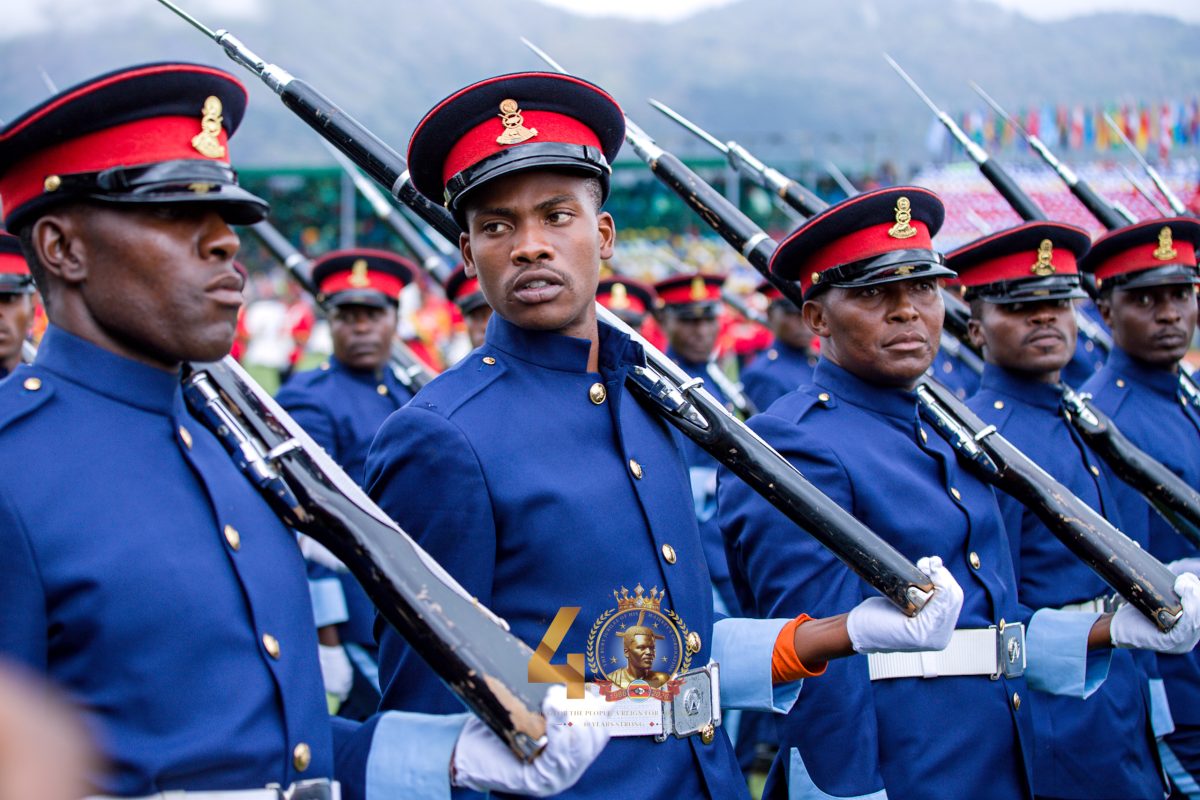
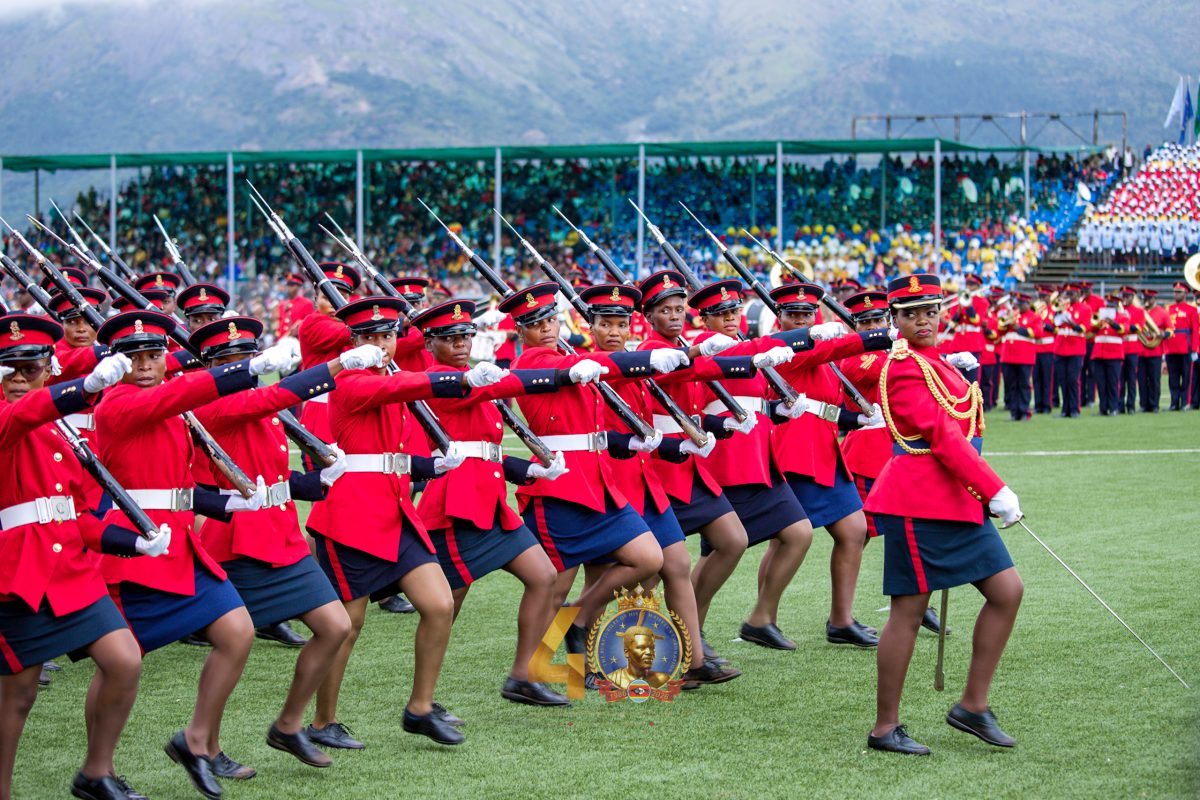
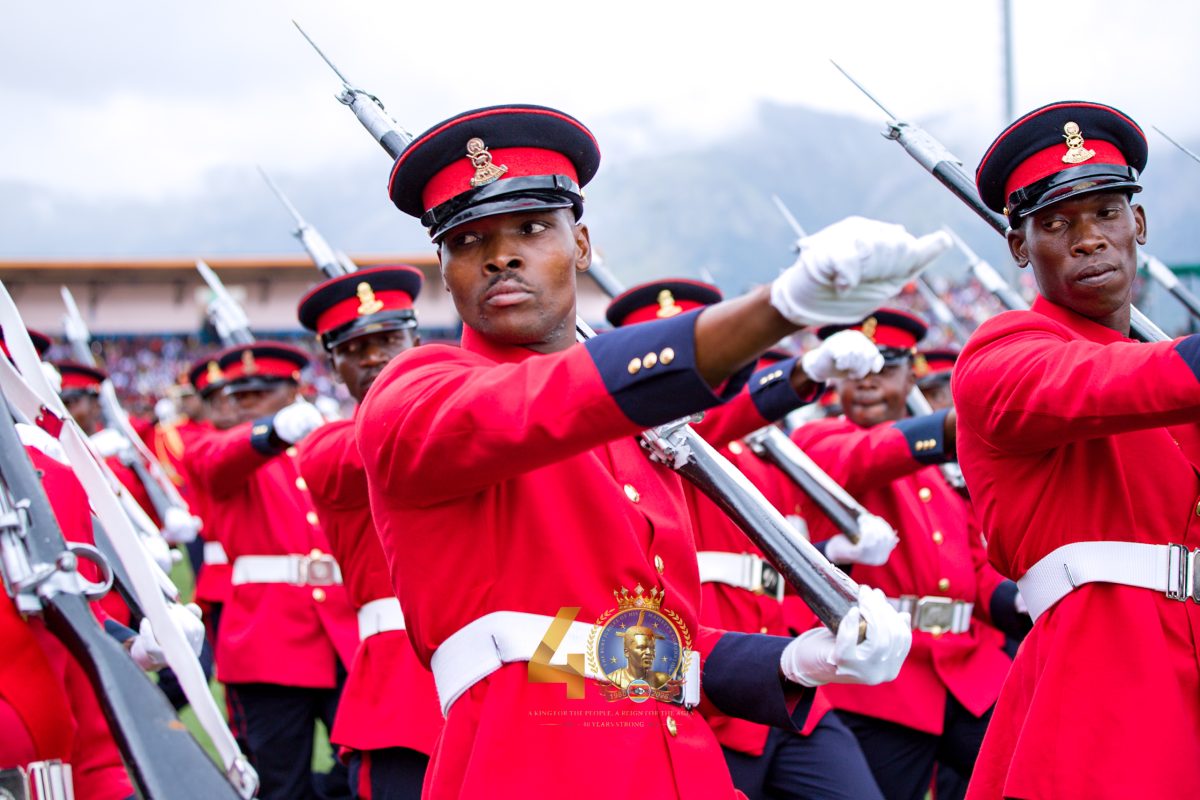
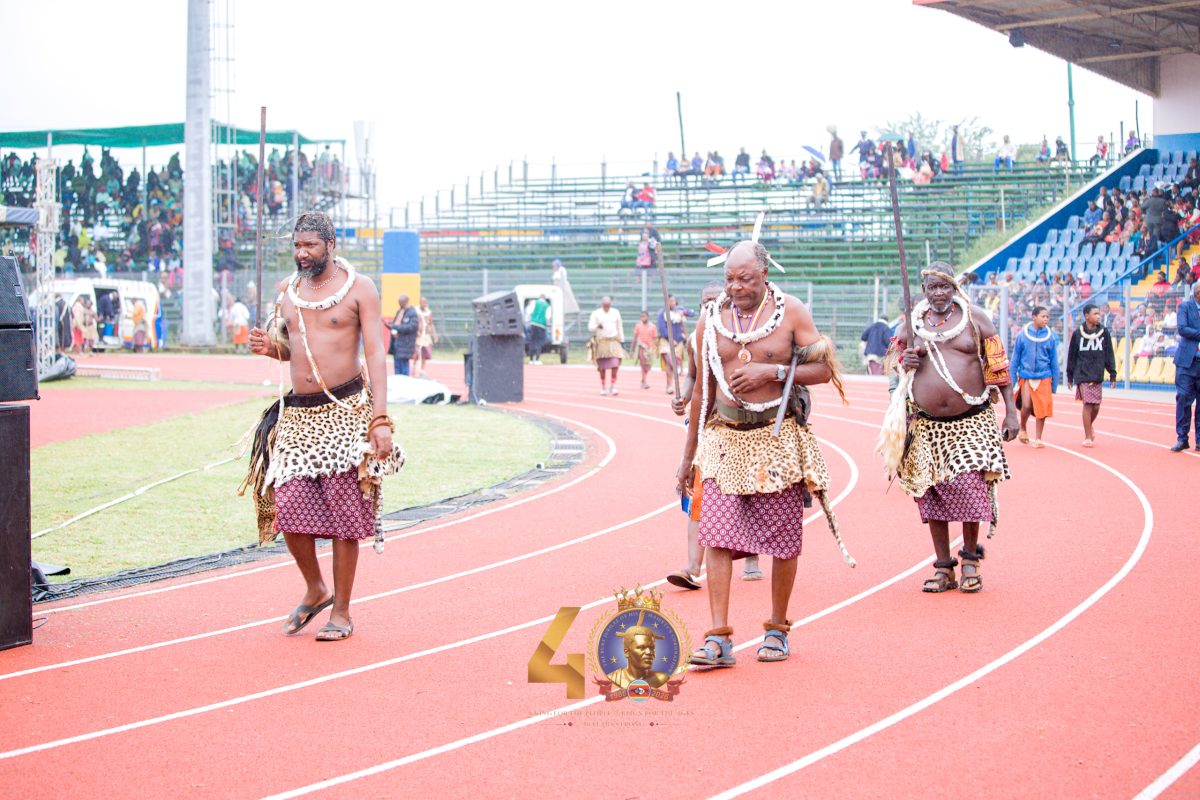
Despite chilly weather, Somhlolo National Stadium filled up as citizens from across the country joined Their Majesties, senior government officials, traditional leaders, regional representatives, diplomats and high-level guests for one of the most significant national celebrations in Eswatini’s modern history.
The double celebration was also graced by regional leaders, including President Duma Boko of the Republic of Botswana and President Emmerson Mnangagwa of the Republic of Zimbabwe, who arrived in the Kingdom on 23 April 2026 to join emaSwati in honouring the milestone. Other distinguished guests included representatives from neighbouring kingdoms, members of the diplomatic corps and leaders from across the region.
In his address, His Majesty described the occasion as “a sacred moment of national thanksgiving and reflection,” paying tribute to God, the ancestors and the loyalty of emaSwati who have sustained the Kingdom through four remarkable decades.
The King said Eswatini’s journey had been anchored in royal heritage, prayer and peace, adding that the bonds of friendship shown by visiting leaders reflected the mutual respect shared between Eswatini and other nations.
Reflecting on his reign since the coronation in 1986, His Majesty said the promise made to emaSwati was to follow in the footsteps of his predecessors, serve the nation, protect its traditions and uphold the values that define the Kingdom.
He paid tribute to King Sobhuza II, whose legacy, he said, shaped modern Eswatini through achievements and cultural protection that remain at the heart of national identity.
His Majesty also highlighted Eswatini’s decision to reclaim its name from Swaziland to the Kingdom of Eswatini, describing it as a defining step in reaffirming national identity, heritage, unity and pride.
On the economy, the King noted that at the time of his coronation, the country’s GDP stood at approximately E1.4 billion, while today it exceeds E95 billion. He said this growth was the result of collective determination, national consultation and development planning through instruments such as the National Development Strategy.
The King commended the business sector for helping grow and transform the economy, noting that manufacturing now contributes about 40% of GDP through agro-processing, textiles, sugar production and forestry. He further highlighted empowerment initiatives such as the Regional Development Fund, which has disbursed over E1.4 billion in non-refundable support, and FINCORP, which has extended over E10 billion in loans.
His Majesty also pointed to the growth of cooperative schemes, whose assets now exceed E3 billion, saying these initiatives reflect rising financial literacy and have played an important role in poverty reduction and community upliftment.
On infrastructure, the King said Eswatini’s paved road network had expanded dramatically from around 500 kilometres in 1986 to over 2,000 kilometres today. He also cited major national assets such as King Mswati III International Airport, Mavuso Trade and Exhibition Centre, the Royal Science and Technology Park, the Biotechnology Park and the forthcoming Strategic Oil Reserve.
The King further announced that the world-class International Convention Centre in Ezulwini would be launched, describing it as a facility expected to host major conferences, boost tourism and catalyse long-term economic growth.
In the social sector, His Majesty highlighted major progress in access to electricity, potable water, healthcare and education. He noted that electricity access has grown from about 5% of homesteads in 2003 to about 88% today, while the health sector has expanded from about six hospitals and 162 clinics in the 1990s to 16 hospitals and more than 330 health facilities.
The King also praised the country’s health gains, including global recognition for reaching the UNAIDS 95-95-95 targets ahead of the 2030 deadline, progress in preventing HIV infections, reduced mother-to-child HIV transmission and strides in malaria control.
Turning to the youth, His Majesty said no country that seeks development can ignore the need for an educated and empowered young population. He cited the expansion of higher education institutions, improved access to primary schools, youth development funding and initiatives such as the Ingwenyama Cup as part of efforts to expose young people to opportunities in sport, culture and diverse careers.
He encouraged the youth to work with government, become innovative and help build a brighter future, while acknowledging the challenge of unemployment and committing to continued efforts to change the situation.
His Majesty also reflected on Eswatini’s growing international presence, saying the country has steadily consolidated its sovereignty and strengthened its voice among the global community of nations. He reaffirmed Eswatini’s commitment to peace, development and international cooperation, guided by the country’s foreign policy principle: “Asinasitsa — we have no enemies.”
The King said the past four decades had also seen progress in gender equality, noting improvements in adult female literacy, women’s representation in Parliament and the growing participation of women in the workforce.
As the nation marked the Ruby Jubilee, His Majesty said leadership is not measured by time alone, but by the legacy built and the future prepared. He called on emaSwati to continue preserving peace, unity, culture and national pride while working together to address remaining challenges.
The celebrations at Somhlolo National Stadium formed part of a wider national programme that included regional roadshows, school culture education activities, community voices, rehearsals, the Gift Day Presentation at Mandvulo Grand Hall and digital documentation through the official 40 Years platforms.
The full speech is downloadable here.
Bayethe Wena Waphakathi.