
BY SIBUSISIWE NDZIMANDZE | JOURNALIST
MANZINI — High input costs remain one of the biggest barriers keeping young people out of farming, and Phase III of the Financial Inclusion and Cluster Development (FINCLUDE) Step-Up Youth Input Support Programme is seeking to change that after disbursing E600,000 to 100 young farmers across Eswatini, with 25 beneficiaries in each of the country’s four regions.
The intervention where each beneficiary got E6,000 is aimed at strengthening production capacity among young farmers while easing the high cost of agricultural inputs, one of the most persistent barriers to youth participation in farming.
The programme is implemented by the Centre for Financial Inclusion (CFI) in collaboration with the Eswatini National Agricultural Union (ESNAU), the International Fund for Agricultural Development (IFAD) and the Ministry of Agriculture.
ADDRESSING A STRUCTURAL BARRIER
The support comes against the backdrop of continuing financial constraints facing young people seeking to enter agriculture. A 2023 survey conducted by ESNAU found that about 50 percent of young people struggle to access the financial resources needed to start or sustain a farming business.
It is within this context that the Step-Up programme has been positioned as a targeted intervention to lower entry barriers, unlock production potential and help young farmers translate ambition into viable enterprises.
STRUCTURED SUPPORT FOR PRODUCTION
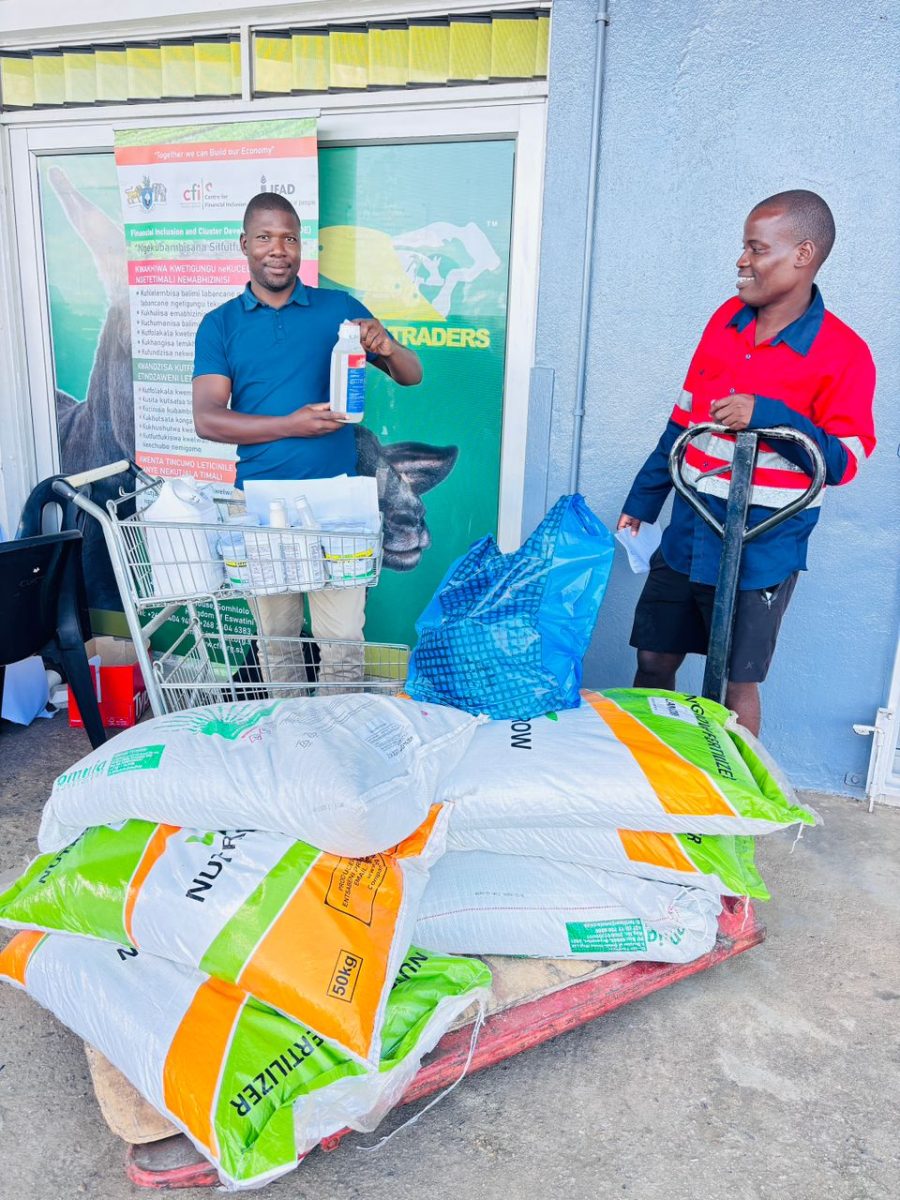
Beneficiaries signed formal contracts before proceeding to redeem their input packages from approved suppliers, including Khuba Traders and SAAB distributor. The arrangement is designed to promote accountability while linking young farmers directly to input markets.
The Phase III rollout builds on a youth-focused input subsidy initiative launched in May 2023 under the broader FINCLUDE programme, which seeks to improve access to finance, inputs and market opportunities for rural farmers, particularly the youth.
According to IFAD supervision reporting, 174 young farmers had already benefited from subsidised agricultural inputs under earlier phases of the Youth Step-Up Programme. With the latest cohort added, the programme’s cumulative reach now stands at approximately 274 youth beneficiaries nationwide.
DISCIPLINE AND BUSINESS MINDSET EMPHASISED
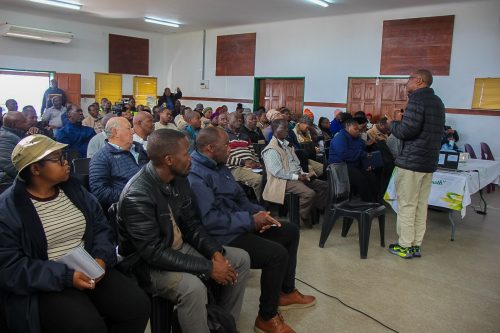
Speaking during the event, ESNAU Chief Executive Officer Tammy Dlamini urged beneficiaries to approach farming with discipline and professionalism, stressing the importance of proper record keeping.
He also encouraged beneficiaries to build networks among themselves, form groups and begin planning for value addition, noting that in the future they should explore opportunities such as producing chicken dust to maximise returns from their production.
“Whenever you go to the field, there must be proper record keeping,” Dlamini said. “You should also take the initiative to communicate with extension officers instead of waiting for them to come to you.”
He said proper documentation of farming activities and finances was essential for measuring performance and making informed decisions, adding that young farmers needed to treat agriculture as a business rather than a side activity.
FROM SUPPORT TO SCALE
The Youth Chairperson of ESNAU, Gcina Dlamini reinforced the message, urging beneficiaries to view the support as a starting point rather than an end in itself.
“This support should be seen as a starting point,” he said. “Use the seed provided, scale your production and venture into value addition so that you can build sustainable agribusinesses.”
His remarks underscored the programme’s broader focus on moving young farmers beyond primary production and into commercially driven agriculture.
LESSONS FROM PREVIOUS BENEFICIARIES
Insights from earlier phases of the programme also highlighted the importance of gradual and disciplined growth.
Earnest Mahlalela, a Phase II beneficiary of the FINCLUDE Youth Step-Up Input Support Programme, advised the new cohort to scale their operations step by step and avoid overextending themselves financially.
“Start step by step when buying agricultural inputs,” Mahlalela said. “Good management is important. Young farmers must avoid overextending themselves and instead grow sustainably by investing gradually. That approach has helped me reach a point where I now produce 7,000 cabbages.”
His testimony offered a practical example of how patient reinvestment and sound management can translate support into measurable growth.
YOUTH CONFIDENCE AND IMPACT
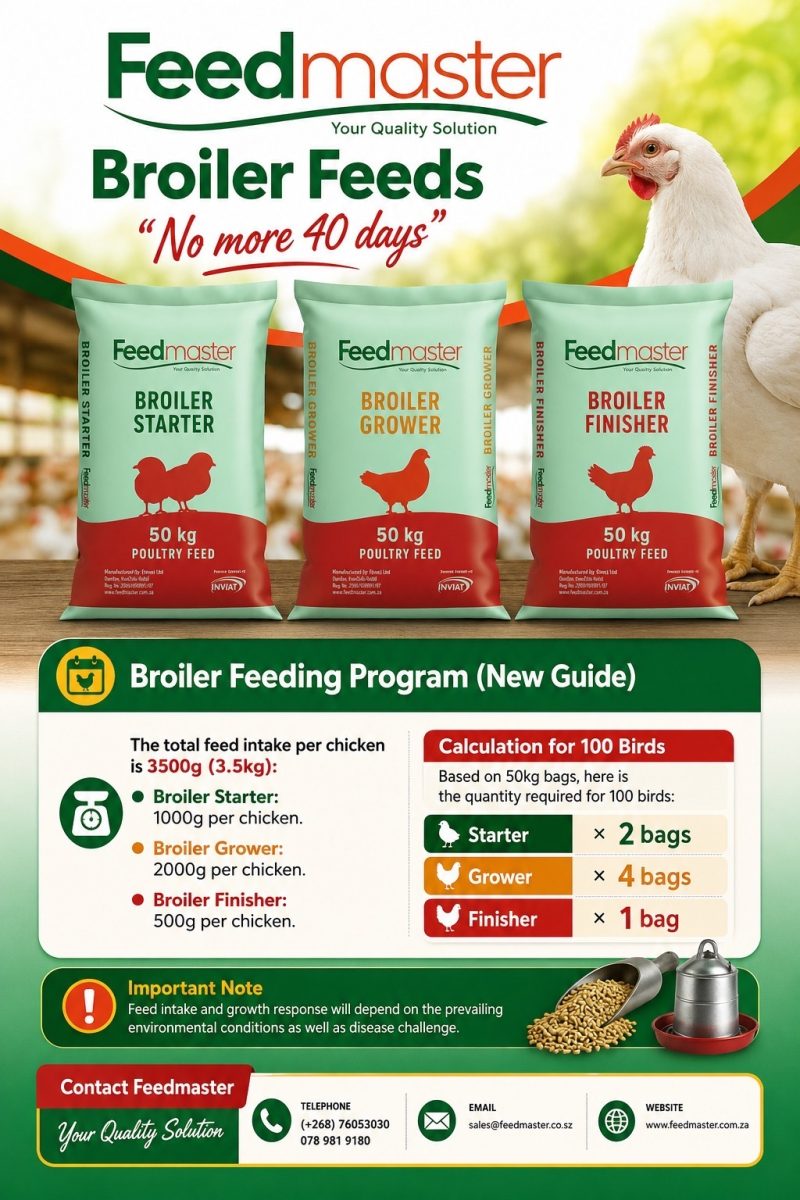
Among the Phase III beneficiaries is Meluleki Mkhonta from Mankayane, who is involved in broiler production, tomato farming and oyster mushroom cultivation.
Mkhonta described the support as timely relief in the face of rising input costs, saying it would help him sustain and expand his agribusiness.
“This grant will help me continue with my business because I have been struggling financially due to the high cost of farming inputs,” he said.
For young farmers such as Mkhonta, the programme represents both immediate support and an opportunity to maintain momentum in enterprises that might otherwise be constrained by limited capital.
BUILDING A PIPELINE OF AGRIPRENEURS
The FINCLUDE Step-Up Youth Input Support Programme is increasingly emerging as a targeted intervention to unlock youth participation in agriculture by lowering entry barriers and strengthening production capacity.
Beyond input provision, the programme is positioning young farmers to transition into commercially viable agribusinesses through a mix of financial support, institutional partnerships and mentorship.
As the latest cohort begins utilising its input packages, attention now shifts to productivity, market access and sustainability key factors that will determine whether the investment translates into long-term agribusiness growth.