

BY: SIBUSISIWE NDZIMANDZE | JOURNALIST
LUVE — Poor dietary habits, heavy dependence on starchy staple foods, and low consumption of proteins, fruits and vegetables have emerged as key nutrition challenges in communities, prompting a new push to promote indigenous crops as part of the solution.
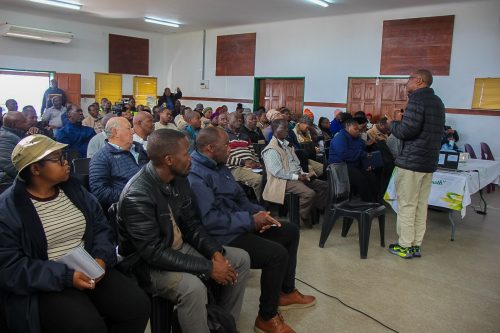
This was highlighted during a community food diversification engagement held at the Luve Forestry Tree Nursery, Mkhiweni Inkhundla as part of an initiative promoted by the Mbuluzi Ecosystems Restoration Project aimed at improving nutrition, strengthening household food security and encouraging the use of locally available foods.
The initiative will also be rolled out in other communities including Shewula, Lomahasha and Nkhaba, and is aligned with platforms such as the NAMBOARD Farmer Road Shows to expand outreach and engagement with farmers.
A baseline assessment under the project found that many households still rely mainly on starchy foods, with limited dietary diversity a situation that has contributed to poor nutrition and the need for practical, community-based solutions.
Speaking during the event, Phephile Zwane, a Nutrition Officer from the Home Economics Department, encouraged horticulture farmers to turn to indigenous crops both for household consumption and for the market.
“We encourage horticulture farmers to farm indigenous crops to consume and for commercial purposes, as this will help them improve diets using locally available foods,” said Zwane.
She added that growing and consuming indigenous crops can also help households save costs, as these foods are readily available locally and reduce reliance on expensive, store-bought alternatives.
The initiative is designed to respond directly to these challenges by promoting crops that are naturally suited to local conditions and rich in nutritional value.
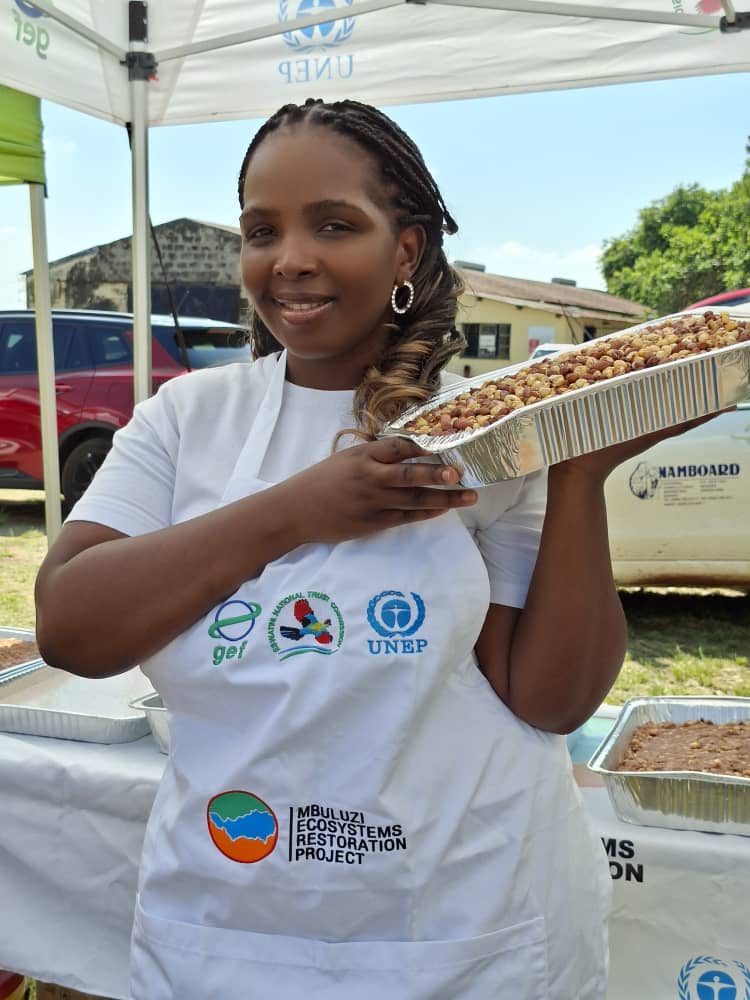
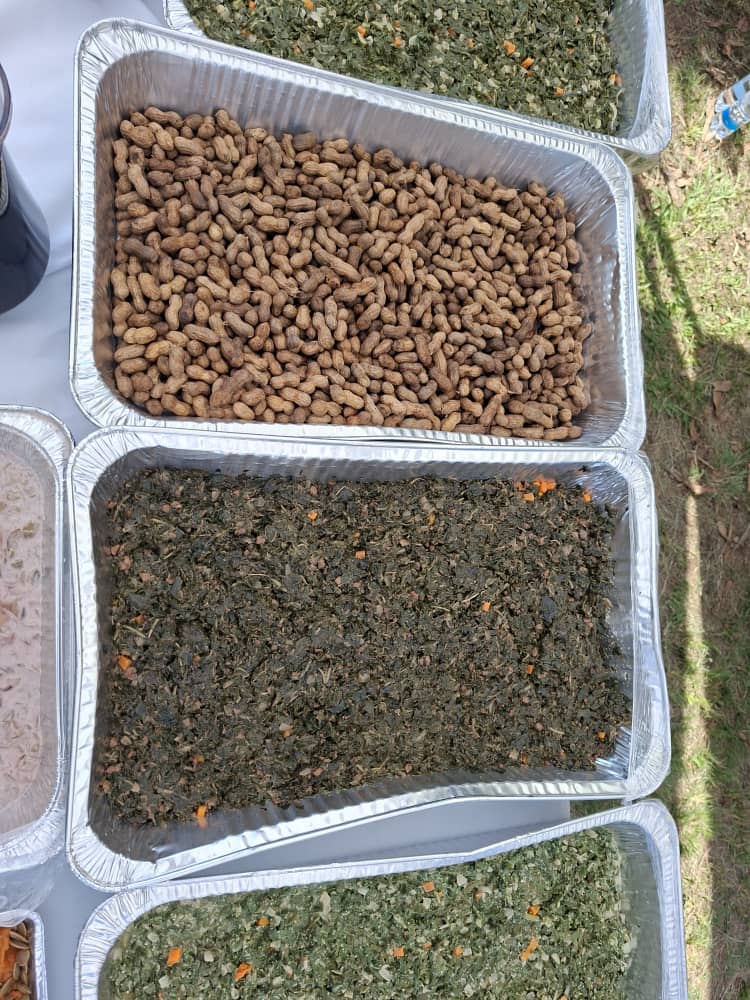
During the engagement, a variety of indigenous food was prepared and served to farmers, including siphuphe, umbhidvo and tincheke, giving participants a practical experience of how traditional foods can be incorporated into everyday diets.
One of the farmers, Mphiwa Dlamini from Nhlambeni, said the food reminded him of the past and raised concerns about changing eating habits.
“This food brings back memories of what we used to eat as children. We were hardly sick because of this. Nowadays, people get sick more often because the food we consume has chemicals,” he said.
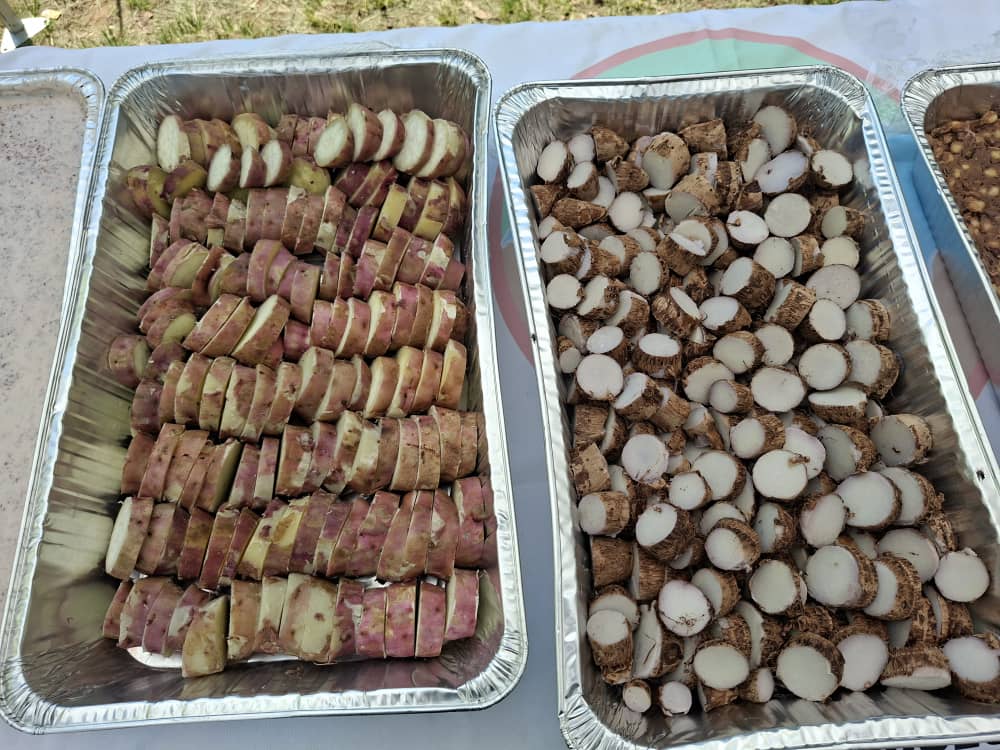
Community members and farmers were also introduced to traditional crops such as amaranth, African nightshade, okra and jute mallow, with demonstrations on how they can be prepared into nutritious meals using simple and accessible methods.
According to Liyanda Hlatshwayo, Communications Officer of the Mbuluzi Ecosystems Restoration Project, the programme goes beyond nutrition and speaks to broader development goals.
“Improving dietary diversity is not only about nutrition; it is also about restoring our relationship with indigenous foods, strengthening livelihoods, and building resilience to climate change,” said Hlatshwayo.
The Mbuluzi Ecosystems Restoration Project is funded by the Global Environment Facility, with technical support from the United Nations Environment Programme, and is executed by the Eswatini National Trust Commission in collaboration with the Ministry of Agriculture and local partners.
Expected outcomes include increased awareness of diverse food groups, improved nutrition knowledge, greater appreciation of indigenous crops, and strengthened household food security.