
BY: SIKHONA SIBANDZE | JOURNALIST
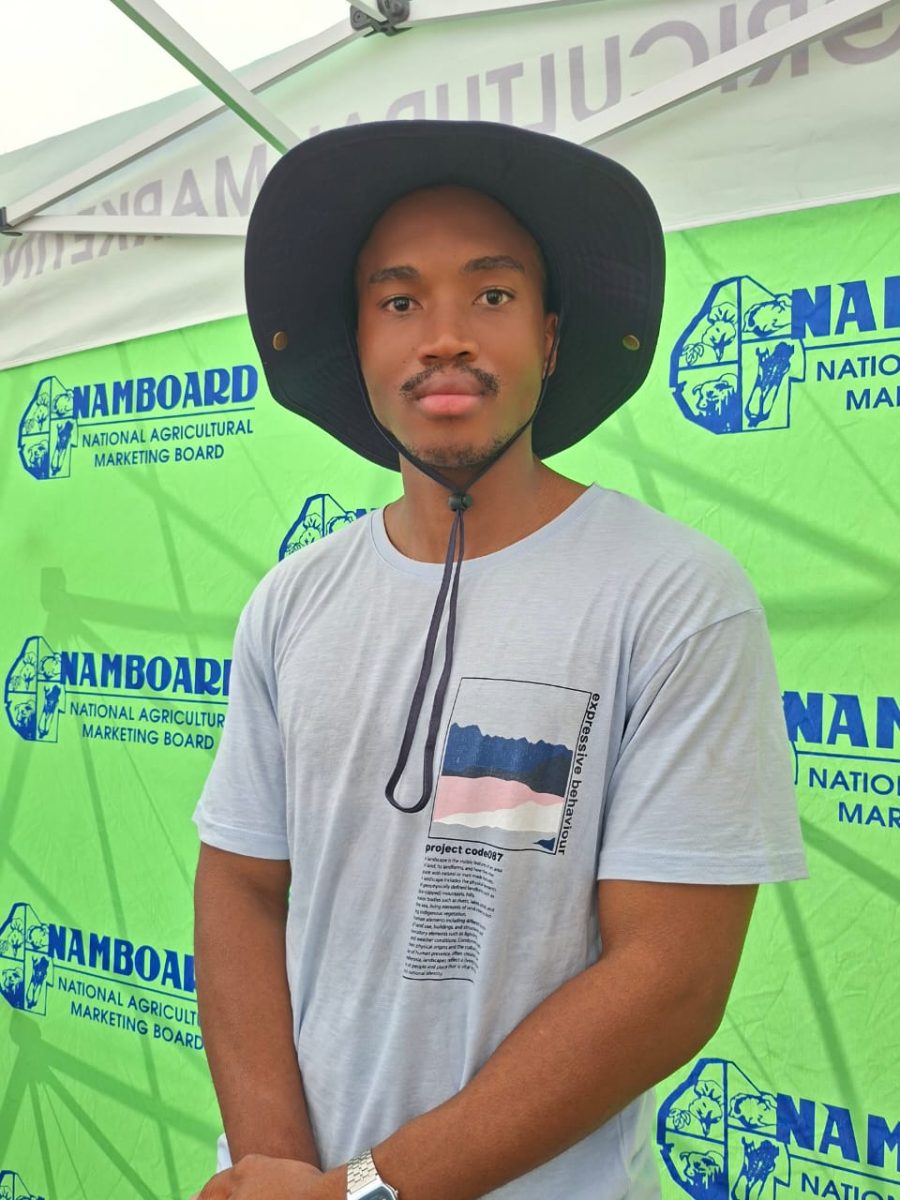
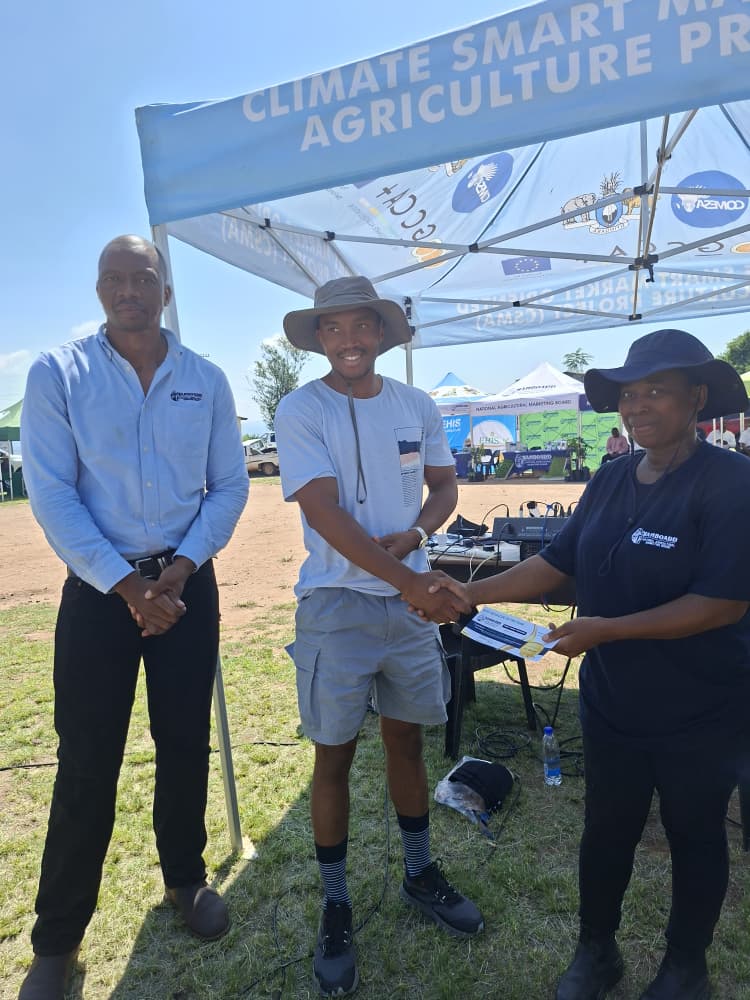
LUVE — Consistency in supply, commitment to quality and a strong understanding of market needs helped Bonga Fakudze of Ngonini Farm Produce at Nhlambeni emerge as the top farmer in the Manzini region, earning recognition during the NAMBoard roadshow held at Luve Forestry Tree Nursery.
Fakudze received the first prize of an E5,000 input voucher after being recognised as the leading farmer among three producers honoured for exceptional performance in supplying fresh produce to the National Agricultural Marketing Board (NAMBoard). He was recognised alongside Lomveshe Enterprise and Kholi Nkambule. His success was largely attributed to one major strength: his ability to supply cucumbers and lettuce consistently throughout the year.
Year-round supply makes the difference
After receiving the award, Fakudze said his consistency in supplying cucumbers to NAMBoard throughout the year is what set him apart. He revealed that from January to December last year, he delivered a total of 44 tonnes of cucumbers. “Last year, I grew and supplied 44 tonnes of cucumbers to NAMBoard from January to December, and that is what made me the top farmer today,” he said.
The award reflected not only the quantity of produce supplied, but also the discipline required to remain consistent over a long period, especially in a farming environment increasingly affected by climate change and market pressures.
Climate-smart farming at the centre of production
Fakudze, who farms at Nhlambeni Ngonini, said he grows three hectares of cucumbers and lettuce under tunnels, a method he adopted because of changing weather patterns. He said tunnel production has become important in protecting crops and maintaining reliable supply, while outside the tunnels he grows cabbages and garlic on a small scale.
To sustain production, Fakudze uses a drip irrigation system inside the tunnels and sprinklers outside, helping him manage water efficiently and maintain crop quality. His farming model shows how protected agriculture and proper irrigation are becoming increasingly important for horticulture farmers who want to produce consistently and meet formal market requirements.
‘Consistency is key to success’
For Fakudze, farming success is built on more than planting and harvesting. He said discipline, planning and research are all critical. “Consistency is key to success,” he said.
He also encouraged farmers to take time to understand the science behind farming, saying agriculture should be approached as both a business and a technical field. “Farmers need to do research. Farming is all about science,” he said. “Farmers need to understand the crop, their fertiliser and the soil pH levels. They should also do market research, talk to NAMBoard, understand what they want, and when choosing varieties, choose those that can grow best in your area.” His remarks highlighted the importance of aligning production with market demand, rather than growing crops without a clear understanding of buyer expectations.
Expansion plans held back by market gap
Although he has already built a strong horticulture enterprise, Fakudze said he is looking ahead to expanding his garlic production. He said he wants to grow up to three hectares of garlic, but the lack of a market for garlic at NAMBoard remains a challenge.
“What is stopping me now is that there is no market for garlic on NAMBoard, but once there is, I will start growing more and supply to NAMBoard,” he said. His comments pointed to the broader challenge many farmers face, the need for assured markets before expanding into new crops at commercial scale.
Youth urged to venture into farming
Fakudze also used the occasion to encourage young people to consider agriculture as a serious business opportunity. He said youth should venture into farming and explore opportunities in supplying produce to NAMBoard, adding that agriculture can offer sustainable livelihoods when approached with commitment, research and a business mindset. His message comes at a time when there is growing emphasis on attracting more young people into agribusiness and making farming more commercially driven.
NAMBoard stresses quality and reliability
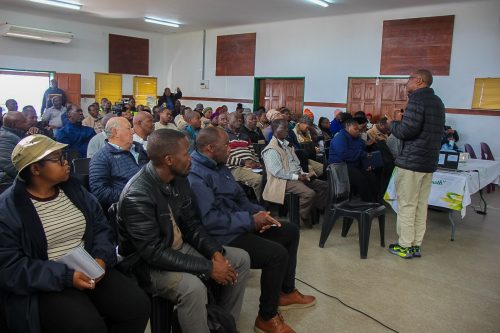
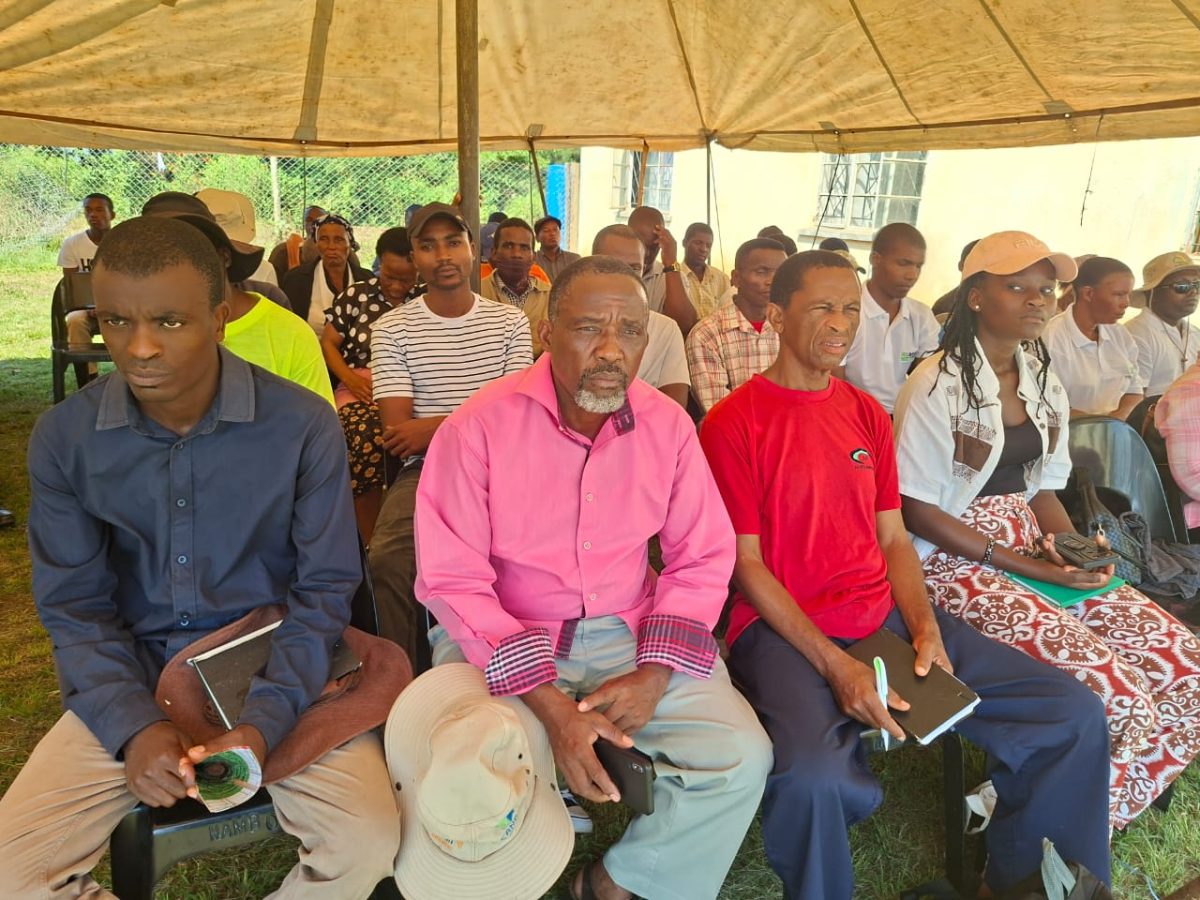
The recognition of Fakudze came during NAMBoard’s roadshow in Luve, where the organisation honoured three farmers who have demonstrated exceptional performance in supplying fresh produce. Speaking on behalf of the Chief Executive Officer, NAMBoard Safety, Health, Environment and Quality (SHEQ) Manager Ncobile Gama said quality remains one of the most important requirements for farmers who want to supply the market through NAMBoard.
She said the awards were designed not only to reward top performers, but also to inspire other farmers to improve their standards.
“These awards not only reward excellence, but also encourage other producers to increase consistency, quality and volume in their supply to the market,” said Gama. She emphasised that farmers who want to produce for NAMBoard must pay careful attention to quality if they are to meet market expectations.
A win built on discipline and market awareness
Fakudze’s recognition ultimately reflected the qualities NAMBoard wants to see from its suppliers, consistency, quality, reliability and an understanding of what the market demands.
His story shows that success in modern horticulture is no longer just about growing crops. It is about adapting to climate change, investing in the right production systems, understanding the science of farming and supplying the market consistently over time.
For Ngonini Farm Produce, the award was a mark of achievement. For other farmers, it was a reminder that in commercial agriculture, consistency and quality remain the foundation of success.