
BY: PHESHEYA KUNENE | EDITOR
NGCULWINI — Eswatini Coffee is building a climate-smart coffee value chain that links smallholder farmers, university researchers, local processing and regional buyers in an effort to turn coffee into a serious commercial crop for the country.
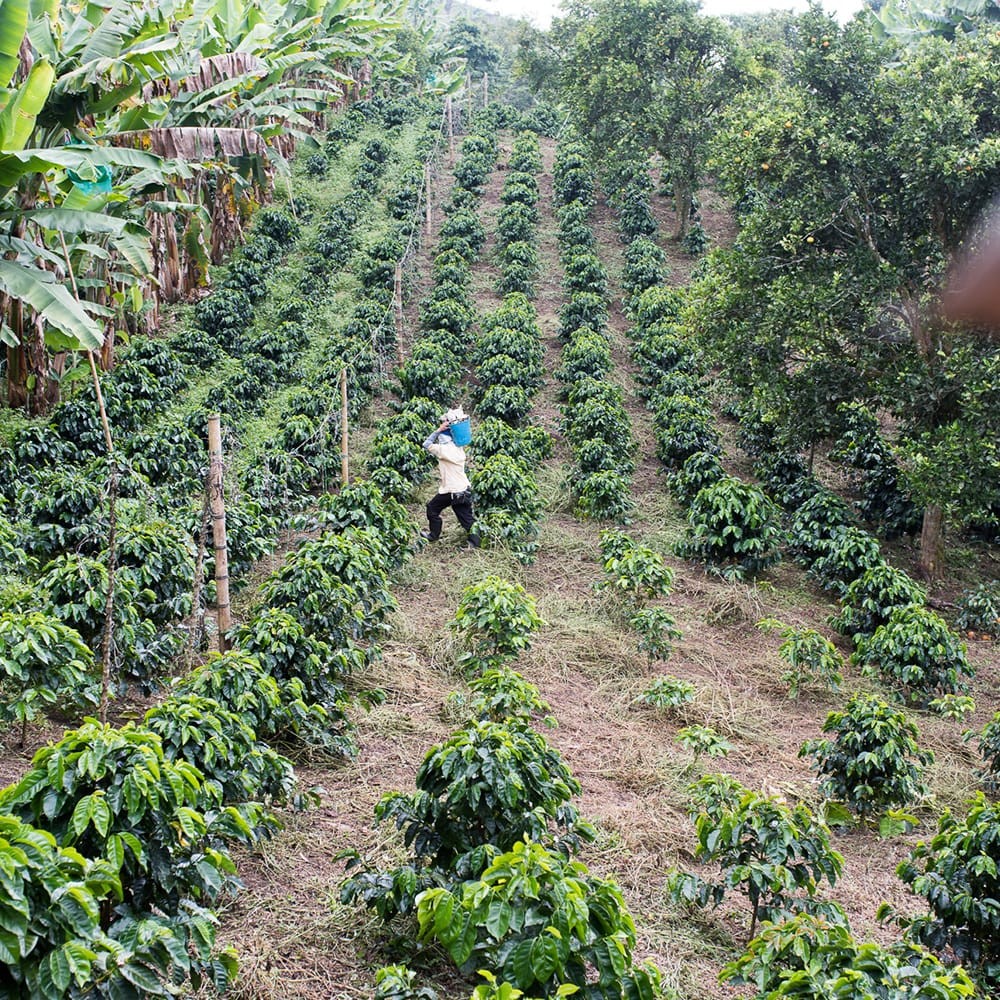
Founded by Patrick Dupont in 2017, the enterprise promotes shade-grown coffee farming, where coffee is planted under indigenous and fruit trees instead of clearing natural vegetation. The model supports soil protection, moisture retention, food production and income diversification.
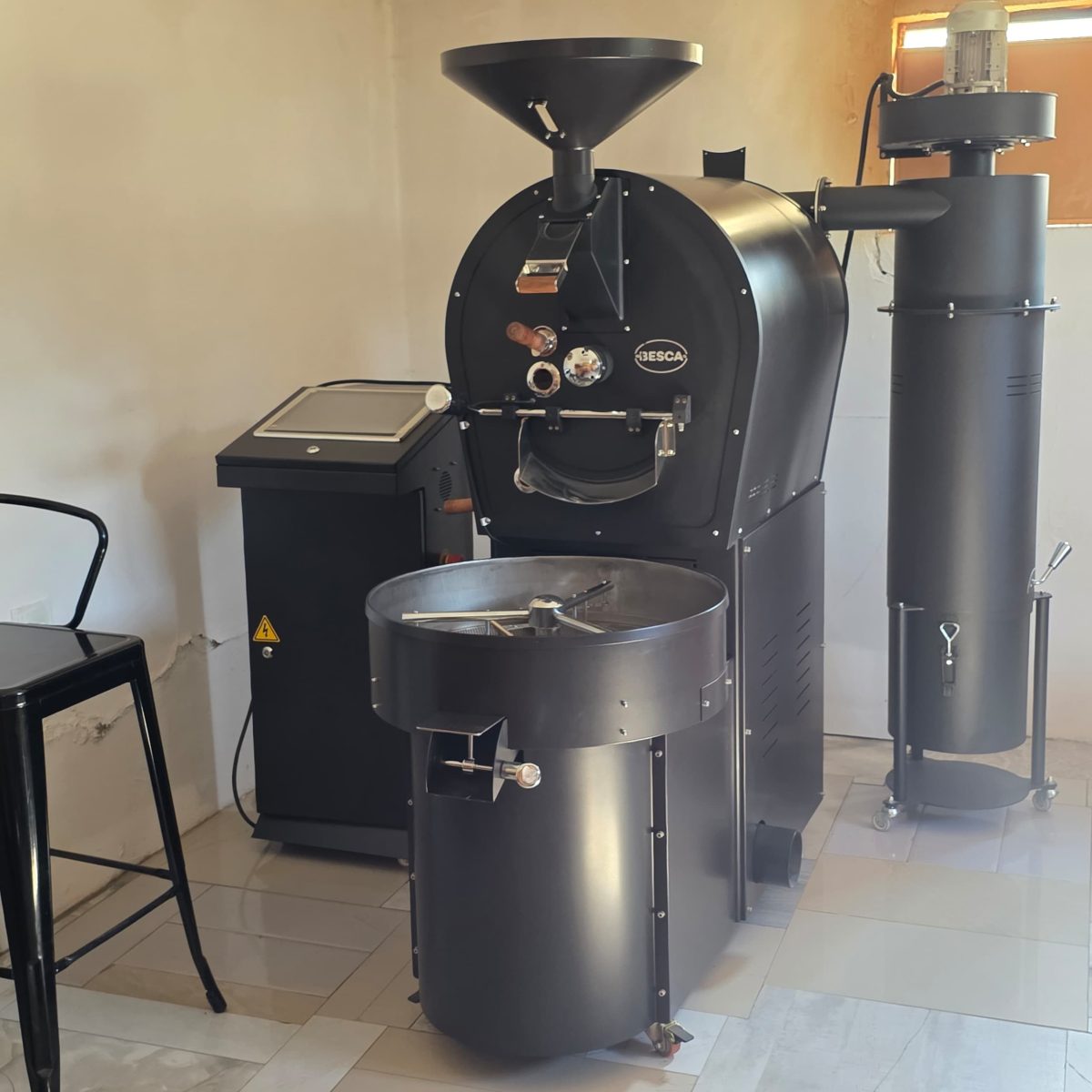
At its Ngculwini demonstration farm and larger Lwandle site, Eswatini Coffee is showing farmers how coffee can move from nursery to field, wet mill, drying racks, grading table, roasting machine and finally the cup.
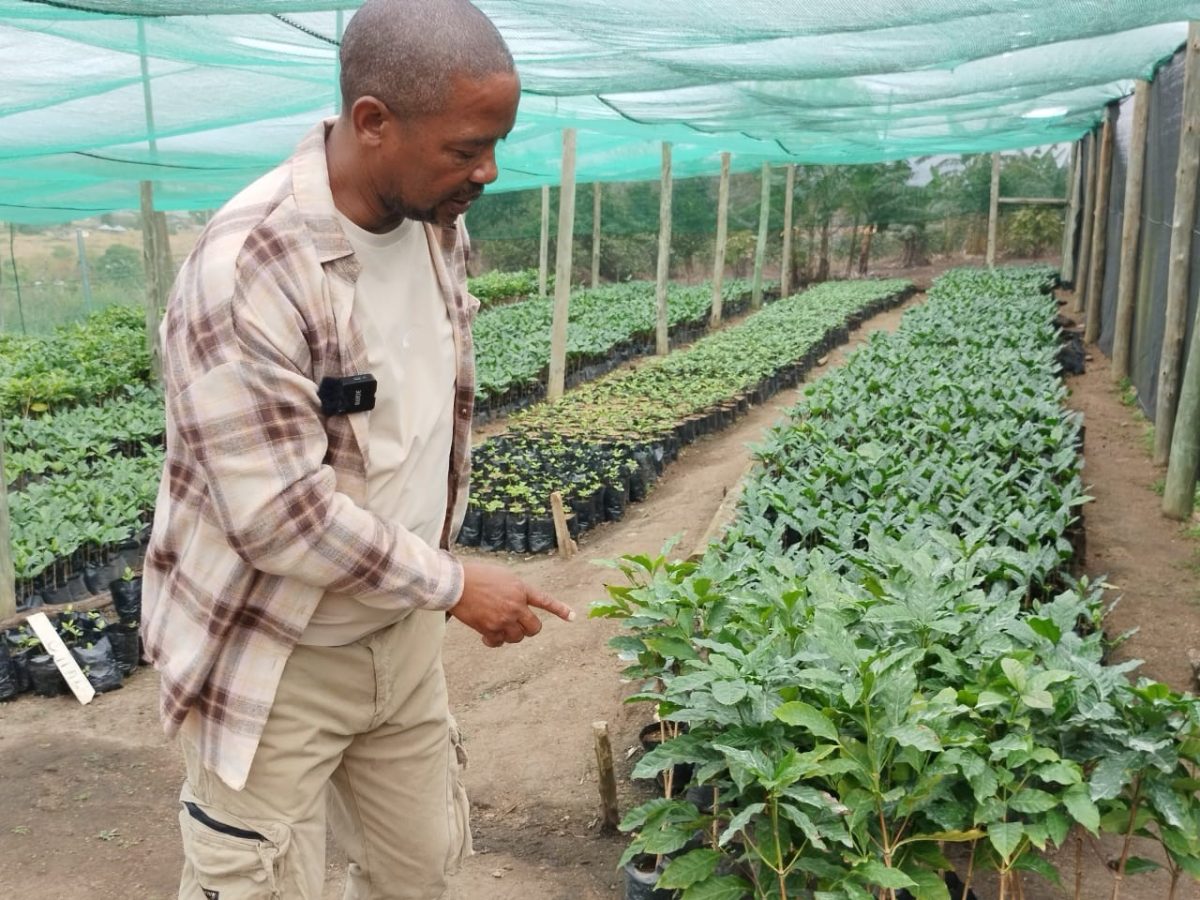
The Ngculwini nursery plays a central role in the model. Eswatini Coffee nurtures coffee seedlings before supplying them to growers across the country, ensuring farmers receive healthy, vigorous planting material capable of producing quality coffee.
Dupont said patience in the nursery is one of the most overlooked ingredients of successful coffee farming.
“The longer the tree develops properly in the nursery, the quicker it establishes once planted,” he said.
He explained that allowing seedlings to mature before transplanting enables them to produce cherries sooner than plants moved into the field prematurely.
Dupont said coffee must be treated as a commodity with a complete value chain, not merely as another crop.
“Coffee is not about coffee only,” he said. “It is about farming, food sovereignty, organic production and commercial agriculture. Every farmer must make every hectare work harder.”
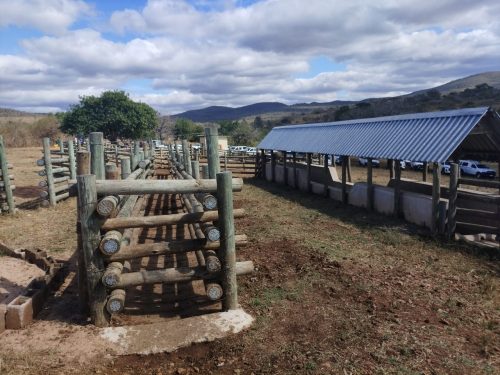
The Ngculwini farm, covering about one hectare, serves as a practical training centre for farmers, students and development partners. The larger Lwandle farm, spanning about 4.2 hectares, follows the same climate-smart production model while demonstrating commercial-scale coffee farming.
Today, Eswatini Coffee works with more than 130 smallholder farmers in over 128 communities, including Lwandle, Jubukweni and Maliyaduma. Growers receive seedlings, technical support and continuous training before selling their coffee cherries back to Eswatini Coffee for processing, roasting and marketing.
Demand is already running ahead of production.
A Mozambican buyer has submitted a Letter of Intent to purchase 20 tonnes of Green Arabica coffee beans, adding to growing regional interest generated through exhibitions and trade partnerships in Kenya, South Africa and other African markets.
“The challenge is that demand is growing faster than production,” Dupont said. “We need more farmers, more coffee trees and greater volumes of high-quality coffee.”
Supported by partners including the European Union, the International Trade Centre (ITC), the Eswatini Investment Promotion Authority (EIPA) and the African Continental Free Trade Area (AfCFTA), Eswatini Coffee is positioning the country as a producer of premium, shade-grown Arabica coffee rather than competing with the world’s largest coffee-producing nations on volume.
His strongest message to farmers, however, is about protecting the environment.
“Do not destroy natural forests,” Dupont said. “Remove invasive plants, but do not cut down indigenous trees. They protect the coffee.”
Shade trees regulate temperature, retain soil moisture and reduce erosion, while intercropping with bananas, mangoes, avocados, papayas and vegetables enables farmers to harvest food and earn income as their coffee trees mature.
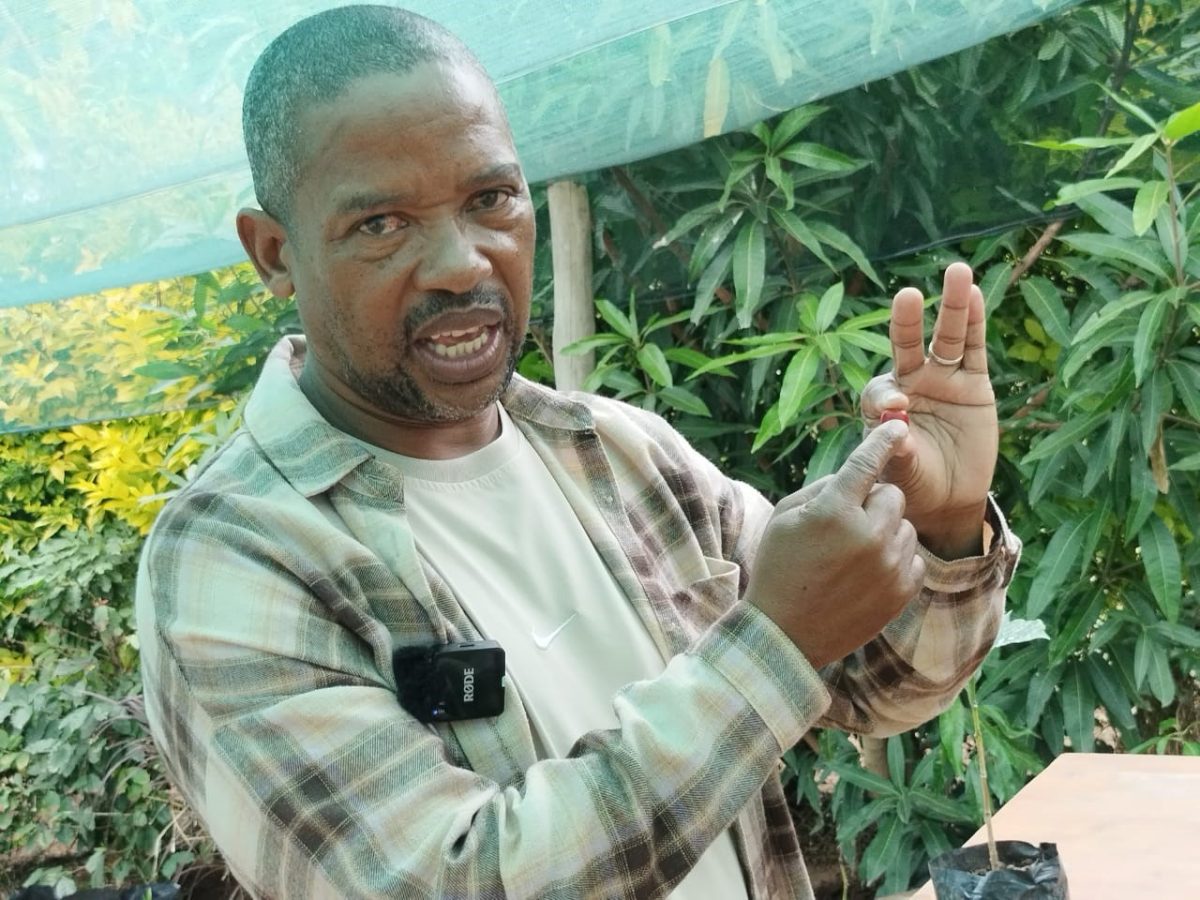
He also encourages growers to use coffee plants as living hedges around homesteads and fields.
“Your hedge must also bring something home,” he said.
Coffee demands patience. Seedlings can remain in the nursery for up to two years before planting, but that investment in time shortens the period to first production once they are established in the field. Well-managed trees begin producing commercially after about three years and can remain productive for decades.
At Ngculwini, visitors are taken through every stage of the cherry-to-cup process—from nursery management and shaded field production to wet milling, natural processing, drying, grading, moisture testing, roasting and brewing.
Junior Dupont demonstrated how green coffee is tested for moisture before being roasted into light, medium and dark profiles, while barista Luyandza Zwane showcased the final stages of grinding and brewing that complete the value chain.
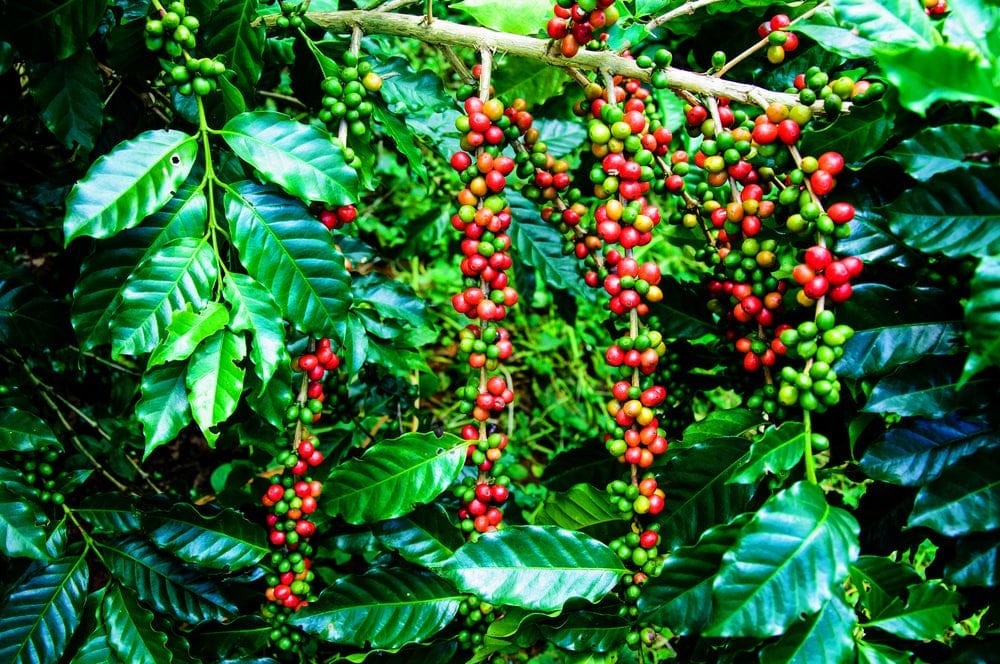
The enterprise is also strengthening its partnership with the University of Eswatini’s Luyengo Campus through the ARISE Project, linking practical farming with biotechnology, greenhouse research and student training to improve coffee production and farmer support.
For Eswatini’s farmers, the message is clear: coffee is not a quick-return crop, but it is a long-term investment capable of generating income while protecting the environment, improving food security and creating opportunities throughout the value chain.
The market already exists. The challenge now is producing enough coffee to supply it.