
BY: PHESHEYA KUNENE| EDITOR
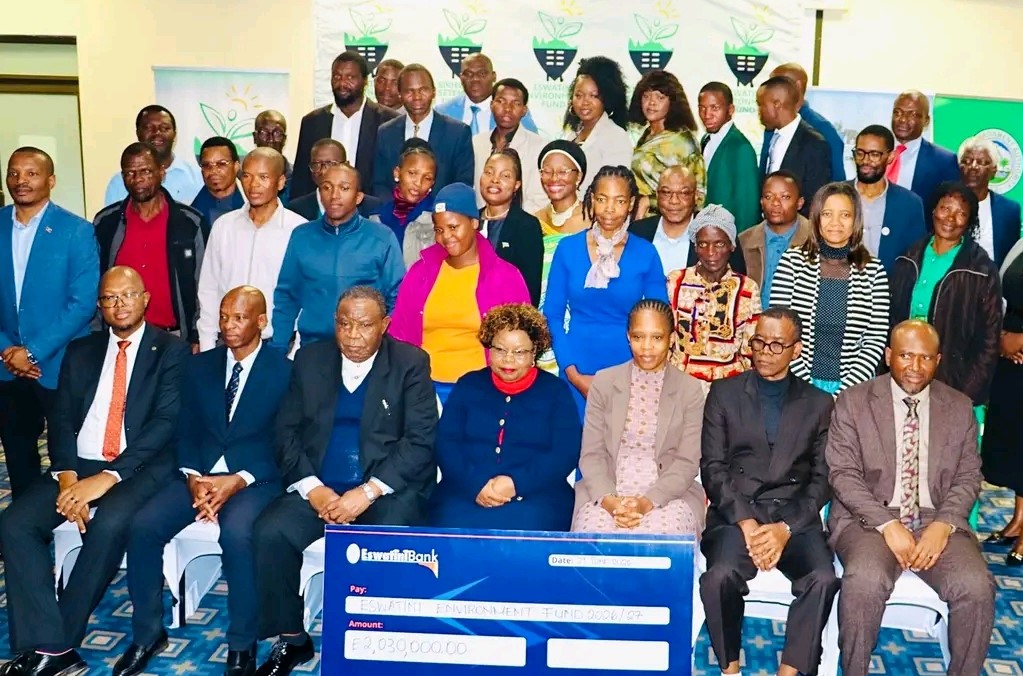
MANZINI – With more than E12 million already invested in 90 community environmental projects over the years, the Eswatini Environment Fund is now channelling a further E2.03 million into eight new projects aimed at helping farmers, livestock owners and rural communities withstand climate shocks, including the looming threat of El Niño.
As dry spells, soil erosion, water shortages and degraded grazing lands continue to squeeze agricultural production, the Fund is placing money where climate pressure is felt first: in communities that depend on wetlands, healthy soils, indigenous plants, clean water and productive land to survive.
The latest funding cycle attracted 186 applications, but only eight projects were approved after a rigorous evaluation process. The selected projects span all four regions of Eswatini and focus on wetland protection, donga rehabilitation, rainwater harvesting, waste management, indigenous plant conservation and climate-smart community development.
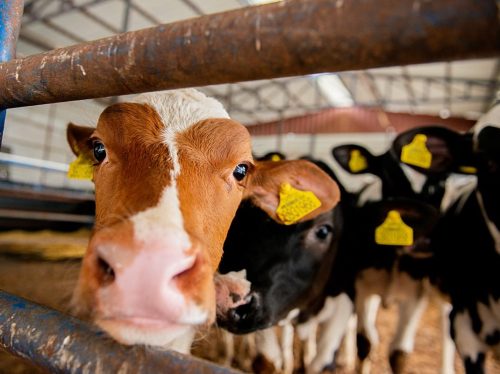
For farmers, this is not abstract environmental talk. It is about keeping cattle alive, protecting vegetable gardens, saving cropland from dongas, harvesting water before drought bites and restoring ecosystems that support food production.
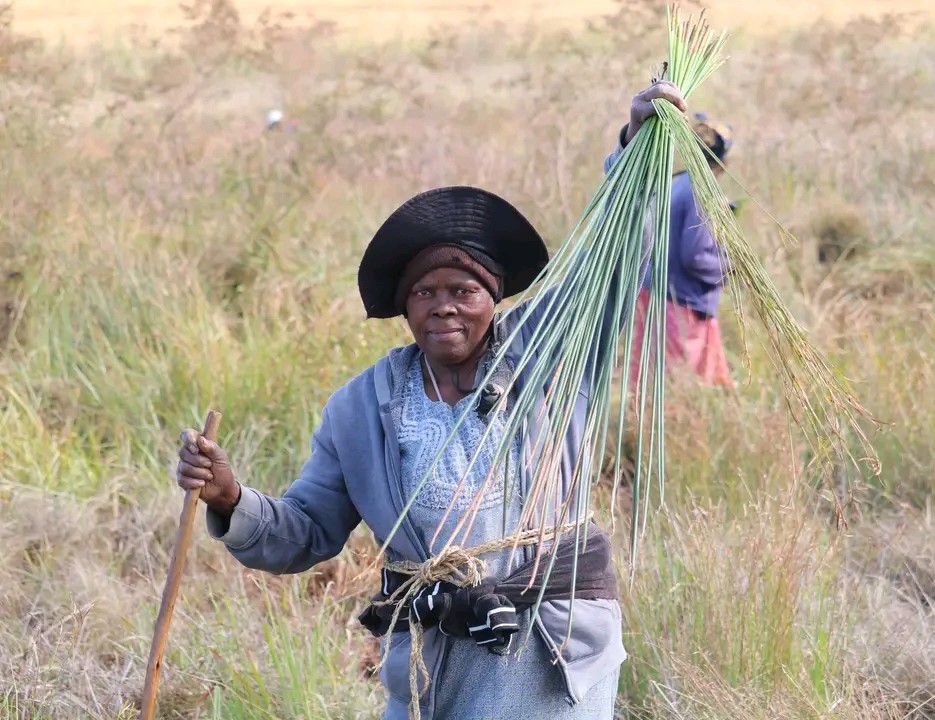
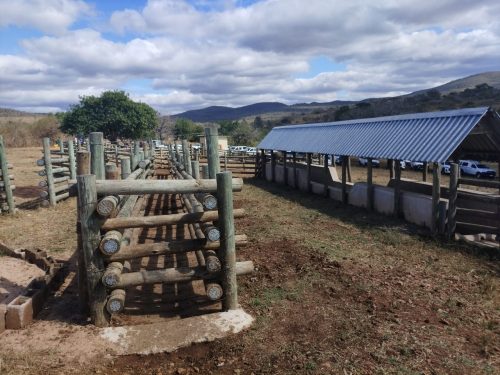
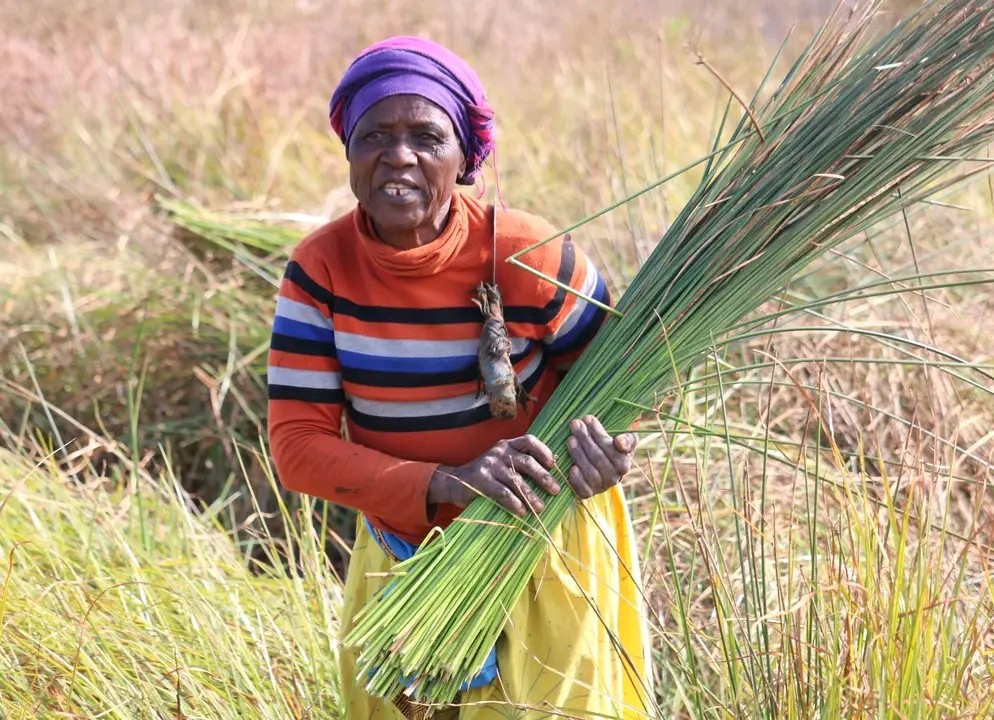
Among the key interventions is the Madvohane Wetland Management Project in Gebeni, which received E300 000 to fence and protect a wetland serving more than 100 homesteads. The project will restore lost indigenous wetland plants, construct livestock drinking troughs away from sensitive areas and develop a wetland management plan.
In Shiselweni, the KaLiba Wetlands Management Project also received E300 000 to rehabilitate wetlands and dongas, remove invasive alien plants, restore vegetation and protect grazing areas. The project is expected to benefit about 250 homesteads, many of them livestock farmers whose animals and farmlands are threatened by dangerous wetlands and eroded gullies.
At Mlindazwe High School, an E180 000 rainwater harvesting project will install rooftop water collection systems, storage tanks and a reservoir to support the school garden. The project will help strengthen crop and vegetable production while feeding vulnerable learners from the surrounding community.
In Vuvulane, sugarcane and organic vegetable farmer Khulekani Msweli, through JEREMPAUL Vuvulane Food Market, received E300 000 for a green building project that will use recycled concrete blocks from sugarcane farms and recyclable pesticide and herbicide containers. The structure will showcase farmers’ produce and fine artists’ work, turning waste into a community asset.
Young farmer Siyabonga Dlamini, founder of Kholoza Produce Farm, is also part of a youth-led waste management company that received E300 000 to purchase a mini-lorry with cage fittings. The project will improve waste collection in Mpolonjeni and Nkoyoyo, directly benefiting about 3 000 households, while supporting cleaner communities and future recycling work.
The University of Eswatini will implement a E300 000 conservation project in Nkonjwa to restore Warburgia salutaris, locally known as Sibhaha. The project will establish a nursery, develop seedling propagation protocols, plant pepper bark trees, train communities on sustainable harvesting and explore nutraceutical products. It targets about 100 homesteads.
Minister of Tourism and Environmental Affairs Jane Mkhonta-Simelane said the Fund was created to translate national environmental commitments into community action. She noted that the latest grants are not merely handouts, but investments in people, food security, biodiversity and climate resilience.
She also revealed that government intends to review the current E300 000 grant ceiling and work towards transforming the Fund into a larger national environmental financing mechanism capable of attracting more public, private and international climate finance.
Eswatini Environment Fund Officer Mfundo Payday Langwenya said it was no surprise that farmers are showing strong interest in the Fund, because crop and livestock farmers are among the most affected by climate change and environmental degradation.
When wetlands are damaged, livestock lose water. When dongas spread, fields disappear. When indigenous trees and rare plant species are destroyed, communities lose biodiversity, medicine, soil protection and future income opportunities.
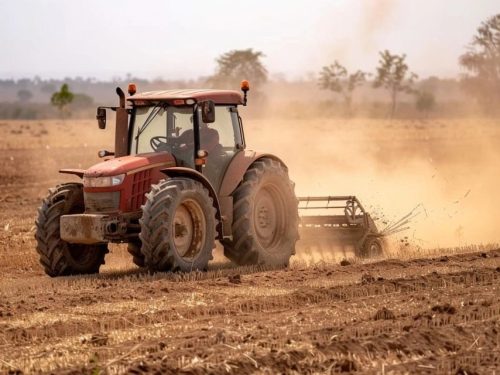
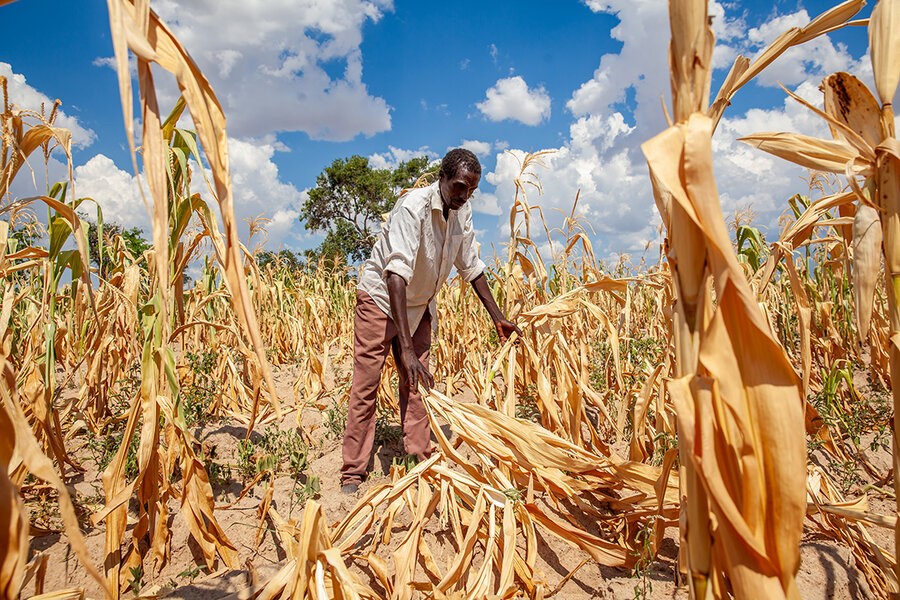
That is why these projects matter in the face of El Niño. They will not stop drought, but they can help communities prepare better, store water, protect grazing land, reduce erosion and build farming systems that bend before climate pressure without breaking.
For Eswatini’s farmers, the message is clear: protecting the environment is now part of protecting agriculture. In a country where the next dry season can decide the fate of crops, cattle and household incomes, every restored wetland, every rehabilitated donga and every harvested litre of rainwater counts.