

BY: SIKHONA SIBANDZE | JOURNALIST
Manzini – As Eswatini positions itself for stronger export performance in 2026, agribusiness exporters are transforming how they engage international trade fairs, shifting from passive participation to strategic deal-making, backed by targeted support from the European Union and the International Trade Centre to unlock sustainable global market access.
This shift is being driven by sustained support from the European Union and the International Trade Centre, which have intensified efforts to equip local exporters with the skills, systems and market intelligence needed to compete effectively on the global stage.
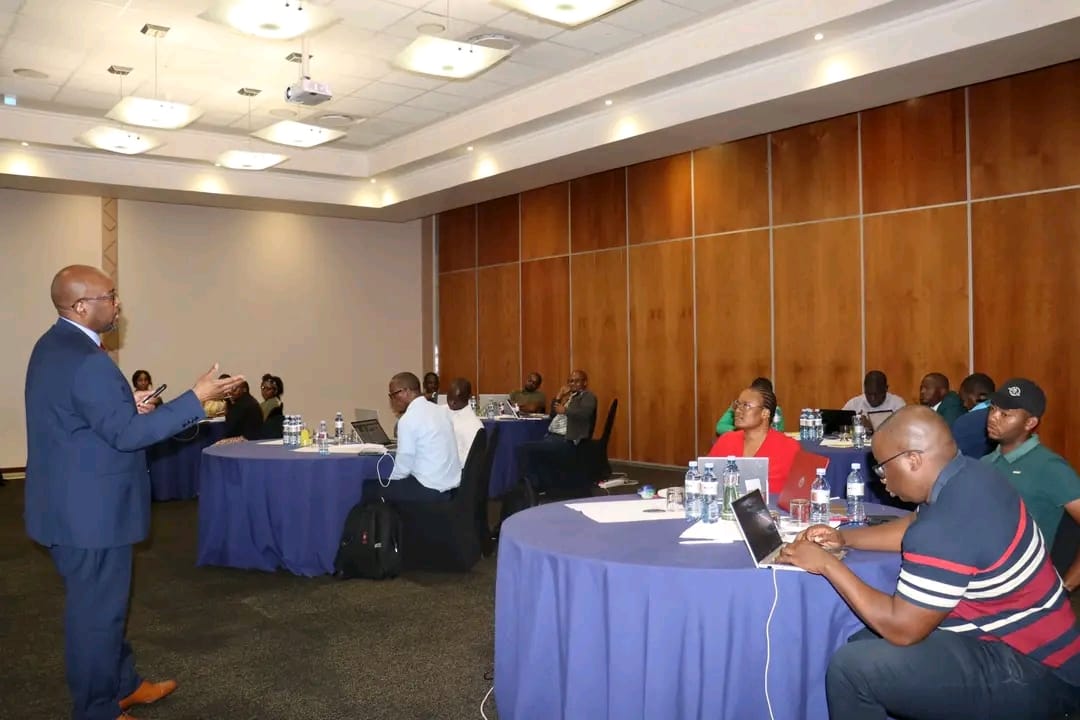
Rather than focusing only on attendance, the new approach emphasises preparedness, professionalism and purposeful engagement with buyers, elements increasingly recognised as critical to converting trade fair exposure into sustainable trade relationships.
Programme Officer at the European Union, Luis Miguel Pascoal says competing in international markets requires more than a good product. “It demands preparation, market intelligence, professionalism and strategic engagement. These are practical levers for turning trade fair participation into sustainable export success.”
From Exposure to Execution
For local exporters, the impact of this support is already tangible. Participants report a clear shift in how they approach international exhibitions, from casual networking to structured business development.
“My biggest takeaway was learning the right way to conduct yourself at a trade fair,” said Velicia Malinga of Ngonini Estate. “There is a good way and a bad way to do it. Now I know exactly how I must approach these opportunities going forward.”
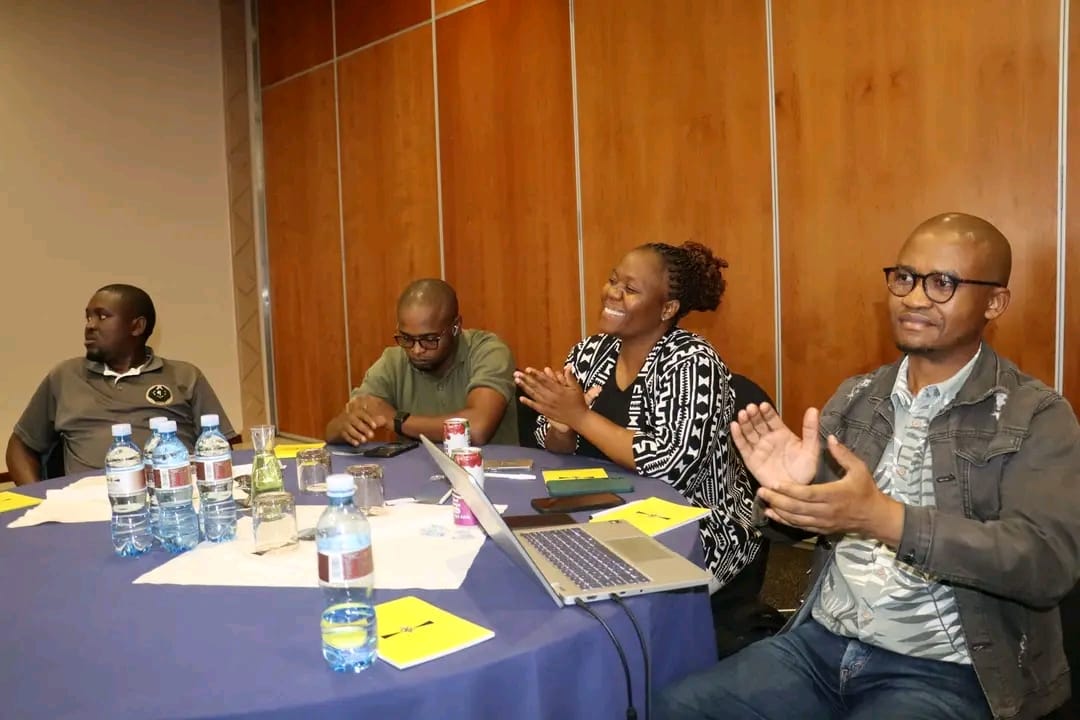
Similarly, exporters in value-added agricultural products see 2026 as a turning point. “The knowledge we gained positions us to use upcoming trade fairs in 2026 to the best of our abilities,” said Junior Du Pont from Eswatini Coffee.
Trade Fairs as Engines for Jobs and Growth
By strengthening readiness, follow-up mechanisms and buyer engagement strategies, trade fairs are now being repositioned as engines for employment creation, income generation and inclusive economic growth, particularly within agribusiness value chains.
Exporters are being trained to:
- Research target markets before attending fairs
- Identify and prioritise high-value buyers
- Present products professionally and competitively
- Conduct effective follow-up after events to close deals
This strategic repositioning is expected to significantly improve export outcomes for Eswatini’s small and medium agribusiness enterprises in 2026 and beyond.
Anchored in a Broader Growth Programme
The initiative forms part of the Eswatini: Promoting growth through competitive alliances programme, implemented by the International Trade Centre in partnership with the European Union and the Government of Eswatini.
The programme supports smallholder farmers, entrepreneurs and artisans by strengthening competitive alliances and enabling export-led growth across key sectors, including agribusiness. As global markets become more competitive, Eswatini’s experience highlights a growing truth: success in international trade is no longer defined by presence alone, but by preparation, precision and purposeful engagement.