




BY PHESHEYA KUNENE - EDITOR
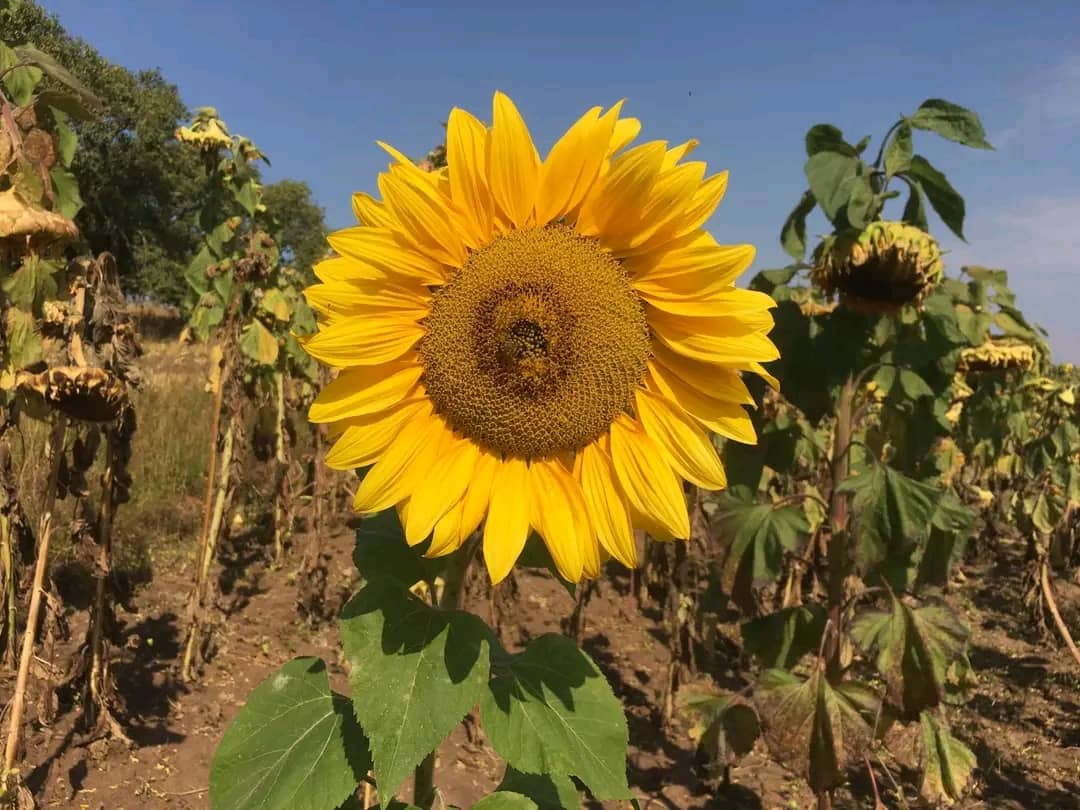
MANZINI - Sunflower farming is emerging as one of Eswatini’s most practical alternatives to maize, offering farmers a crop that is resilient, affordable to produce and increasingly relevant to the country’s food security and job-creation agenda.
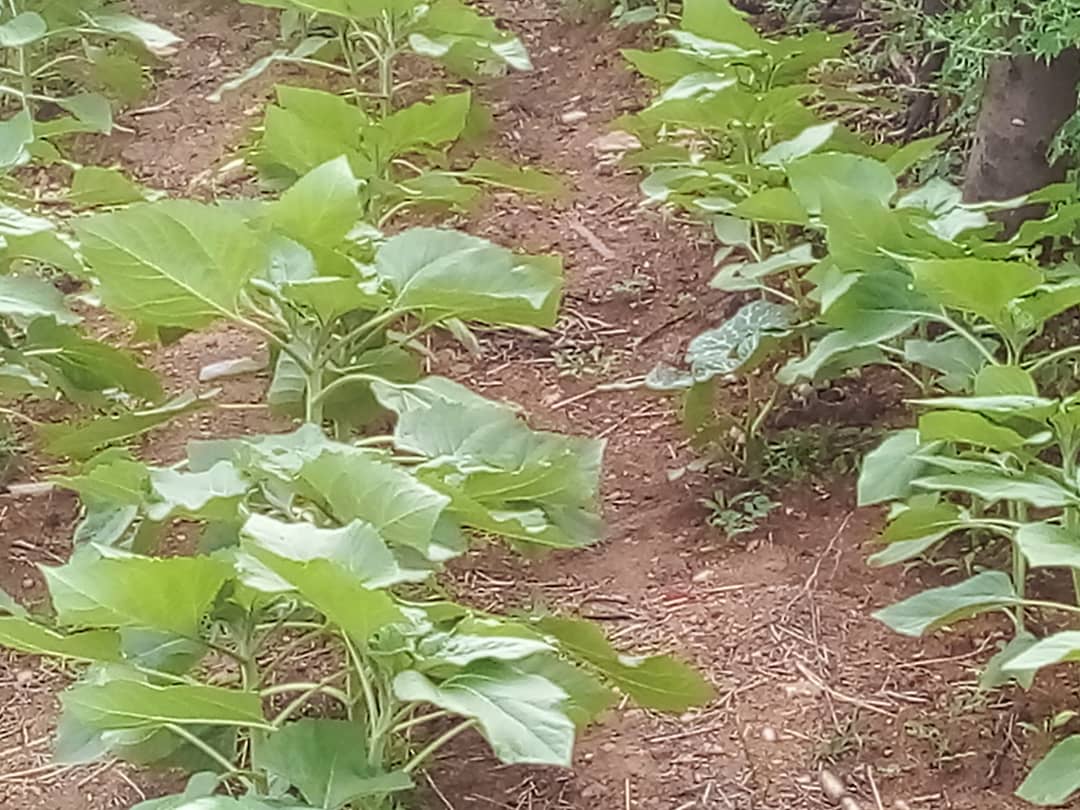
A youth-led pilot project in Lwandle, Manzini Region, is now providing a working example of how sunflower can be grown commercially, profitably and with intent.
The pilot, hosted by the Velezizweni Youth Multi-Purpose Cooperative in partnership with Rwanda’s People Together Organization, is designed to fight hunger, create employment and equip young emaSwati with scalable agribusiness skills. Beyond the demonstration plots, the project serves as a living guide on how sunflower farming can be adopted across suitable parts of the country.
WHAT SUNFLOWER FARMING REQUIRES
Sunflower is well suited to Eswatini’s agro-ecological conditions, particularly in areas with moderate rainfall and well-drained soils. It performs best on sandy loam soils with good aeration and low waterlogging risk. Commercially viable sunflower farming can be undertaken in parts of the Manzini Region including Lwandle, Malkerns, Matsapha outskirts and Ka-Langa, as well as sections of the Hhohho plateau, Lubombo lowveld and drier pockets of Shiselweni.
On one hectare of land, a farmer requires about 10kg of seed, giving a plant population of 38 000 to 40 000 plants. Seeds should be planted 3–4.5cm deep, spaced 25–30cm between plants and 75–100cm between rows, with two to three seeds per planting station.
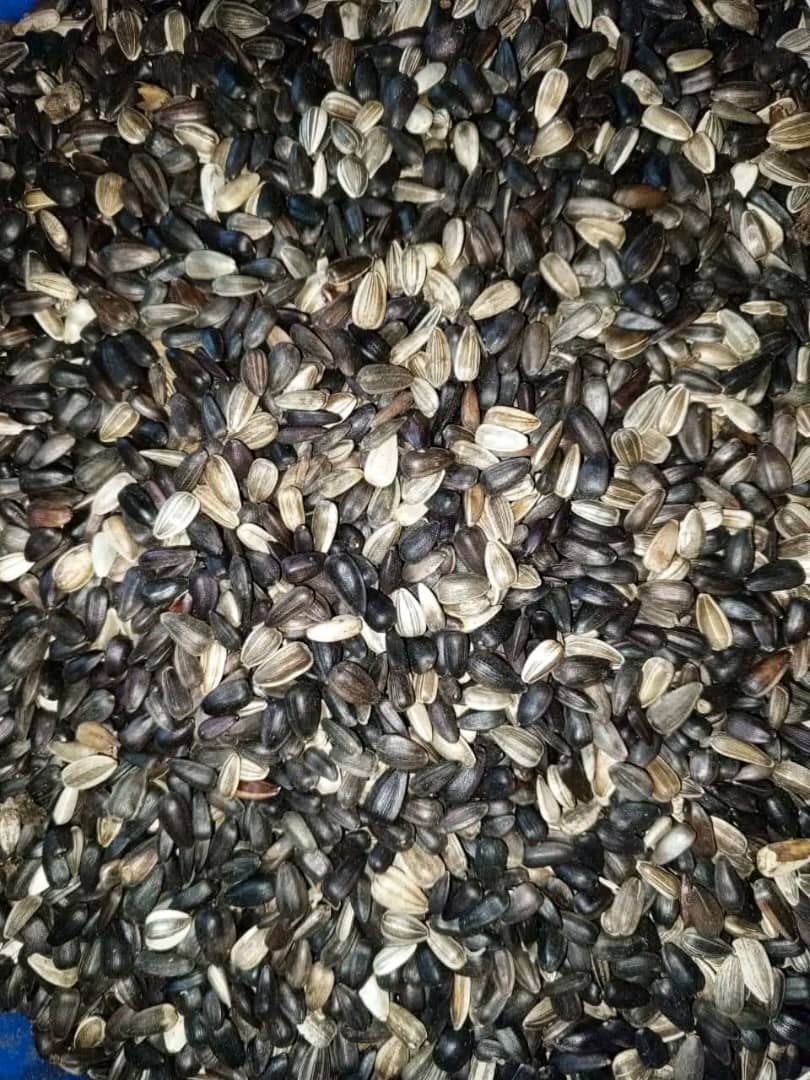
Seed choice is critical. Oilseed varieties such as Record, the black sunflower, are preferred for cooking oil extraction due to their high oil content. Non-oil or confectionary types, including zebra-striped varieties, are more suitable for direct consumption. Early-maturing varieties like Milika are ideal for farmers aiming to reduce exposure to climate shocks.
Sunflower matures within 90 to 125 days, making it a short-cycle crop that fits well into climate-smart production systems. Late planting, particularly beyond mid-January, reduces seed weight and oil content, affecting profitability.
Inputs, fertiliser and management
Sunflower is attractive to small-scale and emerging farmers because it does not demand heavy fertiliser use. On fertile soils, fertiliser may not be required at all. Where soils are poor, applying about 150kg of Compound D per hectare is sufficient to support healthy growth.
Weed control during the first six weeks is essential, as competition at early stages reduces yields. The crop is drought tolerant, thanks to its deep root system, but good field management, timely planting and pest monitoring remain crucial.
Harvesting should take place when the crop is about 80 percent dry, ensuring good oil quality and reducing post-harvest losses.
Markets and value addition
Sunflower’s strength lies in its versatility. There is a consistent and often unmet demand for sunflower oil, both locally and regionally. Farmers can sell seed directly, process it into cooking oil, or supply sunflower cake to livestock farmers as a protein-rich feed ingredient.
While sunflower is not always more profitable than maize on small plots, it becomes commercially attractive when grown on five hectares or more, or when farmers operate in groups. Cooperative production lowers costs, improves bargaining power and supports shared access to processing facilities.
Lessons from the Lwandle youth pilot
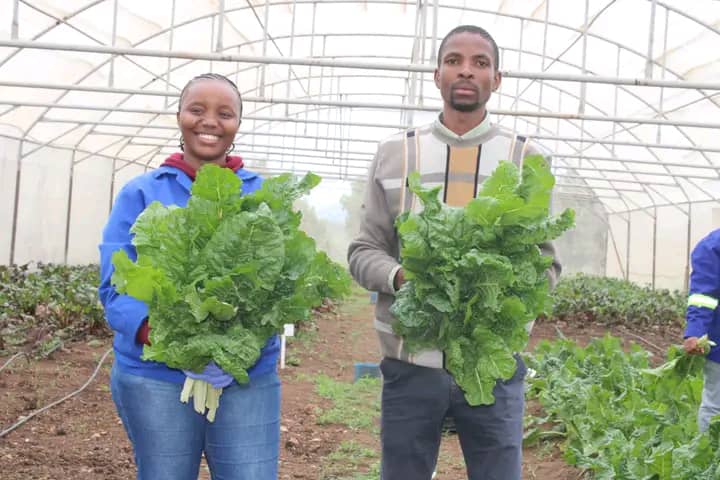
The Lwandle project shows that sunflower farming can be a gateway crop for youth entering agriculture. Velezizweni Youth Cooperative Chairperson Ellis Dlamini said the pilot was intentionally structured to test feasibility before scaling.
“The value of a pilot is that it allows us to learn, correct mistakes and build a model that can be replicated,” Dlamini said. “Sunflower gives young people a crop that is affordable to produce, has a ready market and opens doors to value addition.”
Dlamini, who recently graduated from the World Food Forum Innovative Climate-Smart Tunnel Training Programme, said the cooperative views sunflower as part of a broader agribusiness strategy that includes poultry production and, in future, coffee farming.
“We are not just planting crops, we are building agripreneurs,” he said. “If youth can master crops like sunflower, they can create jobs, improve household food security and participate meaningfully in the economy.”
The partnership with the Rwandan organisation has added technical depth, with training on production methods, agribusiness planning and long-term sustainability. The donation of sunflower seed and ongoing mentorship has positioned the project as a foundation for wider youth empowerment.
Should farmers grow sunflower?
Sunflower is not a silver bullet, but it is a strategic option for farmers who struggle with the high costs of maize production or face erratic rainfall. Its short growing cycle, low input requirements and flexible marketing options make it a practical crop for Eswatini’s evolving agricultural landscape.
As the Lwandle youth pilot demonstrates, sunflower farming works best when treated as a business, supported by planning, teamwork and market awareness. For farmers asking what else they can grow beyond maize, sunflower is no longer a side option, it is a credible commercial choice.