
BY PHESHEYA KUNENE
MBABANE - In a decisive move to reshape Eswatini’s agricultural landscape, the Eswatini Water and Agricultural Development Enterprise (EWADE) on Tuesday formalised a series of strategic partnerships with key government institutions under the Smallholder Agricultural Productivity Enhancement and Marketing Project (SAPEMP).
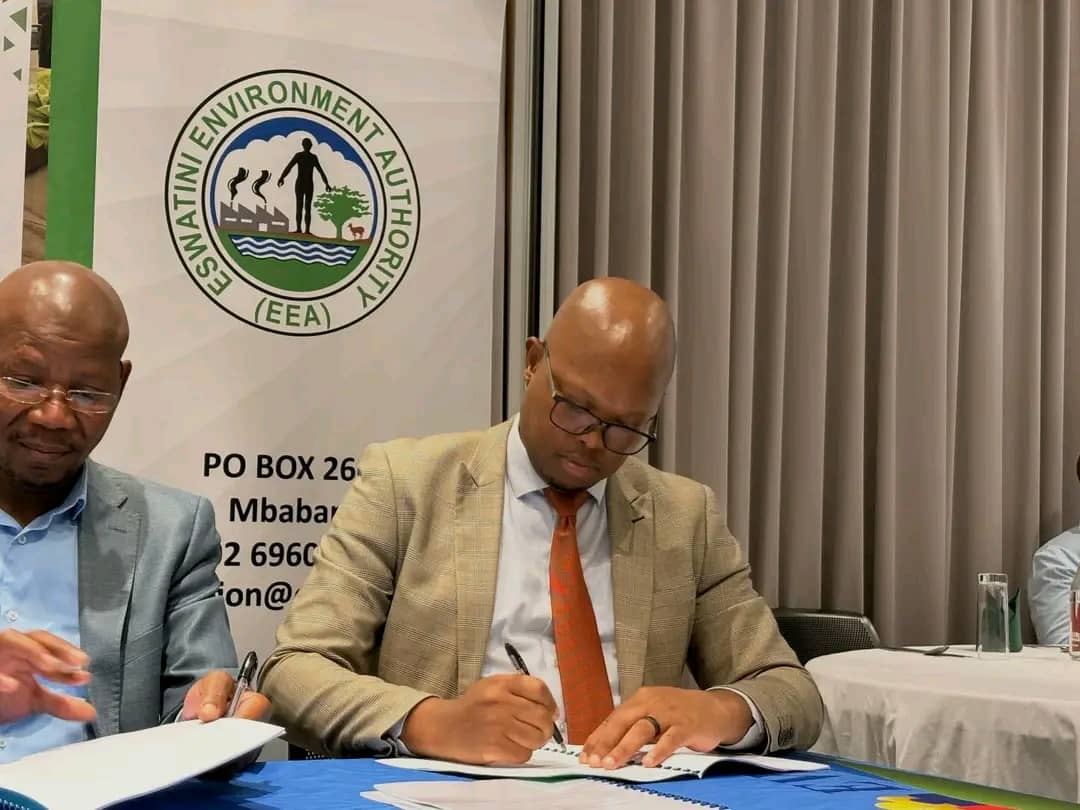
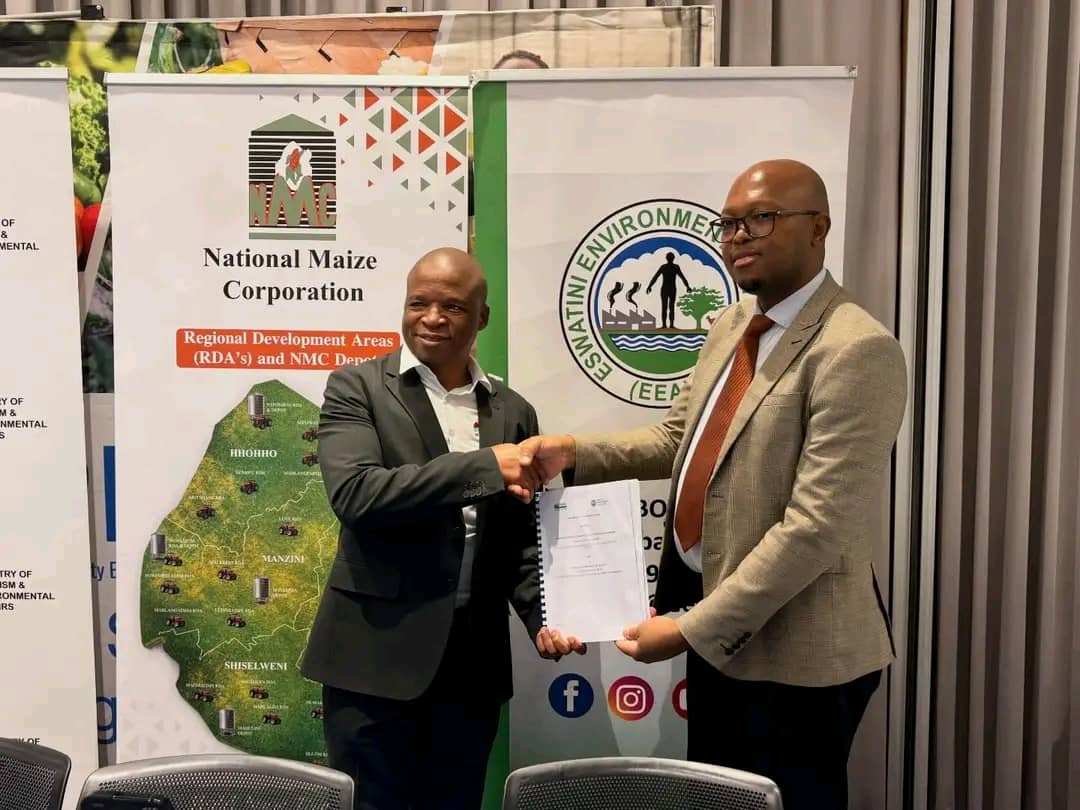
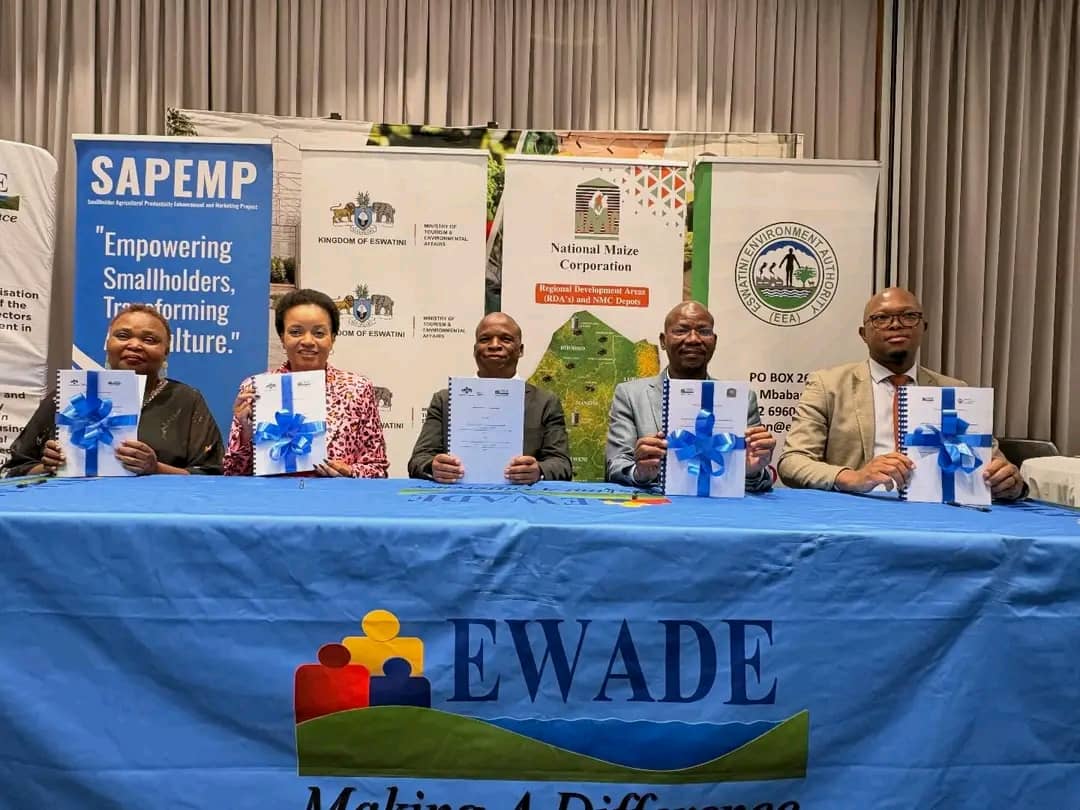
The Memoranda of Understanding (MoUs), signed at the Hilton Garden Inn in Mbabane, bring together the Eswatini Environment Authority (EEA), the National Maize Corporation (NMC), the Ministry of Tourism and Environmental Affairs (MTEA), and the Ministry of Tinkhundla Administration and Development (MTAD) in a coordinated effort to support smallholder farmers across the country.
EWADE Chief Executive Officer Dr Samson Sithole described the MoUs as more than ceremonial; they represent a shift from “good intentions to structured action,” designed to tackle persistent challenges in the smallholder sector, including low productivity, limited market access, and climate vulnerability. He emphasised that collaboration across institutions was essential to deliver tangible results for farmers and communities.
“These agreements provide a practical framework to translate policy into action,” Dr Sithole said. “No single institution can transform agriculture alone. By aligning mandates, resources, and expertise, we can ensure that the promise of SAPEMP benefits farmers, their families, and the wider economy.”
Under the MoUs, the NMC is tasked with improving market access, identifying anchor enterprises, and facilitating structured value chains, particularly for maize and legumes such as sugar beans. EWADE’s CEO noted that strengthening market linkages was central to elevating smallholder agriculture from subsistence-level production to commercially viable farming.
The EEA will provide regulatory oversight and technical support for environmentally sustainable and socially inclusive farming practices, while collaborating with EWADE to launch a Green Challenge Fund. The initiative is aimed at promoting innovative green enterprises among youth, women, and resource-poor farmers, ensuring that climate resilience is embedded within every intervention.
Meanwhile, MTEA will bolster climate-smart agriculture by improving weather monitoring, early warning systems, and technical guidance on climate adaptation. At the community level, MTAD will facilitate site access, verify project locations, and promote bottom-up planning to ensure that rural communities actively shape and benefit from the SAPEMP interventions.
Government officials at the signing described the MoUs as a strategic blueprint for inclusive rural development. Acting Principal Secretary Hlobisile Dlamini said the partnership underscores the interconnection between climate systems and agricultural productivity, highlighting the importance of proactive adaptation to ensure sustainable yields. MTAD Principal Secretary Nonhlanhla Dlamini described the agreements as a tool to empower communities to define their priorities, strengthening both participation and accountability.
From an economic perspective, SAPEMP is poised to tackle systemic inefficiencies in the agricultural sector. The project, supported by the Government of Eswatini, IFAD, and the Green Climate Fund, targets more than 19,600 smallholder households, reaching approximately 117 700 people. It focuses on three pillars: boosting productivity through cluster-based support and infrastructure, strengthening market access and financing, and creating an enabling environment for promotion and marketing of local produce.
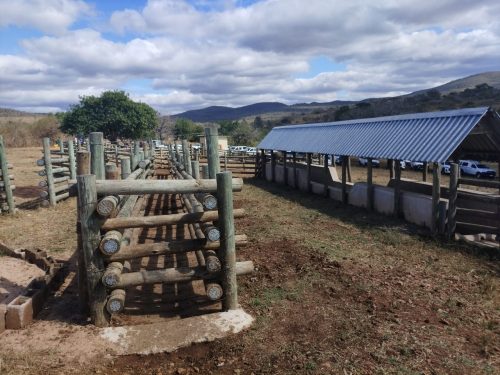
EWADE’s approach goes beyond production. Farmers are being organised into clusters, integrated into digital platforms such as the Agricultural Integrated Information System, and linked to structured markets through formal contracts. Collection centres are being rehabilitated and constructed to enable aggregation, grading, and storage, while capacity-building initiatives provide training in nutrition, gender inclusion, and commercial farming.
The initiative is particularly focused on youth and women, ensuring that the next generation of farmers has access to the tools, knowledge, and markets required to succeed. Dr Sithole noted that SAPEMP is not merely about improving yields; it is about transforming rural livelihoods, promoting financial inclusion, and embedding climate resilience into farming practices.
Analysts say the MoUs reflect a growing understanding that agricultural transformation requires more than technical solutions; it demands institutional coordination, climate intelligence, and market integration. By anchoring development in multi-stakeholder collaboration, SAPEMP aims to create an ecosystem in which farmers are empowered, markets are functional, and communities are resilient.
Tuesday’s MoU signing marks more than a procedural milestone; it is a commitment to action. As Dr Sithole concluded, the agreements are a call to translate coordination into tangible outcomes, ensuring that smallholder farmers, the backbone of Eswatini’s agricultural economy, can thrive in a sector increasingly shaped by markets, climate, and opportunity.