
BY PHESHEYA KUNENE – EDITOR
EZULWINI - Eswatini has begun a decisive overhaul of its National Drought Plan as government, experts and key stakeholders gather to fortify the country against intensifying climate shocks.
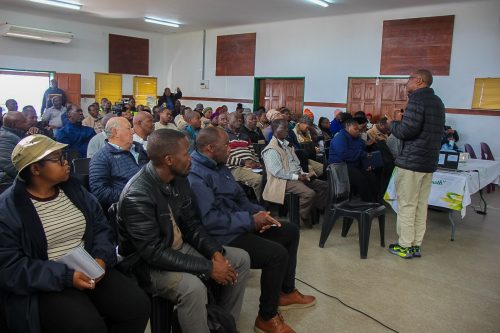
Held at The Royal Villas in Ezulwini, the National Workshop on the Review and Implementation of the Eswatini National Drought Plan brings together government ministries, FAO, the Eswatini Environment Authority, the National Disaster Management Agency, development partners and civil society. Their shared mission is clear: transform the drought plan from paper to practice and safeguard the future of agriculture.
The workshop forms part of FAO’s global drought programme under the “Enabling activities for implementing UNCCD COP15 decisions on drought” project, financed by the Global Environment Facility. It focuses on strengthening coordination, updating implementation priorities and building a solid investment framework to ensure resilience across communities and food systems.
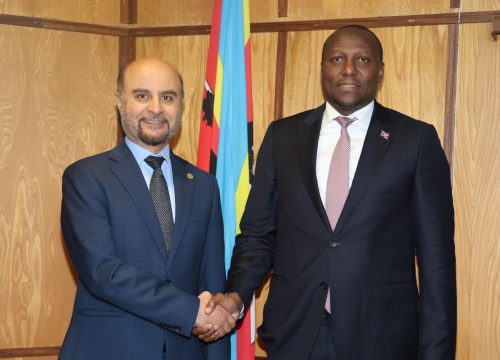
FAO’s Dr Cuthbert Kambanje, speaking on behalf of Dr Patrice Talla, described drought as a silent disaster that erodes progress quietly yet relentlessly. He said the workshop arrives at a critical moment as Eswatini faces more frequent and severe dry spells.
“We are here to turn strategy into action so that communities who feel drought first and hardest receive the protection they deserve,” he said.
A major highlight of the workshop is the government’s allocation of E650 000 for the review of the National Drought Plan.
Ministry of Agriculture Principal Secretary Sydney Simelane confirmed that the funding represents a direct investment in farmers’ survival, not mere administration. He said improved monitoring systems, stronger early-warning tools and updated risk-financing measures will help stabilise yields, reduce livestock losses and strengthen food security.
The Ministry of Agriculture, Eswatini Environment Authority, NDMA and partner ministries form the core implementation team advising on policy alignment, updated action plans and an investment blueprint that will translate the revised drought plan into fundable, impactful programmes.
Stakeholders also emphasised the need for solutions such as drought-index insurance, improved vulnerability assessments, community-level adaptation strategies and the mainstreaming of support for vulnerable groups including women, youth and persons with disabilities.
EEA’s Mxolisi Maphanga cautioned that worsening droughts are threatening ecosystems, food systems and national development. He urged stronger environmental safeguards and reaffirmed the importance of global partnerships with FAO, UNCCD and GEF.
FAO reiterated its full support for Eswatini’s long-term climate agenda, including backing the Eswatini Environment Authority’s accreditation process to the Green Climate Fund. Dr Kambanje said gaining direct access to climate finance would be a major step toward building a resilient agricultural economy.
As participants map out the next phase of Eswatini’s drought-readiness journey, the workshop stands as a call to collective action, a promise that with foresight, collaboration and courage, the nation can withstand the harshest seasons ahead.