
BY PHESHEYA KUNENE - EDITOR
LUDZELUDZE - Eswatini’s agricultural sector received a strategic stimulus as government doubled down on its vision to position agribusiness as the engine of youth empowerment and rural economic renewal.
The recent disbursement of E540 000 to 121 young agripreneurs forms part of a broader national effort to cultivate a generation of producers who can anchor food security, stimulate local markets and gradually shift the country towards agricultural resilience.
Instead of treating funding as an end in itself, government has structured the programme as a pathway to long-term participation in the agricultural economy.
ENYC CEO Lwazi Mamba emphasised that the support package extends well beyond the grant. Beneficiaries will receive mentorship, enterprise development guidance and assistance in accessing local markets, a critical ingredient for business survival.
“This initiative is not just about funding,” Mamba said. “It is about building enterprises that can survive, expand and employ others. We want youth-led agribusinesses to take root and thrive.”
He accentuated that market access remains the biggest barrier for emerging farmers. To counter this, he urged communities, retailers and corporates to absorb produce from young farmers.
“Let us be the market they need. Our youth are ready to supply high-quality produce locally and beyond.”
AGRICULTURE AS A VEHICLE FOR TRANSFORMATION
Minister of Agriculture Mandla Tshawuka highlighted the unique potential of agriculture to create jobs, strengthen rural value chains and reduce poverty. His message was clear: when the youth succeed in agribusiness, entire communities rise with them.
“When young people grow in agribusiness, they uplift their families, create jobs and strengthen our rural economy,” he said.
His remarks aligned with government’s long-term plan to modernise agricultural production, promote rural enterprise and build a resilient food system.
A NEW CROP OF PRODUCERS EMERGES
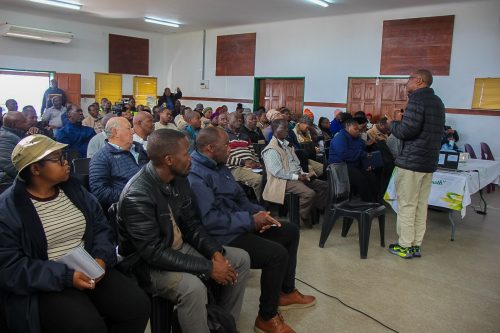
As the ceremony concluded at Ludzeludze Youth Centre, the atmosphere carried a new sense of intention. The 121 beneficiaries walked away not merely as recipients of capital but as participants in a national agricultural resurgence.
Government’s strategy signals a clear belief that the fight against unemployment will be won in spaces where production happens, not only in policy rooms. The future lies with young hands working the soil, tending their livestock, nurturing seedlings and supplying growing markets.
With mentorship in place, markets opening up and capital now in circulation, a new crop of agribusiness leaders is emerging. Their growth may well define Eswatini’s next chapter in agricultural development, one enterprise at a time.