
BY PHESHEYA KUNENE - EDITOR
LUDZELUDZE - Eswatini’s youth are turning ambition into action as the government injects E540 000 in Micro-Agricultural Grants to 91 young agripreneurs, including seven youth with disabilities, signaling a strategic move to strengthen the country’s agricultural economy and expand sustainable livelihoods.
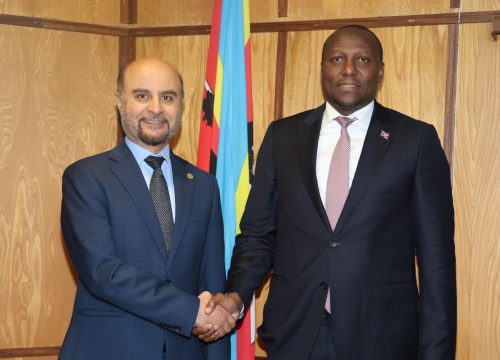
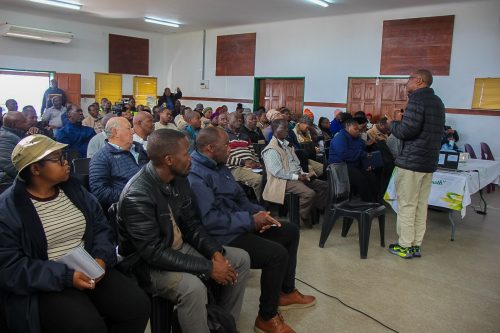
At Ludzeludze Youth Centre in Manzini, Minister of Sports, Culture and Youth Affairs Bongani Nzima described the initiative as a decisive step in youth empowerment.
“This investment is more than financial support; it is a commitment to building sustainable livelihoods, reinforcing our agricultural value chain, and giving young Emaswati a meaningful place in the economy,” he said.
The programme, coordinated by the Eswatini National Youth Council (ENYC), under CEO Lwazi Mamba, attracted 749 applications from across the country. A rigorous verification process narrowed the field to 91 projects, including cooperatives and youth with disabilities, ensuring equitable distribution and merit-based selection.
Agriculture emerges as a strategic avenue for youth economic participation, offering accessible opportunities along multiple value chains while contributing to national food security. Minister Nzima underscored the broader impact of the programme: “Young people are vital to adopting climate-smart practices, leveraging innovative technologies, improving water-use efficiency, and building resilience against shifting weather patterns.”
ENYC CEO Lwazi Mamba added perspective on the initiative’s socioeconomic significance: “With youth unemployment at nearly 49% and only 28% of youth engaged in agriculture, this programme transforms micro-enterprises into engines of growth, equipping young people to create jobs and stimulate rural economies.”
Funds were allocated across regions to promote inclusivity: Shiselweni 27 beneficiaries, Manzini 26, Hhohho and Lubombo 19 each, with E42 500 earmarked for youth with disabilities, representing 8% of the total budget. This ensures that no young person is left behind in national development efforts.
The grants programme extends beyond financial assistance. Beneficiaries are encouraged to maintain proper records, access mentorship through ENYC, and leverage market opportunities. Partnerships with private sector actors and initiatives like the Home Grown School Feeding Program provide practical avenues for scaling production and integrating youth-led enterprises into the national supply chain.
This initiative aligns with evidence-based policies such as the State of the Youth Report, National Youth Policy, and Youth Development Coordinating Framework, responding to skills gaps, persistent youth unemployment, and barriers faced by youth with disabilities. Agriculture is positioned as a high-impact sector for economic participation, offering both personal and national returns.
Minister Nzima concluded: “This programme demonstrates that government is not merely funding youth projects; we are creating enduring partnerships, opening pathways for opportunity, and ensuring young people remain central to national development.”
For Eswatini’s young agripreneurs, the E540 000 now disbursed is far more than a grant: it is a vote of confidence, a call to excellence, and a bridge into a future where youth-led innovation and sustainable agriculture redefine what’s possible.