

BY PHESHEYA KUNENE - EDITOR
MANZINI - Farming in Eswatini is evolving beyond the age-old rhythm of rain and soil. It is becoming a quiet dance between innovation and intuition, where farmers no longer wait on chance but rather design their own seasons of abundance.
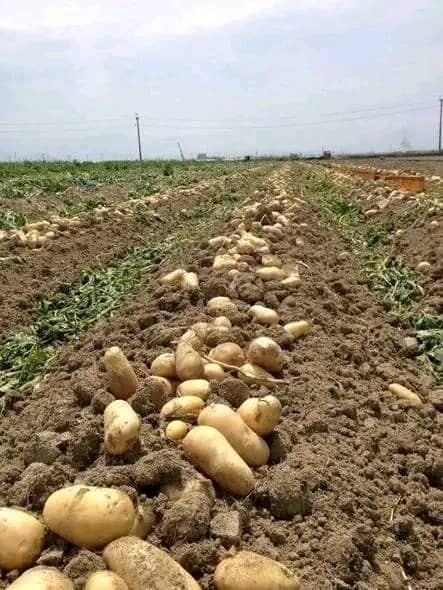
Across the country’s green stretches, a new kind of farmer is emerging, curious, inventive, and unafraid to test the boundaries of what the land can yield. Among them is Sinegugu Mabuza, whose success with potatoes has become a story of resilience and renewal.
Mabuza’s farm, tucked within the fertile heart of Eswatini’s interior, tells a tale of what happens when knowledge meets passion.
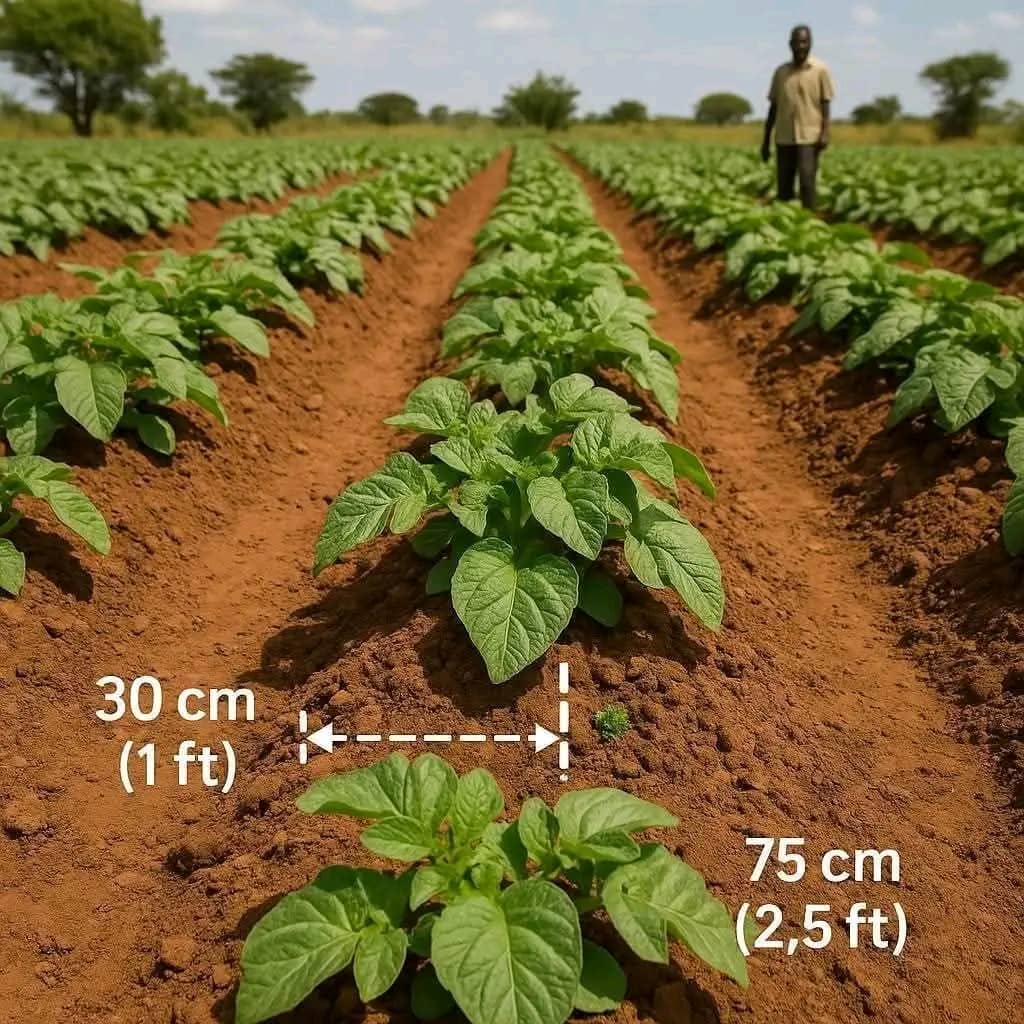
Using climate-smart techniques and a simple shade-net system, she turned a modest patch of land into a thriving potato field, proving that brilliance in agriculture often begins with something as humble as a single tuber.
“I realised that farming isn’t just about planting and hoping,” she reflects softly, her hands brushing through a mound of fresh soil. “It’s about creating the right environment for life to happen.”
The Smart Way to Grow
Her journey doubles as a guide for the new generation of farmers, those who dream of abundant yields and sustainable methods.
Step 1: Begin with Purpose.
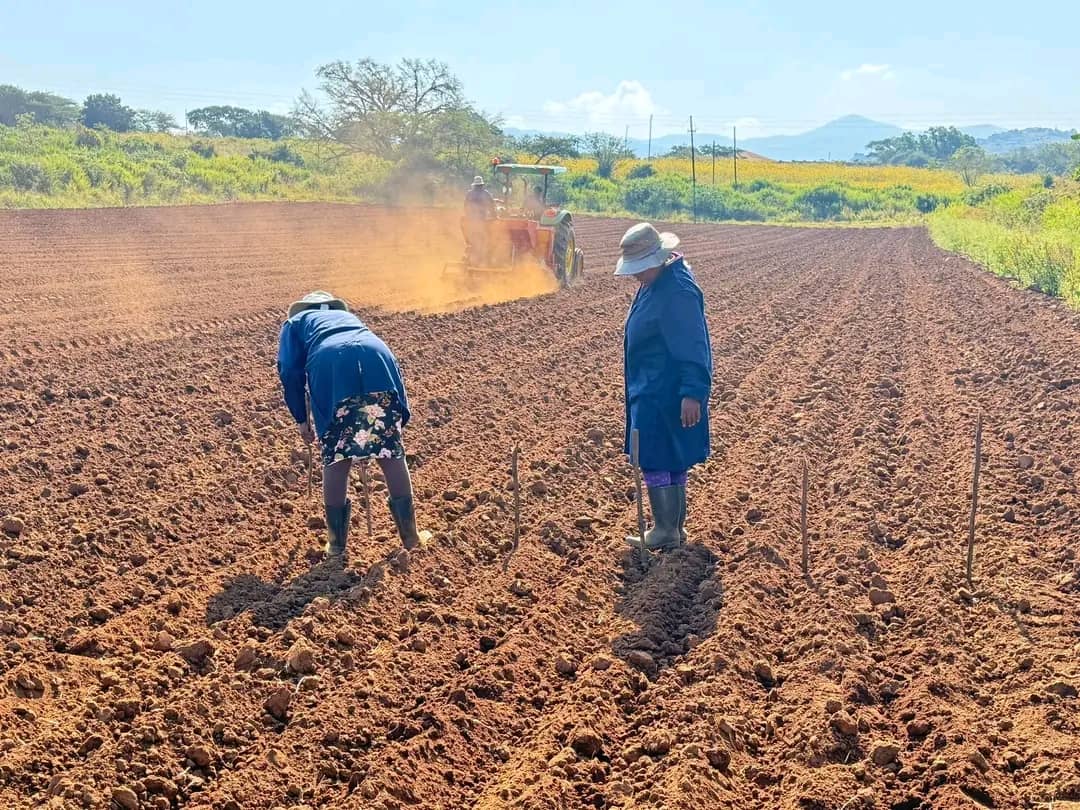
Start with a sprouted potato, sliced into pieces, each carrying a living eye, the spark of growth. Let them dry for a day to prevent decay and foster strength.
Step 2: Build the Foundation.
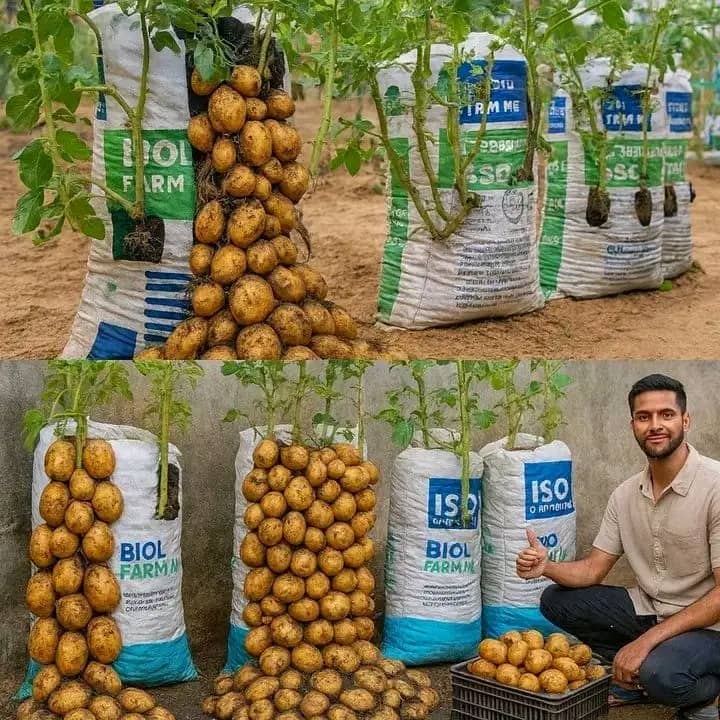
Use compost-rich soil layered in a deep container or sack, enhanced with natural fertilizer. Potatoes crave loose, well-aerated ground, the kind that welcomes expansion.
Step 3: Water with Intention.
Consistency is the secret. Keep the soil moist but never waterlogged. “Balance is nature’s discipline,” Mabuza says.
Step 4: Hill and Protect.
As the stems stretch upward, gently add soil around them. This technique, known as hilling, coaxes the plant to produce more tubers and shields them from sunlight’s harshness.
Step 5: Let the Light Lead.
Potatoes are creatures of the sun. A good six to eight hours of light daily ensures firm, well-rounded produce.
And then, as weeks pass, the leaves begin to yellow, a silent announcement that harvest is near. Beneath the soil lies a small miracle: a bounty born not of chance, but of careful thought, adaptation, and trust in the land.
Beyond the Harvest
Mabuza’s experiment mirrors a broader awakening within Eswatini’s agricultural landscape. Organisations such as Namboard are encouraging farmers to adopt sustainable, science-informed practices to enhance both quality and market readiness. Their focus is on soil health, crop rotation, and proper irrigation, vital components that ensure long-term productivity.
Across Africa, similar revolutions are taking root. In Kenya’s Kirinyaga County, smallholder cooperatives are mastering drip irrigation to conserve water while increasing yields.
Meanwhile, in Ireland, potato researchers are pioneering “smart soils” to counter climate variability, proving that innovation in agriculture knows no borders.
For Eswatini, these examples provide a window into what’s possible when science and local wisdom intersect. Mabuza’s approach, blending modern techniques with a farmer’s instinct, has already begun inspiring peers in her community.
“We can feed ourselves and our markets,” she says, “if we farm with strategy, not struggle.”
Her story is more than a farming success, it is a quiet manifesto for the future of Eswatini’s agriculture. It challenges old assumptions, celebrates ingenuity, and reminds us that sometimes, the power to transform the food system lies right beneath our feet, in a single potato waiting to grow.