

BY PHESHEYA KUNENE - EDITOR
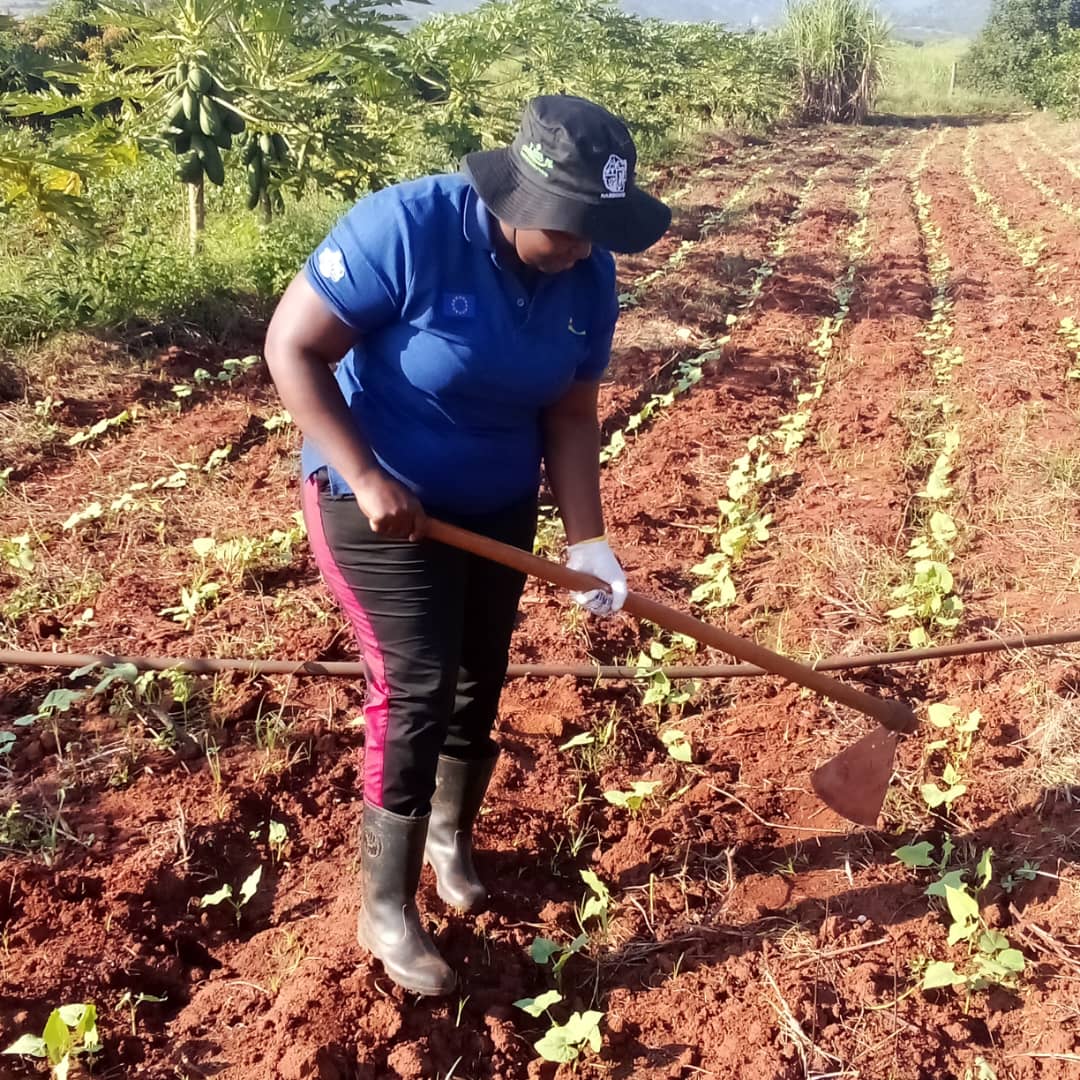
NTFONJENI - Under the soft hum of morning birds and the low groan of a water pump, Sinegugu Mabuza walks between rows of green leaves that shimmer under a shaded canopy. Here, in the heart of Ntfonjeni, the 35-year-old farmer tends to her butternut crop, each plant a story of persistence, planning, and purpose.
“My name is Sinegugu Nothando Mabuza,” she says with quiet pride. “My journey wasn’t a walk in the park, but I decided to make my passion for farming my business.”
Her words carry the weight of a woman who has chosen to build stability through the soil, in the process transforming a once modest garden into a disciplined enterprise rooted in climate-smart farming and modern innovation.
The Rise of a Smart Farmer
Sinegugu’s farm is not your ordinary rural field. Beneath the green expanse lies a web of innovation — drip irrigation lines, a shade net shielding tender leaves from harsh rays, and a borehole-fed water system that ensures resilience even in the driest spells. Each morning, she moves with the rhythm of a professional agronomist — inspecting leaves for disease, adjusting irrigation valves, and checking soil moisture.
“It’s my duty to coordinate all farming activities, from market research to production planning,” she explains. “Getting my hands dirty is what I prefer. Farming gives me peace and purpose.”
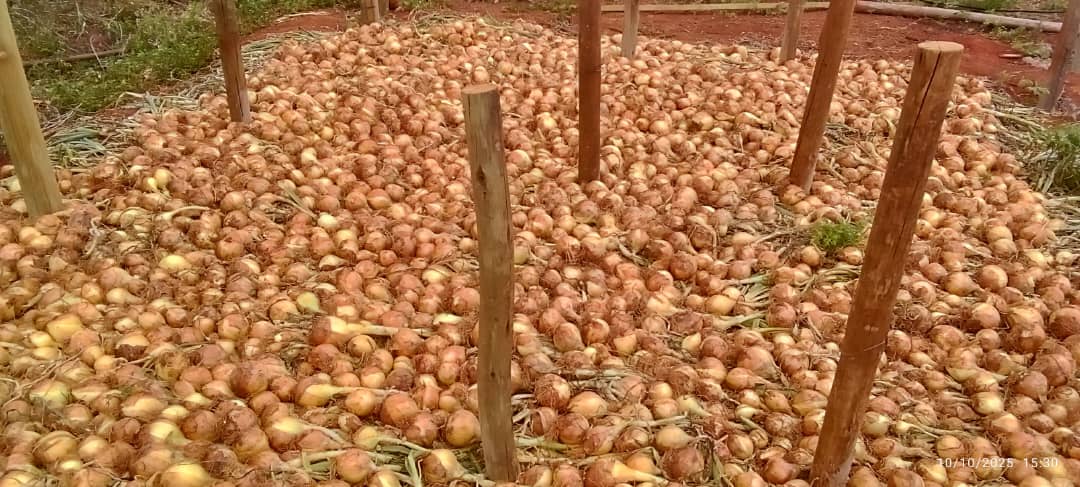
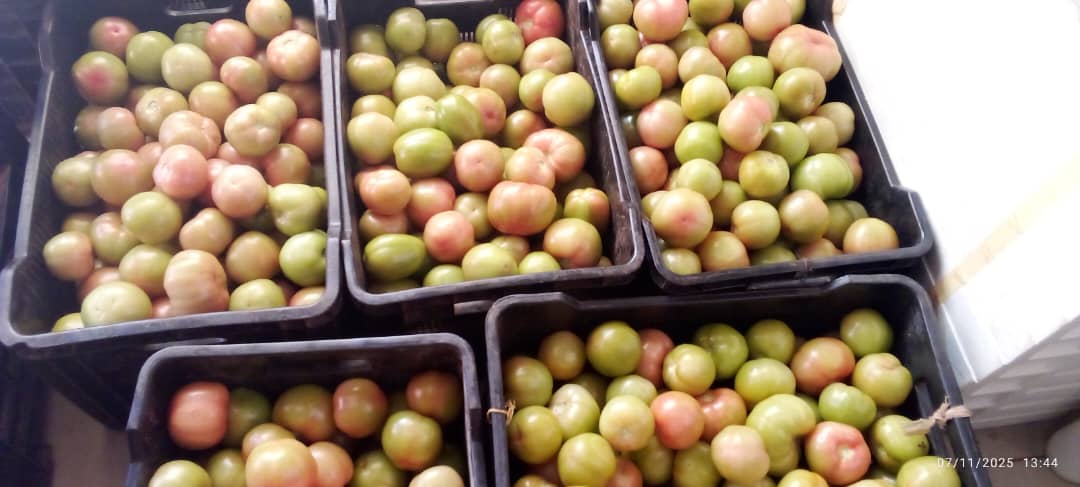
Her approach is built on regenerative practices and diversification, growing vegetables, maize, and fruit trees alongside her butternut crop. This balance keeps her farm financially stable, environmentally healthy, and always market-ready.
Smart Butternut: The Crop That Rewards Discipline
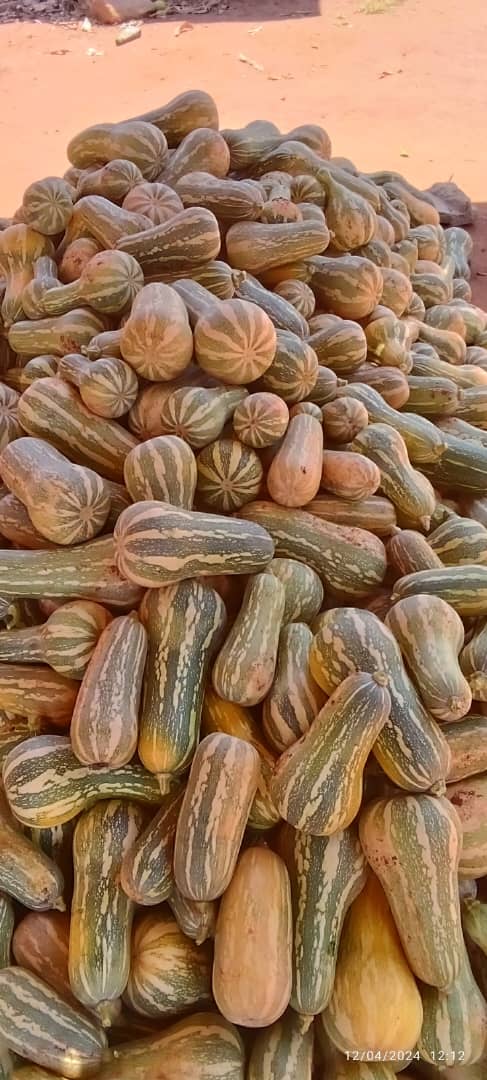
Butternut, or Cucurbita moschata, is one of Eswatini’s most adaptable and rewarding crops — a staple in kitchens and a quiet moneymaker in the fields. It thrives in warm conditions, resists drought better than many vegetables, and can be stored for months after harvest — making it ideal for farmers chasing both profit and sustainability.
Sinegugu’s secret? She farms smart. Her drip irrigation minimizes water loss, while mulching locks in soil moisture. The shade net protects young plants from excessive sun and unpredictable rainfall.
“It’s about working with nature, not against it,” she says.
And the results speak for themselves: her butternuts are firm, smooth, and perfectly colored — ready for supermarket shelves and regional markets.
Farming Through the Seasons: Lessons in Adaptation
In summer, when rains come heavy and the air thickens with humidity, Sinegugu plants on raised beds to prevent waterlogging — a lesson learned from hard seasons past. “The biggest enemy is rot,” she says. “You have to keep the roots breathing.”
In winter, she switches gears — irrigation becomes her lifeline, and she relies on precise scheduling to manage scarce water. While other crops struggle, her butternuts keep thriving under her climate-smart plan.
This adaptability has inspired other young farmers around Hhohho. “If you plan your planting right, monitor the soil, and stay alert to pests, you’ll harvest good butternut in any season,” she advises.
Innovation Rooted in Community
Beyond her own fields, Sinegugu is passionate about inspiring youth. Her journey took a major turn when she secured E10 000 in funding from Junior Achievement Eswatini for her baby marrow project — a stepping stone that built her confidence in agribusiness.
She now shares her knowledge with other women and young farmers, advocating for sustainable agriculture as the foundation of economic independence. “Agriculture isn’t just about food,” she insists. “It’s about creating opportunities, stability, and dignity.”
Regional Lessons: What Eswatini Can Learn
Across southern Africa, countries like South Africa, Botswana, and Namibia are turning butternut into a high-value export crop through cooperatives, cold-chain storage, and agritech partnerships. Israeli farmers have perfected precision drip systems, while Kenyan growers are exploring organic certification for international markets.
Eswatini’s farmers, Sinegugu believes, can do the same, if they blend innovation with collaboration.
“We have the soil, the climate, and the passion,” she says. “What we need is access to technology and consistent markets.”
Markets and Opportunities Ahead
Butternut offers Eswatini more than a local trade commodity — it’s a gateway to regional growth. With improved packaging, grading, and storage, Emaswati farmers can target supermarkets in Mozambique, South Africa, and Botswana, as well as institutional buyers like schools and hospitals.
Domestic opportunities also abound. “Hotels, processors, and catering companies are always looking for consistent suppliers,” says Sinegugu. “That’s where small farmers can unite and build strength.”
The Bigger Picture: Redefining Agribusiness
Sinegugu’s story is not merely about farming, it’s about redefining what modern agriculture looks like in Eswatini. Her farm embodies efficiency, sustainability, and entrepreneurship, showing how innovation can grow right alongside crops.
Every butternut harvested is more than a product, it’s a statement that farming, when done smartly, can push the boundaries of innovation and empower a new generation of agripreneurs.
As she prepares for her upcoming harvest, Sinegugu smiles beneath the shade netting, her eyes sweeping across the neat rows of vines. “This is just the beginning,” she says. “The soil is alive, and so is my dream.”
In the End
For Eswatini’s farmers, the future lies not just in what they plant, but in how they plant it. Smart farming, as Sinegugu Mabuza proves, isn’t about scale — it’s about strategy, stewardship, and the courage to grow differently.
In the furrows of Ntfonjeni, a quiet revolution is taking root — one butternut at a time.