

BY PHESHEYA KUNENE
MANZINI – The rains are back, the soils are waking up, and fields across Eswatini are turning green again, but for farmers planting watermelon this season, nature’s blessing can quickly become a challenge if not managed wisely.
Watermelon, that sweet summer delight often enjoyed under the Eswatini sun, thrives in warm conditions, but the rainy season brings its own tests. While rain saves on irrigation costs, it also demands smarter, more calculated decisions to protect both yields and profits.
RAIN: A FRIEND AND A FOE
Rain is essential for watermelon growth, yet too much of it can drown a dream. Heavy downpours lead to waterlogging, root rot, and poor pollination, especially in flat, compacted fields.
So, farmers are advised to plant on raised beds or ridges, ensuring proper drainage and air circulation around the roots.
Agricultural experts note that this is where climate-smart farming techniques come into play, using mulching, contour farming, and cover crops to prevent erosion and improve soil health. “Good drainage is the difference between a good harvest and a failed one,” notes an agronomist quoted from Farm with Fred.
WHEN HUMIDITY INVITES TROUBLE
The rainy season’s high humidity is a playground for fungal diseases like powdery mildew, anthracnose, and fusarium wilt. These diseases spread faster when leaves stay wet for long periods. Farmers are urged to plant disease-resistant varieties and apply recommended fungicides at the right intervals.
Crop rotation is also key. Avoid planting watermelon in the same field season after season, rotate with legumes or maize to break the disease cycle.
PESTS LOVE THE RAIN TOO
Moist weather attracts uninvited guests, aphids, cutworms, and fruit flies, that can damage young watermelon plants and reduce fruit quality. Regular field scouting is crucial, as is the use of biological pest control methods under the new green farming practices Eswatini farmers have embraced.
Integrated pest management (IPM) remains the safest route, balancing chemical control with organic alternatives to keep the ecosystem healthy.
THE SWEETNESS CHALLENGE
A lesser-known fact is that too much rainfall can reduce fruit sweetness. Excess water dilutes natural sugars, making the watermelon less flavourful. To counter this, farmers are encouraged to regulate water intake where possible and allow the fruit to mature fully before harvest.
Proper timing of planting also plays a role, early planting before the heaviest rains can help ensure the fruits ripen under moderate rainfall, preserving their natural sweetness.
THE CLIMATE-SMART SHIFT
Across Eswatini, more farmers are now turning to climate-smart agriculture, a system that balances productivity with environmental stewardship. From the sugar belt in Big Bend to the vegetable plots in Hhohho, the message is clear: adapt or be left behind.
Farmers who invest in training, weather-based planning, and soil conservation are proving that resilience is the new name of success in agriculture.
HARVESTING LESSONS AND PROFITS
With careful planning, the rainy season can still deliver sweet, market-ready watermelons. It’s about understanding the rhythm of the rain, not fighting it, but farming with it.
As one farmer from Ngwenya puts it, “Watermelon farming teaches patience and precision. The rain can feed you or fail you, it all depends on how you manage it.”
So as the skies open up this summer, let Eswatini’s farmers stay ready, armed with knowledge, resilience, and the determination to grow not just crops, but a greener, smarter future.
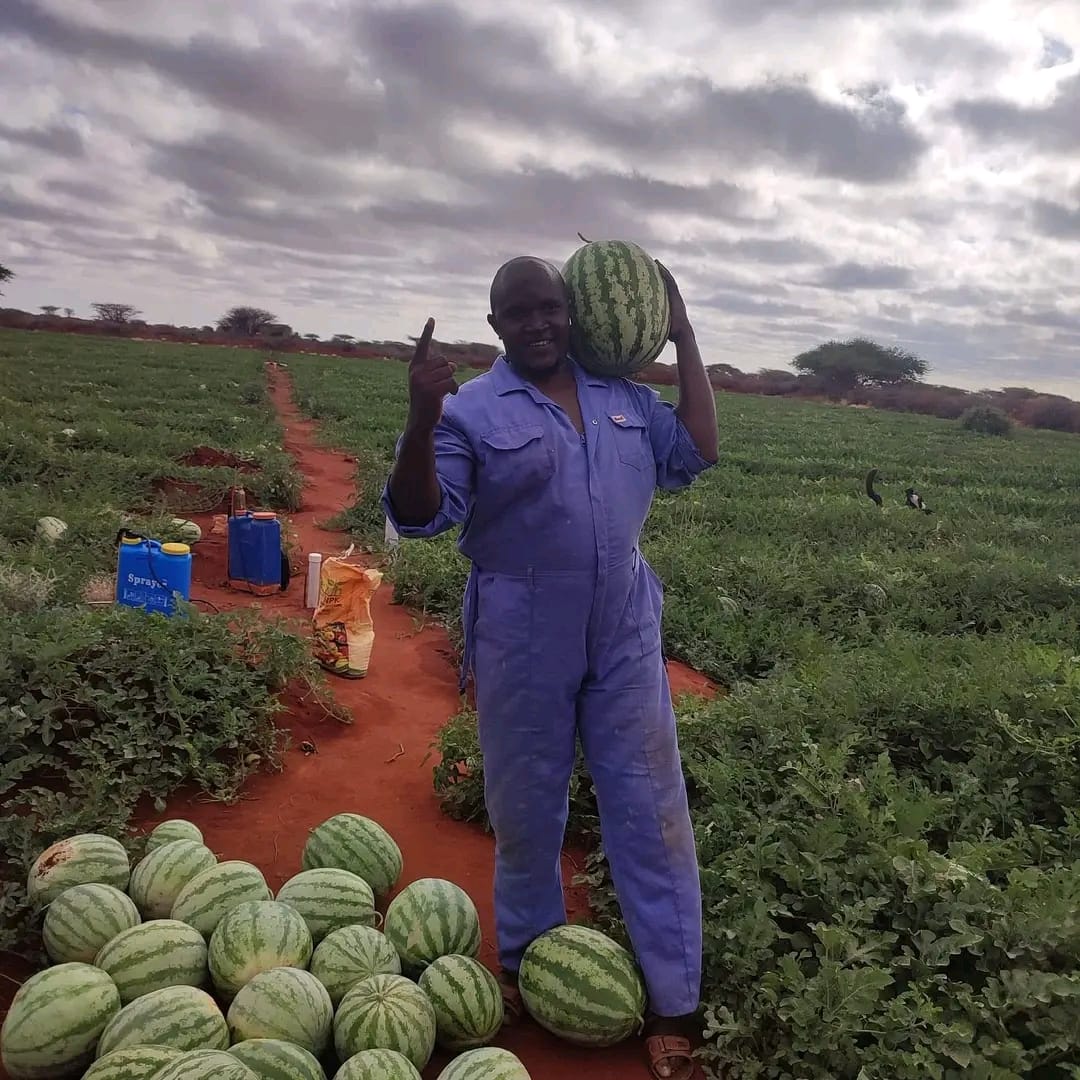
Some information sourced from Farm with Fred. Photo: Imam Musa, Somalia