





BY PHESHEYA KUNENE
MANZINI – Eswatini’s fields are no longer whispering dreams, they’re speaking the language of global trade.
From the fertile valleys of Hhohho to the sun-soaked plains of Lubombo, farmers are no longer just feeding the nation, they’re positioning Eswatini as a serious player on the international agricultural stage.
This week, the Kingdom proudly took its story to the 14th Nordic-African Business Summit in Oslo, Norway, one of Europe’s leading trade platforms for cross-continental investment and collaboration.
Represented by the Eswatini Investment Promotion Authority (EIPA), NAMBOARD, and Eswatini Coffee, the delegation showcased the country’s growing agricultural potential and export-ready products.
The summit, hosted by the Norway-African Business Association (NABA), was supported by the International Trade Centre (ITC) through EU funding.
The aim? To unlock new markets, strengthen partnerships, and attract investment into Eswatini’s agribusiness sector.
Speaking at the summit, Eva-Maria Engdahl, Head of Cooperation at the EU Delegation to Eswatini, said the country’s participation reflected its rising global confidence.
“Our goal is to empower Eswatini’s Micro, Small, and Medium Enterprises to compete confidently on the global stage by building connections, strengthening value chains, and opening doors to new markets,” she said.
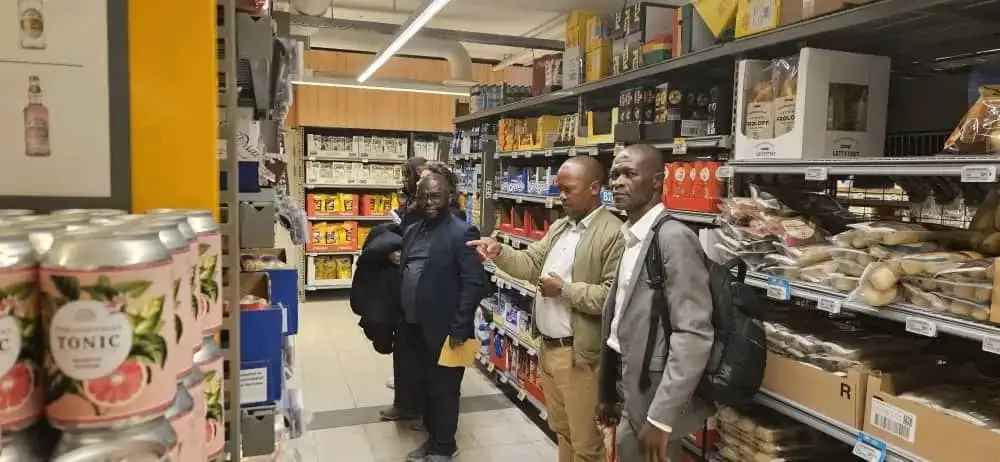
Beyond speeches and business cards, the Eswatini team got their hands dirty, figuratively. They conducted benchmarking visits to Nordic retail stores, studying packaging, pricing, and product placement to help local exporters align with international standards.
It was a learning mission with long-term goals: ensuring Swazi-grown coffee, organic vegetables, and value-added produce find their way onto European shelves.
CLIMATE CHANGE AND THE NEW SWAZI FARMER
Back home, Eswatini’s farmers are preparing for another planting season, maize, beans, and vegetables are already taking root in fields across the country. But the optimism comes with new realities.
The changing climate has forced farmers to think differently. Droughts, erratic rainfall, and heat waves have turned agriculture into a science of survival. Yet, amid these challenges, innovation is sprouting.
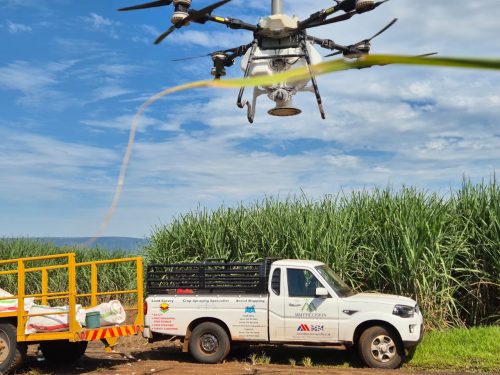
Local farmers are now embracing climate-smart agriculture, adopting drought-tolerant crops such as sorghum, millet, and cassava. Others are turning to crop rotation, mulching, and efficient irrigation systems to protect the soil and boost yields.
A SECTOR IN BLOOM
Agriculture remains Eswatini’s lifeblood, feeding families, creating jobs, and shaping rural livelihoods. But more than that, it’s becoming a symbol of national pride and resilience.
At the heart of this shift is a growing movement of passionate farmers who see agriculture not as an act of survival, but as a business, and a calling.
GROWING FUTURES, NOT JUST CROPS
The Nordic-African Business Summit marked a symbolic step for Eswatini, a sign that its agriculture is evolving from subsistence to sophistication.
It’s no longer about growing crops, it’s about growing futures. With global partnerships taking root and local farmers adapting fast, Eswatini’s agricultural sector is steadily becoming a beacon of resilience and opportunity.
From the fields to the world stage, the message is clear, Eswatini is open for growth.