
BY PHESHEYA KUNENE
Photos sourced from Embiveni Facebook Page.
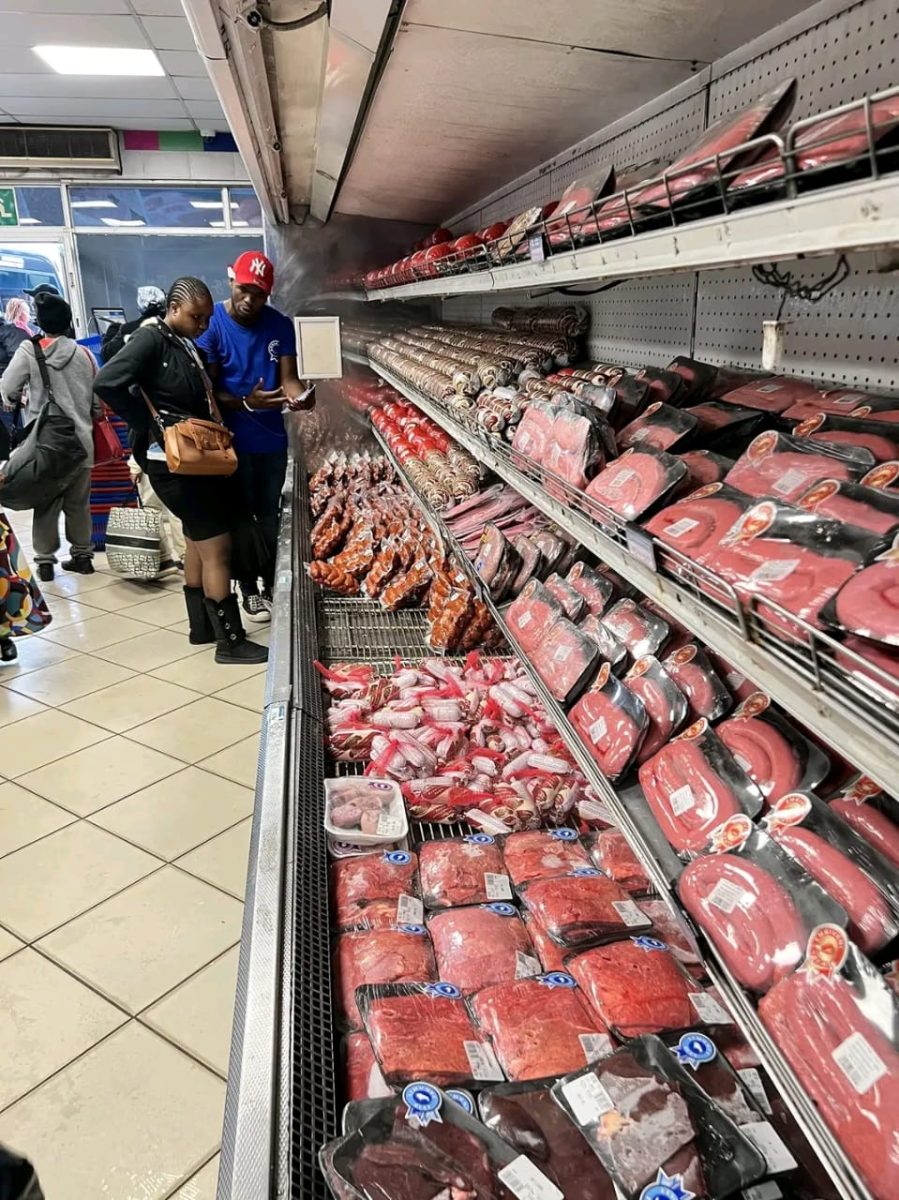
MANZINI — Eswatini Meat Industries has assured the nation that beef sold locally remains safe to eat despite the ongoing Foot-and-Mouth Disease (FMD) crisis that has disrupted livestock exports.
Officials from Eswatini Meat Industries, commonly known as Embiveni, say strict veterinary inspections remain in place to ensure that all meat supplied to the domestic market meets the highest safety standards.
The assurance was given by Nana Odonkor, the newly appointed Marketing Officer at the Embiveni-based meat processor, during a live interview on national broadcaster Eswatini Broadcasting and Information Services (EBIS).
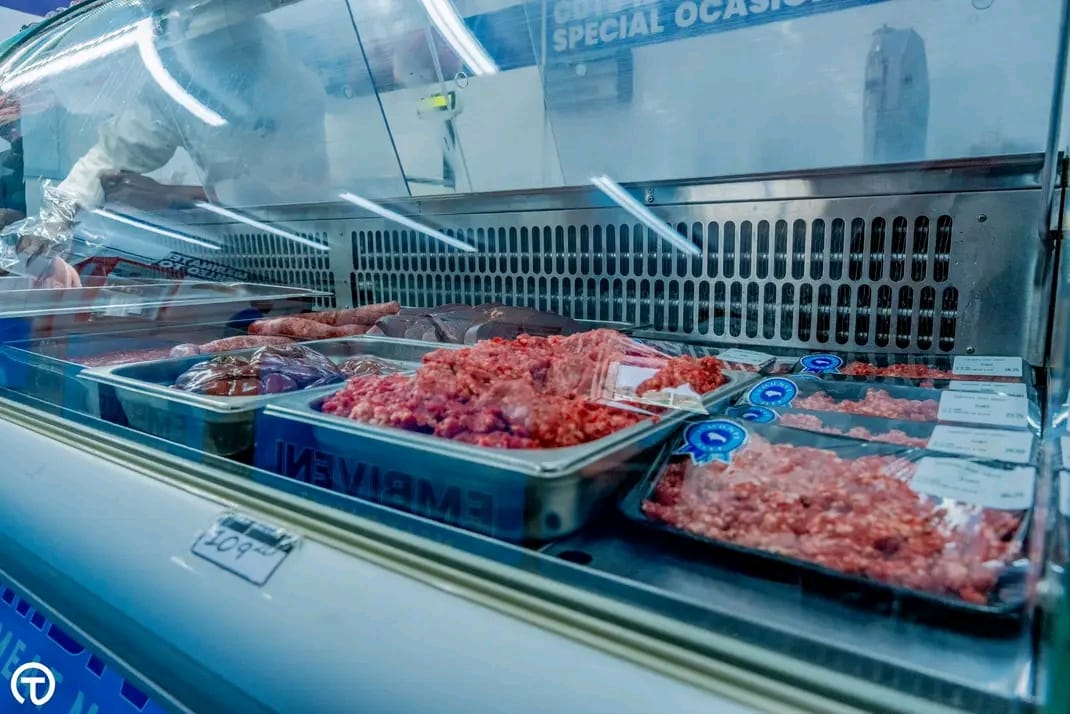
Odonkor acknowledged that the FMD outbreak had disrupted the company’s export operations, but stressed that consumers should have full confidence in the safety of locally supplied beef.
“The Foot-and-Mouth Disease situation has had an impact on our exports,” she said.
“However, we want to assure the nation that the meat supplied to the market is safe. Our products are inspected by highly qualified experts before reaching consumers.”
She explained that the company operates under strict veterinary supervision, with professional inspectors monitoring meat quality throughout the processing chain to ensure compliance with food safety standards.
EXPORT MARKETS UNDER PRESSURE
While domestic meat safety remains intact, the FMD outbreak has created serious challenges for the country’s beef export industry.
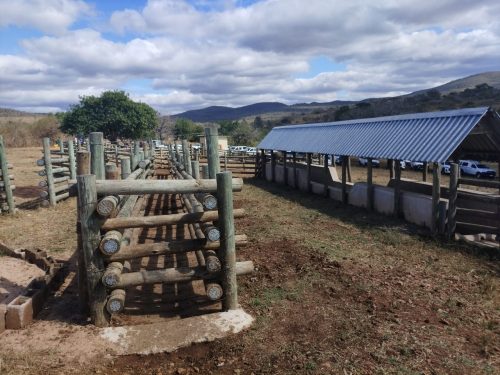
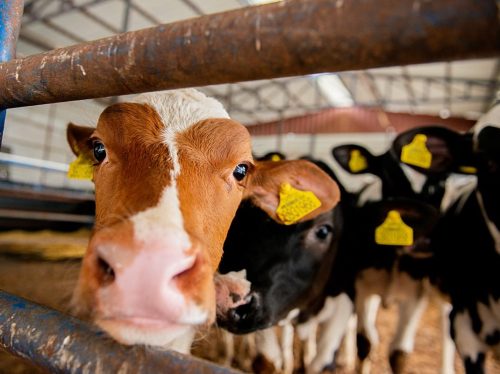
Like many countries in the region, Eswatini relies on international certification confirming that livestock is raised in disease-free zones before beef can enter global markets.
When outbreaks occur, trading partners often suspend imports to prevent the spread of the disease.
This has affected export channels for Eswatini Meat Industries, which supplies both the domestic market and international buyers.
Prior to the current restrictions, Eswatini exported significant volumes of beef annually to regional and overseas markets, generating valuable foreign currency and supporting thousands of cattle farmers across the country.
REGIONAL IMPACT RUNS INTO BILLIONS
The economic impact of FMD extends far beyond Eswatini.
Across Southern Africa, repeated outbreaks have disrupted trade and caused billions in lost export revenue.
In South Africa, one of the region’s largest beef exporters, recent outbreaks are expected to reduce export earnings by roughly R1.8 billion between 2025 and 2026.
Over several waves of outbreaks since 2019,
the South African beef sector has already recorded export losses exceeding R821 million, while total economic losses could climb to over E2.6 billion if disease outbreaks continue.
These figures illustrate the scale of the challenge facing livestock industries across the region whenever FMD emerges.
LOCAL MARKET CONFIDENCE CRITICAL
For Eswatini’s meat sector, maintaining consumer confidence in the domestic market has become a key priority while export markets remain restricted.
Authorities say strict inspection systems, veterinary oversight and regulated slaughter procedures ensure that meat reaching consumers is safe and properly handled.
Odonkor said the company remains committed to maintaining these standards while the country works to contain the disease and restore export access.
“Our focus is to continue supplying safe, high-quality meat to the nation,” she said.
“As experts inspect every product before it reaches the market, consumers can be confident about the quality and safety of the meat they buy.”
As veterinary authorities intensify efforts to control Foot-and-Mouth Disease, the industry hopes that once the outbreak is fully contained, international markets will gradually reopen and restore momentum to the country’s beef exports.