

BY PHESHEYA KUNENE | EDITOR
Eswatini’s leather industry is emerging as one of the country’s most promising value-addition sectors, and the rise of Melane Leather Eswatini demonstrates how locally processed livestock products can create jobs, unlock export markets and generate far greater value than raw hides.
That transformation has earned the company’s founder, Dumsile Nobuhle Simelane, the title of 2026 Hhohho Regional Entrepreneur of the Year. Her business has grown into one of the Kingdom’s leading manufacturers of premium handcrafted leather products, supplying corporate, retail and international markets while showcasing the commercial potential of processing local raw materials into high-value goods.
The recognition extends beyond one enterprise. It signals the growing importance of leather manufacturing within Eswatini’s livestock value chain, particularly as the country rebuilds momentum following the successful containment of the Foot-and-Mouth Disease (FMD) outbreak. For policymakers, investors and entrepreneurs, Melane Leather offers a practical example of how value addition can strengthen industrialisation, expand exports and create sustainable employment.

Turning Hides into Higher-Value Products
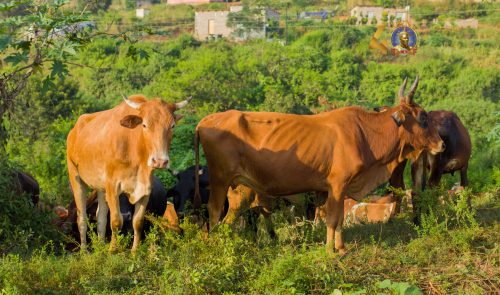
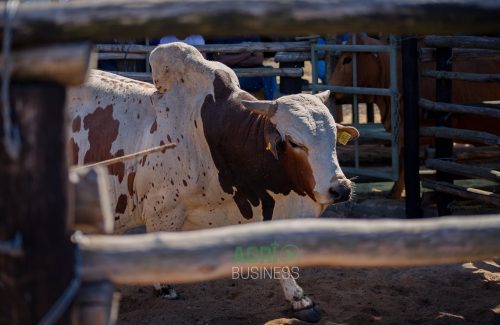
For decades, cattle have been among Eswatini’s most valuable agricultural assets, yet much of the industry’s economic return has come from beef production while hides received limited local processing.
Melane Leather is helping change that equation.
Operating from Lobamba eMashibhini, the company converts locally sourced cattle hides into premium laptop bags, handbags, wallets, belts, corporate gifts and customised leather accessories. Its products have reached customers in Taiwan, Malaysia, Mauritius and the United Arab Emirates, demonstrating that products manufactured in Eswatini can compete in demanding international markets.
A Strategic Opportunity for Eswatini
The leather industry is a vital component of Africa’s manufacturing economy. South Africa, Eswatini’s largest trading partner, has an established leather value chain supplying the automotive, footwear, furniture and fashion industries while exporting finished leather products worldwide.

For Eswatini, the opportunity lies in capturing more value from its own livestock resources. Instead of exporting raw hides, local processing can stimulate manufacturing, support small and medium enterprises, create skilled employment and increase export earnings. With access to the Southern African Customs Union (SACU) market and rising global demand for authentic handcrafted products, the country is well positioned to grow a competitive leather industry.
Built Through Entrepreneurship
Founded in 2016, Melane Leather began with just three leather-working machines. Today, it operates a fully equipped workshop, a retail outlet at Swazi Candles Craft Centre, and exports premium leather products to regional and international markets.
The company’s growth has been supported by institutions including SEDCO, Taiwan ICDF, the Ministry of Commerce, Industry and Trade, and the Eswatini Investment Promotion Authority (EIPA), which have helped strengthen its production capacity, quality standards and export readiness.
The latest accolade adds to an impressive record that includes the 2017 Hhohho Regional Entrepreneur of the Year award and the 2023 National Outstanding Handicraft Business Award, reflecting years of consistent business development and innovation.

Beyond One Business
Melane Leather’s success reflects a broader shift taking place across Eswatini’s economy. Recent Entrepreneurship of the Year Awards have increasingly recognised businesses built on agriculture and value addition, highlighting the country’s growing focus on transforming local resources into competitive enterprises.
For the livestock sector, the message is clear. Every processed hide represents greater economic value than an unprocessed one. Every finished leather product creates additional opportunities for manufacturing, exports and employment.
As Eswatini continues pursuing industrialisation and export-led growth, businesses such as Melane Leather demonstrate that the country’s competitive advantage will increasingly depend not only on producing agricultural commodities, but on transforming them into world-class products. In doing so, they are helping position Eswatini’s leather industry as an emerging contributor to economic diversification, manufacturing growth and sustainable economic development.