
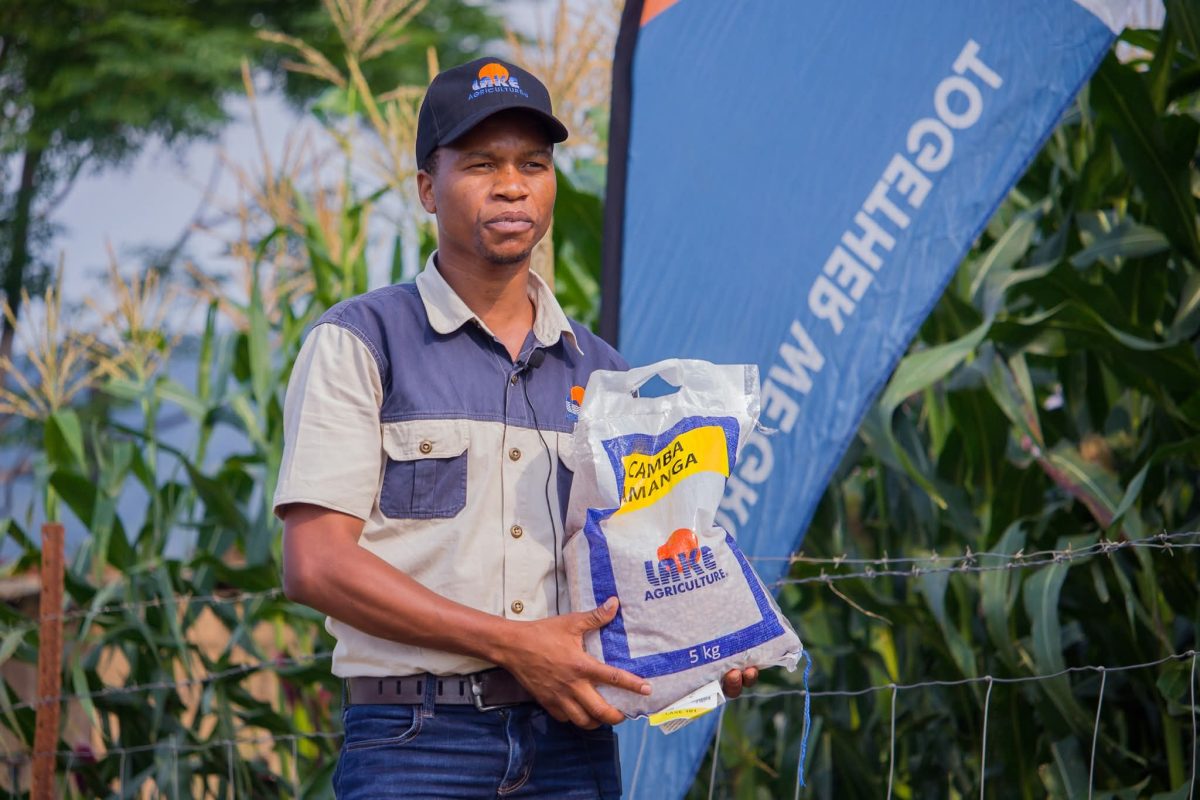
Lake Agriculture Agricultural Expert, Dumsani Mbingo displaying Lake 101 (Camba Manga) bean variety.
BY: SIBUSISIWE NDZIMANDZE | JOURNALIST
MALKERNS – At a time when agriculture in many schools was largely taught in theory, with limited practical exposure for learners, a growing gap emerged in crop production knowledge, seed understanding, and food security awareness among young people.
Many learners had little practical experience in maize and bean production despite agriculture remaining central to Eswatini’s economy and household food security. In some schools, gardening projects were underutilised, while learner participation in agricultural practicals remained low.
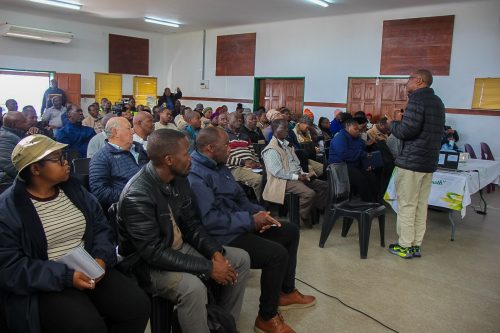
That gap will be in focus on 21 May 2026 when the National Maize and Beans Schools Competition takes place at Mfanyana Hall, Manzini Central High School, bringing together learners from primary, junior secondary and senior secondary schools.
It was this challenge that inspired the establishment of the Lake Agriculture Schools Competition in 2013 at Emvembili Central Primary School.
What started as a maize production project for a Grade 6 agriculture class has since grown into a national competition promoting practical agricultural education among learners across Eswatini.
This initiative was created to encourage young people to develop an interest in agriculture while strengthening practical learning in schools.
The programme also aims to promote gardening and crop production as part of efforts to improve food security and sustainability within communities.
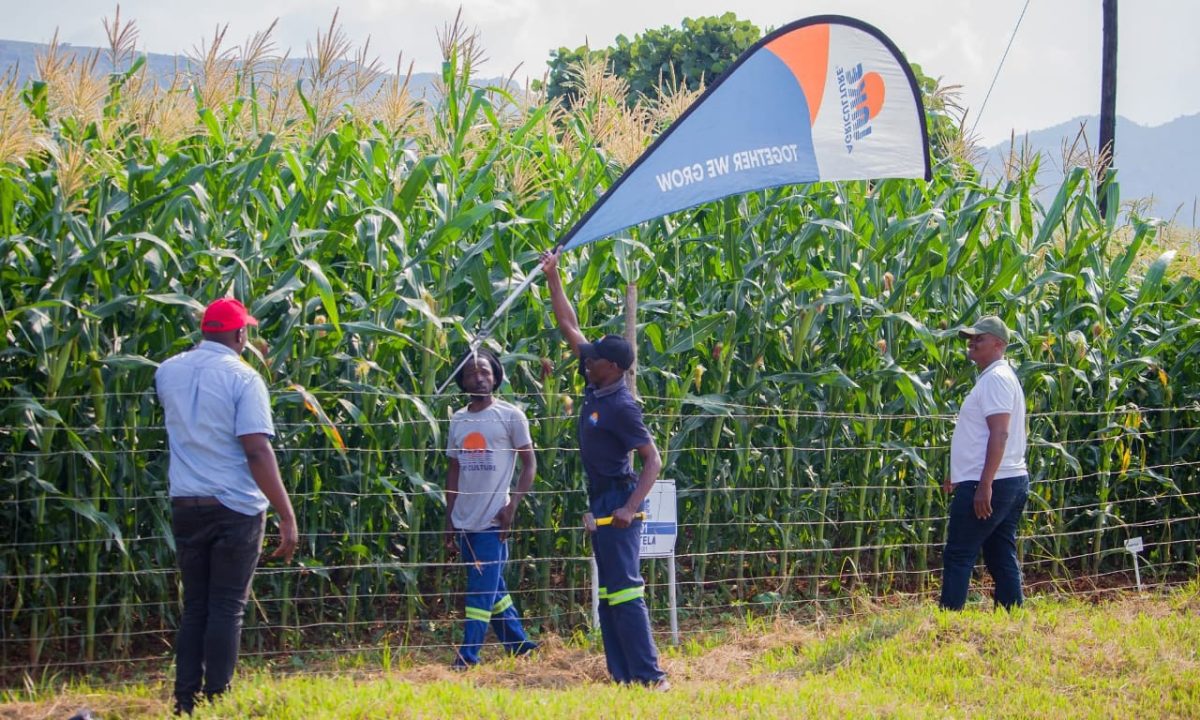
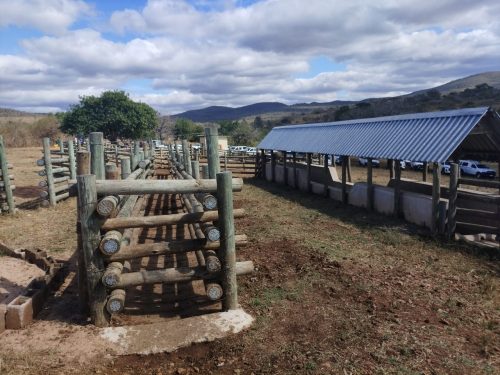
Lake Agriculture demonstration sites at Ntondozi.
Lake Agriculture is a seed company involved in the development, production and supply of maize and bean seed for both small-scale and commercial farmers. The company also provides agronomy support and farmer education, helping growers understand seed varieties, crop performance and production practices suited to different farming conditions.
Dumisani Mbingo, an agricultural expert at Lake Agriculture, said the competition was introduced to bridge the gap between classroom learning and practical farming experience.
“We realised there was a need to expose learners to practical agriculture at an early stage so that they can appreciate farming not only as a school subject, but as an important livelihood and economic activity,” said Mbingo.
He said the initiative helps learners gain practical crop production skills while exposing them to improved maize and bean seed varieties suitable for different geographical conditions.
“Many learners were learning agriculture in theory, but they did not have enough opportunities to practise production themselves. Through this competition, learners are now able to plant, monitor crops, compare varieties and understand which seed performs better in their areas,” he said.
The initiative began after learners from Emvembili Central Primary School visited Lake Agriculture in Malkerns on an educational tour to learn about seed production and crop varieties.
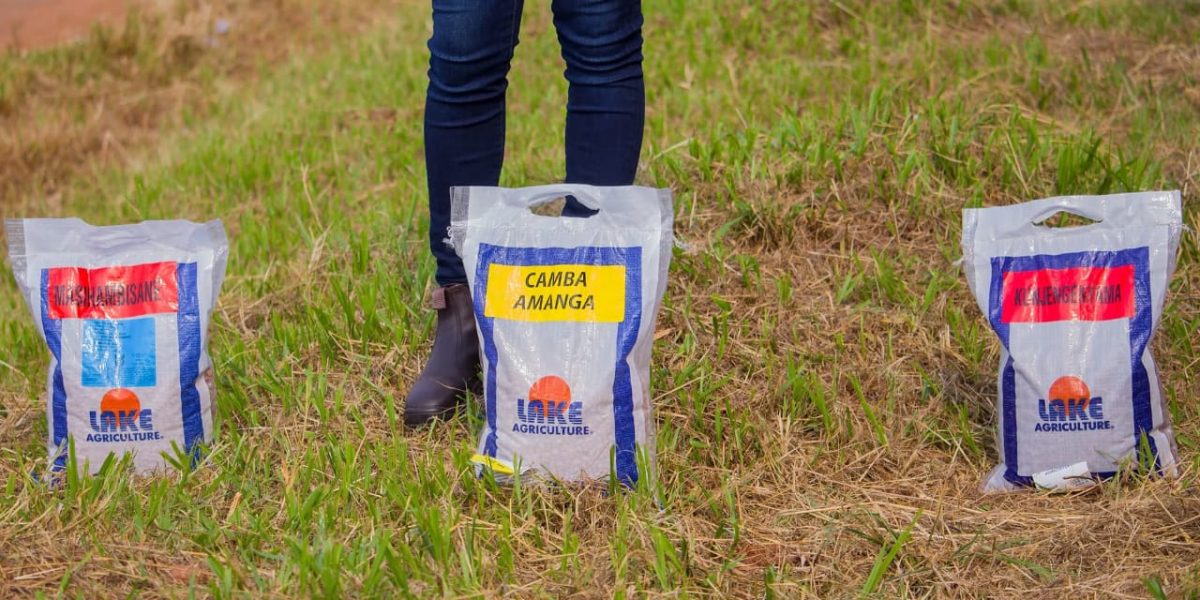
Lake Agriculture bean varieties.
Following the visit, organisers approached Lake Agriculture for support in launching a school-based maize production competition.
Lake Agriculture later provided maize seed varieties to help establish the project, with the LAKE 601-Vulindlela white maize seed becoming one of the first varieties used in the demonstrations.
The project initially involved only a few local schools, but interest quickly grew as more schools recognised the value of combining agricultural theory with practical crop production.
Between 2014 and 2015, the programme expanded to cluster school level, attracting schools such as Mashobeni Methodist and Ntfonjeni Primary School.
Learners participated in activities including maize cob displays, agricultural diaries, poetry, and quizzes focusing on maize and bean production.
Mbingo said the competition was designed to make agriculture more engaging and interactive for learners.
“We wanted learners to enjoy agriculture and express themselves beyond the field. That is why we included activities such as poetry, agricultural diaries and quizzes because agriculture must also inspire creativity and confidence among young people,” he said.
Lake Agriculture continued supporting the initiative through the provision of seeds, refreshments, awards, and logistical support during competitions and prize-giving ceremonies.
From 2016 to 2024, the competition expanded further to regional level within the Hhohho Region as participation continued to grow.
More than 15 primary schools and 20 high schools participated during this phase, while institutions such as Ngwane Teachers College and the University of Eswatini’s Luyengo Campus also joined the programme.
Mbingo said the initiative has evolved into a platform that strengthens agricultural awareness and food production knowledge among young people.
“This initiative is not only about competition. It is about building future farmers, strengthening food security awareness, and helping learners understand the importance of agriculture in national development,” he said.
This initiative has also helped schools and communities identify maize and bean varieties that perform better under different climatic and geographical conditions.
In 2025, the programme entered a national phase through the support of the Eswatini Agriculture Teachers Association, which is now assisting in expanding participation to schools across the country.
The national competition will bring together primary, junior secondary and senior secondary schools that have been provided with maize and bean seed varieties for demonstration plots.
Learners are expected to showcase maize cobs harvested from their demonstration plots, dry bean samples, agricultural diaries, poems, and participate in quizzes focusing on maize and bean production.
The awards ceremony will recognise schools that have demonstrated excellence, commitment, and innovation in agricultural practicals across different categories.