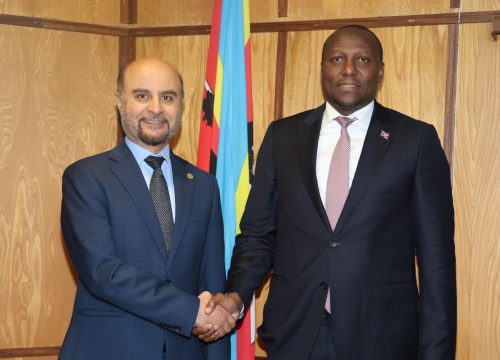
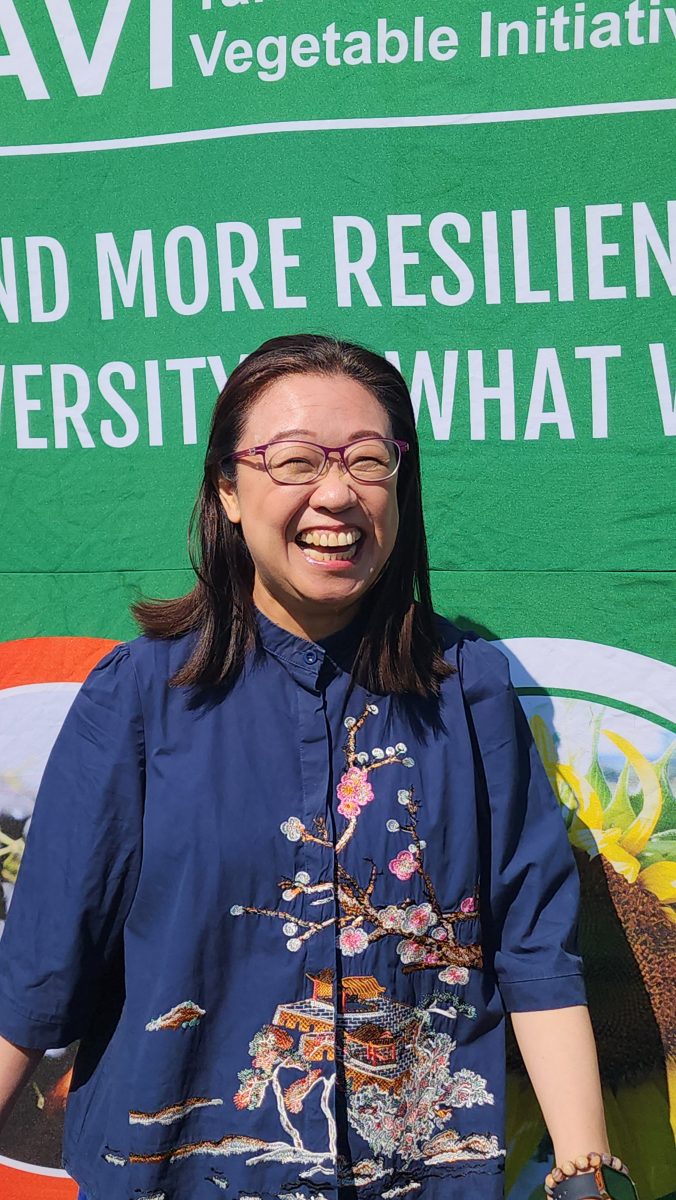
Taiwan-Africa Vegetable Initiative Project Manager Dr Sophia Chan during an interview.
BY: PHESHEYA KUNENE | EDITOR
MALKERNS – Eswatini is turning school feeding into an agricultural economy as more than 59 400 pupils receive Traditional African Vegetables supplied in bulk by smallholder farmers, while school cooks and focal teachers undergo specialised nutrition training under TAVI Phase II.
Through the Taiwan-Africa Vegetable Initiative (TAVI) Phase II, 42 schools across the country are now integrating nutrient-rich Traditional African Vegetables into the National School Feeding Programme as government and development partners push to improve child nutrition, strengthen local agriculture and create sustainable markets for rural farmers.
At least 84 smallholder farmers are already benefiting from the initiative through structured supply arrangements that allow them to deliver vegetables directly to participating schools.
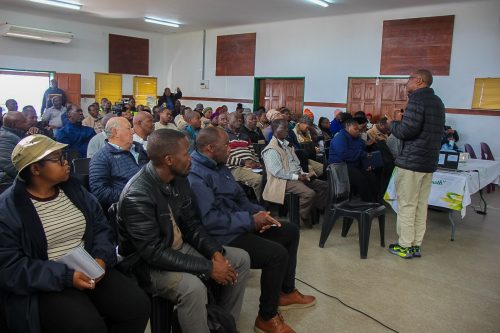
This week, school cooks and focal teachers from schools in the Manzini, Hhohho, Lubombo and Shiselweni regions gathered at Malkerns Research Station for a specialised training workshop focused on nutrition, food safety, hygiene and preparation of healthier meals using Traditional African Vegetables.
The training forms part of TAVI’s broader strategy to professionalise school feeding programmes while transforming indigenous vegetables into a commercial agricultural value chain.
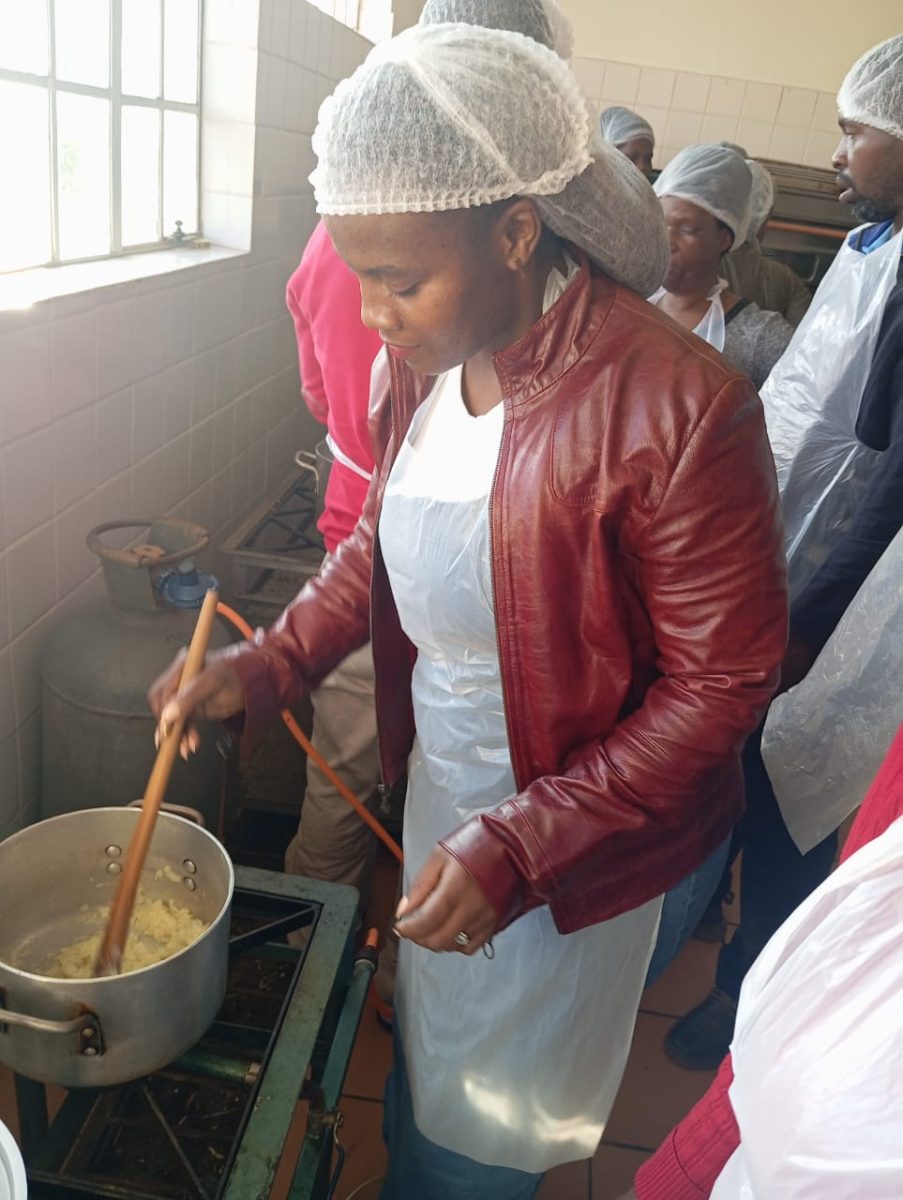
Boyane Primary School focal teacher, Nomvuyo Dlamini preparing a meal using Traditional African Vegetables.
Speaking during the workshop, TAVI Project Manager under the World Vegetable Center, Dr. Sophia Chan, said the programme was helping schools improve nutrition while simultaneously creating economic opportunities for local farmers.
“Every healthy meal prepared in schools can make a real difference in the growth, concentration, learning ability and future of our children,” said Chan.
She explained that the vegetables supplied to schools are sourced from local farmers, creating direct income opportunities while improving the quality of school meals.
Under the programme, farmers are now supplying schools with vegetables several times a week, with selected schools in all four regions participating in a monitoring assessment studying how learners respond to Traditional African Vegetables within the National School Feeding Programme.
The schools are receiving deliveries four times per week as part of the assessment.The initiative is also positioning Traditional African Vegetables, once largely associated with subsistence farming, as serious commercial crops capable of generating sustainable income for rural farmers.
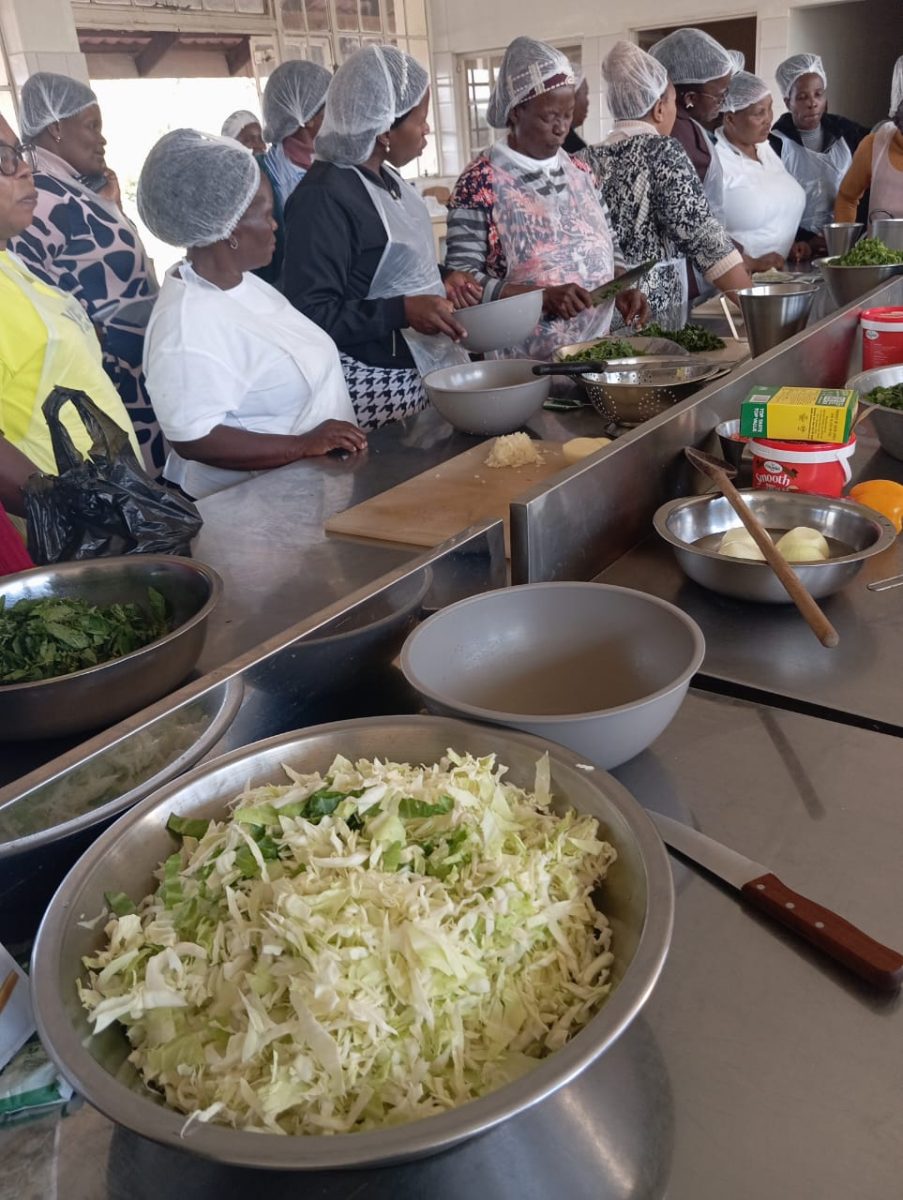
Participants preparing different Traditional African Vegetable dishes.
The project is estimated to be creating a market worth nearly E50 million through school feeding supply chains alone.For many smallholder farmers, the programme is becoming one of the few structured agricultural markets with predictable demand.
Farmers participating in the programme are receiving training in crop management, irrigation, pest control and post-harvest handling while also gaining access to seeds and agricultural support systems.
Ministry of Agriculture Principal Home Economics Officer Nozizwe Zwane said schools must strengthen food production and increase the use of locally grown vegetables within feeding programmes.
She further stressed that school meals should be nutritious, attractive and properly prepared for learners.
Senior Inspector for Nutrition under the Ministry of Education and Training, Thobile Gamedze, said the programme was playing a critical role in strengthening the National School Feeding Programme and improving learner health outcomes.
Gamedze noted that school cooks and focal teachers were now being equipped with practical skills that would improve meal preparation standards across participating schools.
At Boyane Primary School, focal teacher Nomvuyo Dlamini said about 760 learners were currently benefiting from the programme.
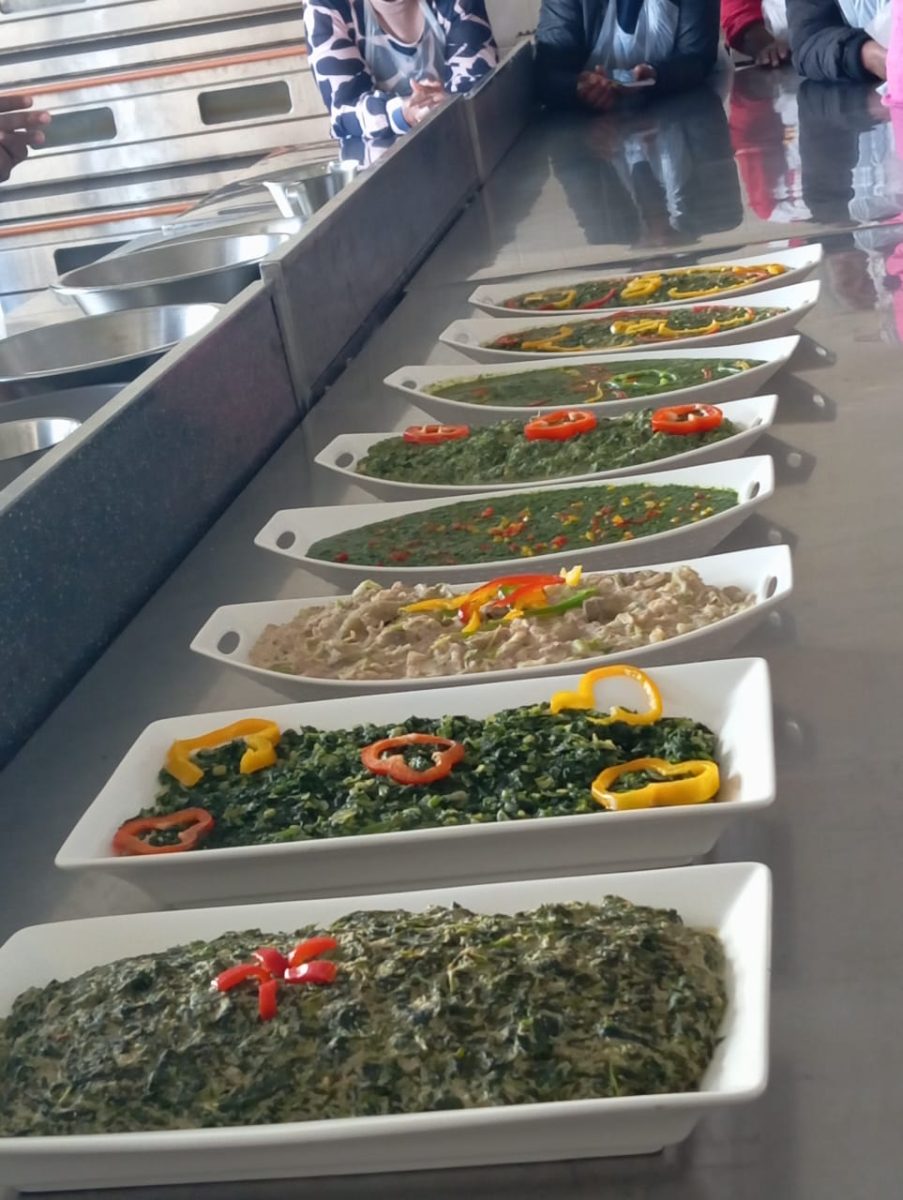
Traditional African Vegetable dishes.
She explained that while government continues providing starch-based meals, TAVI complements the feeding programme with nutrient-rich Traditional African Vegetables.
“The project helps schools provide learners with balanced diets while supporting children from different home backgrounds,” she said.
Meanwhile, Sydney Williams Primary School cook Staff Motsa said more than 5 000 learners had benefited from the programme since its introduction four years ago.
Motsa said the training had improved her practical cooking skills and changed how meals are prepared for learners.
The TAVI programme is implemented through collaboration between the Government of Taiwan, the Ministry of Agriculture and the Ministry of Education and Training.
Beyond improving school meals, the initiative is increasingly being viewed as a long-term strategy to strengthen nutrition-sensitive agriculture, create rural income opportunities and build future agricultural skills among learners.
Schools participating in the programme are also receiving agricultural inputs including seeds, water tanks and gardening tools to establish climate-resilient gardens that serve both as food sources and practical learning spaces.
For Eswatini, where food insecurity and malnutrition continue to affect vulnerable households, the programme is gradually turning school feeding into something far bigger than a meal programme.It is becoming an agricultural market, a nutrition intervention and a rural economic support system rolled into one.