
…Government and conservation leaders say young people must drive Eswatini’s environmental future as climate pressures intensify
BY: PHESHEYA KUNENE | EDITOR
LOBAMBA – Eswatini’s environmental future will depend less on policy documents alone and more on whether young people are prepared to defend the country’s shrinking biodiversity, degraded land and increasingly strained natural resources.
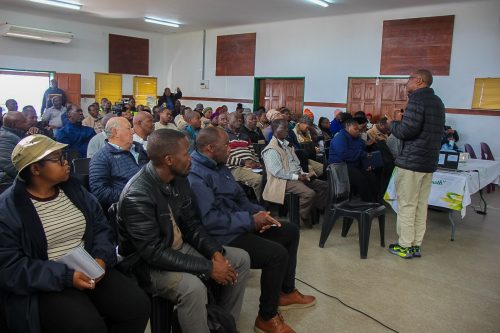
That was the central message during a youth engagement workshop convened by the Eswatini National Trust Commission (ENTC) at King Sobhuza Memorial Park under the theme, “Strengthening Youth Engagement in the Implementation of the NBSAP 3.0 and Nationally Determined Contributions (NDC 3.0).”
The workshop brought together government officials, climate stakeholders and young people to discuss how youth can play a more active role in biodiversity conservation, climate governance and environmental policy implementation.
Delivering welcoming remarks, ENTC Chief Executive Officer Thulani Methula said the country’s environmental challenges could no longer be left to government institutions alone.
He warned that climate change, biodiversity loss and land degradation were placing growing pressure on livelihoods, food systems and water resources, making youth participation increasingly critical.
“Environmental challenges cannot be addressed by government alone,” said Methula.
“We need partnerships, innovation and young leaders who are prepared to take ownership of the country’s natural heritage.”
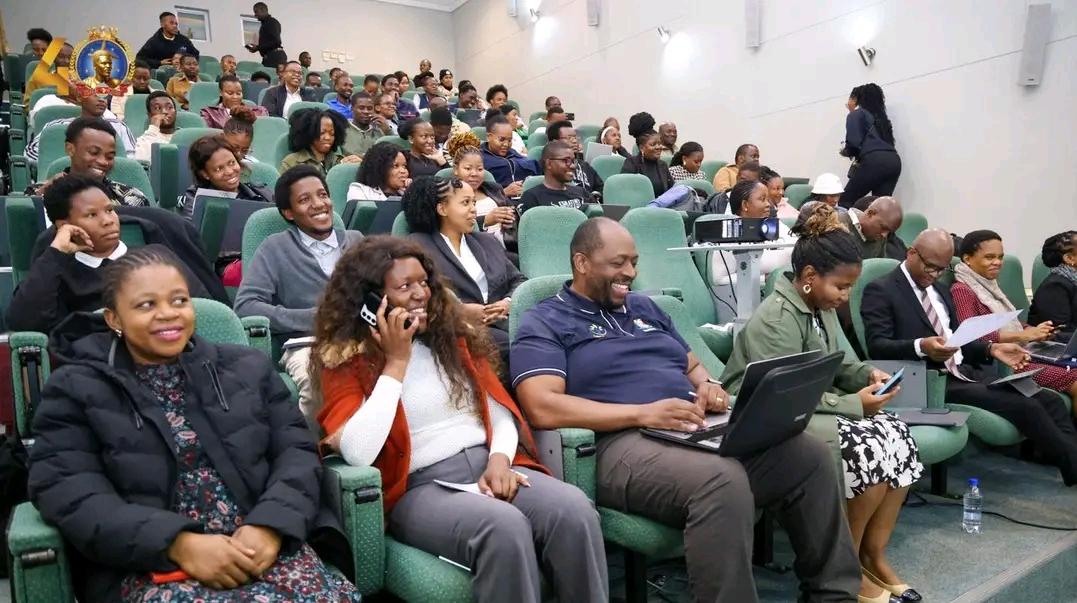
Methula said ENTC’s responsibility extends beyond protecting wildlife, biodiversity and cultural heritage sites, arguing that communities and young people must also be equipped with the tools and opportunities needed to safeguard the country’s environmental future.
He described the workshop as an important bridge between national policy frameworks and the lived realities facing young emaSwati.
The engagement focused on Eswatini’s National Biodiversity Strategy and Action Plan (NBSAP 3.0) and the Nationally Determined Contributions framework (NDC 3.0), both of which form part of the country’s response to climate change, biodiversity conservation and international environmental obligations.
Methula further reaffirmed ENTC’s commitment to supporting youth led environmental initiatives through mentorship, technical support and collaborative partnerships.
“Youth participation is central to sustainability because it guarantees continuity and long term impact,” he said.
He added that outcomes from the workshop were expected to directly contribute to the ongoing review of NBSAP 3.0 and strengthen implementation of the country’s NDC commitments.
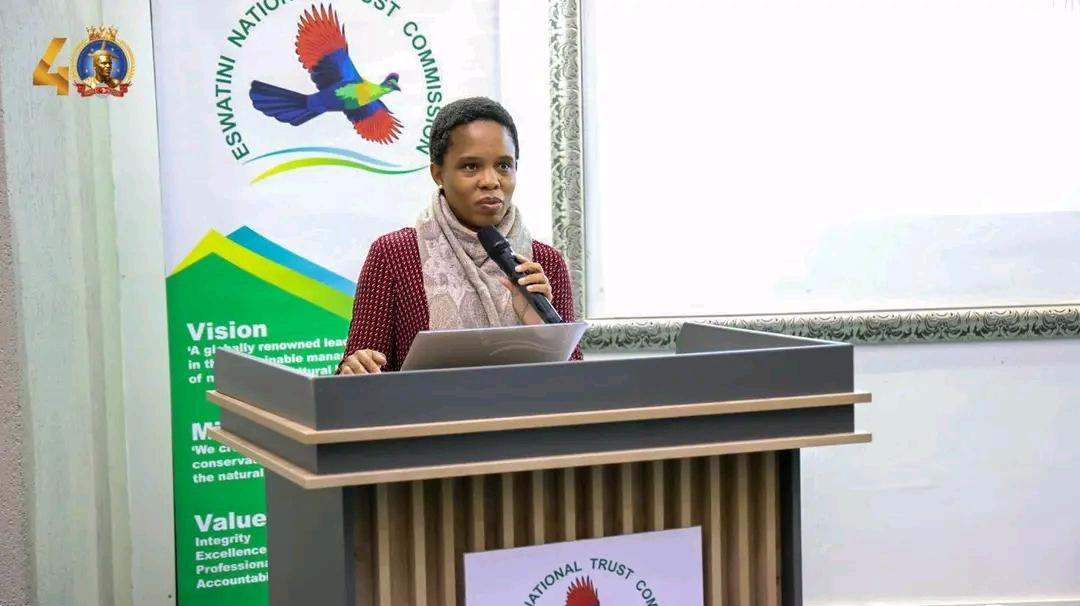
Speaking on behalf of the Ministry of Tourism and Environmental Affairs, Acting Principal Secretary Dudu Nhlengetfwa-Masina said Eswatini was facing escalating environmental pressures that were already affecting livelihoods and food security.
She noted that despite young people making up a significant portion of the population, they had historically remained underrepresented in environmental governance processes.
“There has been a clear participation gap,” she said.
“Young people are the inheritors of this natural heritage, yet they are often excluded from decision making spaces.”
Nhlengetfwa-Masina said the revision of NBSAP 3.0 presents an opportunity to reposition youth from passive observers to active leaders in conservation and climate resilience efforts.
She further explained that the NDC 3.0 framework creates space for integrating ecosystem restoration, sustainable land management and climate adaptation strategies into national development planning.
“The workshop aims to break down traditional silos and empower young people to lead integrated solutions,” she said.
Her remarks come at a time when climate related shocks continue to affect Southern Africa, with recurring droughts, erratic rainfall patterns and environmental degradation placing increasing strain on agriculture, water security and rural livelihoods.
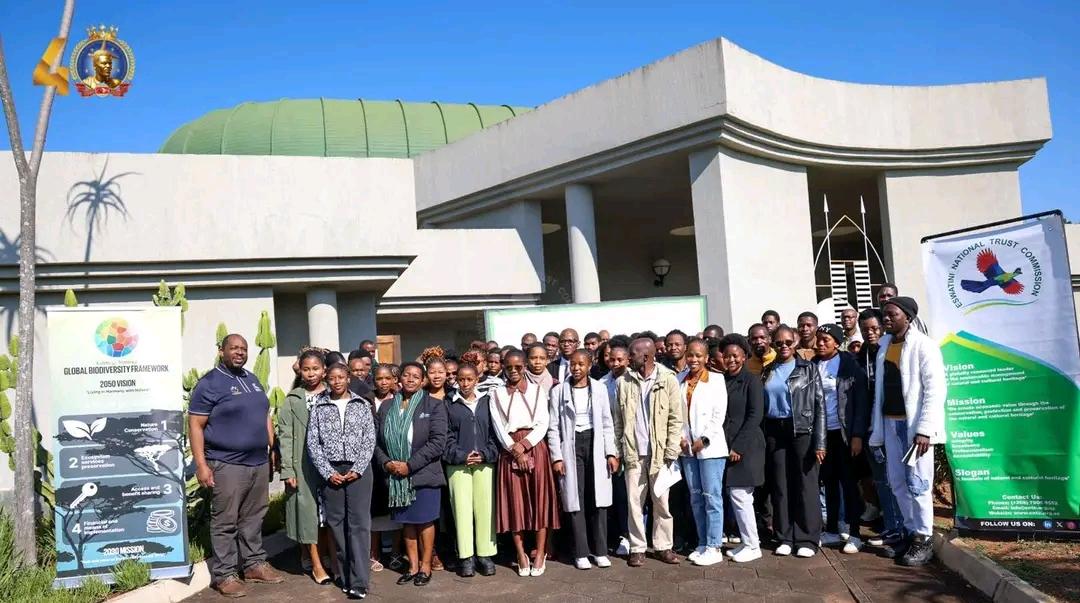
Eswatini has in recent years intensified efforts to align itself with international environmental commitments under frameworks such as the United Nations Paris Agreement and the Kunming Montreal Global Biodiversity Framework.
The country’s revised biodiversity and climate action strategies are expected to shape conservation priorities, ecosystem restoration projects and climate adaptation programmes over the coming years.
Closing the session, Nhlengetfwa-Masina officially declared the workshop open and reaffirmed government’s support for initiatives aimed at strengthening youth participation in environmental governance.
“Empowering young people is not optional,” she said.
“It is a national priority tied directly to the country’s environmental future.”