

Taiwan Africa Vegetable Initiative Project Manager Dr. Sophia Chan delivering her remarks.
BY: SIBUSISIWE NDZIMANDZE | JOURNALIST
MALKERNS – For many years, Traditional African Vegetables have remained an important part of household food security and smallholder production, yet their integration into formal food value chains including restaurants, and commercial food outlets has remained limited.
This has created a gap in the value chain. Farmers may grow the vegetables, but without strong market demand, their opportunities remain limited.
Restaurants may have customers interested in healthier and indigenous meals, but without proper training and reliable supply, Traditional African Vegetables often remain outside mainstream menus.
The Taiwan Africa Vegetable Initiative (TAVI) Phase II is now working to close that gap by linking farmers, restaurants and consumers through a stronger food value chain.
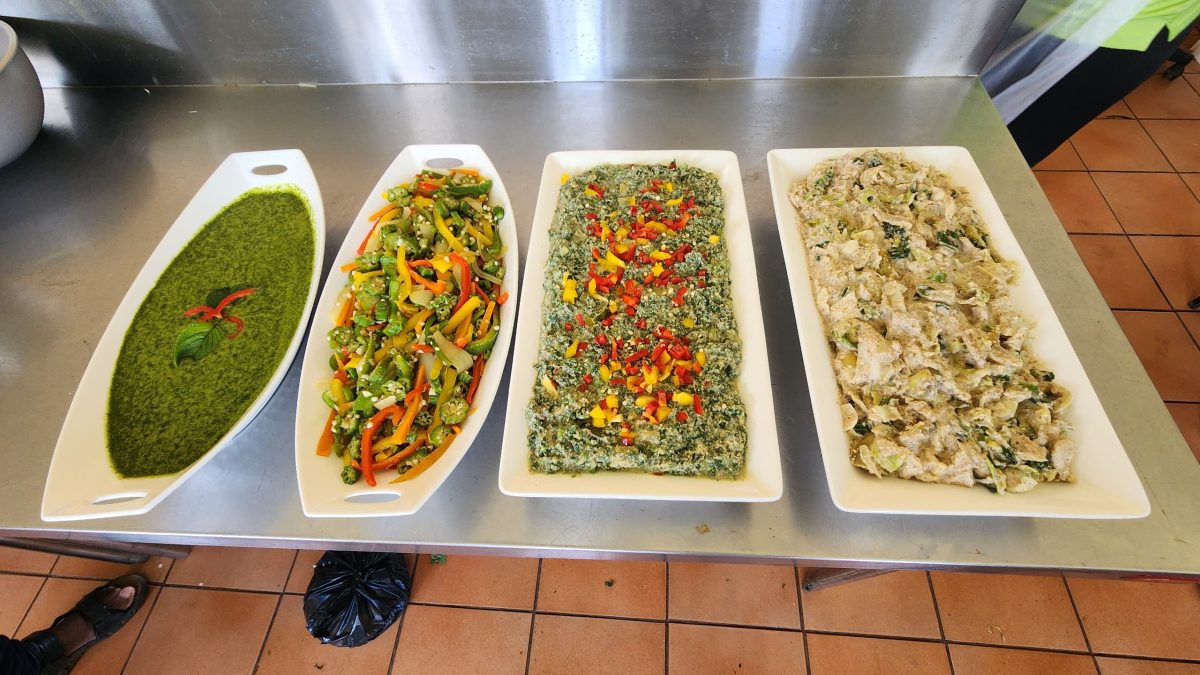
Traditional African vegetables dishes prepared.
This was the focus of the TAVI Phase II Culinary Training and Certification Workshop, hosted by the World Vegetable Center at Mphophoma Conference and Training Center in Malkerns, where representatives from five restaurants received theory and practical training on Traditional African Vegetables.
The workshop focused on nutrition, food safety, hygiene, presentation, value addition and practical cooking skills.
Participants were trained on how to prepare indigenous vegetables in a way that preserves their nutritional value while making them attractive to modern consumers.
TAVI Project Manager at the World Vegetable Center, Dr. Sophia Chan, said the initiative is designed to create benefits across the entire value chain.
“We firstly engage with smallholder farmers who provide vegetables to our 42 schools across the nation. Later on, we will also have commercial production farmers focusing on larger-scale production. All those farmers will be able to supply vegetables to the restaurants,” said Chan.
Chan said the project is not only about producing vegetables, but also about creating a market for them.
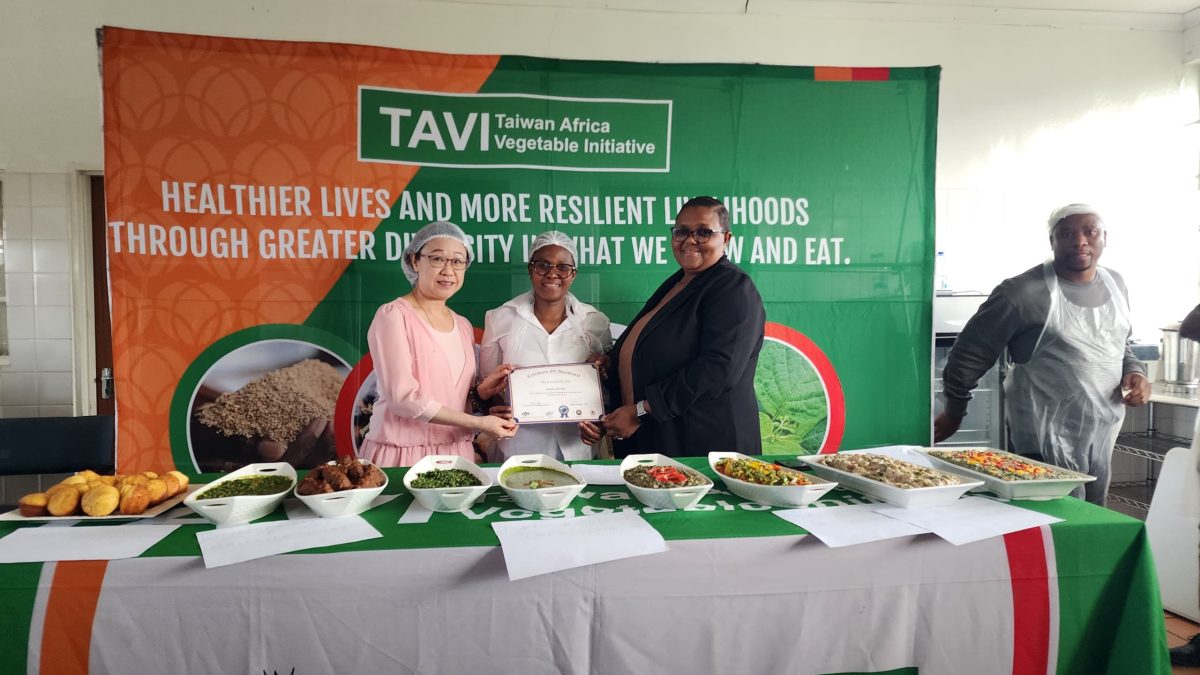
One of the participants, Busisiwe Mtsetfwa owner of Busi’s restaurant receiving her certificate after trainings.
By working with restaurants, TAVI hopes to increase demand for Traditional African Vegetables and make them more visible to consumers.She said participating restaurants will also benefit through promotion during TAVI outreach activities and events.
“The restaurants get business, the TAVI office gets visibility, and everybody loves Traditional African Vegetables,” she said.
Chan added that restaurants and chefs have a powerful role to play in changing how consumers view indigenous foods.
Through good presentation and quality preparation, she said, Traditional African Vegetables can be repositioned as desirable, modern and commercially valuable food choices.
“Restaurants and chefs have a unique influence on consumer preference and public awareness. Through attractive presentation and quality food preparation, you can help reposition Traditional African Vegetables as desirable and modern food choices,” she said.
She emphasised that the workshop was not just a cooking lesson, but the beginning of a long-term partnership between agriculture, nutrition and the hospitality sector in Eswatini.
“Today’s workshop is therefore not simply a cooking training. It is also an opportunity to build a long-term partnership,” she said.
At the close of the workshop, the five participating restaurants received certificates in recognition of their participation in the TAVI Phase II Culinary Training and Certification Workshop.
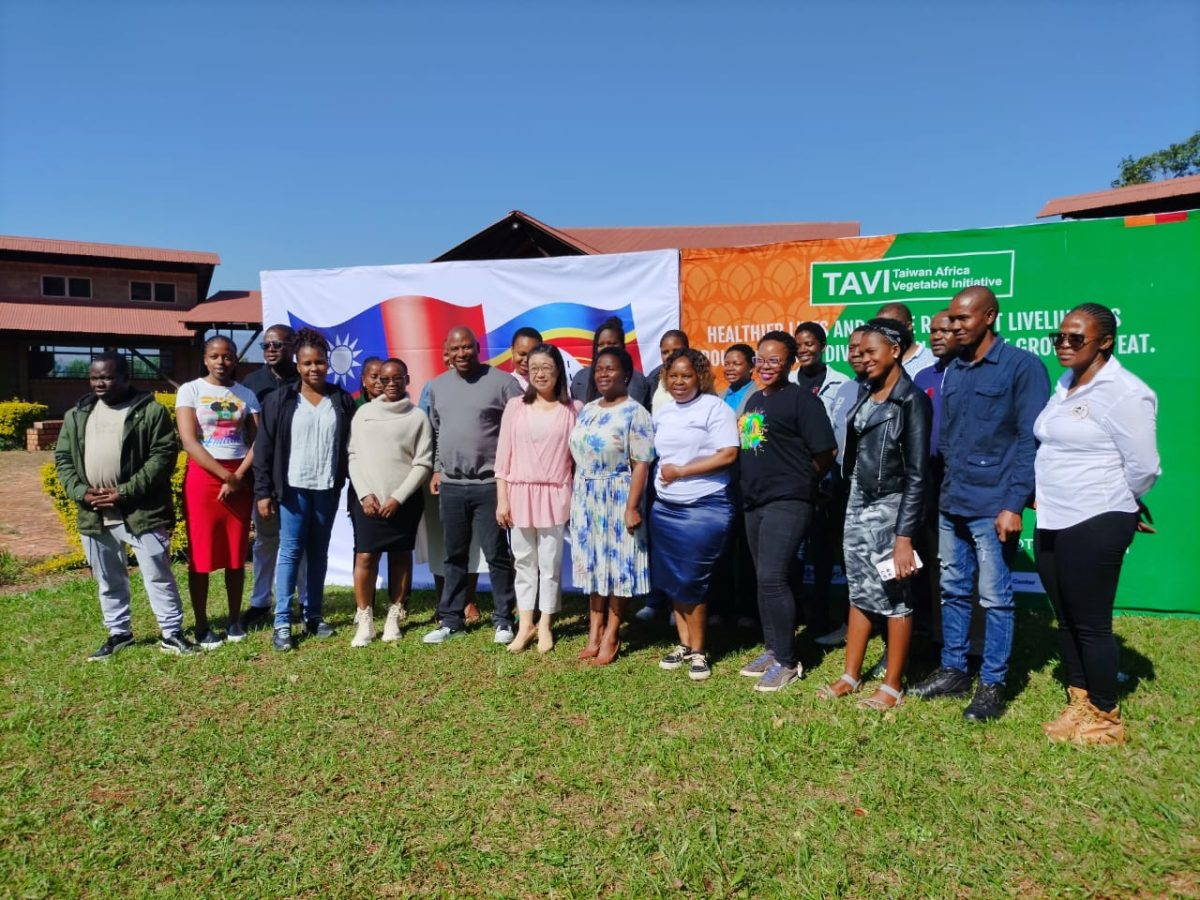
Participants posing for a group photo with World Vegetable Center staff.
Chan also revealed that TAVI is exploring ways to support restaurants with vegetables for special promotional days.
On such days, restaurants would prepare TAVI-based dishes for customers, while the project and media partners help promote the activity.
She said this would allow restaurants to test whether customers are interested in Traditional African Vegetable dishes.
If the response is positive, restaurants could then start buying vegetables directly from farmers, creating a new market opportunity for local producers.
One of the participants, Busisiwe Mtsetfwa from Busi’s Kitchen, welcomed the initiative, saying the workshop strengthened their culinary skills in the preparation, presentation and value addition of Traditional African Vegetables for the food service market.
“We have gained valuable skills on how to prepare and present Traditional African Vegetables in a way that is attractive and ready for consumers. I encourage people with access to land to produce these vegetables, because restaurants are ready to source from local farmers as market demand continues to grow,” said Mtsetfwa.
The workshop also included practical cooking sessions where chefs from the participating restaurants prepared different ready-to-serve indigenous dishes, including amaranth relish and pumpkin leaf relish.
The practical session demonstrated that Traditional African Vegetables can move beyond the home kitchen and become part of restaurant menus, public events and commercial food service.
For farmers, this means possible access to new buyers. For restaurants, it means fresh menu ideas and business opportunities. For consumers, it means healthier and more nutritious food choices.
Through support from the Government of the Republic of China (Taiwan), TAVI Phase II continues to promote nutrition education, smallholder farmer support and market-oriented agriculture in Eswatini.
By connecting production, preparation and consumption, the initiative is helping to show that Traditional African Vegetables are not only part of Eswatini’s food heritage, but also a serious agribusiness opportunity.