
BY PHESHEYA KUNENE – EDITOR
MPUMALANGA – Southern Africa is discovering that Foot and Mouth Disease does not respect borders.
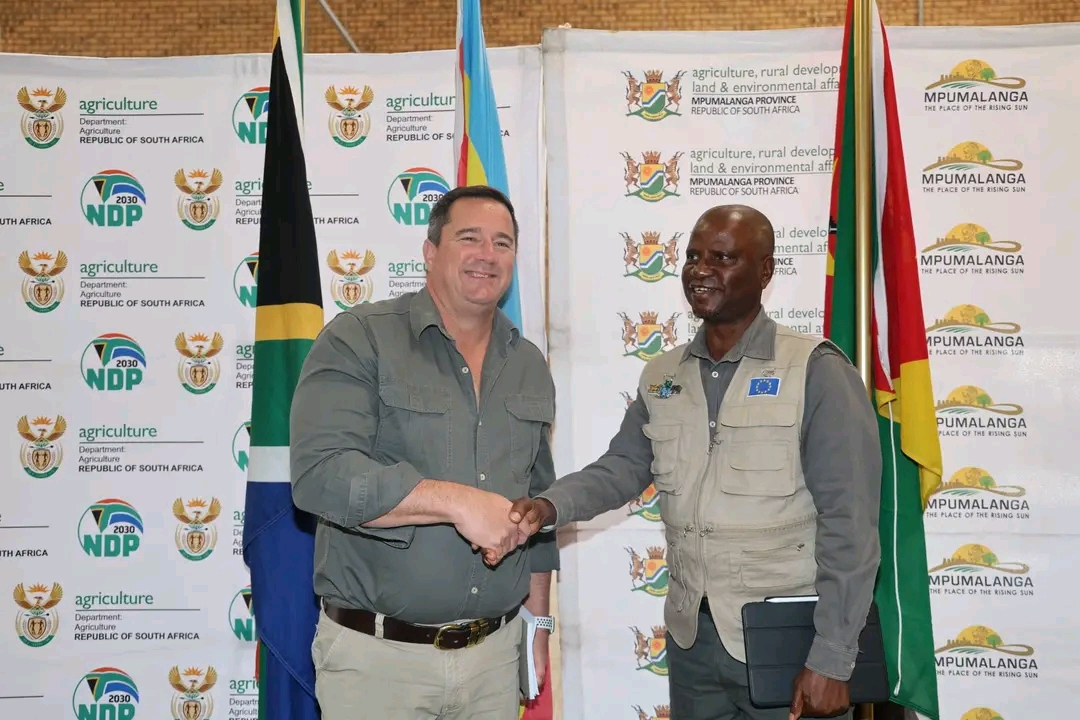
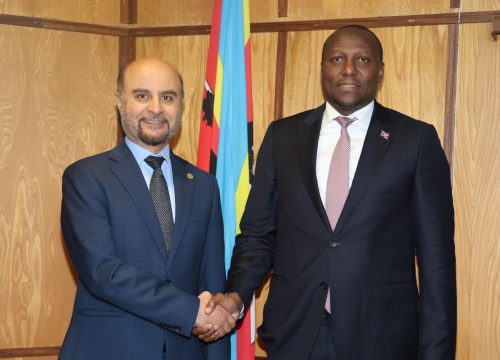
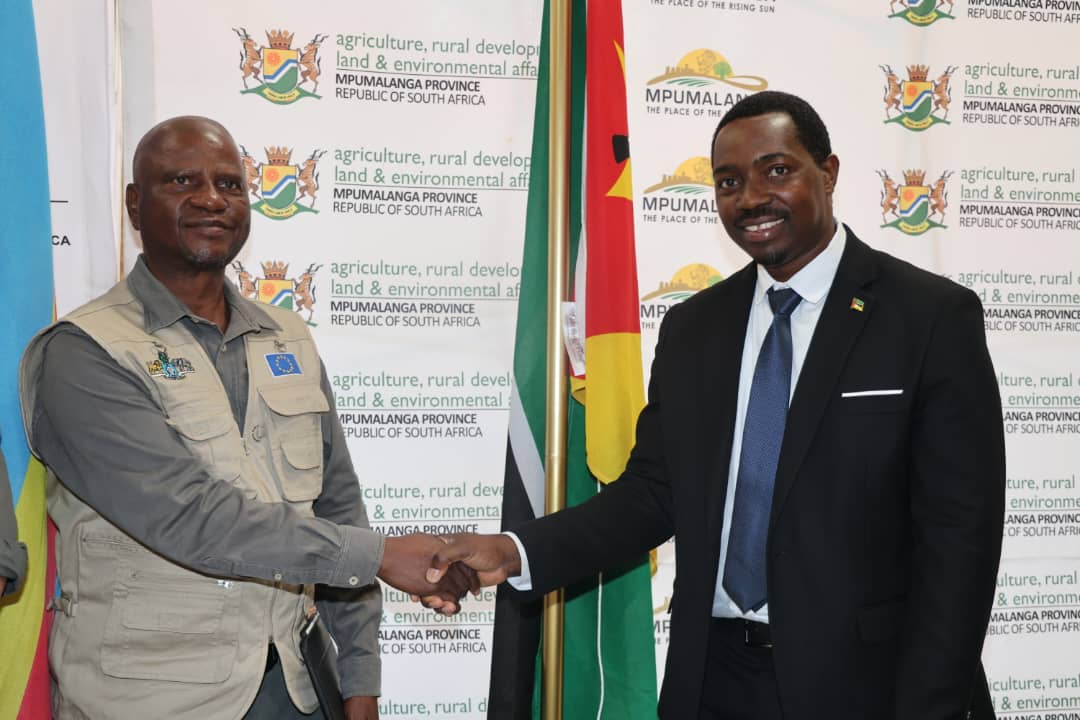
Eswatini’s Minister of Agriculture, Mandla Tshawuka joined South African and Mozambican agricultural authorities in South Africa yesterday as the three countries intensified a coordinated regional response against Foot and Mouth Disease (FMD) and other transboundary animal diseases threatening livestock production across the region.
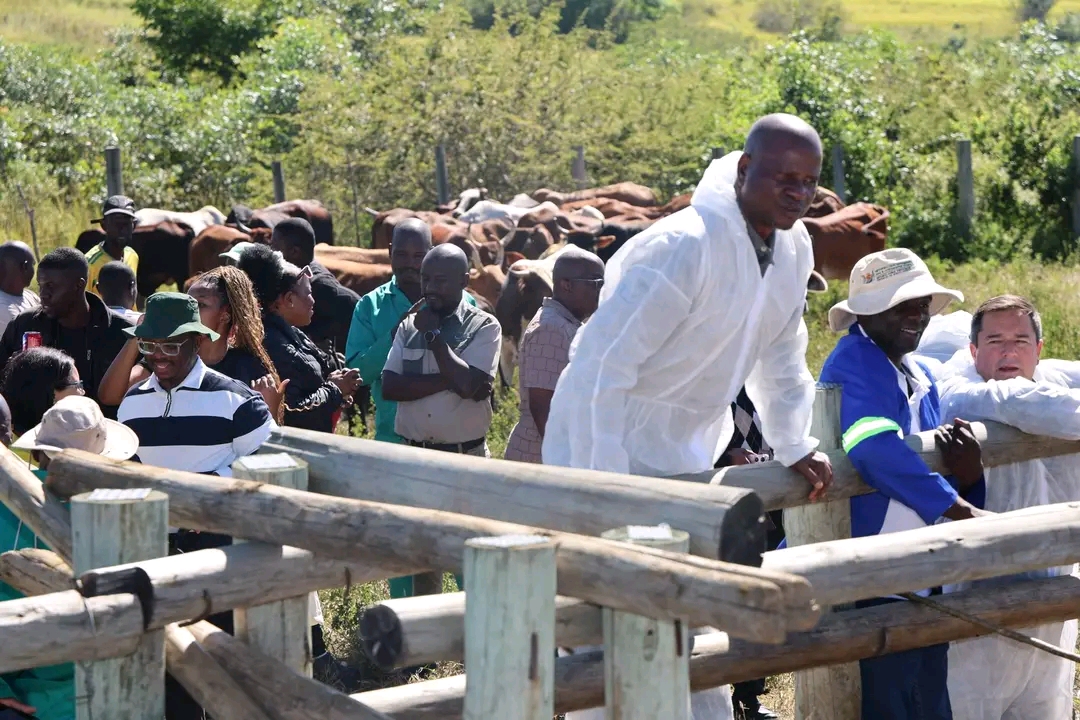
The joint intervention formed part of a mass vaccination outreach programme led by South Africa’s Minister of Agriculture, John Steenhuisen in Mpumalanga, an area heavily affected by recurring FMD outbreaks in recent months.
Mozambique was represented by Dr. Abel Gonçalo Chilundo, Director of Veterinary Services.
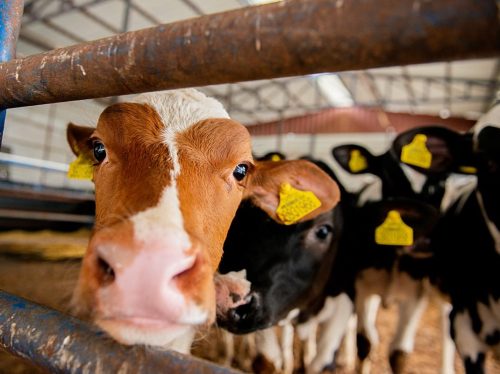
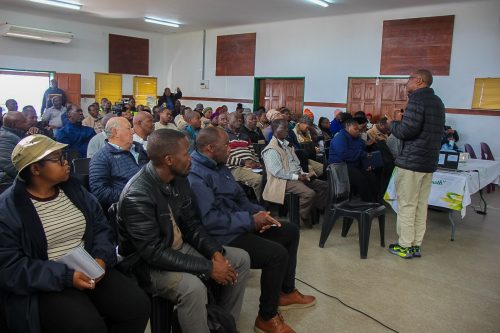
Addressing stakeholders during the outreach exercise, Tshawuka revealed that Eswatini had already vaccinated more than 317 000 cattle from the country’s national herd estimated at 550 000 since February this year, representing more than 60 percent coverage within less than three months.
He said the country was now entering what authorities believe is the declining phase of the outbreak following months of intensified containment measures.
“We have realised that it is important for us to work together in order to win this battle, otherwise we cannot succeed individually,” said Tshawuka.
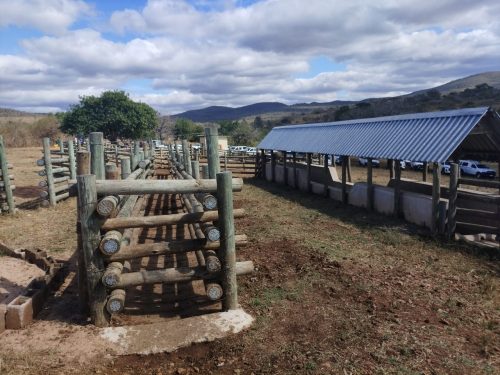
The minister said one of the biggest challenges facing the region was the deterioration of cordon fences along border areas, which has allowed unrestricted movement of livestock between Eswatini, South Africa and Mozambique.
According to Tshawuka, this has significantly increased the risk of disease transmission across neighbouring countries.
“We realised that we needed a regional approach to this problem,” he said.
Tshawuka further stressed that Southern African countries needed to strengthen cooperation beyond emergency vaccination campaigns and focus on long-term regional resilience.
He identified vaccine production, sanitary control systems, veterinary coordination and stock theft prevention as key areas requiring urgent collaboration.
“As we move forward, we need to identify areas where we can collaborate, including the vaccination programme and vaccine production, so that we can produce enough vaccines within the region,” he said.
“Currently, we are dependent on one country in the region.”
The latest regional intervention comes as Southern Africa continues battling widespread FMD outbreaks that have disrupted livestock movement, meat exports and agricultural trade.
In Eswatini, authorities have spent months implementing aggressive vaccination campaigns, movement restrictions and surveillance measures following outbreaks linked to the SAT1 and SAT2 virus serotypes.
Last month, Tshawuka announced a partial relaxation of livestock movement restrictions after Government reported significant progress in containing the disease through the national vaccination programme. At the time, the ministry confirmed that hundreds of dip tanks had already been targeted under phased vaccination operations across high-risk regions.
South Africa has meanwhile intensified what has become one of its largest national vaccination drives after outbreaks spread across most provinces earlier this year. The South African government recently secured millions of additional vaccine doses from Turkey and Argentina as part of efforts to protect the national herd and restore international confidence in its red meat industry.
Mozambique has also expanded its national animal vaccination campaign amid growing regional concern over cross-border disease transmission. Authorities there are targeting approximately 2.4 million cattle against FMD as part of broader livestock protection measures supported by the Food and Agriculture Organisation (FAO).
Agricultural experts warn that climate variability, porous borders, illegal livestock movement and ageing veterinary infrastructure are increasingly complicating disease management across Southern Africa.
FMD remains one of the most economically damaging livestock diseases globally due to its impact on trade, meat exports and animal movement. Although the disease does not directly threaten human health, outbreaks often trigger severe economic losses for farmers and governments.
The growing cooperation between Eswatini, South Africa and Mozambique now signals a broader regional shift towards coordinated disease management as governments attempt to safeguard food systems, rural livelihoods and agricultural exports against recurring livestock epidemics.