

Samkeliso Mlotsa
BY PHESHEYA KUNENE – EDITOR
MANZINI – For many young people, farming is still viewed as a last resort. For Samkeliso Mlotsa, it has become a discipline of precision, patience and constant experimentation.
The young farmer is steadily building a name for himself through vegetable production, particularly baby marrow farming, where quality, timing and technical management determine whether a farmer makes profit or losses.
What separates Mlotsa from many growers is his analytical approach to farming. Instead of relying solely on traditional methods, he treats the field like a laboratory, testing seed varieties, monitoring performance and studying how climate conditions affect productivity.
This season, out of curiosity and technical interest, Mlotsa planted three baby marrow varieties simultaneously, Amanda F1 from Alliance Seeds, Okxo from Sakata Seeds and Respect from Harris Moran Seed Company.
The trial allowed him to compare germination rates, growth patterns, fruit quality and overall field performance under the same environmental conditions.
His findings reinforced one of the most important realities in horticulture: farming is highly sensitive to climate conditions.
Mlotsa explained that baby marrow performs best under warm temperatures, with the crop taking approximately five weeks from germination to first harvest under proper management conditions.
However, he noted that cold weather significantly slows growth and reduces productivity, making timing and seasonal planning critical for farmers.
“The harvesting stage is the most demanding part of production because it requires daily monitoring,” he explained.
Unlike many crops that can wait several days before harvesting, baby marrow must be checked plant by plant, every day, for nearly six weeks.
Mlotsa said even missing a single day can result in overgrown produce that no longer meets market standards.
Under NAMBoard grading requirements, Grade A baby marrow measures between 10 and 12 centimetres, while Grade B ranges from 13 to 15 centimetres. Anything beyond that is rejected.
“It becomes like treasure hunting every morning,” he said, describing the long walks through fields inspecting each plant carefully beneath the leaves.
The work does not end in the field. Mlotsa emphasised that baby marrow requires delicate handling throughout harvesting and transportation to avoid bruising and scratches that can result in rejects.
He said even speeding on gravel roads during transport can damage the produce before it reaches the market.
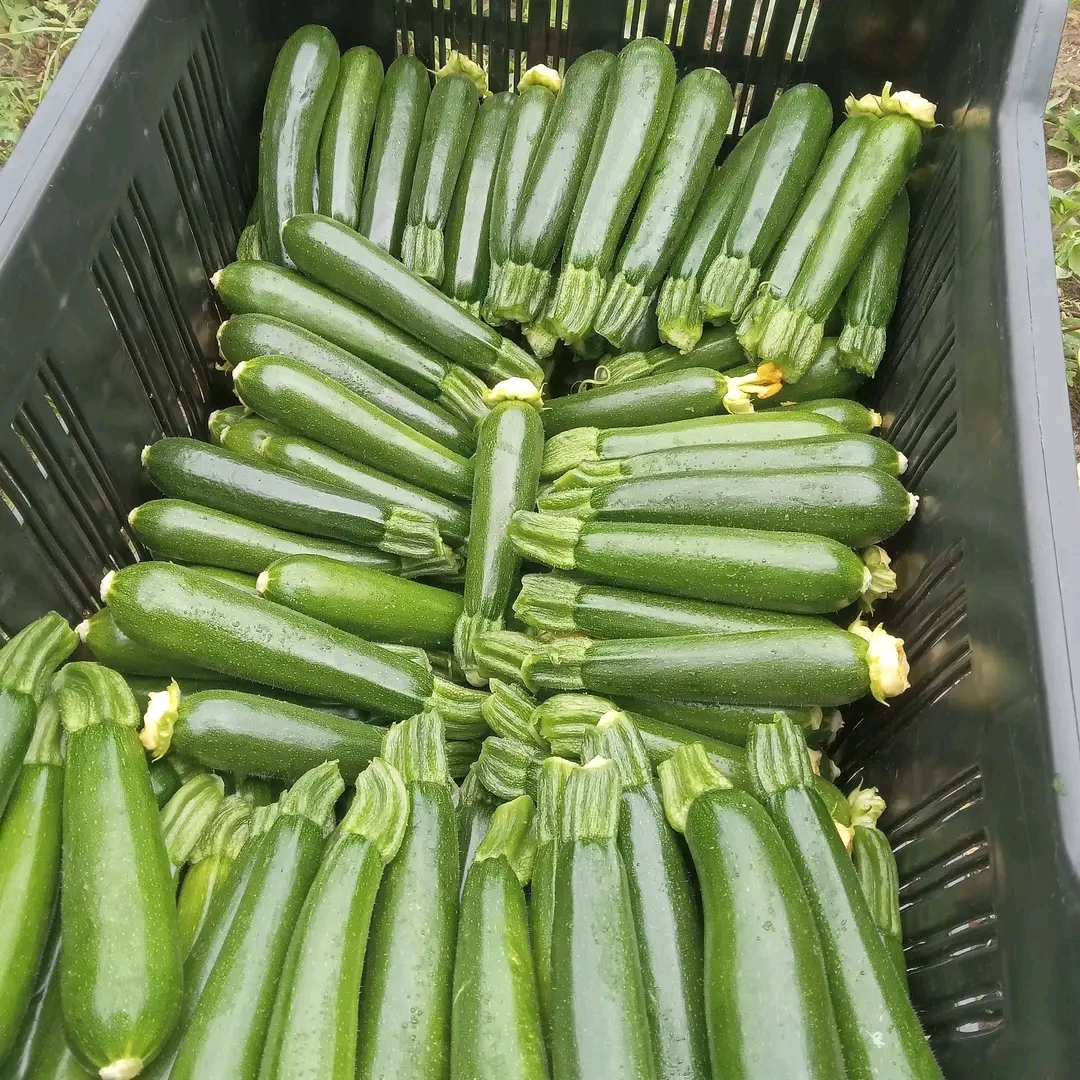
An example of Mlotsa’s Baby Marrows
Despite the crop’s profitability potential, Mlotsa admitted that production costs remain one of the biggest barriers for young farmers entering horticulture.
A packet of 1 000 seeds costs around R1 250, while a commercially viable operation may require at least 5 000 seeds to generate sustainable returns.
“It is a high-risk crop,” he said. “If management goes wrong or market conditions change, losses can come very quickly.”
His observations reflect broader challenges facing Eswatini’s horticulture sector, where farmers continue to battle rising input costs, climate variability and strict quality standards from formal markets.
Mlotsa has also become vocal about pest and disease management, particularly the growing threat posed by fruit flies, whiteflies and Tobacco Mosaic Virus, one of the most feared diseases in vegetable farming.
He believes many farmers underestimate the importance of integrated pest management and crop hygiene.
According to Mlotsa, successful baby marrow farming begins long before planting.
He advocates for certified treated seed, proper land preparation, raised beds, correct spacing, crop rotation and aggressive weed management to reduce pest breeding areas.
He also encourages farmers to rotate pesticides to prevent chemical resistance among pests, warning that repeated use of a single chemical eventually weakens its effectiveness.
His approach reflects a growing shift among younger farmers in Eswatini who are increasingly blending practical farming experience with technical agricultural knowledge.
Beyond production, Mlotsa is also passionate about knowledge-sharing. Through conversations with fellow farmers and social media engagement, he regularly shares practical insights on fertiliser application, irrigation management and pest control.
For him, farming is no longer just about producing food. It is about building systems that are efficient, climate-smart and commercially sustainable.
At a time when Eswatini continues pushing for food security and youth participation in agriculture, farmers like Samkeliso Mlotsa represent a new generation entering the sector with both technical curiosity and business-minded thinking.
His message to upcoming farmers remains simple: success in horticulture does not come from luck alone. It comes from discipline, observation and understanding the science behind every crop.
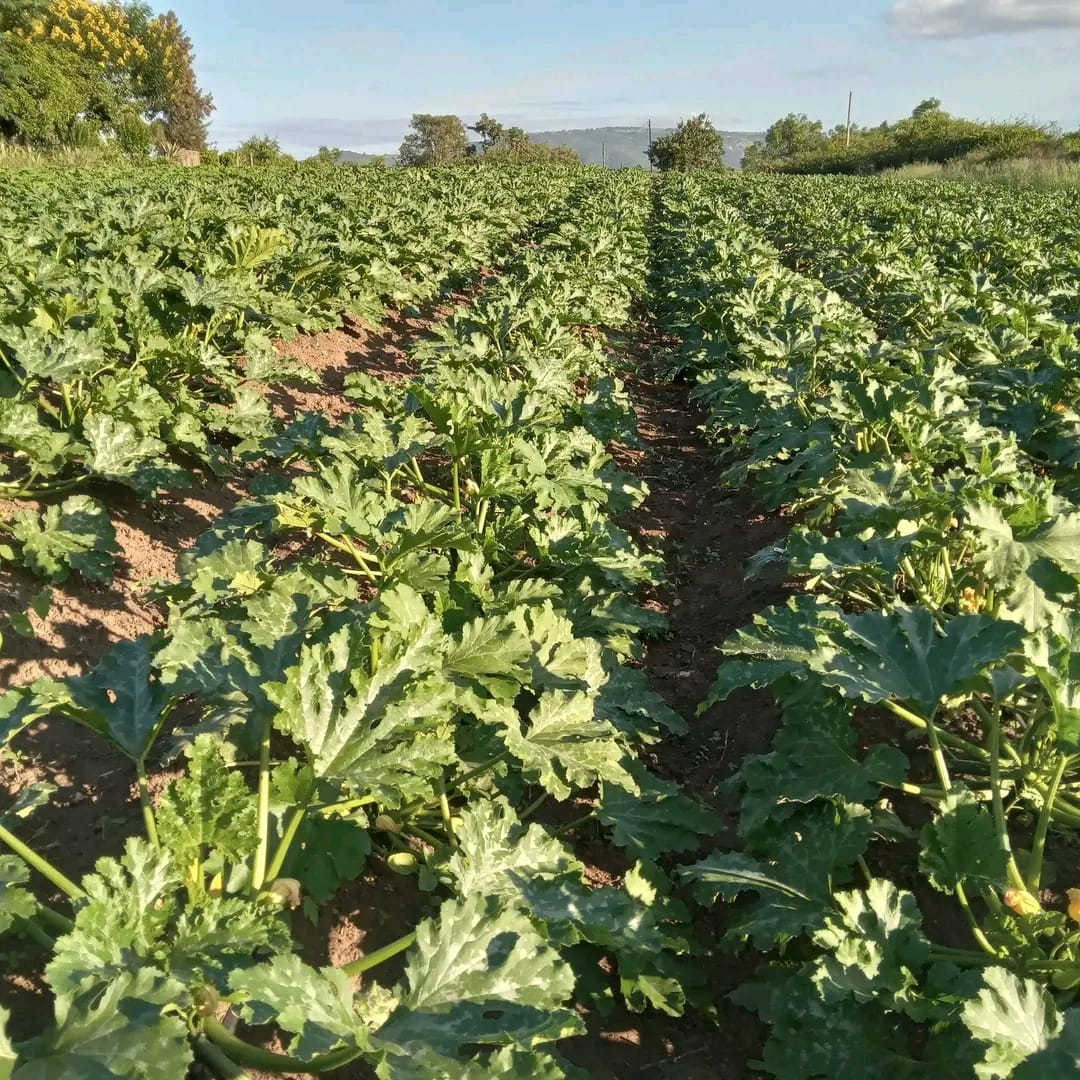
Mlotsa’s farm is an example of strength and resilience