

BY: PHESHEYA IAN KUNENE | EDITOR
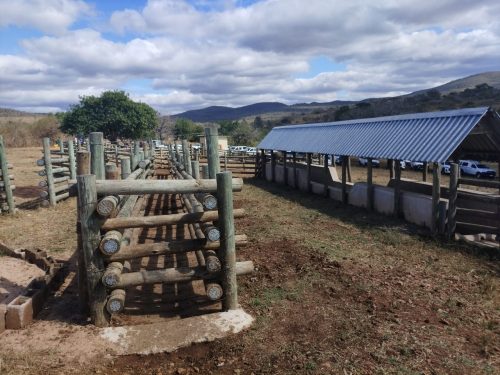
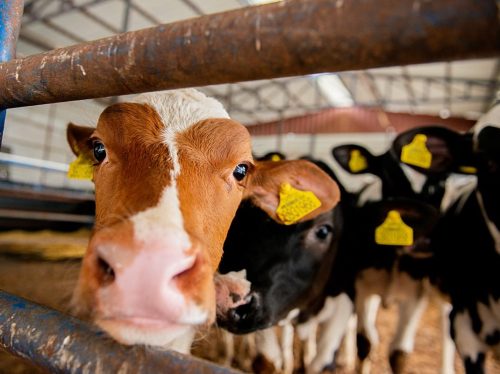
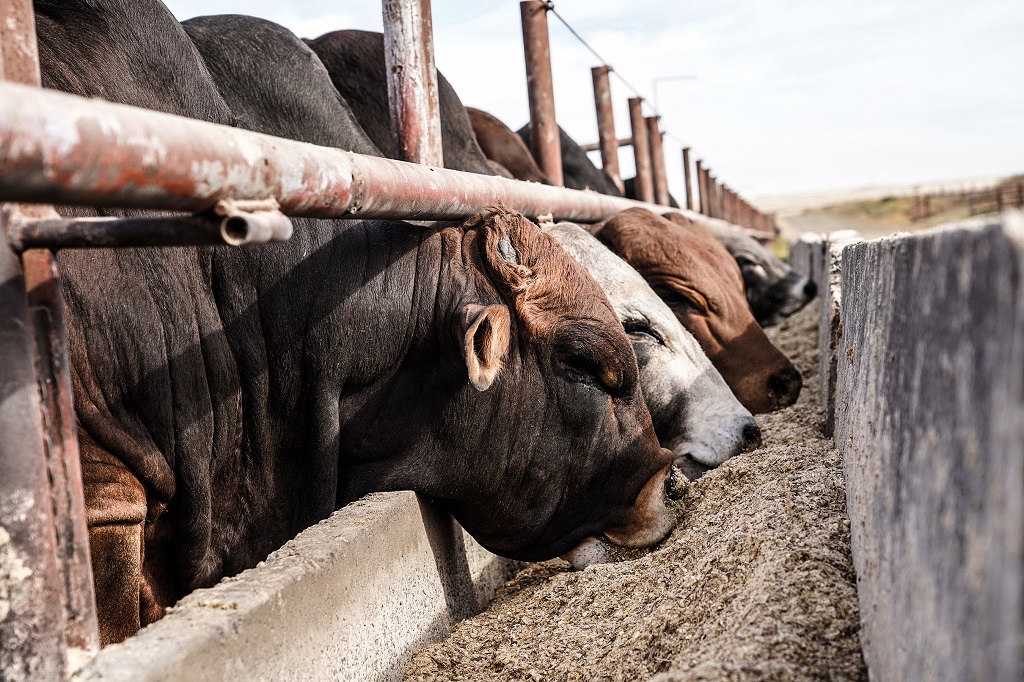
MANTJONGA – A new E114 000 cattle feedlot project targeting a capacity of 50 animals at a time is set to come online at the Philani Maswati Charity Organization centre in Mantjonga, positioning the facility as an emerging agribusiness hub amid a contracting national feedlot sector.
The project, confirmed by Chairman Lutfo Dlamini, is designed to shift the centre from donor dependence toward a self-sustaining production model anchored in beef value addition. It comes at a time when Eswatini’s feedlot industry has been severely weakened by the ongoing Foot and Mouth Disease outbreak, which has reduced operational feedlots from 619 registered units to just 212, a 65.75% decline.
Dlamini said the Mantjonga feedlot would not only supply meat for the centre’s internal consumption but also generate income through surplus sales, with a potential market linkage to Eswatini Meat Industries.
The facility is expected to be operational by September, funded partly through proceeds from the organisation’s annual Biggest Braai initiative.
“Our mandate is clear, to build a self-sustaining institution that can feed itself and generate income,” Dlamini said.
“This feedlot is not just a project, it is a long-term investment into food security, dignity and economic participation for the people we care for.”
He added that technical guidance from the Ministry of Agriculture has already been secured, with further support being mobilised from private sector partners and volunteers to complete infrastructure requirements.
Beyond livestock, Philani Maswati has already established a diversified agricultural base. The centre operates vegetable production units, supported by a solar-powered irrigation system, with produce feeding residents and supplying local markets.
Recently, the organisation secured E140,000 funding from KFC Eswatini to rehabilitate storm-damaged greenhouses, further strengthening its production capacity.
Dlamini said integrating feedlot operations into this existing system would create a closed-loop model where crop residues can support cattle feeding, while livestock manure enhances soil fertility, improving overall productivity.
“For us, agriculture is not a side activity, it is the backbone of our sustainability strategy,” he said.
“We are building a system where every component supports the other, from vegetables to livestock.”
From a sectoral perspective, the project arrives at a critical juncture. Feedlotting remains a cornerstone of Eswatini’s livestock value chain, enabling faster weight gain, consistent meat quality and access to premium markets.
However, the sector has been under sustained pressure from high feed costs, limited financing and disease outbreaks.
Minister of Agriculture Mandla Tshawuka recently described FMD as the “heaviest blow” to the industry, noting that movement restrictions, biosecurity measures and declining investor confidence have slowed recovery.
Despite this, small and emerging feedlots such as Mantjonga’s are increasingly seen as part of the rebuilding strategy, particularly in high cattle density regions such as Manzini, Lubombo and Hhohho. With proper management, a 50-head feedlot operating on a standard 90-day finishing cycle can turn over multiple batches annually, creating a steady income stream and stimulating local supply chains, including feed suppliers, veterinary services and transport operators.
Commenting on the initiative, veterinary expert Dr Pride Shongwe from the Ministry of Agriculture said the project demonstrates resilience within the sector despite current challenges.
“This is the kind of initiative that keeps the industry alive during difficult times,” she said.
“Feedlots are critical for beef production and value addition. While FMD has disrupted operations across the country, we are confident that with ongoing vaccination and control measures, the disease will be contained and eventually eradicated.”
She noted that the outbreak continues to affect productivity, market access and farmer confidence, but emphasised that sustained investment in structured systems such as feedlots will be key to recovery.
At the national level, Prime Minister Russell Mmiso Dlamini has urged farmers to comply strictly with disease control measures, warning that non-compliance and illegal livestock movement risk prolonging the outbreak. The Minister of Agriculture has also raised alarm over the theft of veterinary cordon fences along border areas, describing it as a major setback in efforts to contain the disease.
Against this backdrop, the Mantjonga feedlot represents more than a production unit. It is a social enterprise with direct human impact. The facility will supply a reliable protein source to elderly residents housed at the Philani centre, improving nutrition while creating opportunities for skills development and community participation in agricultural activities.
In practical terms, the project introduces a replicable model, blending social welfare with commercial agriculture. By linking production to market systems and integrating crop and livestock operations, it demonstrates how small-scale investments can yield both economic and social returns.
For farmers in surrounding regions, the implications are tangible. Increased demand for weaner cattle, feed inputs and veterinary services could stimulate local markets, while partnerships with processors such as Embiveni offer pathways into formal value chains.
The broader lesson is structural. Even as the national feedlot sector contracts under pressure, targeted investments, disciplined management and institutional support can rebuild capacity from the ground up.
“If we get this right, we are not just feeding our centre,” Dlamini said. “We are contributing to rebuilding the livestock sector, one project at a time.”
In a sector grappling with contraction, the Mantjonga feedlot signals cautious optimism, that recovery may not come from scale alone, but from well-executed, purpose-driven initiatives anchored in both community and commerce.