
BY PHESHEYA KUNENE
LOBAMBA – The Eswatini National Trust Commission (ENTC) has moved to strengthen water security and sustainable agriculture through the validation of Protected Area Management Plans under the Mbuluzi Ecosystems Restoration Project.
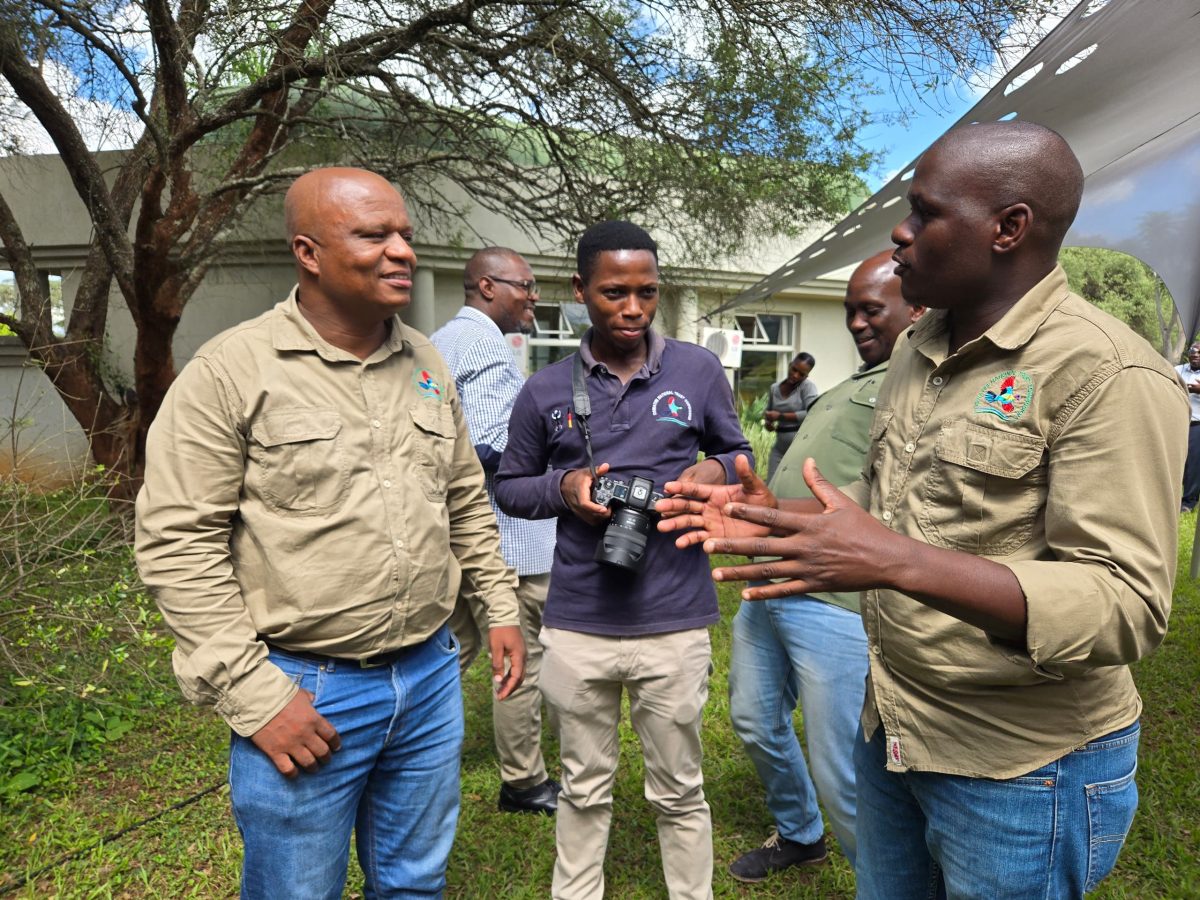
The high-level workshop, held at the King Sobhuza II Memorial Park on Tuesday, brought together government officials, conservation experts and development partners to review and validate 2025 to 2030 management plans for Malolotja Nature Reserve, Mlawula Nature Reserve and Hawane Nature Reserve.
The exercise forms part of the Mbuluzi Ecosystems Restoration Project, funded by the Global Environment Facility with technical support from the United Nations Environment Programme, and is aimed at strengthening conservation governance while delivering measurable benefits for agriculture and rural livelihoods.
Speaking on behalf of ENTC CEO Thulani Methula, CFO Mduduzi Ndzinisa described the validation as a critical step in establishing functional management frameworks for protected areas in line with international standards set by the International Union for Conservation of Nature.
He said the process aligns Eswatini with the Kunming Montreal Global Biodiversity Framework, which requires countries to integrate global biodiversity targets into national strategies and action plans.
“This is a pivotal milestone in ensuring that protected areas are managed effectively through sound governance models and practical implementation frameworks,” he said.
The plans are anchored under Component 3 of the project, which focuses on developing effective protected area management systems jointly implemented by government and local stakeholders across the Mbuluzi Protected Area Network.
ENTC Director of Parks Sandile Gumedze said the validation will directly improve land and water management, particularly in key river catchments that sustain farming communities.
He noted that protecting ecosystems at source level, particularly in Malolotja where the Mbuluzi River originates, will enhance water availability, reduce land degradation and support agricultural productivity.
“These plans are not just about conservation, they are about securing the natural resources that farmers depend on, especially water and healthy soils,” he said.
Technical presentations unpacked site specific strategies, with Senior Warden Teddy Ncamiso Dlamini outlining Malolotja’s 2025 to 2030 management plan, which prioritises restoration of montane grasslands, reduction of invasive species and protection of critical water catchments.
The reserve plays a strategic role in safeguarding headwaters that feed national river systems, while also contributing to climate regulation, soil stabilisation and biodiversity conservation.
At Mlawula Nature Reserve, Senior Warden Bandla Sonnyboy Mtsetfwa presented a science driven conservation model focused on ecosystem resilience and community inclusion, positioning the reserve as a benchmark for sustainable land use and rural development.
Discussions throughout the workshop centred on strengthening governance, improving monitoring and evaluation systems, and aligning conservation efforts with national legislation and development priorities, including sustainable agriculture.
Stakeholders emphasised that well managed protected areas are essential natural infrastructure, underpinning water security, supporting farming systems and building resilience against climate change.
The validated plans are expected to serve as templates for replication across Eswatini’s protected areas network, guiding long term conservation efforts while reinforcing the link between environmental sustainability and agricultural productivity.
Implementation is set to begin following final adoption, marking a shift from planning to action in restoring ecosystems within the Mbuluzi River Basin.