BY: SIKHONA SIBANDZE | JOURNALIST
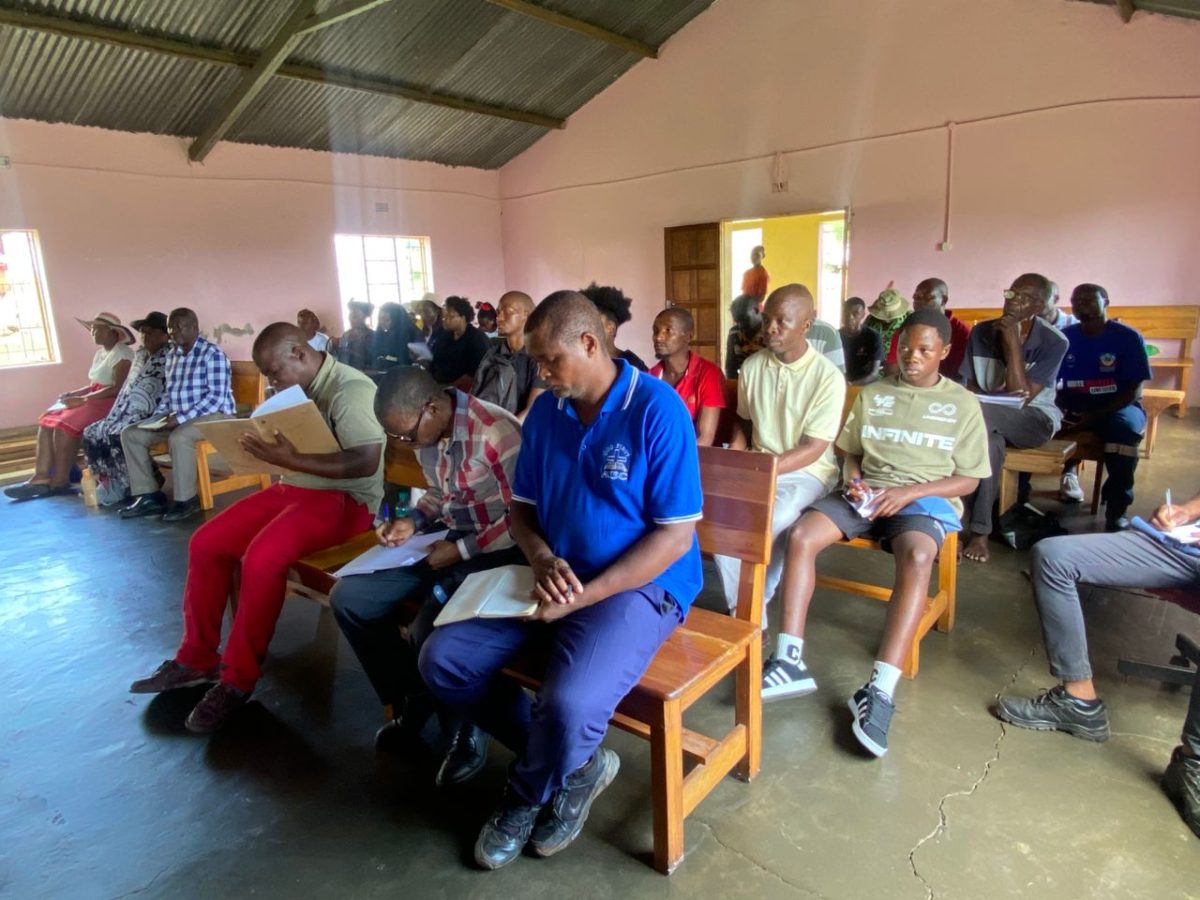
MADLANGEMPISI — As the bean planting window opens across Eswatini, farmers have been urged to approach the season with a clear production plan, starting with soil testing, correct land preparation, timely planting and careful handling at harvest to protect quality and profits.This guidance was shared during a bean production workshop held on Wednesday, 28 January 2026, by the Ministry of Agriculture, in collaboration with the National Maize Corporation (NMC), at Madlangempisi Inkhundla.
Soil Testing and Preparation: The Foundation for Strong Yields
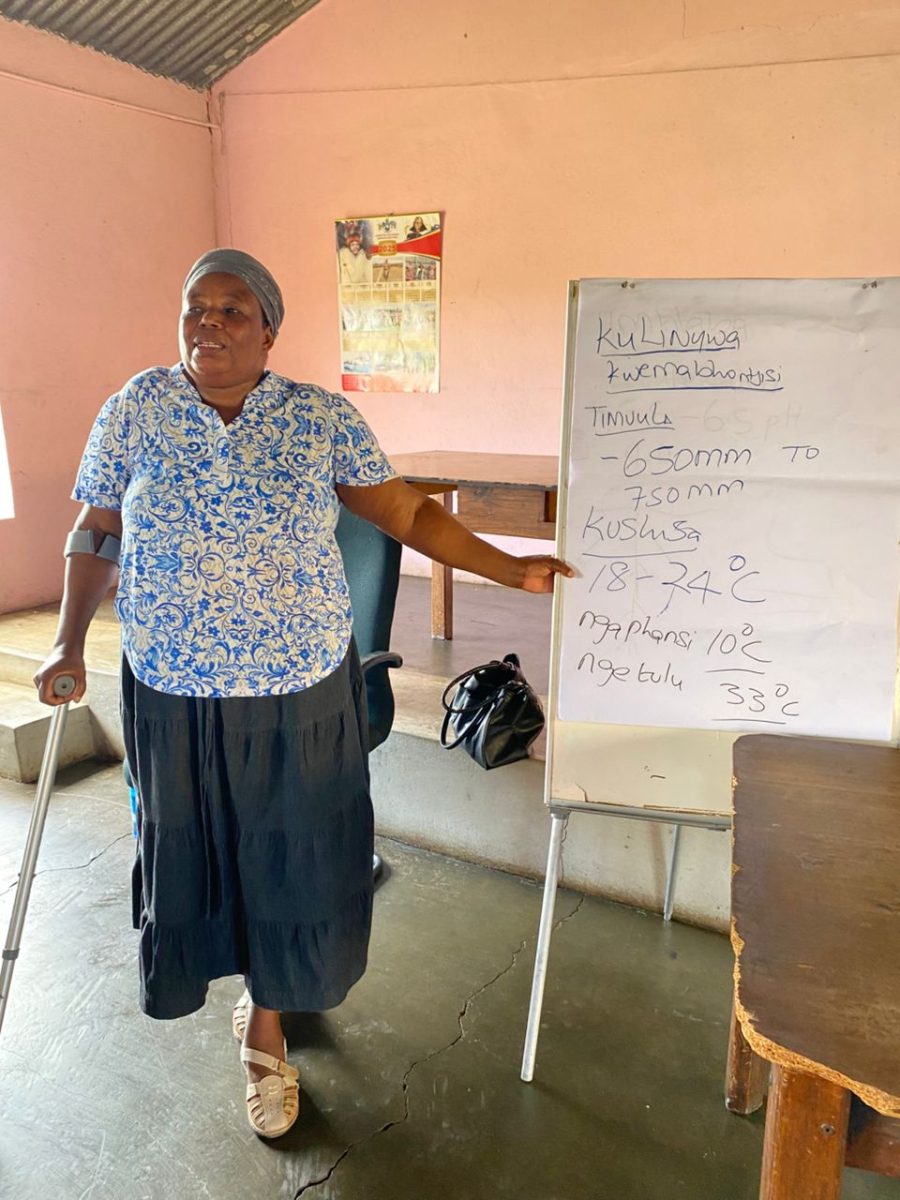
Bean production expert Jabu Magagula from the Ministry of Agriculture took farmers through the full production cycle, stressing that soil testing should be the first step for any grower aiming for strong yields. He explained that testing helps farmers understand soil fertility and make informed decisions on how to prepare the land for successful germination and crop establishment. With beans, he said, good results often begin before the seed goes into the ground, because poor preparation and incorrect soil conditions can weaken the crop from the start.
Planting Windows and Weather: Timing Reduces Risk
Magagula also encouraged farmers to pay close attention to weather temperatures and seasonal patterns, noting that planting at the right time is one of the most practical ways to reduce risk. He said the best planting period for beans is January and February, while Lowveld and Middleveld farmers can also plant from February to March, depending on local conditions. The message to farmers was simple: match production decisions to the season, rather than forcing the crop into unfavourable conditions.
Varieties and Hybrids that Can Improve Performance
Another key area covered in the session was seed selection. Magagula introduced farmers to different bean seed varieties and hybrids, highlighting options such as Lake 101, NUA 45, PAN 148, and CAP 2000, Camba Amanga among others. He emphasised that choosing the right variety is not just a technical detail, but a decision that can influence overall performance, uniformity and profitability.
Harvesting and Handling: Quality Determines the Buyer
The discussion then moved from field production to market readiness, where Kwanele Khumalo, an Extension Officer from NMC, focused on harvesting and post-harvest handling, stages where many farmers lose value due to poor quality control. Khumalo explained that NMC’s buying decision depends heavily on the condition of the beans delivered. He said beans must be clean, free from stones and pests, not split, and protected from mould infections.
To reduce the risk of mould, Khumalo encouraged farmers to harvest when it is hot, as moisture and damp conditions increase the chances of infection and spoilage. He also shared a practical technique for separating beans from pods after harvesting. “Farmers should spread the pods on a clean surface and use a tractor to drive over them to break the pods and release the beans. After that, sift the beans to remove remaining debris and ensure the produce is clean before packaging,” he said.
Khumalo also outlined the benefits of farming under an NMC contract. He said the contract provides a guaranteed market pathway because once a farmer signs, NMC monitors production and provides advisory support throughout the growing period, right up to the stage where the crop is ready for market. At that point, he said, NMC automatically buys the beans produced under contract. He explained that contract requirements include planting at least one hectare and ensuring the field is well fenced.

For farmers who are not on contract but still intend to supply NMC, Khumalo shared a key price reference, advising that one tonne of beans should cost not less than E21,500.
The Bottom Line: Get the Basics Right to Maximise Returns
With the season now underway, the experts urged farmers to treat beans as a serious income crop and to protect returns by doing the basics well—starting with soil testing and timely planting, then maintaining good field management, and finally ensuring strict cleanliness and quality at harvest. The workshop’s overall message was that when production and handling are done correctly, farmers are better positioned to improve yields, reduce losses and maximise returns during the current planting season.