
Woman Farmer Foundation (WFF) convenes stakeholders to sharpen youth climate-smart agribusiness.
BY PHESHEYA KUNENE - EDITOR
SIDVOKODVO – The Woman Farmer Foundation (WFF) has issued a direct call to organisations across finance, education, agriculture, environment and development sectors to partner in funding and strengthening youth-focused climate-smart agribusiness training, warning that skills alone will not secure livelihoods without coordinated institutional support.
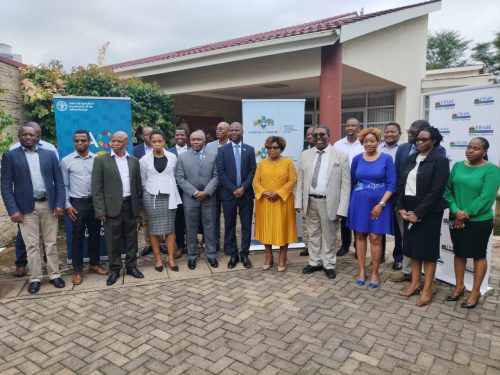
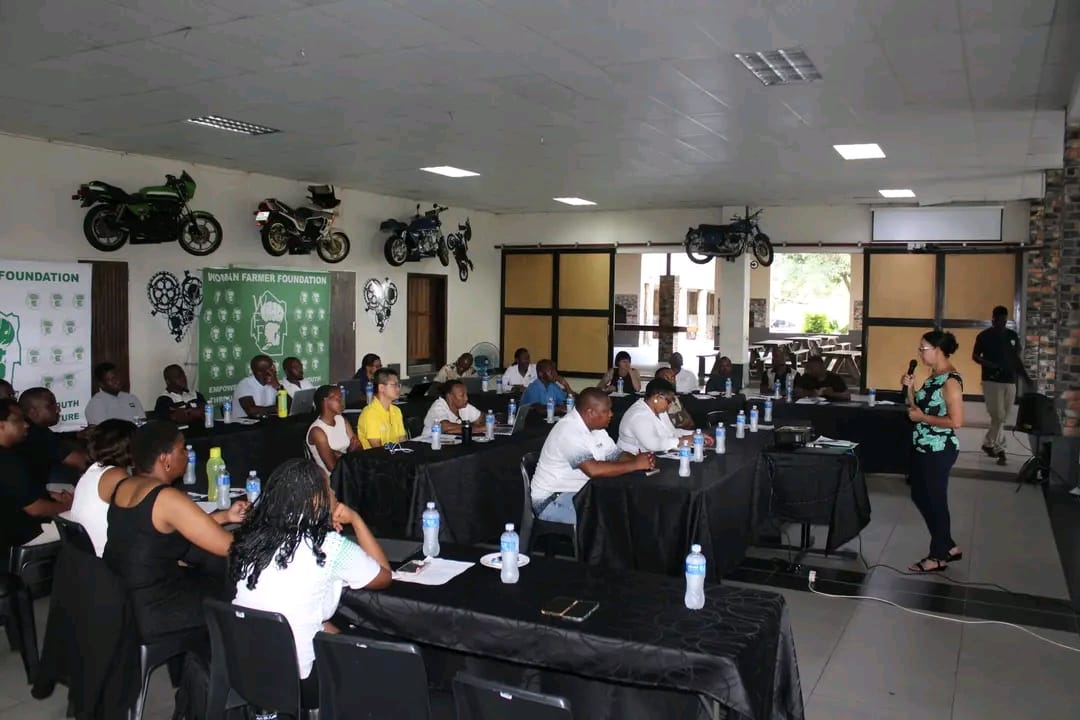
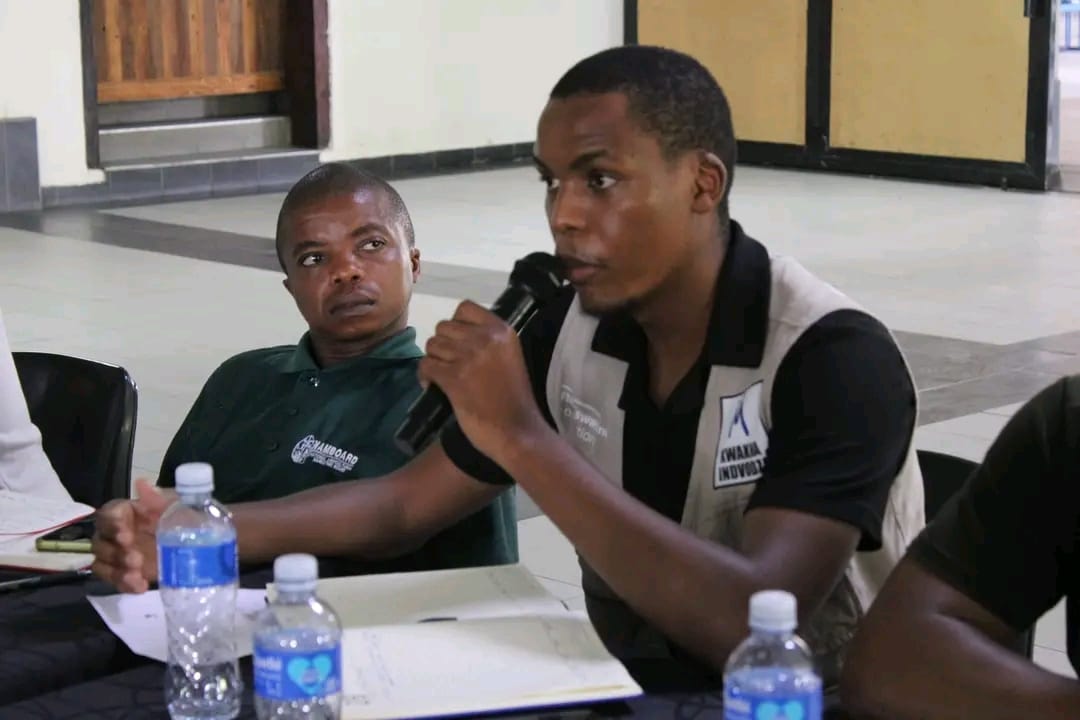
Speaking at a high-level stakeholders meeting at Riders Ranch in Sidvokodvo, WFF positioned its Innovative Climate Smart Youth Tunnel Production Training Programme as a ready platform through which organisations can channel funding, technical expertise and sector-specific programmes to empower young farmers facing rising climate and market risks.
From Training to Funded Partnerships
At the centre of the engagement was WFF’s appeal for partners to move beyond endorsement and into structured collaboration. The foundation highlighted that while it continues to deliver youth trainings despite limited resources, long-term impact requires sustained funding and institutional buy-in.
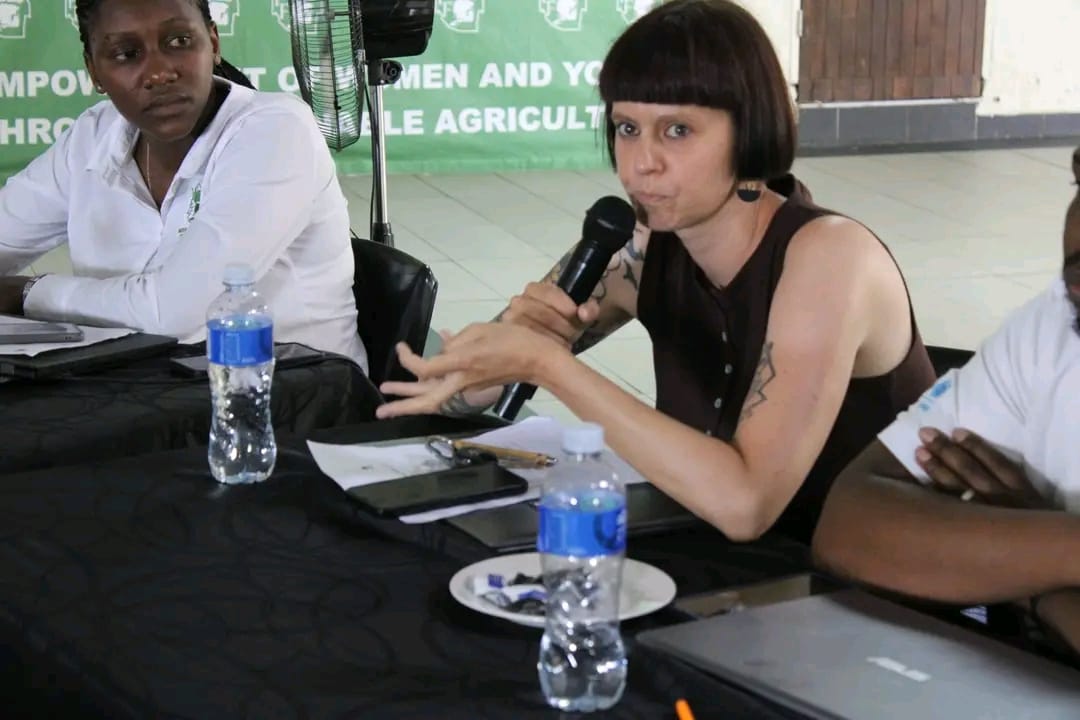
WFF Director Sonia Paiva said youth agribusiness can only thrive when training is deliberately connected to finance, insurance, markets, research and policy support.
She stressed that climate volatility, hailstorms and escalating production costs have raised the stakes for young farmers, making under-funded training models increasingly untenable.
A Platform for Multi-Sector Support
Launched in 2021, the Innovative Climate Smart Youth Tunnel Production Training Programme equips young people with hands-on skills in protected cultivation, irrigation systems, agribusiness management, entrepreneurship and climate-resilient production.
The programme is designed as a collaborative platform rather than a standalone intervention. WFF invited organisations to integrate their existing programmes into the training pipeline, whether through funding, technical input, financial products, insurance solutions, environmental compliance or market access.
Stakeholders Align Around Youth Empowerment
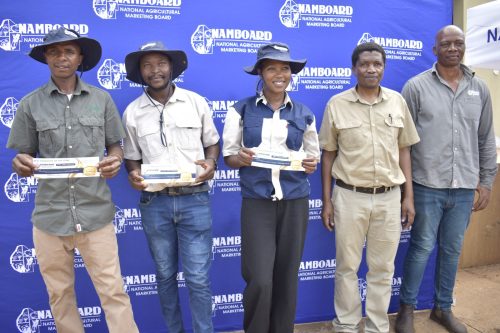
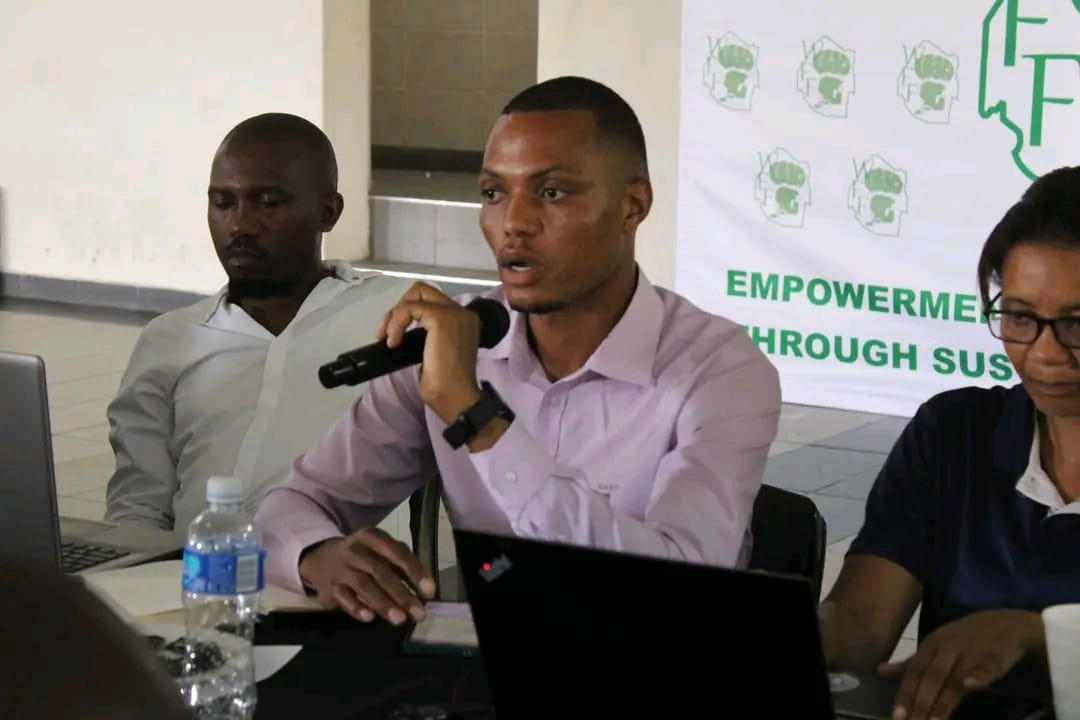
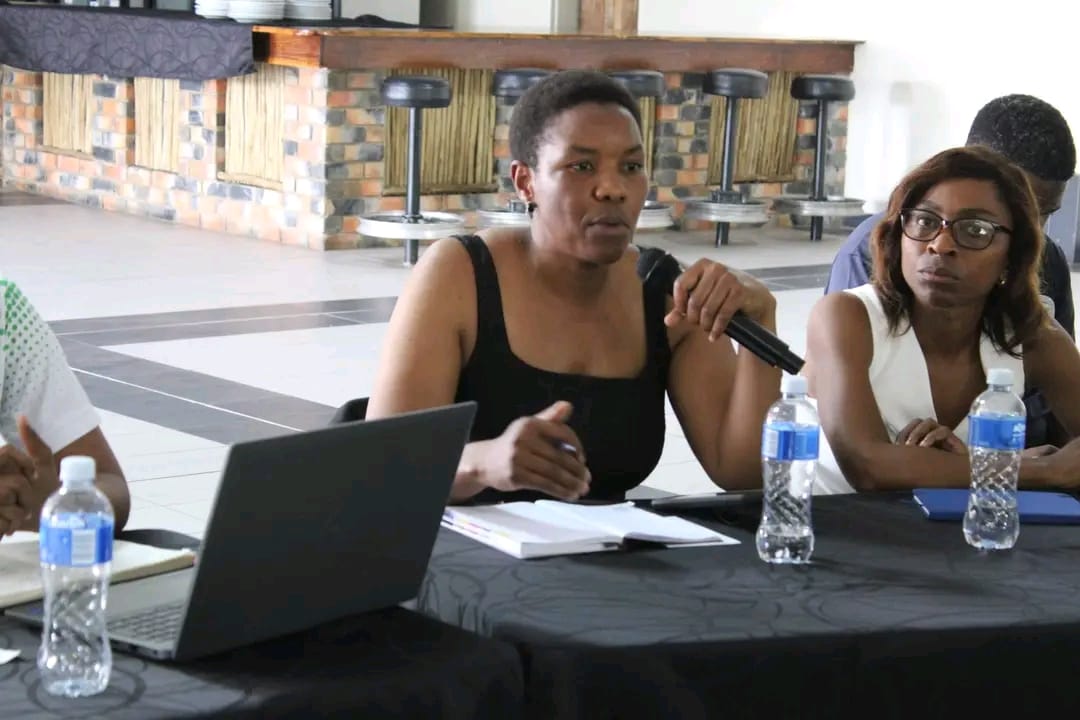
Institutions including NAMBoard, the Ministry of Agriculture, University of Eswatini, Eswatini Bank, Eswatini Environmental Authority, ERS, Gateway Insurance, TAVI and EWADE used the meeting to outline how their mandates could support youth-led agribusiness.
Discussions focused on aligning institutional resources to close persistent gaps in youth financing, land access, tunnel ownership, insurance uptake and market penetration.
NAMBoard urged diversification within tunnel farming, highlighting strong demand for baby vegetables and baby marrows, while warning against over-production of already saturated crops.
Differentiation and Technical Support
World Vegetable Center representative Mcebo Mnisi challenged young farmers to adopt differentiation as a survival strategy, encouraging the production of traditional and organic crops with niche market appeal.
He said the Centre is prepared to provide capacity building and technical support to help youth turn climate-smart innovation into commercially viable enterprises.
Finance, Insurance and Human Capital
Access to finance emerged as a critical constraint. Financial institutions were encouraged to develop youth-responsive funding models and clearly communicate pathways for young agripreneurs to secure capital.
EWADE Market Specialist Clement Magagula revealed that the agency runs targeted programmes supporting out-of-school and unemployed youth, including those who did not complete Form Five, and confirmed discussions around a potential partnership with WFF.
The meeting also surfaced the importance of mental health and stress management, recognising the psychological toll of climate shocks and financial loss on young farmers.
Building a Complete Agribusiness Ecosystem
WFF Programme Coordinator Nkosinathi Dlamini outlined the programme’s technical modules, covering climate change, tunnel farming, irrigation setup, agribusiness finance and risk management.
ERS addressed tax education for emerging agribusinesses, EEA highlighted biosafety and environmental funding mechanisms, Gateway Insurance spoke on agricultural cover, and TAVI emphasised the commercialisation of African vegetable value chains.
UNESWA representatives urged WFF to ensure training translates into production and market access, recommending continuous curriculum review to remain relevant and competitive.
From Dialogue to Delivery
As discussions turned to land access, tunnel rental models and the cost of establishing protected structures, a clear consensus emerged, youth agribusiness requires an ecosystem approach.
WFF closed the engagement by urging organisations to move from dialogue to delivery, committing funding, expertise and programmes that allow young farmers not only to learn, but to produce, trade, insure and scale.
At Riders Ranch, the message was unmistakable. The tools exist. The youth are ready. What is now required is institutional commitment to fund the future they want to build.