BY: SIKHONA SIBANDZE | JOURNALIST
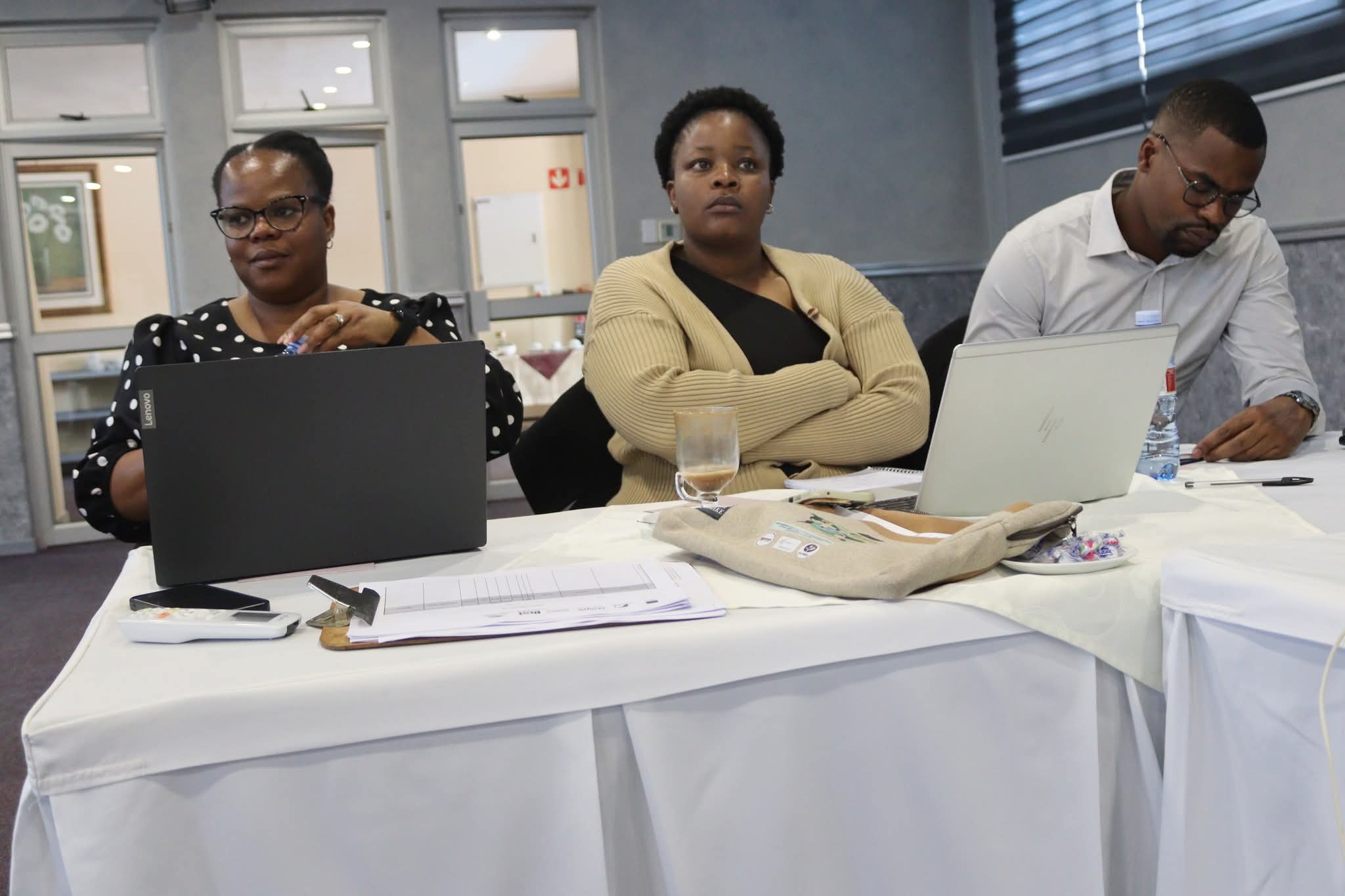
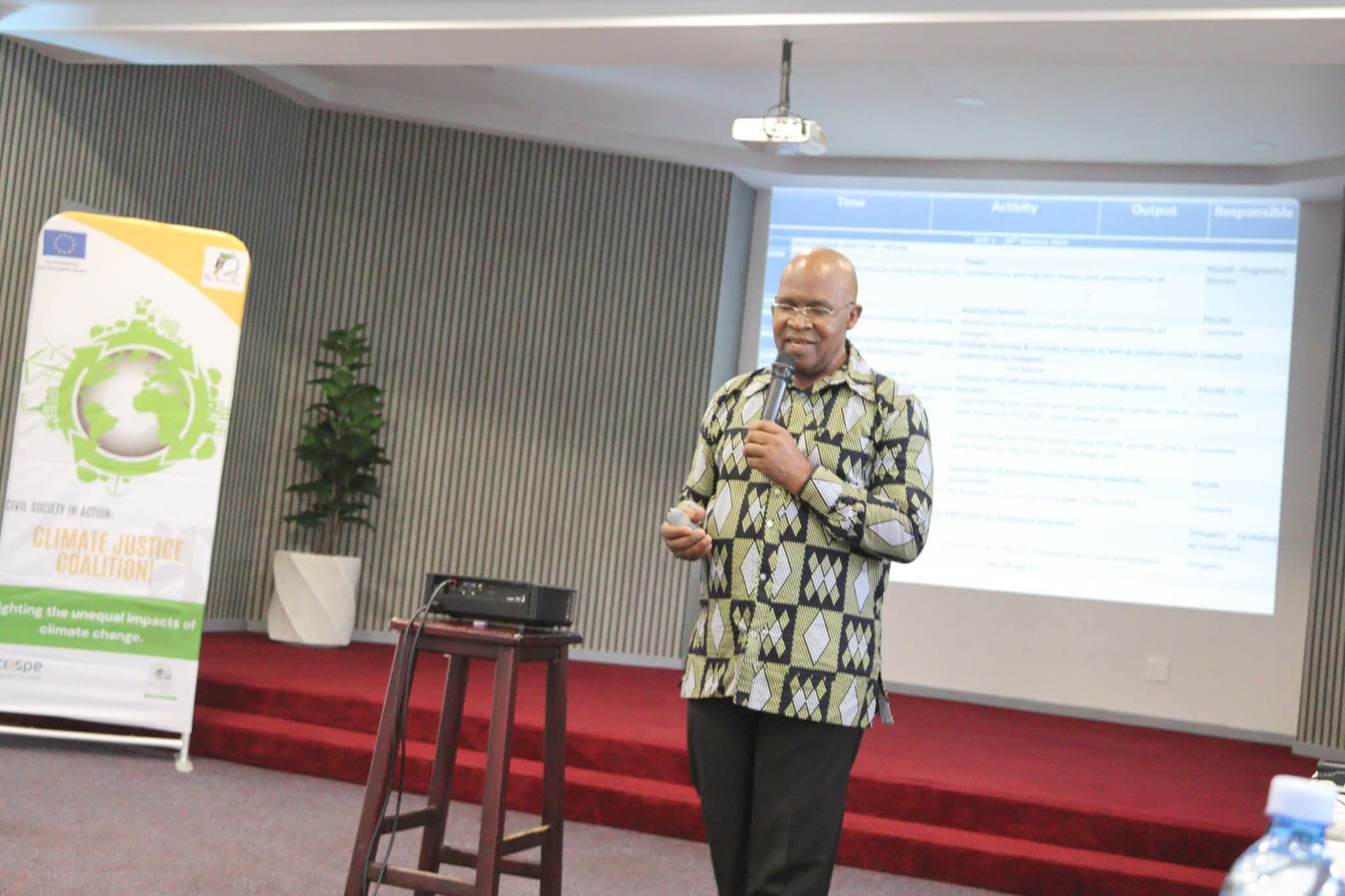
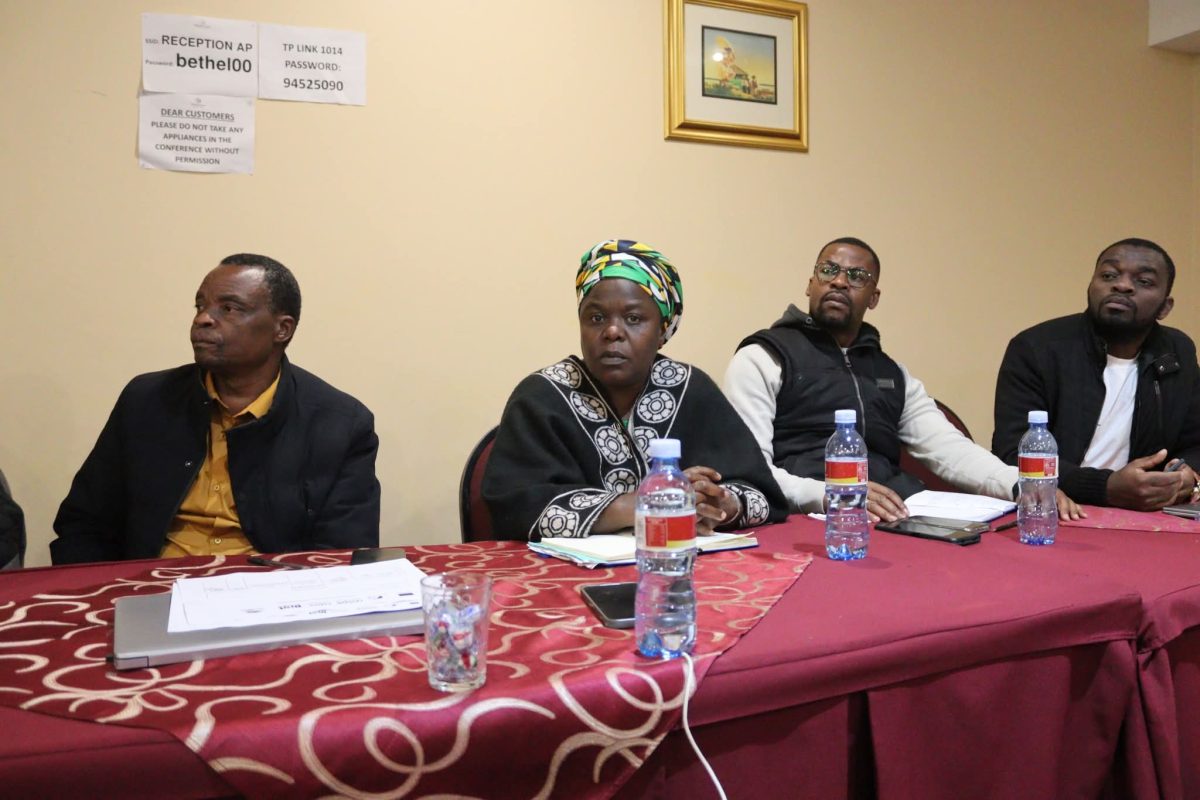
Manzini - As farmers face dry spells, high prices for seeds and fertiliser, and growing pressure to produce more food, PELUM Eswatini has started its Strategy Development 2026–2030 to help communities take more control of their food. The network met at Bethel Court in Zulwini from 20–22 January 2026 to agree on a clear plan that supports farmer-led farming, protects the environment, and builds stronger local food systems.
The consultations formed part of PELUM Eswatini’s broader Strategy Development 2026–2030 process, undertaken in collaboration with the European Union in Eswatini and COSPE Southern Africa under the Civil Society in Action (CSA) project. The goal is to align the network behind a shared roadmap that advances sustainable agriculture and stronger food systems over the next five years.
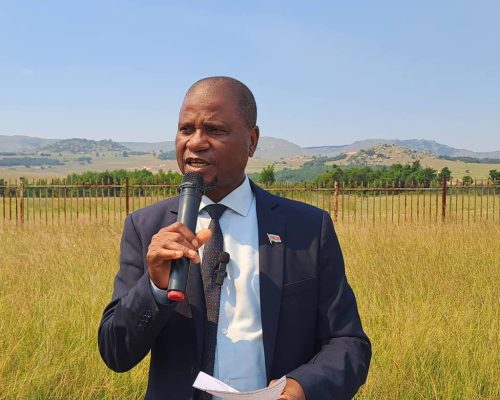
Sandile Sihlongonyane, Country Director at PELUM Eswatini, said the process is anchored in a clear vision for smallholder farmers. “Small-scale farmers in Eswatini must improve their livelihoods through sustainable economic, social and environmental development,” Sihlongonyane said. He said the strategy development is responding directly to pressures undermining farming communities, including declining agricultural productivity, climate shocks, and the high cost of inputs.
Shifting power back to communities
PELUM says the Strategy Development 2026–2030 is designed to drive food sovereignty in practical ways at community level, by ensuring farmers have greater influence over production decisions, knowledge systems and local food markets.
A key priority is to ensure agricultural solutions and innovations are farmer-led and co-created with farmers, increasing farmers’ access to, and ownership of technical knowledge. The process also prioritises farming approaches that build productivity and resilience without degrading the environmental resource base, consistent with agroecology principles.
Cutting dependence on expensive external inputs
With rising input prices and supply disruptions increasing farmer vulnerability, PELUM says the strategy development places strong emphasis on reducing reliance on costly external inputs.
Sihlongonyane said PELUM will promote farmer-led solutions and circular economy models, mainstream indigenous knowledge and expand the use of locally available inputs, reducing costs while lowering the carbon footprint of farming systems. This shift, the network argues, is central to food sovereignty because communities become less exposed to price shocks when they can access knowledge, seed systems and soil health solutions locally.
Stronger organisations, stronger markets
PELUM says Strategy Development 2026–2030 also focuses on strengthening farmer organisations, cooperatives and civil society structures by building their institutional and technical capacity. The network further aims to develop the agroecology value chain, including market development, so that sustainable production translates into improved incomes and stronger bargaining power for farmers.
Advocacy and inclusive participation
PELUM says the Zulwini engagement drew on rich grassroots experience across a diverse membership, ensuring the process reflects shared values and community realities. Women and youth participation remains part of the network’s approach, alongside advocacy for enabling policies that improve access to agroecological inputs such as indigenous seeds, technical knowledge and viable markets.
As Eswatini faces climate pressures and rising production costs, PELUM believes the Strategy Development 2026–2030 process can help communities reclaim greater control over what they grow, how they grow it, and how local food systems serve people first, strengthening both livelihoods and national resilience.