
BY PHESHEYA KUNENE - EDITOR
MANZINI – A farmer-led transformation in sustainable agriculture is gaining momentum across Eswatini, with an estimated E1.2 million investment now translating agroecology policy into practical, field-based solutions that are strengthening food security and climate resilience at community level.
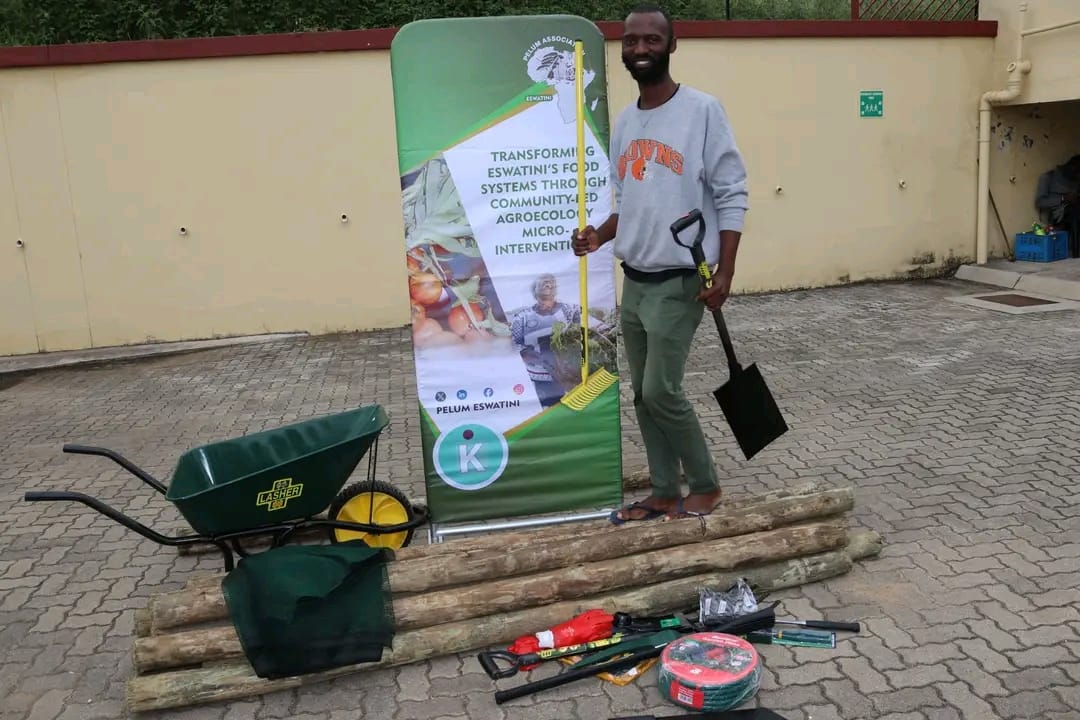
The IMBEWU Project, implemented by Participatory Ecological Land Use Management (PELUM) Eswatini with support from Kupanga Mbegu, is placing farmers at the centre of agricultural innovation by equipping them with skills, tools and knowledge to design and implement agroecological solutions suited to their local environments.
PELUM Eswatini Head of Programmes Andile Dlamini said the project was intentionally structured to move agroecology from policy discussions into farmers’ fields.
“This project is about ensuring that agroecology is not just a concept in documents but a living practice owned and driven by farmers themselves,” Dlamini said.
“We are supporting farmers to take control of their production systems, protect indigenous seed varieties and build resilience using approaches that are sustainable and affordable.”
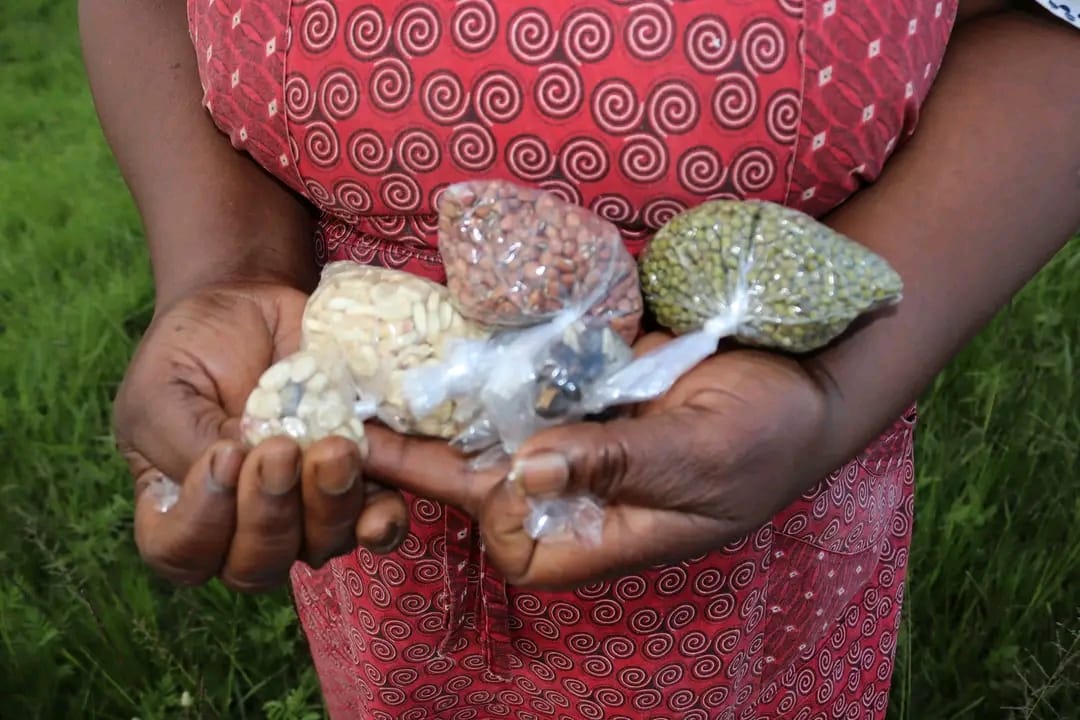
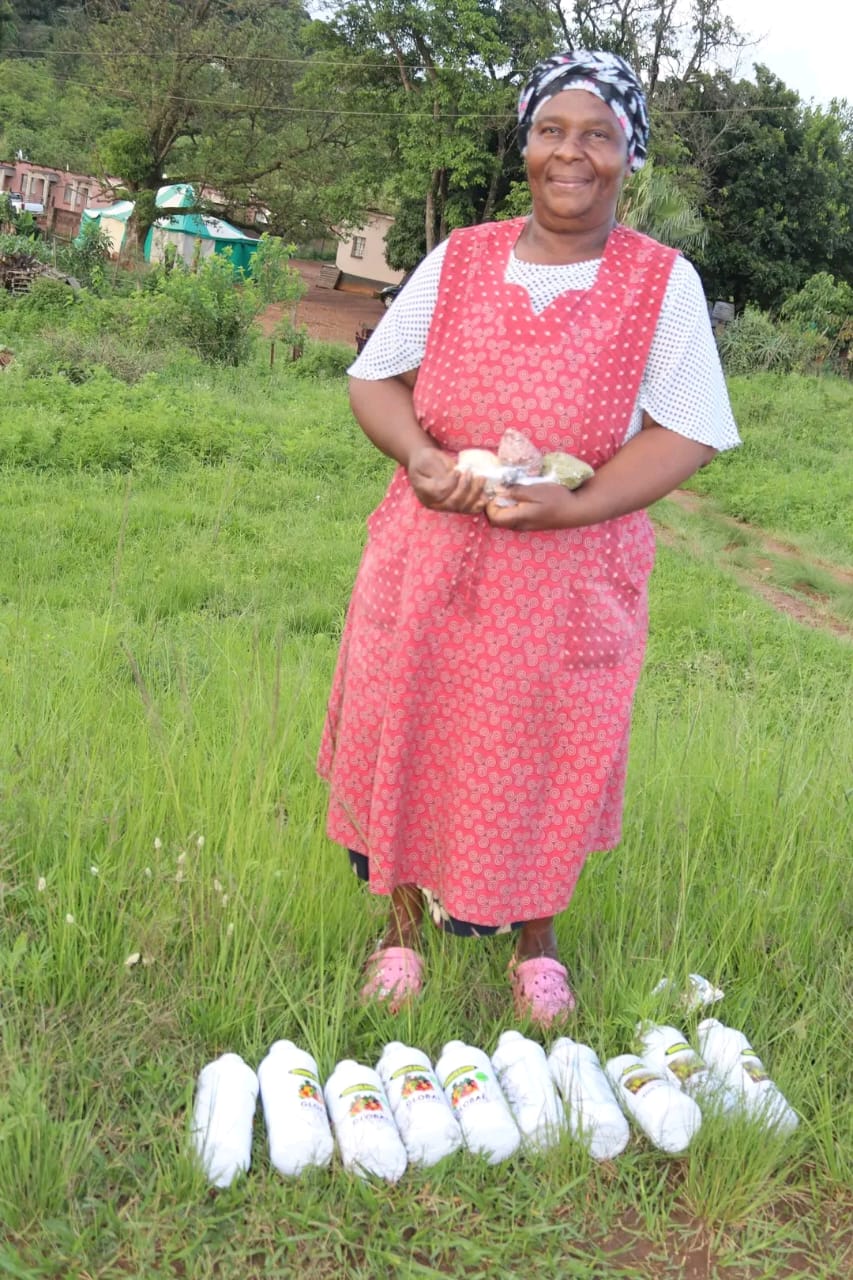
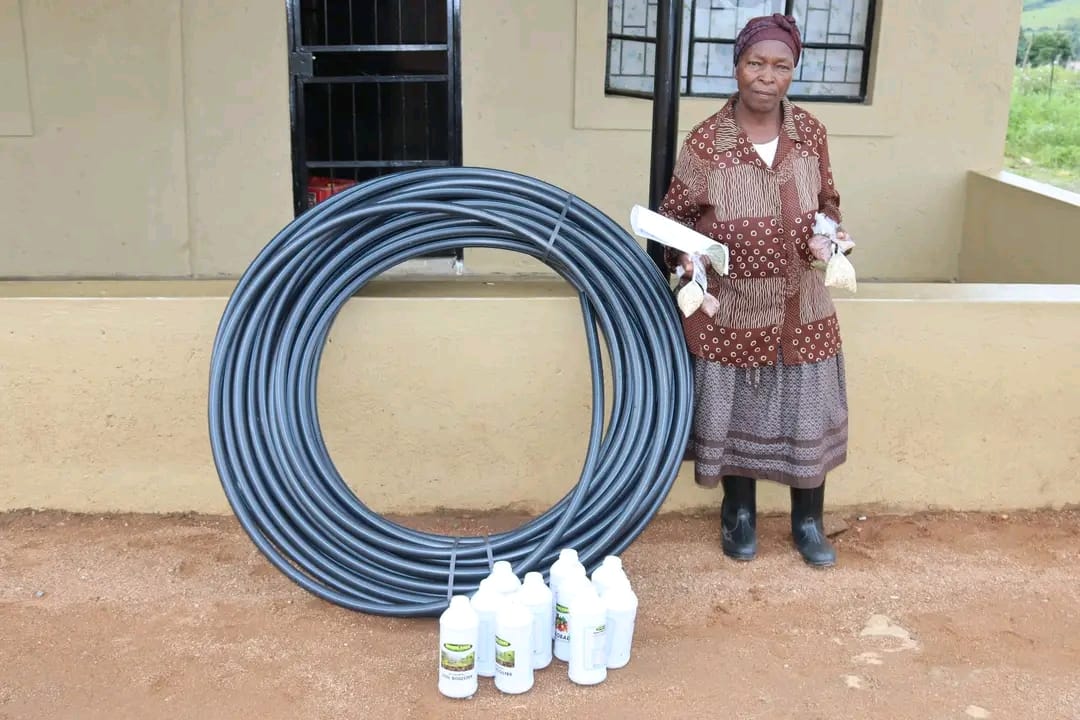
At the heart of the initiative are 35 farmer champions drawn from different regions of the country, each implementing micro-level interventions that respond to specific challenges within their communities. These interventions focus on soil regeneration, indigenous seed preservation, climate-smart cropping systems and reduced reliance on external inputs.
Dlamini said the estimated E1.2 million contribution covered farmer training, sustainable production inputs, technical support and ongoing mentorship, describing it as a strategic investment rather than a short-term intervention.
“When you look at the value of this contribution, it is not only financial,” he said.
“It is an investment in long-term food security, climate adaptation and farmer independence. The skills farmers gain will remain long after the project cycle ends.”
Unlike conventional agricultural programmes, the IMBEWU Project adopts a farmer-led approach. Participating farmers first identified the key challenges affecting their production, including soil degradation, rising costs and unpredictable weather patterns. Using agroecological principles, they then co-designed practical solutions tailored to their local conditions.
Dlamini explained that the selection of the 35 farmer champions was done through PELUM’s established network of member organisations, including ESNAU, the Eswatini Rural Women Assembly, ADRA and the Red Cross.
“These farmers were identified based on their commitment to sustainable agriculture, leadership within their communities and willingness to share knowledge,” he said. “We also ensured balanced representation in terms of gender, age and geographical spread so that the impact of the project can be felt across the country.”
Through peer learning and community engagement, the farmer champions are expected to influence wider adoption of agroecological practices, helping other farmers transition towards more resilient and environmentally sustainable production systems.
Farmers involved in the programme have welcomed the approach, noting that it recognises indigenous knowledge, restores confidence in traditional farming methods and treats farmers as active partners rather than beneficiaries. The emphasis on seed sovereignty and locally driven solutions has further strengthened farmer ownership and accountability.
As climate pressures continue to affect agricultural productivity, the IMBEWU Project reflects a growing shift towards sustainable, farmer-centred development models. By inviting farmers to lead the transition, the initiative is laying a strong foundation for a resilient food system capable of responding to Eswatini’s evolving agricultural challenges.