
BY PHESHEYA KUNENE- EDITOR
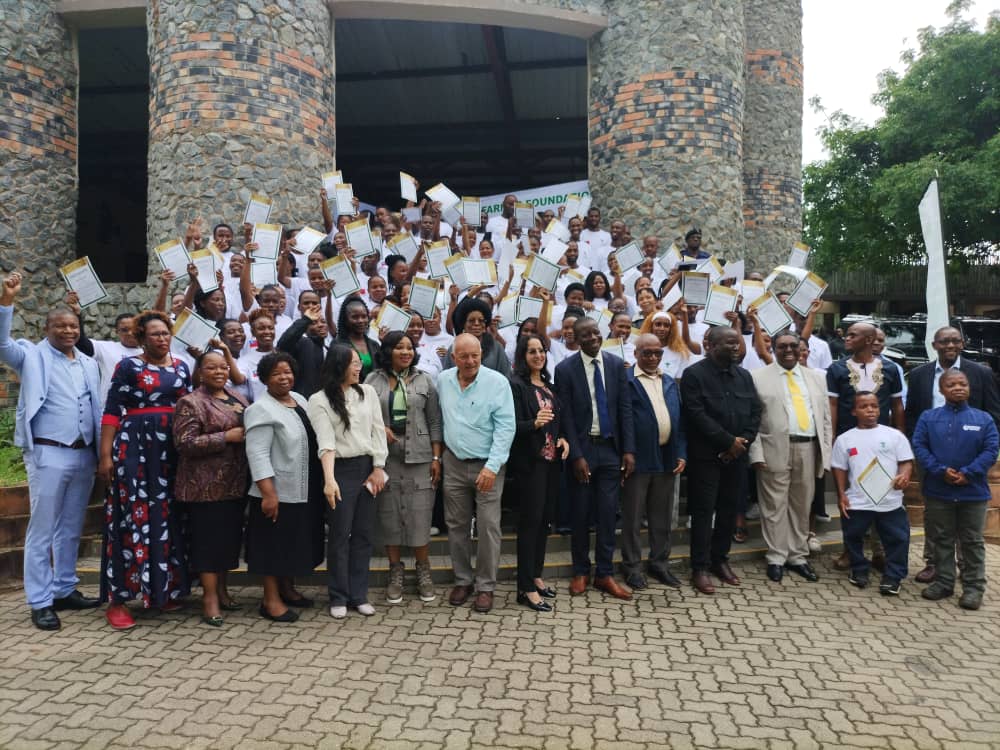
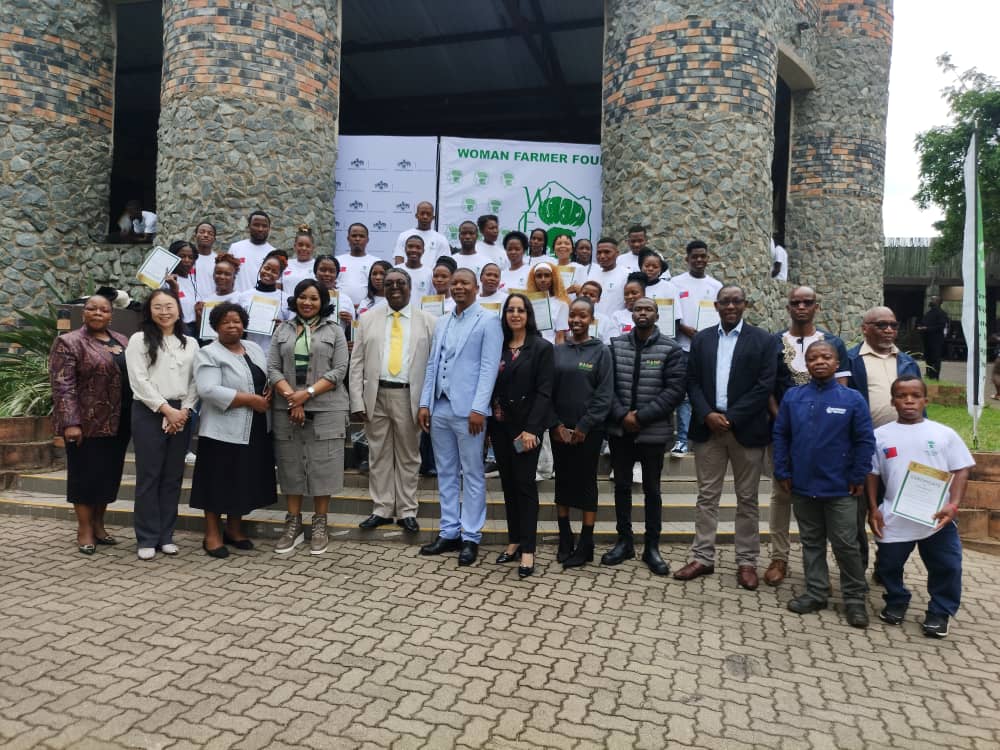
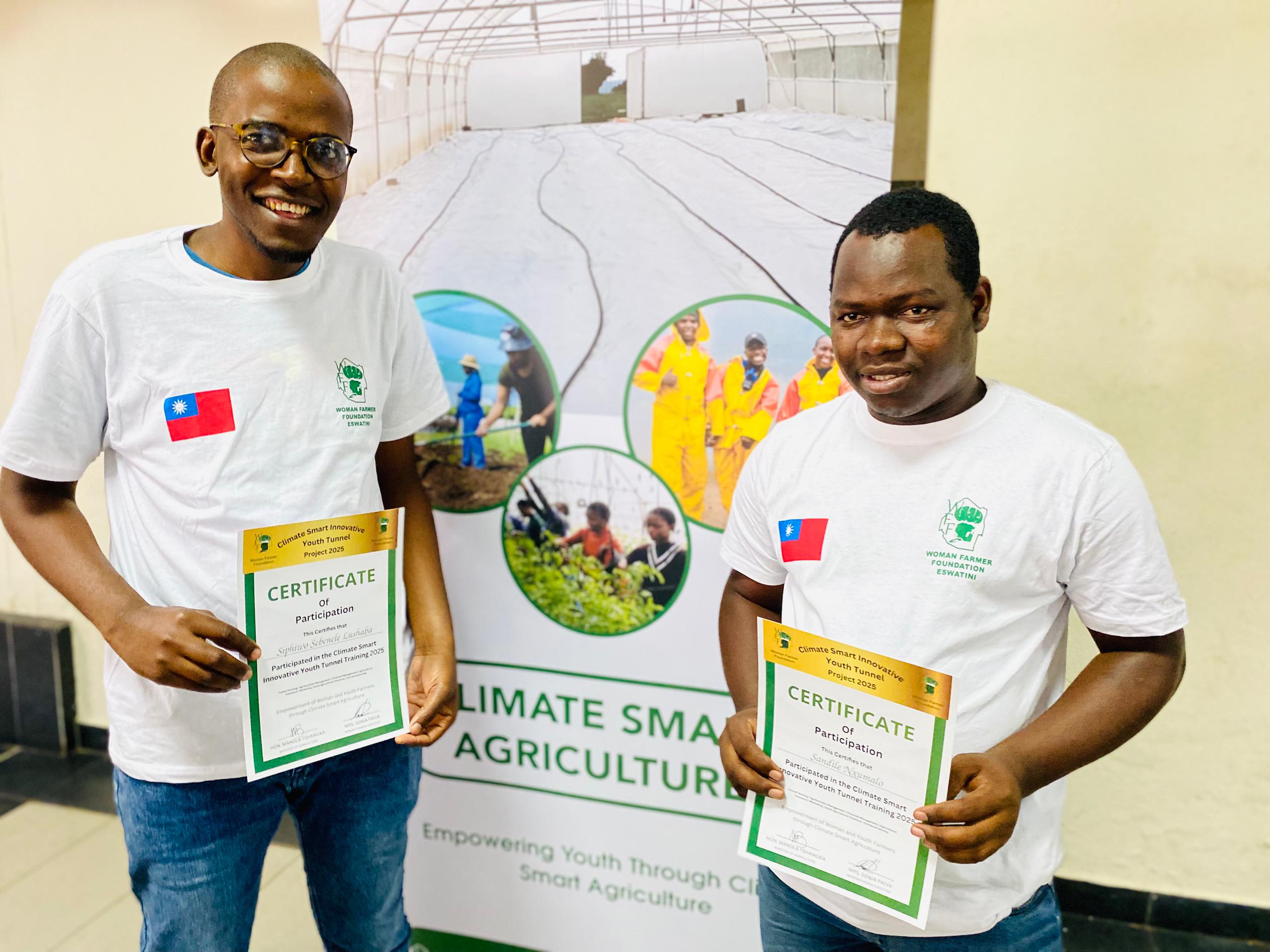
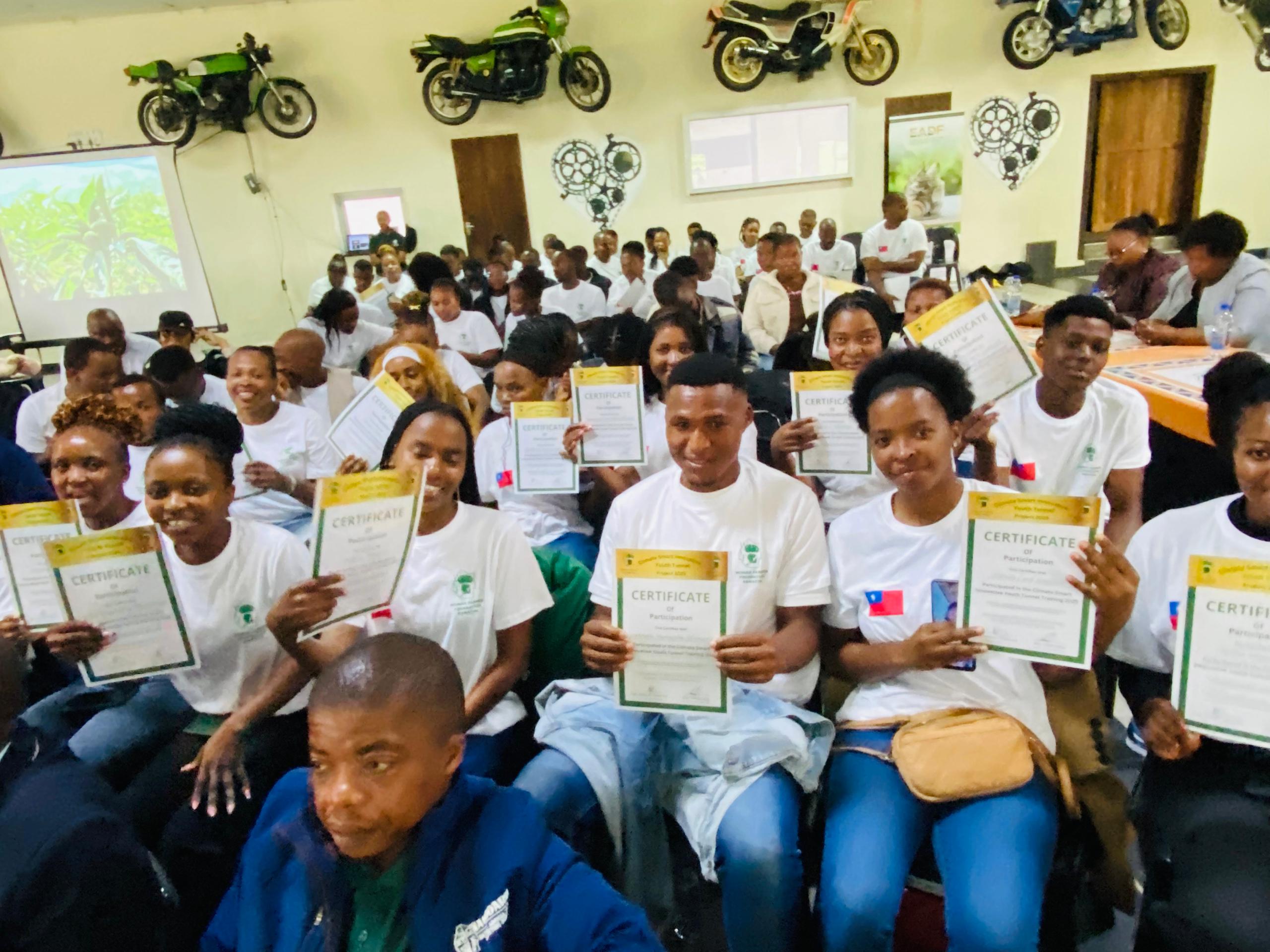
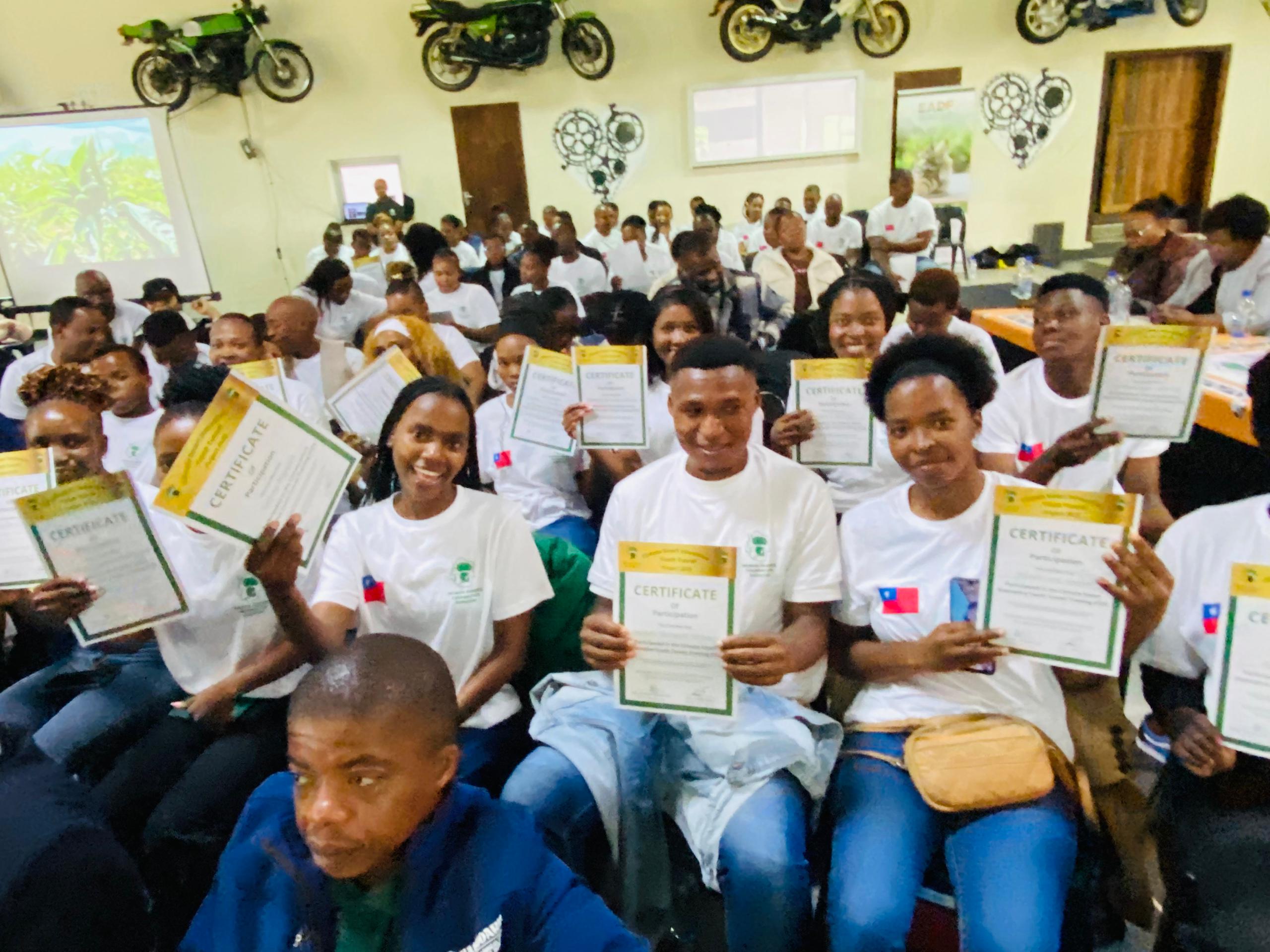
SIDVOKODVO - Riders Ranch in Sidvokodvo stirred with rare youthful energy as 163 emerging agripreneurs received their certificates under the Woman Farmer Foundation’s (WFF) Innovative Climate Smart Tunnel Training Programme, hailed as one of the country’s most dynamic interventions in youth agriculture.
The graduation, graced by senior government officials, foreign mission representatives, development partners, and previous WFF champions, marked a significant milestone in Eswatini’s transition toward resilient, technology-driven food systems.
The state-of-the-art climate-smart facility, usually defined by the hum of fertigation pumps and the quiet discipline of horticultural work, took on the atmosphere of a national showcase. The presence of top officials from the Ministry of Agriculture, Ministry of Commerce, the Eswatini National Youth Council, the Eswatini Agricultural Union, NAMBoard, and the Embassy of Taiwan signalled the programme’s growing influence in shaping agripreneurship pathways for young people.
A Sector Shifting into High Gear
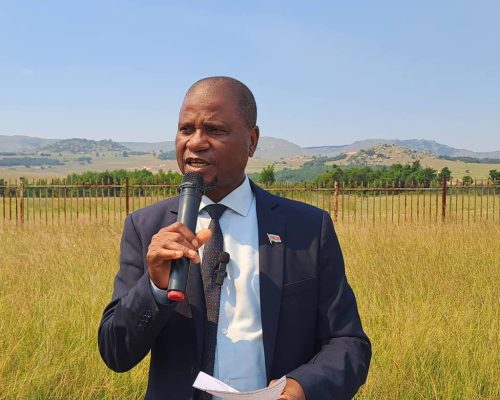
Officiating the ceremony, Minister of Agriculture Mandla Tshawuka, who was represented by Minister Bongani Ndzima, described the programme as “a deliberate investment in the future drivers of Eswatini’s food systems,” emphasising that the country’s development frameworks, from the National Development Plan to the Climate-Smart Agriculture Strategy, demand skilled, market-ready producers.
He reminded graduates that they were entering a sector no longer defined by subsistence but by innovation.
“You are stepping into a field central to food security, economic growth, and climate adaptation,” he said, adding that tunnel technology offered “the kind of resilience envisioned in Eswatini’s NDC 3.0 and the global commitments reaffirmed at COP30.”
Tshawuka applauded the Embassy of Taiwan, which sponsored 160 trainees, and Unicorn United Kingdom, which sponsored 12, reaffirming government’s appreciation for a partnership that continues to “transform lives and strengthen national resilience.”
Shaping Agripreneurs Who Will Not Wait to Be Employed
WFF founder Sonia Paiva reflected on the programme’s rapid evolution. From 21 trainees in 2021 to 371 trained young producers to date, the initiative has become a national reference point for climate adaptation, market linkage development, and youth economic participation.
“This programme was born from a simple truth, youth unemployment is a national crisis, and climate change is rewriting the rules of agriculture,” she said. Paiva stressed that graduates must become “leaders who farm with intelligence, intention, and integrity,” adding her signature reminder: “The smartest harvest is the one that feeds both people and the Earth.”
She called for expanded investment, noting that demand for the programme far exceeds available resources.
“Supporting youth in agriculture is not charity,” she said. “It is an investment in the nation’s future.”
‘Agriculture Must Become the Thing’
Representing government leadership, Minister Bongani Ndzima urged young people to reframe agriculture from a fallback plan to a career of choice.
“Agriculture must become the thing, bold, modern, appealing, and commercially sound,” he said, encouraging graduates to build credible enterprises that speak to the country’s food security needs.
His remarks were echoed by ENYC representative Dumsani Simelane, who challenged the cohort to give agribusiness the seriousness it deserves. “Have the right mindset, show commitment, and we will support you,” he said.
Simelane applauded WFF for “creating a space where innovation and discipline meet to produce the next generation of agricultural entrepreneurs.”
Lessons from Those Who Have Walked the Path
Among the distinguished guests were former WFF champions, including celebrated Woman Farmer of the Year winner Nokwanda Masina-Nxumalo, who delivered a stirring message of discipline and tenacity. She cautioned the graduates against complacency.
“Do not sit back and wait to be employed. You must be go-getters,” she told them.
“Agriculture rewards those who show up daily, who learn, who experiment, and who push beyond fear.”
Her message, widely applauded, underscored the programme’s long-term impact, graduates who become employers, innovators, and award-winning players in the country’s food systems.
A New Generation of Growers Ready to Shape the Future
For many graduates, the programme was transformative. From mastering solar-powered fertigation to navigating market structures and climate adaptation models, the training provided both technical grounding and business acumen. Participants like Nokuphila Simelane, who now serves as Project Coordinator at Shared Futures, spoke of gaining a renewed connection to the land and a practical understanding of sustainable production.
“I now know how to farm in ways that heal the environment rather than harm it,” she said, crediting WFF for equipping her with both knowledge and confidence.
A Sector Prepared for New Voices
Graduates left Riders Ranch not just with certificates, but with sharpened skills, expanded networks, and a clear expectation from the nation’s leadership: the future of agriculture is in their hands. With tunnel farming enabling year-round production, water efficiency, higher yields, and resilience to climate shocks, the young agripreneurs now step into a sector ready for disruption and renewal.
The Class of 2025 leaves the programme as a symbol of possibilitya reminder that with the right tools, mentorship, and mindset, Eswatini’s youth can become architects of a more food-secure, green, and economically vibrant future.
A new generation has risen, 163 strong, and they are ready to grow the nation.