


BY SIKHONA SIBANDZE - JOURNALIST
SIMUNYE — Cane growers in Eswatini are set to benefit from improved market access, sustainable farming practices, and stronger global competitiveness following the country’s landmark achievement of the Bonsucro sustainability certification — the first of its kind in mainland Africa.
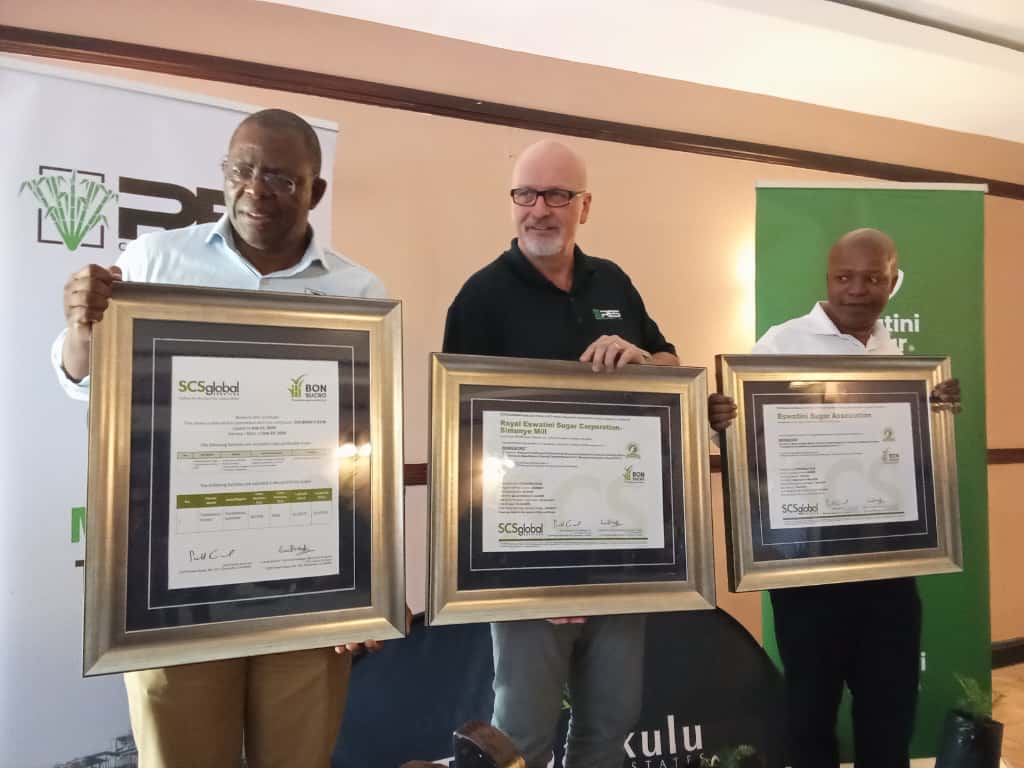
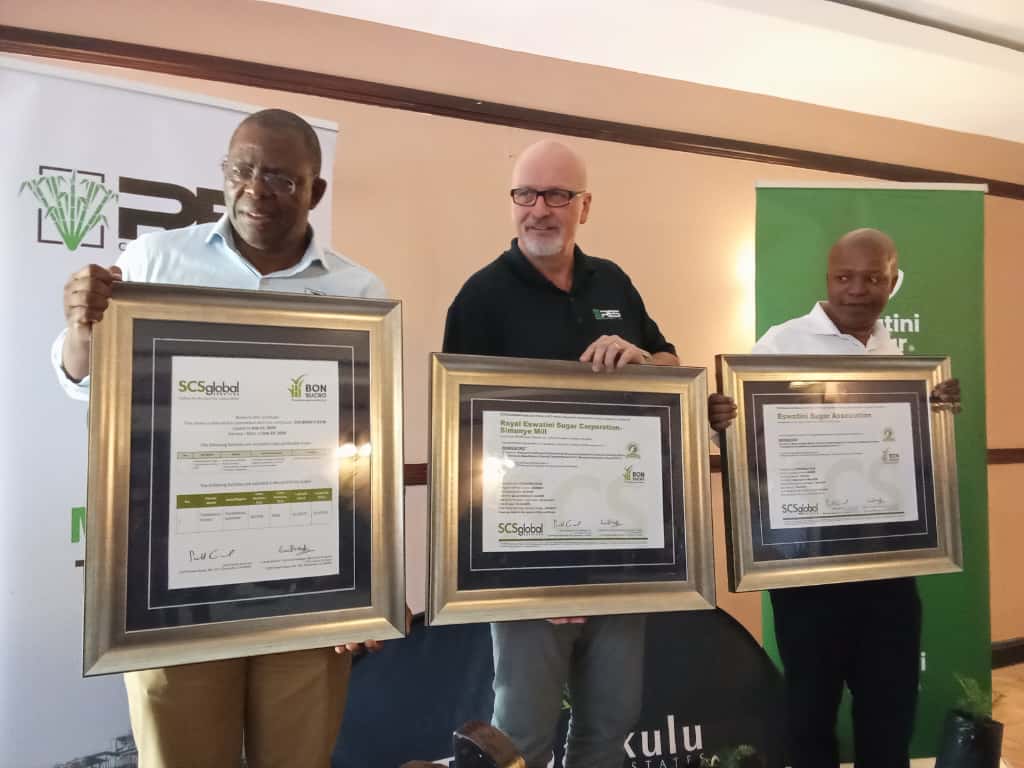
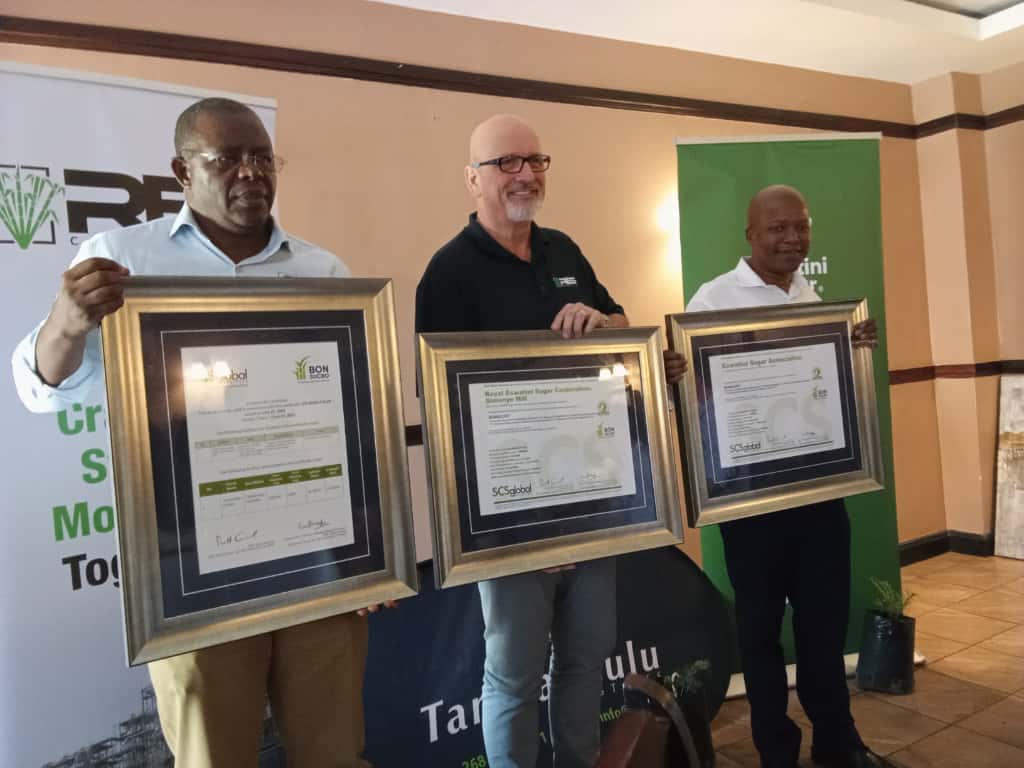
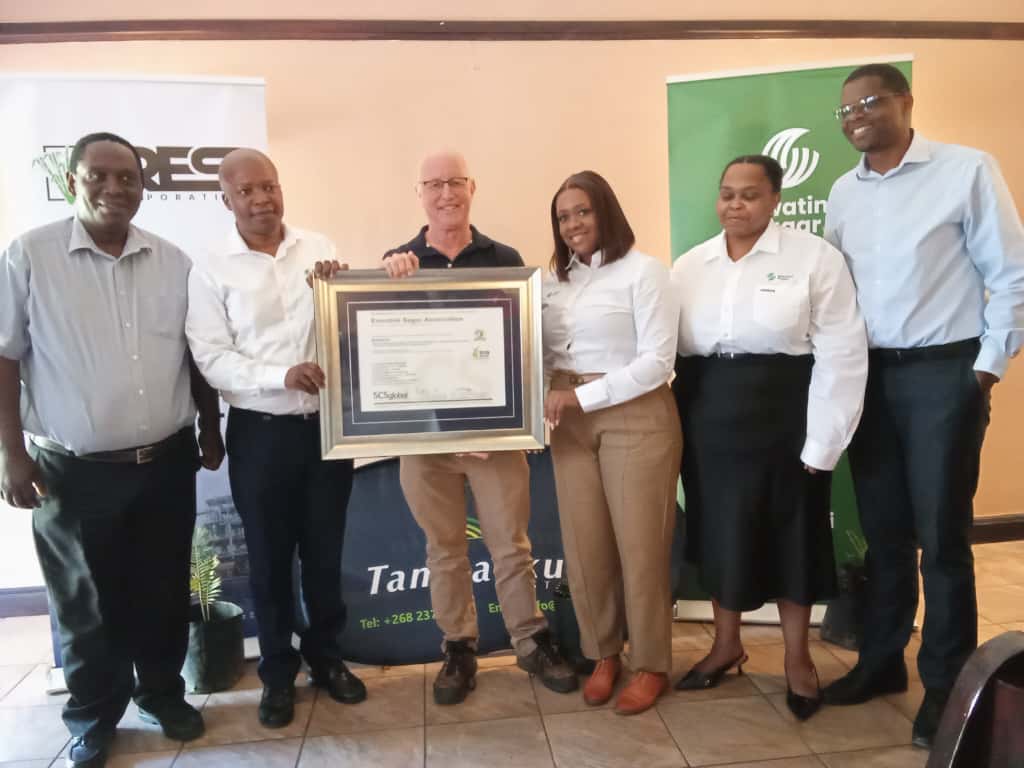
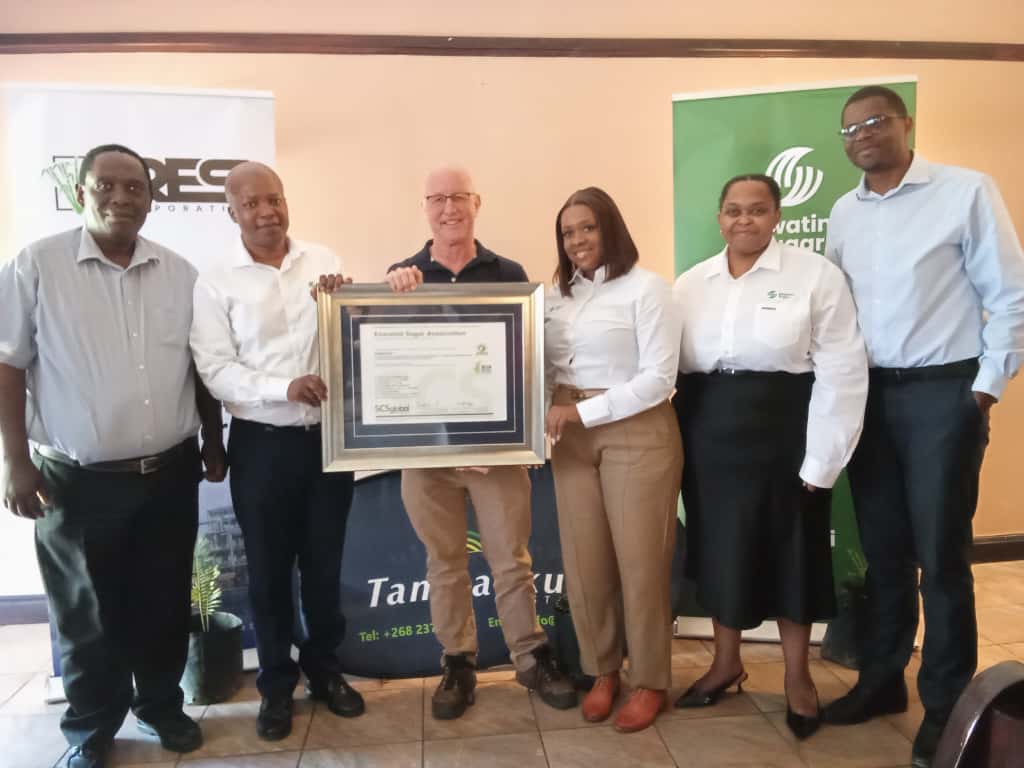
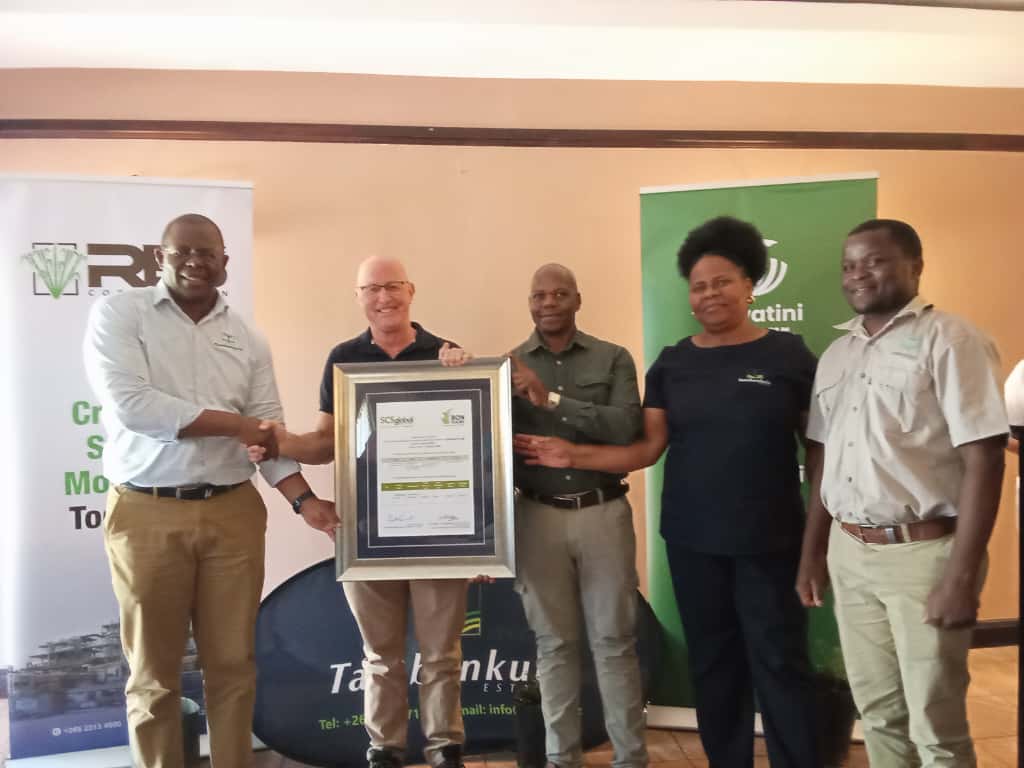
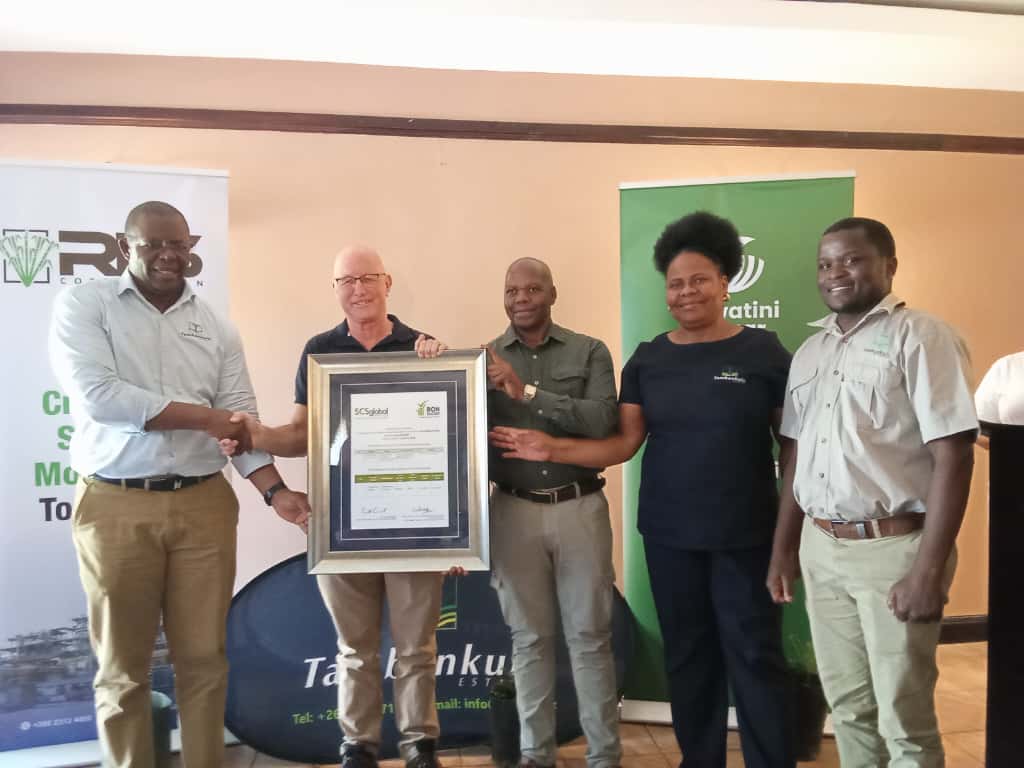
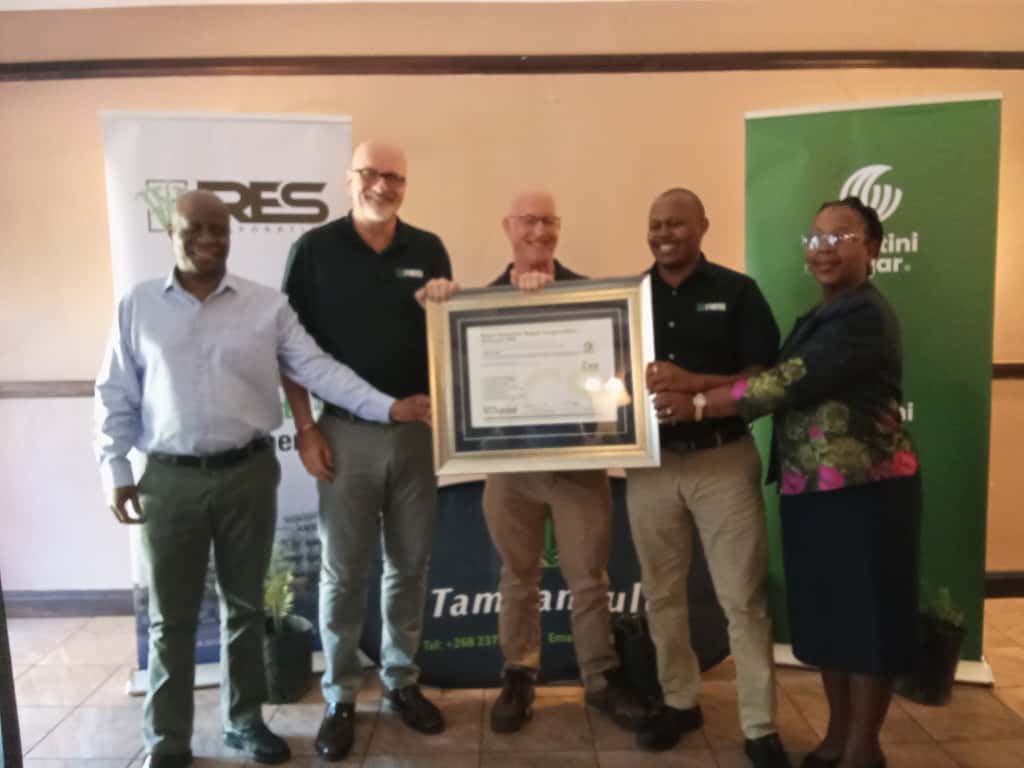
The certification, officially handed over to the Royal Eswatini Sugar Corporation (RES) and Tambankulu Estates at a ceremony held at Simunye Country Club, marks a defining moment in Eswatini’s sugar industry. It positions the country among the world’s leading producers that uphold the highest environmental and social standards in sugarcane production.
A Continental Milestone
Awarded under the Bonsucro Production Standard, the certification places Eswatini alongside major sugar-producing nations such as Brazil and Australia, both known for meeting internationally recognised benchmarks for sustainable sugarcane production.
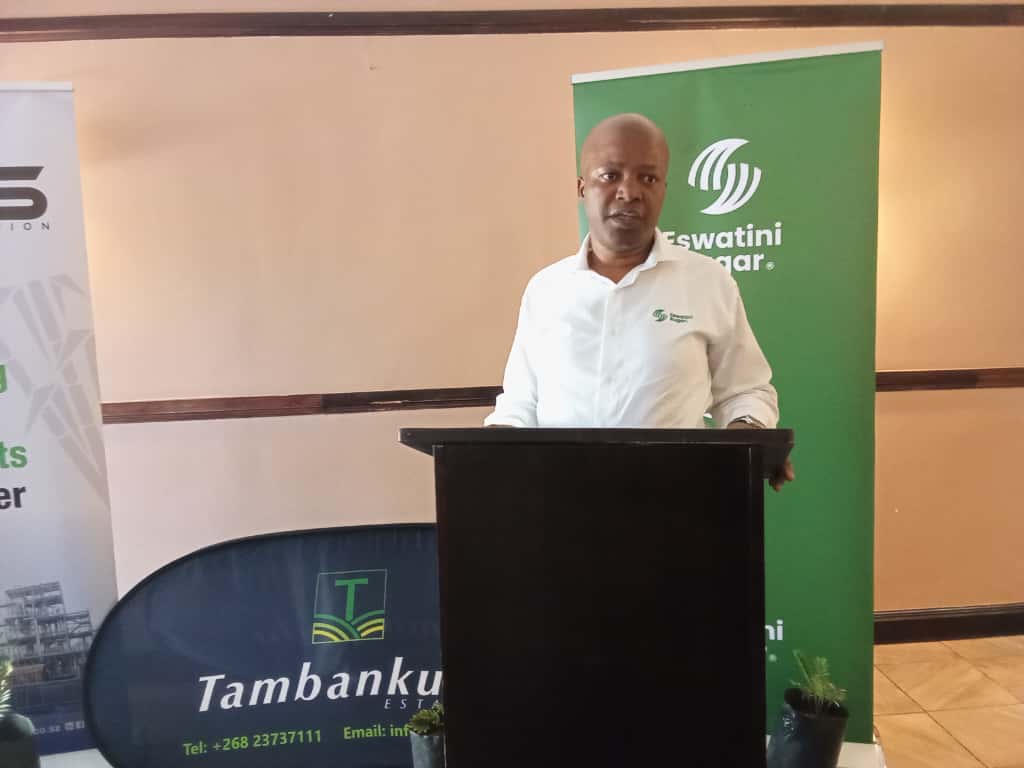
Mandisa Maphalala, Head of Cane Testing and Quality at Eswatini Sugar, said the achievement reflects the industry’s long-term commitment to responsible production, efficient resource management, and community development.
Over the years, the sector has invested in initiatives such as borehole drilling and water supply systems in neighbouring communities — tangible demonstrations of its social responsibility and sustainability ethos.
“This milestone reinforces Eswatini’s position on the global stage,” Maphalala said. “It strengthens our ability to maintain existing markets while expanding into new ones that increasingly demand traceable and sustainably sourced sugar.”
A Sustainable Future for Growers
With international trade regulations tightening around deforestation, human rights, and carbon accountability, Eswatini’s early compliance provides the local sugar industry with a strategic advantage.
The certification not only safeguards current markets but also prepares growers for emerging sustainability requirements from the European Union and other global buyers.
Industry leaders view the Bonsucro milestone as a strategic investment in the future, noting that sustainability is no longer a differentiator but a prerequisite for global trade. Eswatini’s proactive stance ensures its growers remain relevant, resilient, and ready for the evolving global marketplace.
Industry Leadership and Vision
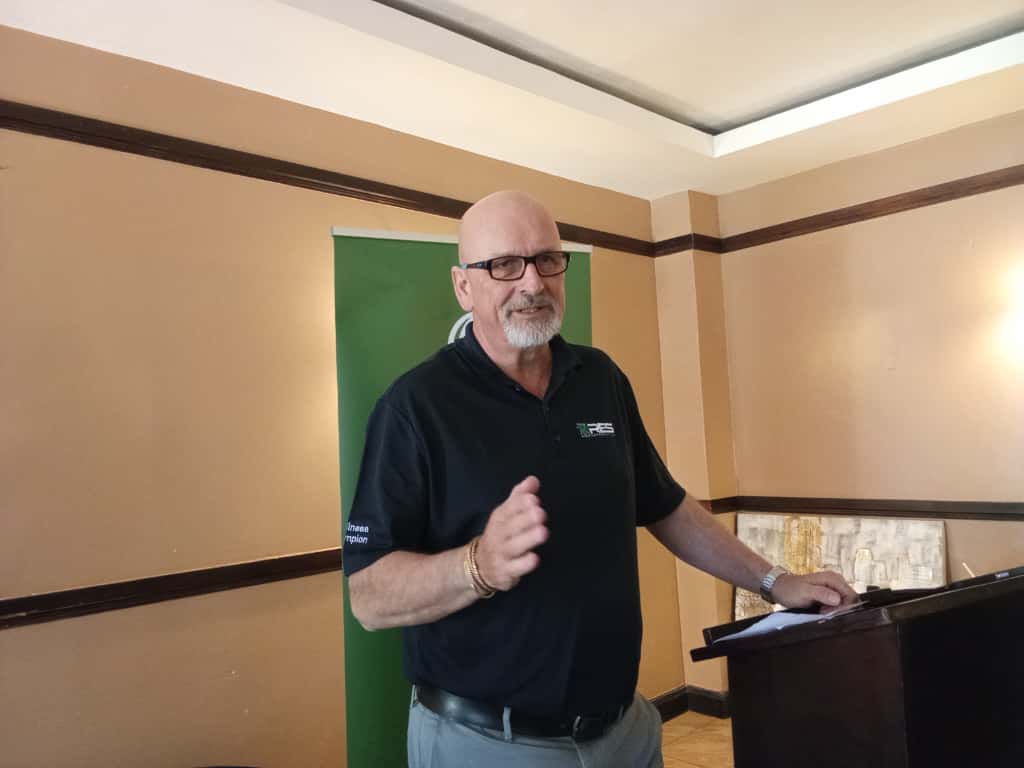
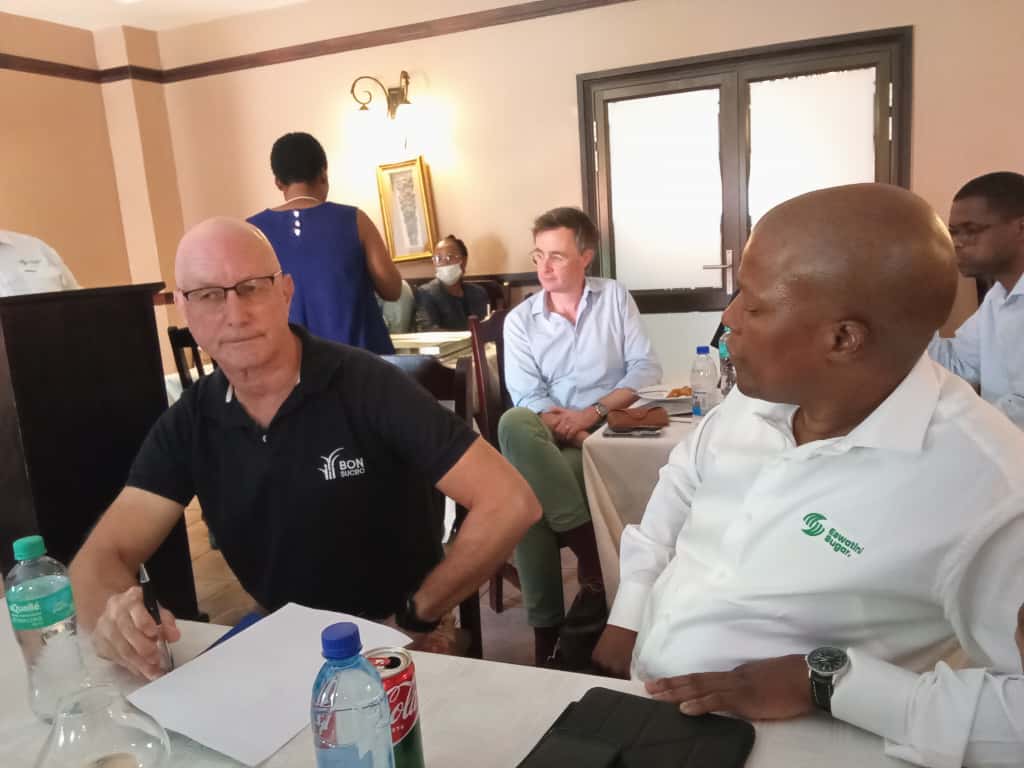
Nick Jackson, Managing Director of the Royal Eswatini Sugar Corporation (RES), said the Bonsucro journey reaffirmed the strong standards already guiding the local industry.
He noted that Eswatini’s production systems were closely aligned with international best practices, and the certification process served to formalise a long-standing culture of sustainability.
“The move toward certification was not about catching up,” Jackson explained, “but about recognising and validating what we were already doing — integrating sustainability into every stage of production, from field to factory.”
He added that community development remains central to the industry’s mission, with ongoing investments in water infrastructure, rural development, and social upliftment projects.
According to Jackson, the certification opens new pathways for increased production, strategic partnerships, and access to premium markets that reward responsible and sustainable practices.
“The next step is to bring more growers on board so that this milestone becomes an industry-wide achievement,” he said.
Setting a Regional Example
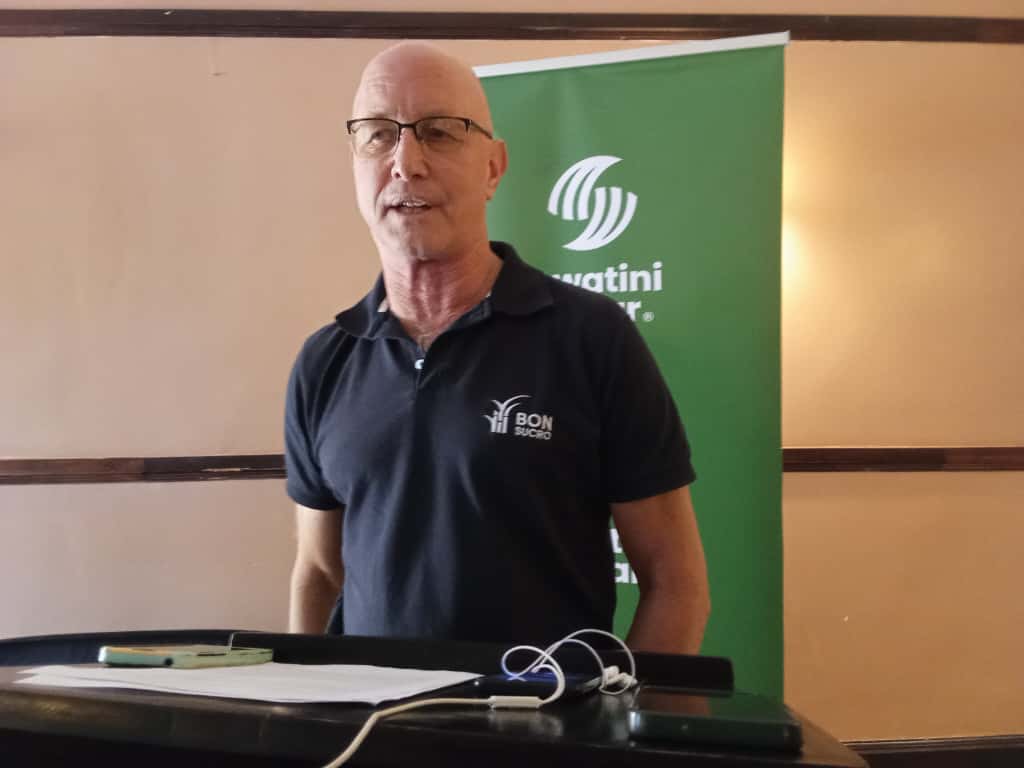
Mike Ogg, Bonsucro’s Head of Region for the Middle East and Africa, commended Eswatini for adopting a joint certification model that involved both estates and mills, rather than limiting certification to factory-level operations.
He said this collaborative approach reflects the country’s unity of purpose and will make it easier to extend certification to smallholder growers in the near future.
“The certification is more than compliance,” Ogg noted. “It is a pathway to resilience, profitability, and inclusion. By meeting international thresholds in water management, labour standards, and environmental care, Eswatini growers have secured a competitive advantage in markets increasingly shaped by sustainability expectations.”
Ogg added that in other regions such as Brazil, Bonsucro-certified mills have accessed preferential financing and lower interest rates through institutions like the International Finance Corporation (IFC), thanks to their verified sustainability credentials.
Tambankulu’s Commitment
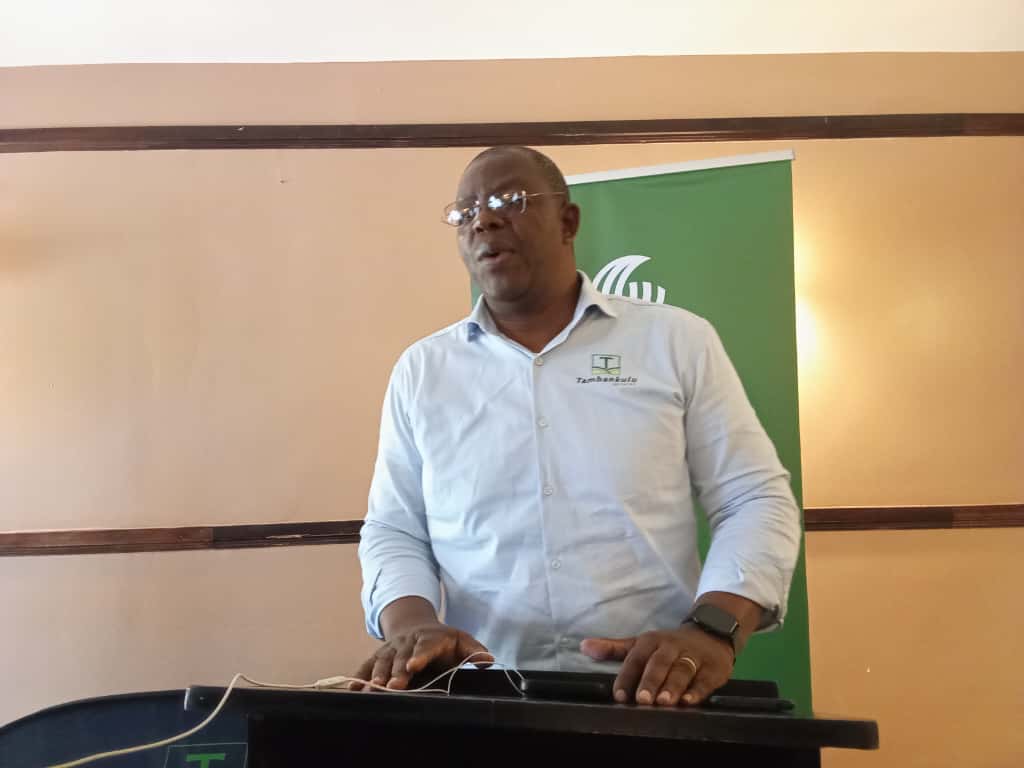
Chris Shabangu, Managing Director at Tambankulu Estates, described the certification as the culmination of years of collaboration, training, and continuous improvement.
He credited his team for embracing the process not merely as a compliance exercise but as a transformative shift in mindset, embedding sustainability into daily operations.
“Tackling the process required teamwork, dedication, and an openness to evolve,” Shabangu said. “Our focus has been on strengthening environmental management, labour welfare, and productivity systems — and this certification is a reflection of that commitment to excellence.”
He added that the achievement underscores Tambankulu’s readiness to compete globally, ensuring it remains a trusted and forward-looking player in the ever-evolving sugar economy.
A Symbol of Resilience
To symbolise this achievement, Bonsucro presented certified organisations with Lebombo cycads, one of Eswatini’s oldest indigenous plant species — representing endurance, adaptation, and longevity.
The gesture captured the spirit of an industry that continues to thrive through innovation, unity, and shared purpose.
About Bonsucro
Bonsucro is the world’s leading sustainability platform for sugarcane, established in 2008 to promote social, environmental, and economic improvement across the sugar value chain.
The certification assesses performance in key areas including water efficiency, fair labour practices, greenhouse gas reduction, and biodiversity protection, helping producers meet and exceed global sustainability expectations.