
BY SIBUSISIWE NDZIMANDZE | JOURNALIST
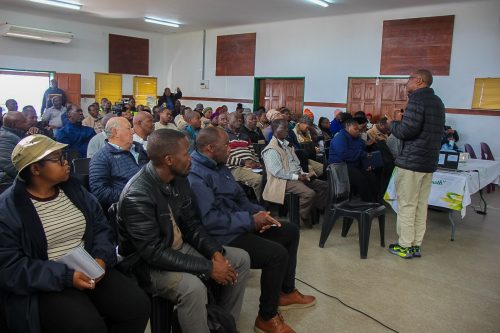
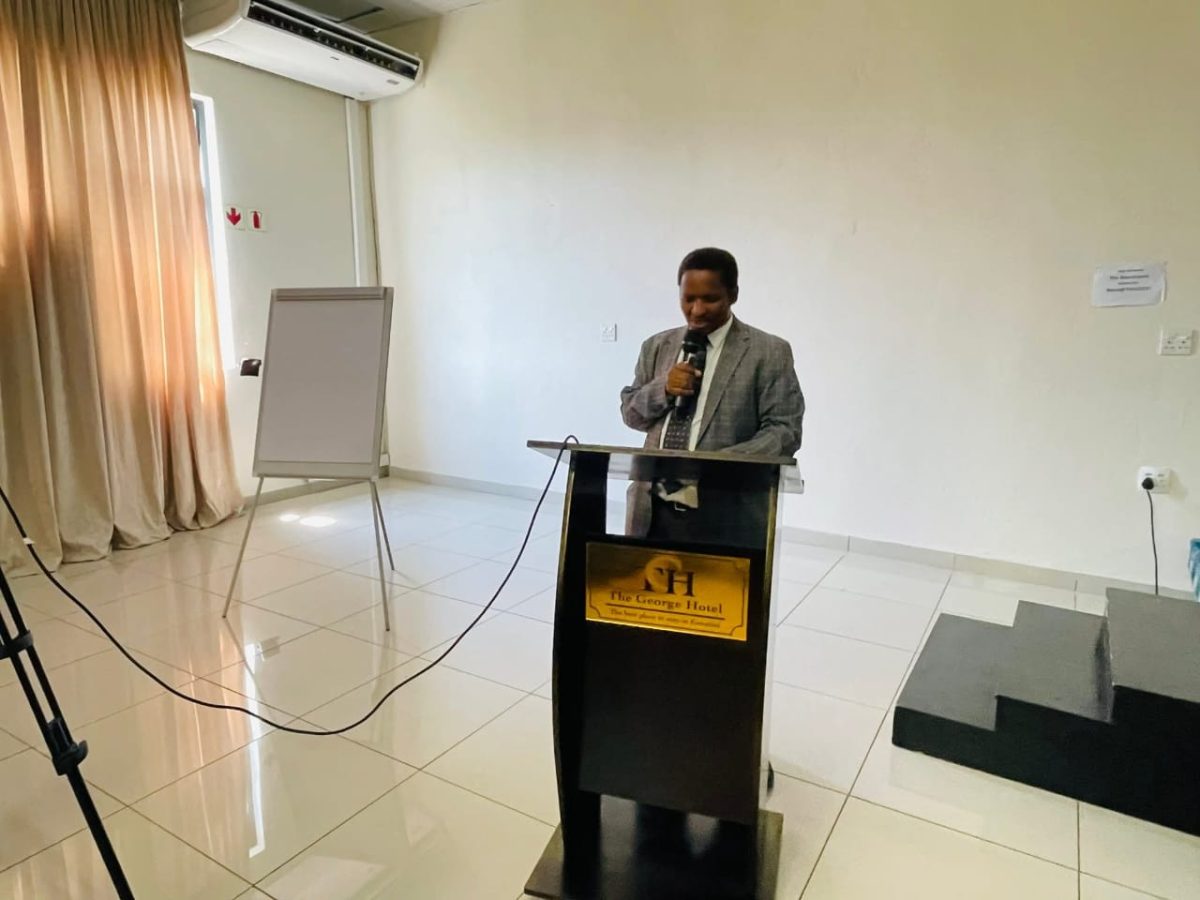
MANZINI – Medium- and large-scale commercial farmers could soon pay more for irrigation water. Charges would be based on how much water they use and the size of their farms. This follows the launch of a proposed Differential Water Pricing Framework at a stakeholder workshop held today at the George Hotel in Manzini. The framework was unveiled by the Ministry of Natural Resources and Energy through the Department of Water Affairs (DWA) and the Joint River Basin Authorities–Project Board (JRBA-PB). It is projected to raise E15.5 million a year to help fund an E18.9 million national water management system..
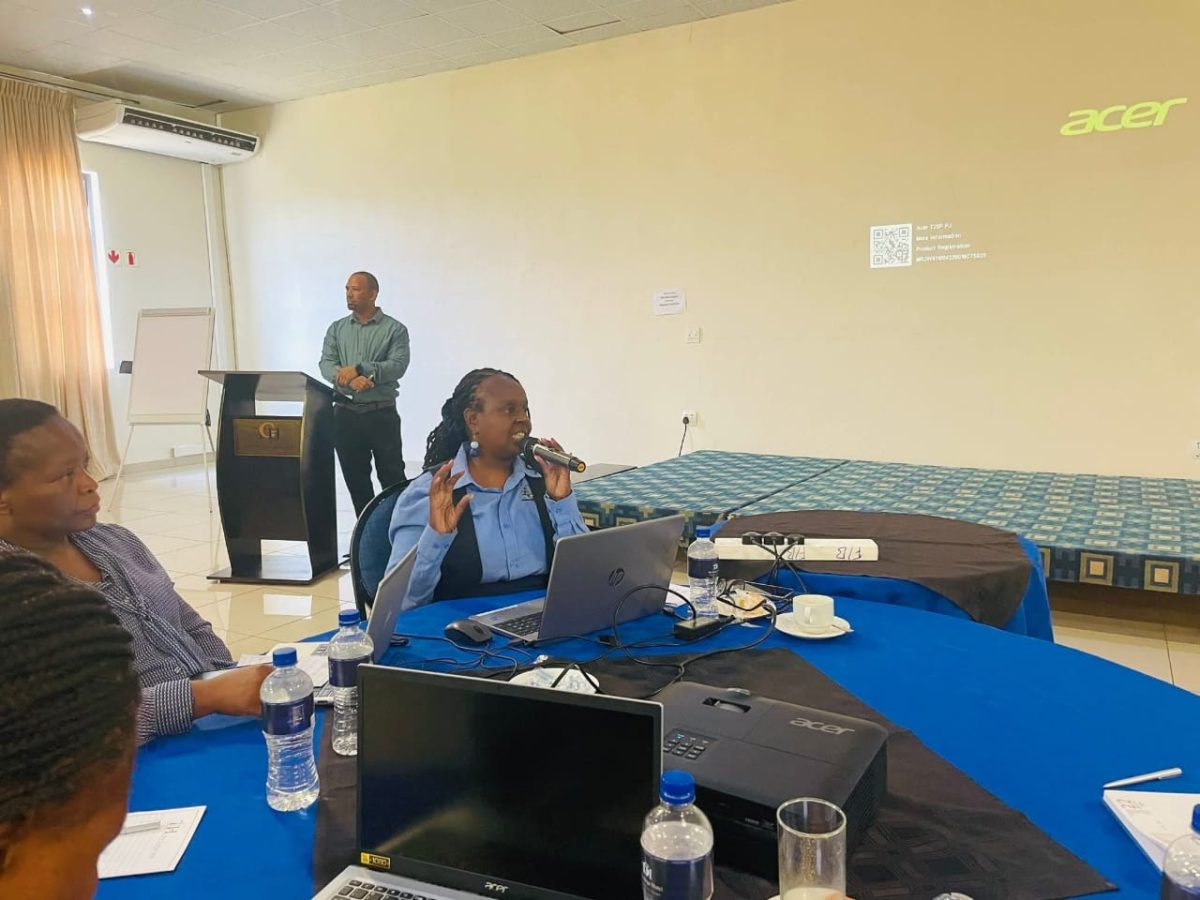
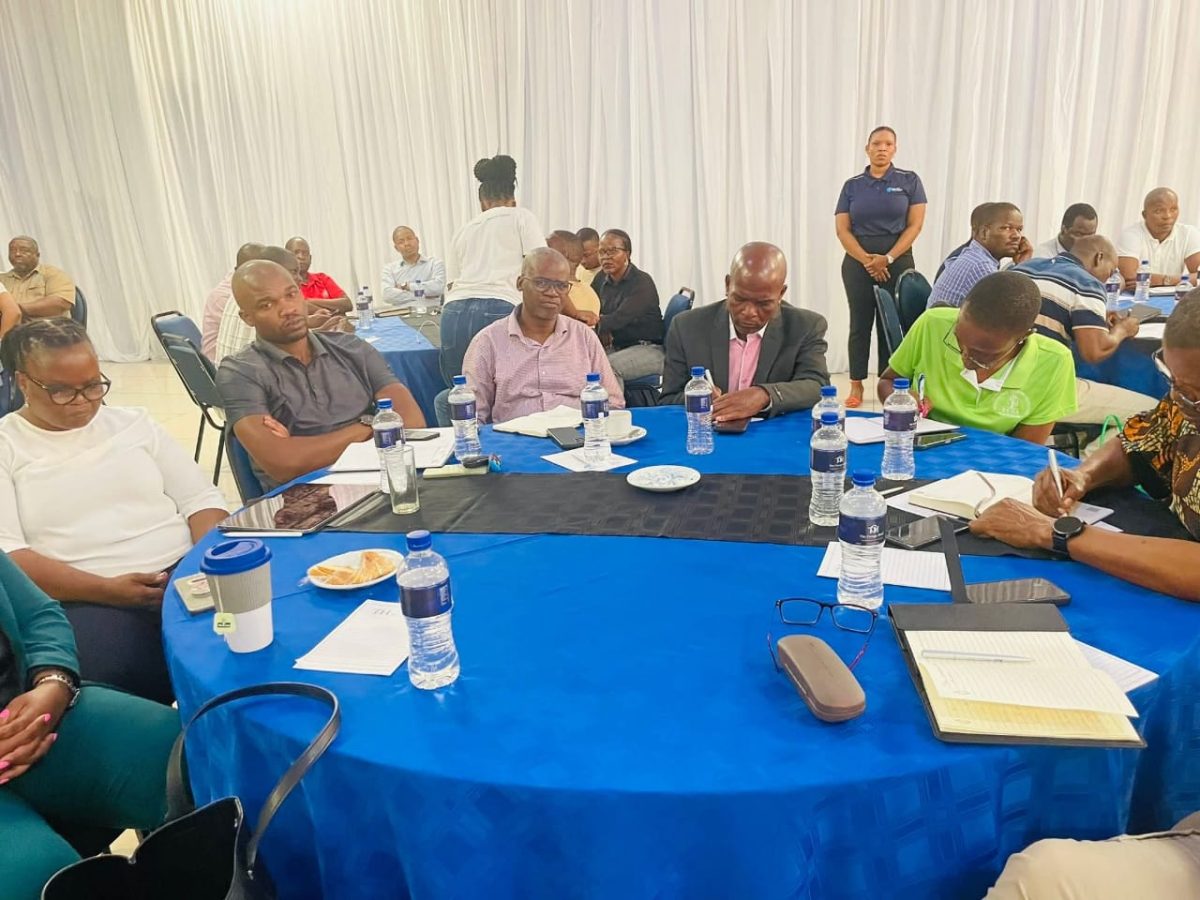
The proposal was presented during a stakeholder workshop where commercial farmers and key stakeholders were invited to provide views before the framework is finalised.
Differentiated Pricing Structure
The workshop focused on differentiating water pricing between small-scale farmers and large-scale growers, particularly within the sugarcane sector.
Under the proposed structure:
- Small-Scale Farmers (1 – 250 hectares): 1.0 cent per cubic metre (m³)
- Medium-Scale Growers (251 – 1,000 hectares): 1.5 cents per cubic metre (m³)
- Large-Scale Growers (Above 1,000 hectares): 2.0 cents per cubic metre (m³)
Officials indicated that the pricing will be introduced gradually over a five-year period, allowing farmers time to adjust while moving steadily toward full cost recovery.
The reform is projected to significantly increase revenue compared to the current flat-rate system.
Budget Allocation
Officials clarified that the E8.9 million budget required for the water management system will be allocated as 90 percent directed toward operational water management institutions, and
10 percent allocated for feasibility studies and system improvements
The funds will support hydrological monitoring, maintenance of flow monitoring infrastructure, compliance systems, and improved data management.
Ministry of Natural Resources and Energy, Acting Principal Secretary Sicelo Nxumalo emphasised that water remains a strategic national resource underpinning agriculture, domestic supply, industry and energy production.
“Water is a driver of economic growth and national development. Managing it responsibly requires cooperation and shared commitment,” Nxumalo said.
What Farmers Would Pay Per Hectare
Officials demonstrated how the pricing translates annually depending on crop type and water duty.
For other crops (estimated 8,000 m³ per hectare annually):
- Small-scale: E80 per hectare
- Medium-scale: E120 per hectare
- Large-scale: E160 per hectare
For sugarcane (13,650 m³ per hectare annually, varies by basin):
- Small-scale: E136.50 per hectare
- Medium-scale: E204.75 per hectare
- Large-scale: E273 per hectare
The figures show that higher water-consuming crops and larger production scales will contribute proportionately more.
Ensuring Fairness Through Metering
Chief Water Engineer, Emelda Magagula of the Department of Water Affairs said the differentiation is designed to protect small-scale farmers while ensuring that larger water abstractors contribute proportionately.
She said government is working toward ensuring that ultimately every farmer is metered.
“Where meters are not yet installed and usage is estimated, we are implementing programmes so that every farmer receives a meter,” she said. “The intention is to charge based on actual usage.”
She added that the differentiated price structure supports small-scale farmers while promoting fairness and sustainability.
Cost Recovery and Water Use Surveys
Acting Chief Executive Officer of the Joint River Basin Authorities–Project Board (JRBA-PB), Takhona Dlamini, provided insight into the cost recovery strategy and the importance of strengthening water usage accountability.
She explained that achieving 100 percent recovery in the first year is unrealistic, hence the adoption of a multi-year, phased approach.
“We cannot achieve full recovery in the first year. It has to be gradual,” Dlamini said.
She highlighted the importance of conducting water use efficiency surveys to better understand abstraction patterns and inform pricing decisions.
The institution is also transitioning from an analog system to a more robust permit management system, which will allow authorities to track individual users, measure water abstracted, and charge accordingly.
“We are moving toward a system where we know this user has used this much water and must be charged accordingly,” Dlamini explained.
Accountability and Stakeholder Involvement
The discussion underscored the need for continued stakeholder consultations, transparency, and accountability mechanisms.
Officials emphasised that water management is a shared responsibility between government and water users, and that stakeholder input will shape the final implementation model.
The workshop forms part of an ongoing consultation process before submission to the National Water Authority (NWA) for further consideration and eventual legal integration.
With agriculture being one of the country’s largest water users, the proposed reform signals a shift toward cost-reflective pricing, improved monitoring, and strengthened accountability while balancing support for small-scale farmers and long-term water security.