BY PHESHEYA KUNENE – EDITOR
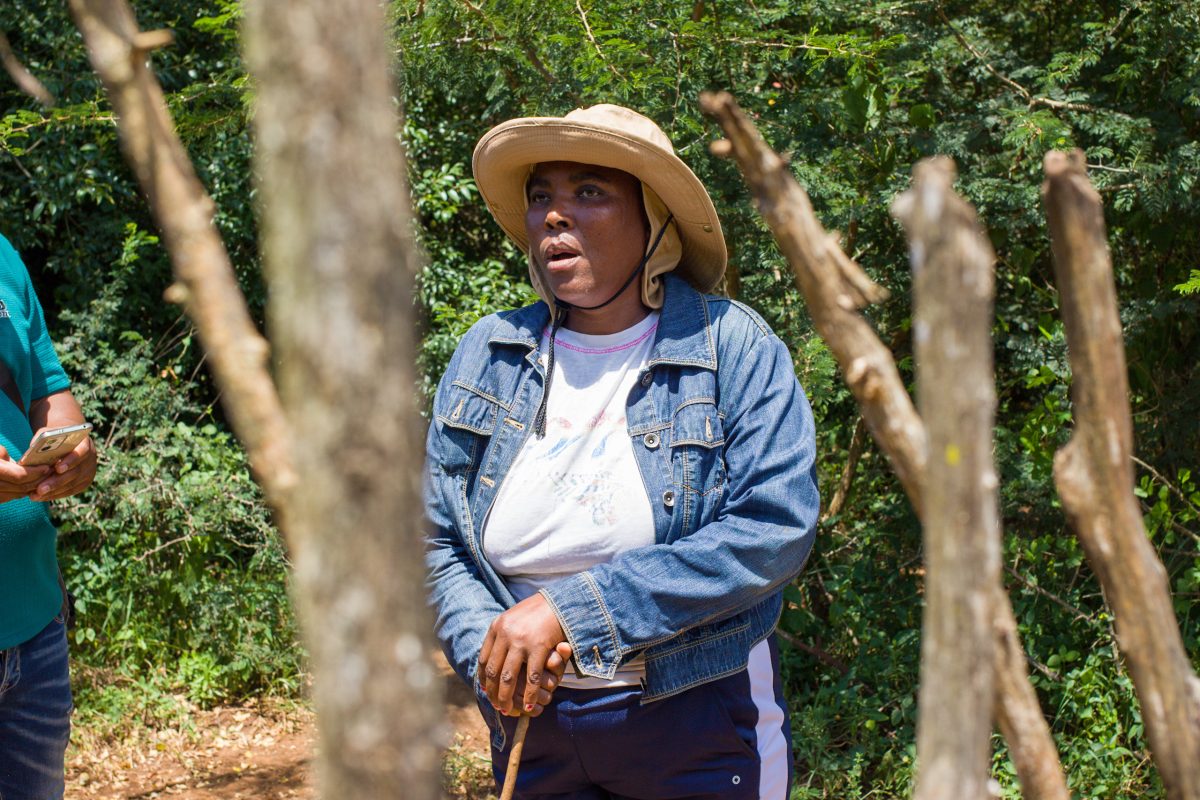
KASHOBA, LUBOMBO – Heatwaves, relentless drought and scorching skies are testing farmers across Eswatini, but for Woman Farmer of the Year 2025, Olivia Eli Dlamini, the challenges are intensely personal.
During a recent visit by the Agribusiness Media team, Dlamini’s maize fields were wilting under the harsh sun and her first bean crop dropped under extreme heat, despite her continuous efforts to water them.
“When I planted maize and beans, I didn’t expect this. Some crops are dying even though I am doing my best. The heat is merciless this season,” she said, surveying her land.
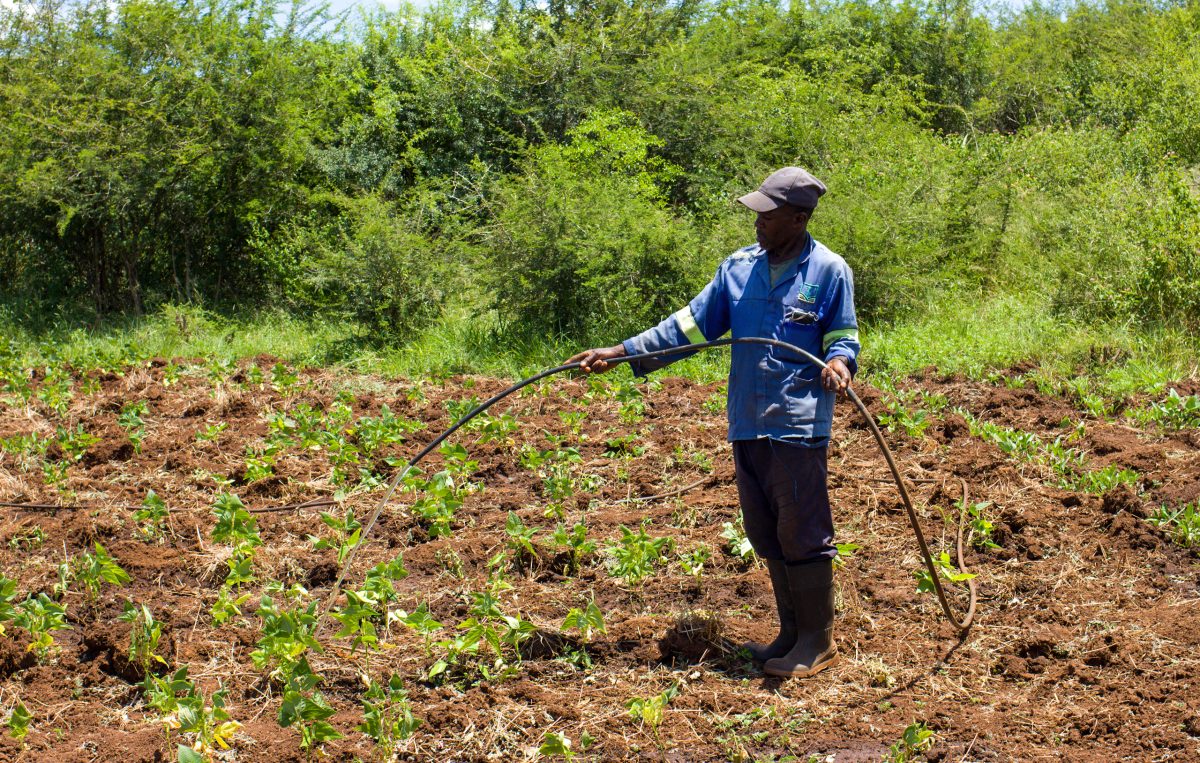
Her experience reflects a wider national pattern. Eswatini has faced multiple drought episodes over the past two decades, including a devastating El Niño‑induced drought in 2015 and 2016 that slashed maize production by 30–40 percent and forced the import of more than 30 000 tonnes of maize to meet domestic needs.
These recurrent dry spells have disrupted planting cycles, increased livestock mortality and heightened food insecurity across the country.
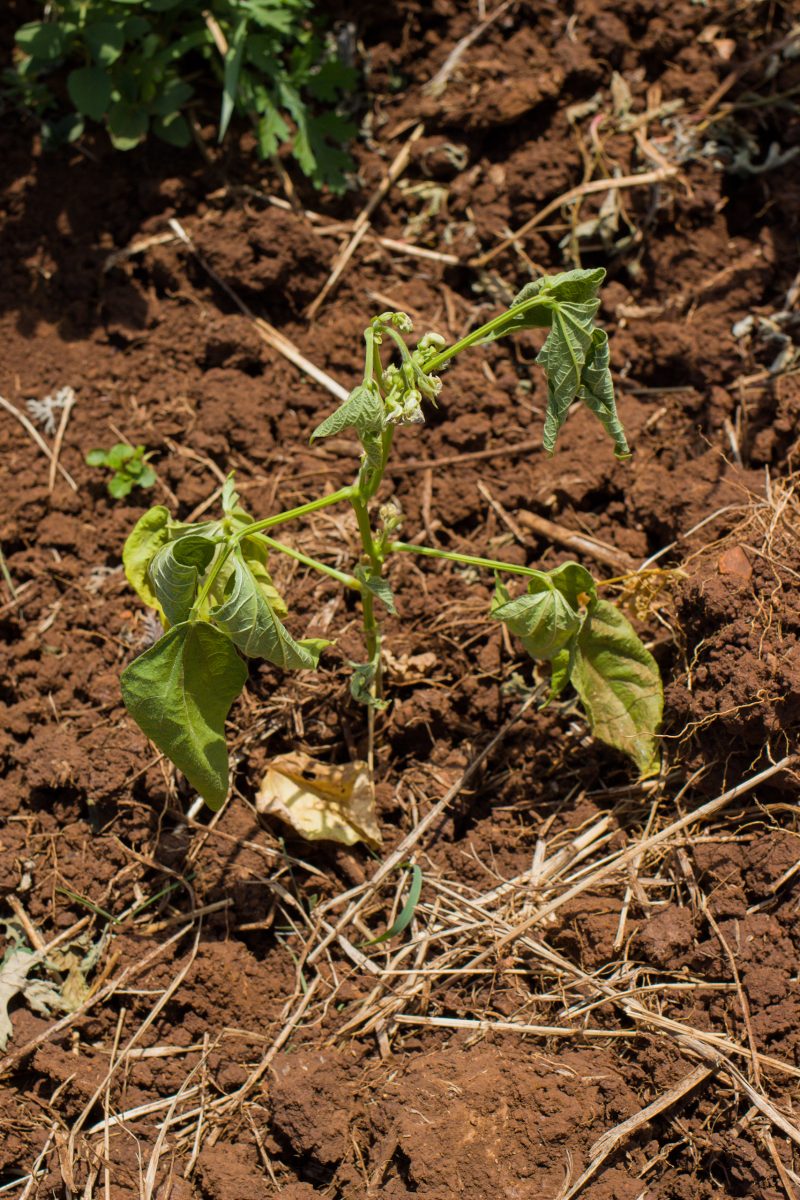
The wider impact of drought across the agricultural economy is stark. Agriculture remains a key livelihood for more than 70 percent of rural households, but prolonged dry spells and erratic rainfall have undermined production, worsened food security, and eroded the sector’s contribution to national income. The agricultural sector’s share of GDP declined from over 12 percent in the early 2000s to around 8 percent by 2020, driven in part by changing weather patterns and prolonged dry conditions that continue to affect yield and productivity.
Climate change is tightening its grip on food systems: rainfall has reduced in many farming zones, river flows have declined, and the window for successful planting has grown narrower each season. FAO data show that agricultural lands in all provinces remain under stress, while El Niño‑linked droughts in recent years cut annual rainfall significantly, reducing water availability for both crops and livestock.
But climate change is only part of Dlamini’s struggle. After losing 36 goats to livestock thieves, she made the painful decision to abandon goat farming entirely, showing that crime can hit farmers as hard as drought.
Still, resilience defines her farm. Dlamini operates a diversified agribusiness that includes over 90 cattle, a dairy unit producing around 70 litres daily (fresh milk selling at E15 per litre and sour milk at E20 per litre), and a poultry operation with more than 300 indigenous chickens retailing between E100 and E200. This combination of livestock, dairy and poultry not only anchors household income but also strengthens local food supply.
“I started small, but the Woman Farmer of the Year Competition opened doors for me,” she said.
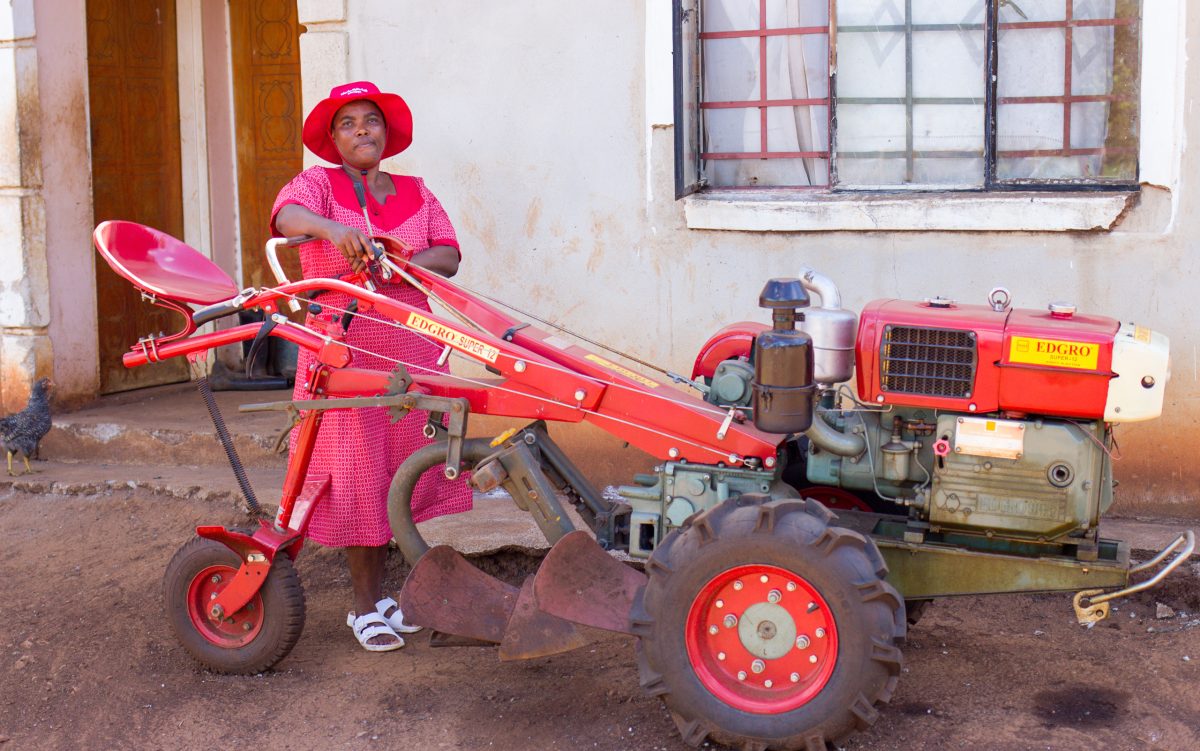
“The tractor, water pump and tanks I won have helped me expand production and manage irrigation. I am clearing more land to plant over 20 hectares with beans, vegetables and potatoes, and I plan to install shade nets and proper irrigation systems to protect my crops from extreme heat.”
Her ambition goes beyond survival. Dlamini aims to turn her farm into a professional agribusiness capable of supplying supermarkets and restaurants with high‑quality produce and cross‑breed indigenous chickens.
She also wants to enter the Entrepreneur of the Year Competition and win a Toyota DG6 bakkie, demonstrating her vision to combine business success with farming.
“We have enough land to expand. Local elders have offered me additional land and I am clearing four hectares for beans and vegetables. Farming requires patience, passion and adaptability. This season is teaching me to work smarter and plan carefully,” she said.
The national cost of drought and related land degradation is also felt beyond individual farms. The Eswatini Environment Authority estimates that drought and land degradation reduce economic output by around E1.7 billion annually, weakening national food systems, shrinking grazing lands, and placing long‑term pressure on rural livelihoods.
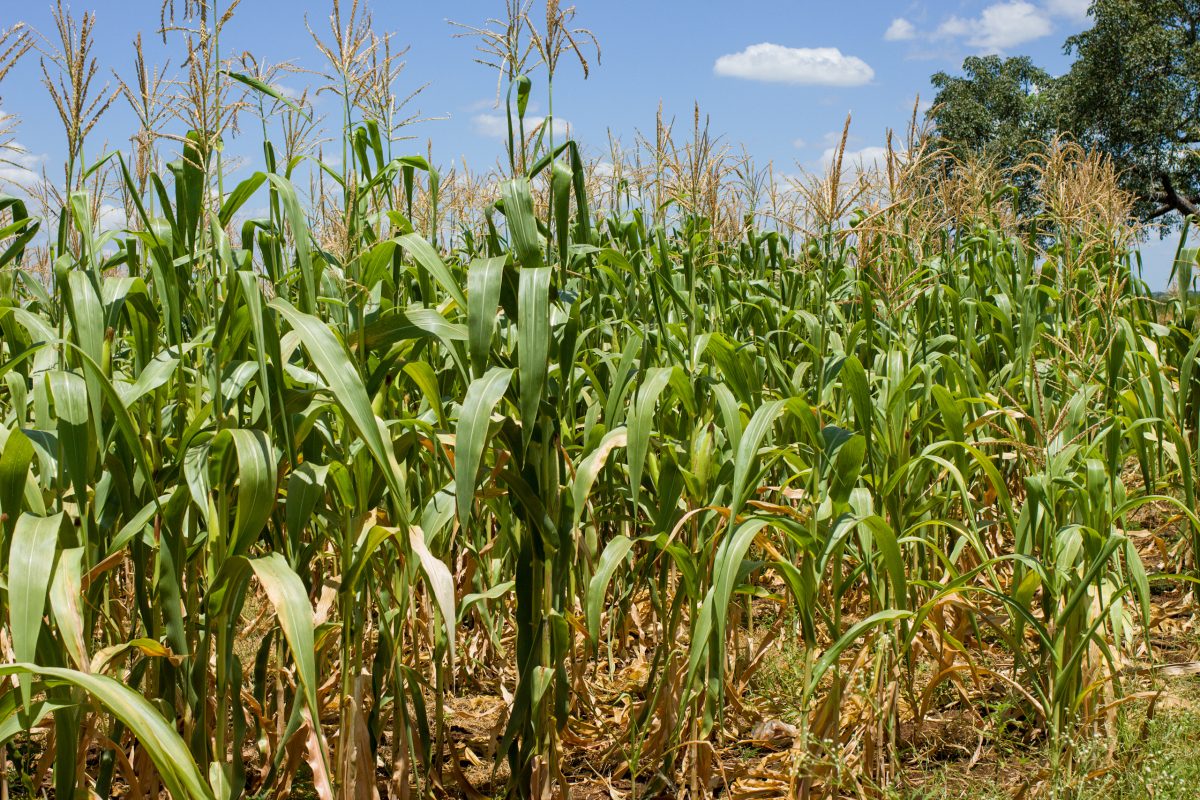
Despite previous setbacks, including the loss of 47 cows to a rare disease, Dlamini’s herd has recovered through careful breeding, crossbreeding Nguni, Jersey and Brahman cattle to ensure a steady milk supply. Her poultry business has grown from one chicken to over 400 birds. Her growth is attributed to separating the chicks from hens from day-old and feeding them broiler starter feed for 4-6 weeks before allowing them outside to roam freely .
Dlamini encourages women and youth entering agriculture to use the land they have, diversify their farming and love what they do.
“Farming is not just planting and harvesting. It is planning, adapting and never giving up.”
Her story reflects the harsh reality facing farmers nationwide: unpredictable weather, crime and the constant need for innovation. For Olivia Eli Dlamini, however, determination and vision ensure that even in the toughest season, her farm and future remain alive and thriving.