
BY SIBUSISIWE NDZIMANDZE | JOURNALIST
SICUNUSA – Farmers with fallow land can turn underutilised portions of their farms into a sustainable, long-term source of income through black wattle farming, under the Kusile maSwati Project implemented by Montigny Investments.
The initiative encourages Emaswati landowners to view fallow land not as idle space, but as an economic asset that can be developed through responsible forestry. By promoting black wattle planting, the project supports local farmers, creates seasonal employment, and encourages long-term investment in forestry as part of rural livelihood development.
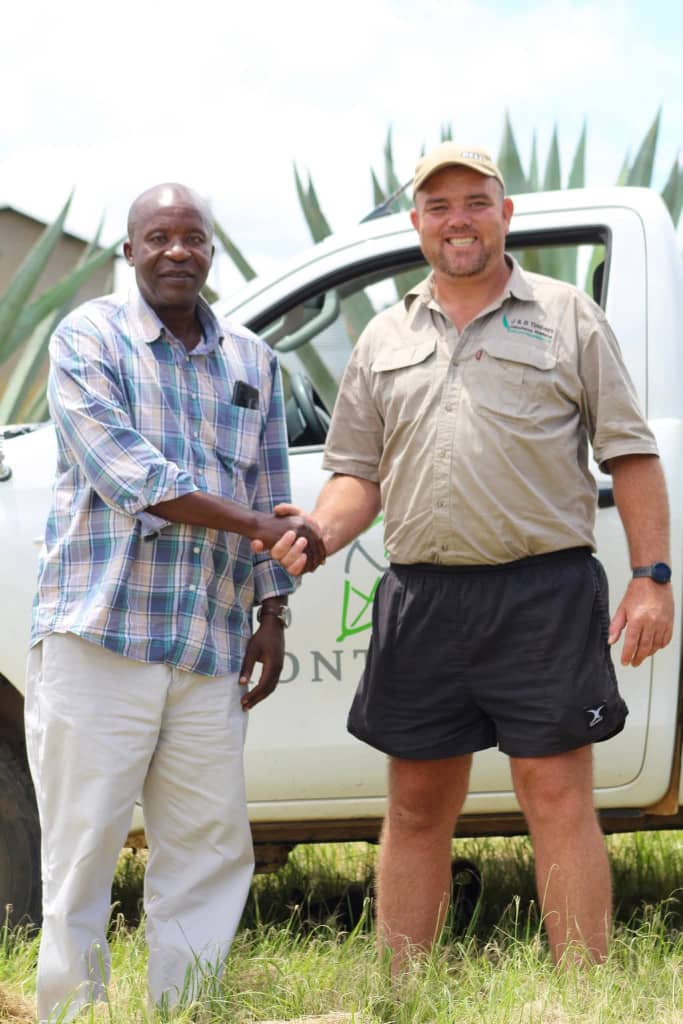
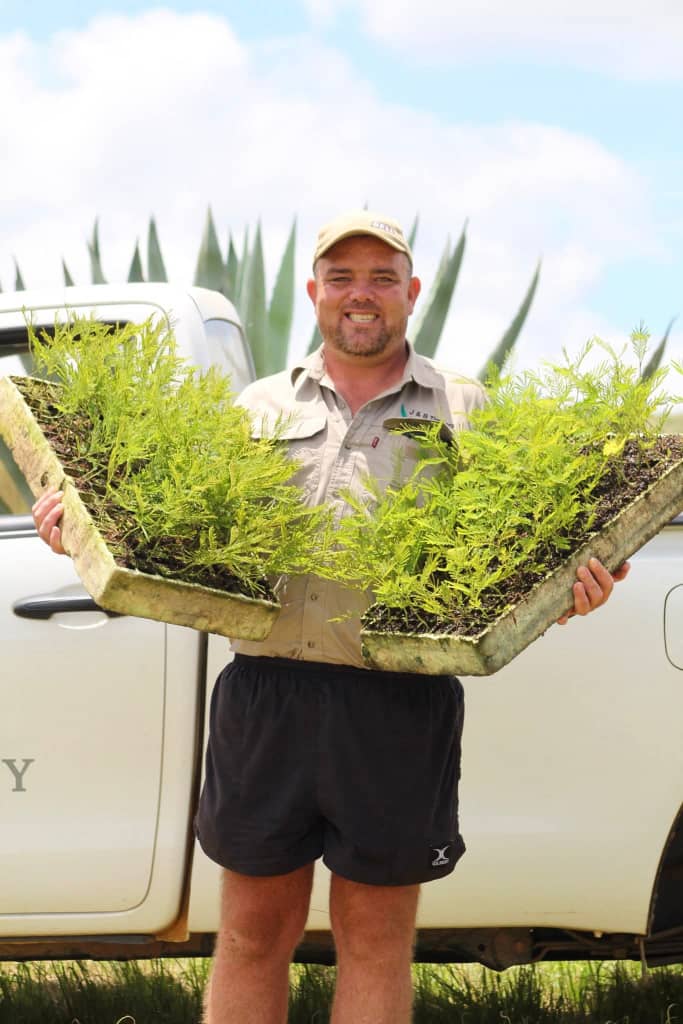
Several farmers in the Sicunusa area have already embraced the model, including Barend Steenkamp and Malinga Bheki, who are neighbours and beneficiaries of the project. The programme is open to any landowner with suitable fallow land and allows participants to start on a manageable scale before expanding over time.
The black wattle planting season runs from October to the end of March, giving farmers adequate time to prepare their land and plan their participation. The project further encourages farmers to prioritise food production first, before allocating portions of fallow land to tree planting, ensuring household food security is maintained alongside forestry development.
Jabulani Bafana (JB) Timber General Manager and project beneficiary Barend Steenkamp said the initiative is already producing positive economic and social outcomes.
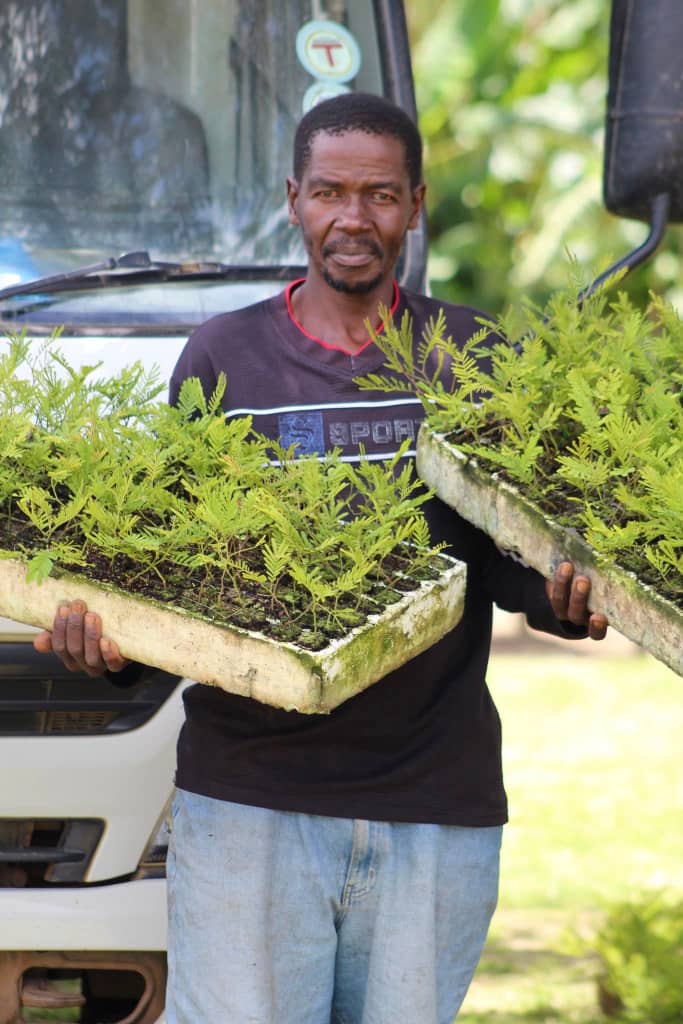
“We received 208 trays last year and they have already been planted. The 210 trays we have received today will add onto what is already in the ground, bringing the total to around 31 hectares,” Steenkamp said.
He added that the planting activities have created employment opportunities within the community.
“About 35 temporary workers have helped with the planting. This shows that this project is not just about planting trees; it’s about creating jobs, supporting families, and demonstrating that forestry can be a long-term source of income for our community,” he said.
Project Manager Victor Zwane emphasised that environmental safeguards are central to the Kusile maSwati Project.
“We encourage farmers to plant black wattle and ensure that plantations are at least 30 metres away from river lines so that water sources are not affected,” Zwane said. “These trees take about nine years to mature, which means farmers are investing in a long-term income stream rather than expecting quick returns.”
Beyond planting, beneficiaries also work together to protect their plantations and neighbouring Montigny forests, particularly during the fire season, underscoring the importance of collective responsibility in sustainable forestry management.
The most recent seedling handover was officiated by Madibha Dlamini, Head of the Kusile maSwati Project, together with Project Manager Victor Zwane. Montigny Investments has reiterated that the project remains open to any landowner with fallow land who is interested in converting part of their property into a productive and sustainable forestry venture.
Through the Kusile maSwati Project, Montigny Investments continues to demonstrate how fallow land can be transformed into long-term economic value, while safeguarding natural resources and strengthening rural livelihoods in Eswatini.