
BY PHESHEYA KUNENE - EDITOR
MANZINI - Tomato production sits at the centre of country’s fresh produce economy. It feeds households, supplies markets and anchors agro-processing value chains.
For farmers, it represents one of the clearest pathways to steady income, but only when approached with precision, discipline and informed decision-making. In tomato farming, success is not promised by scale or enthusiasm. It is earned through management.
Demand for tomatoes remains strong throughout the year. They are consumed daily in homes, restaurants and institutions, while processors rely on a stable supply for sauces, pastes and fresh packs. Agribusiness stakeholders estimate that Eswatini requires more than 1 500 tonnes of tomatoes every month to meet market needs. This demand creates opportunity, but it also exposes inefficiency. Farmers who fail to plan, time and manage correctly are quickly priced out of the market.
STARTING RIGHT: NURSERY DISCIPLINE
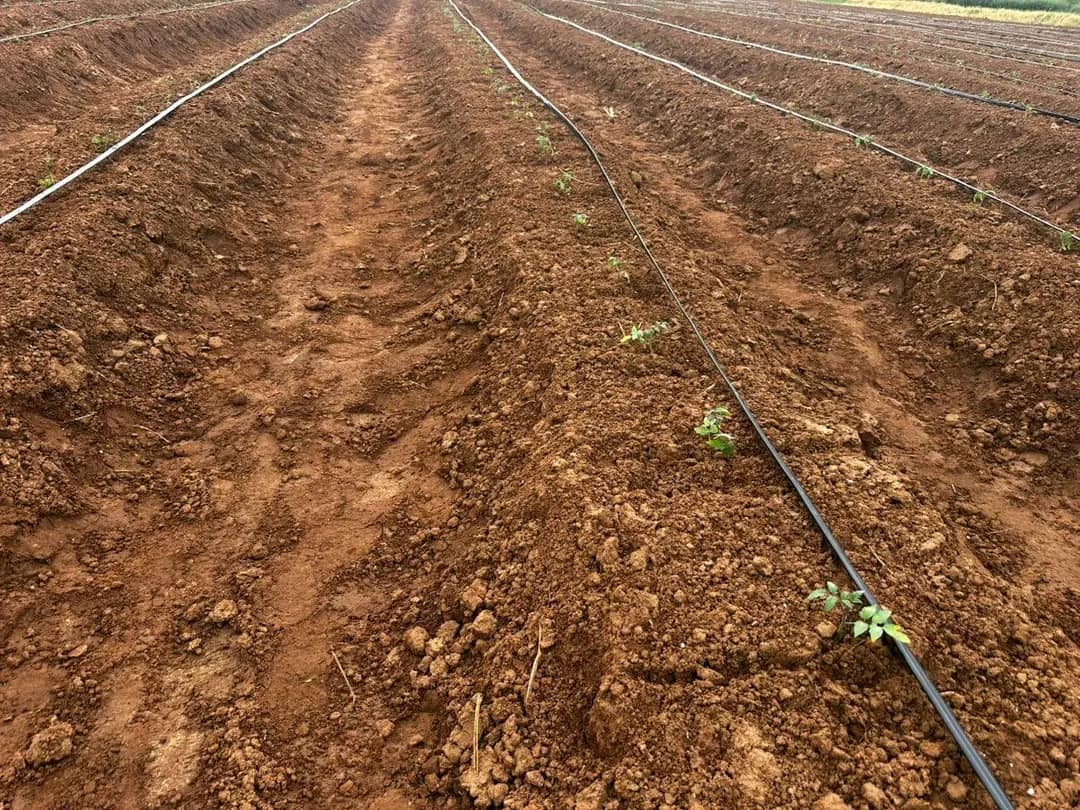
Profit begins in the nursery. Tomato seedlings must be raised in fertile, well-prepared beds with good drainage. Seed quality matters, but timing matters more. Seedlings should be transplanted at three to four weeks, once they are strong and well rooted. Delayed transplanting weakens plants and reduces yield potential.
Woman Farmer of the Year 2025, Boniswa Malaza, stresses production continuity as a business principle. “Determinate tomato varieties have a short harvesting window of about four to five weeks. To maintain supply, farmers must establish a new nursery immediately after transplanting the previous crop,” she said. Staggered nurseries prevent market gaps and stabilise income.
TRANSPLANTING WITH PURPOSE
Transplanting is a high-risk stage. Seedlings must be hardened, healthy and planted at correct spacing to allow airflow and ease of management. Crowded fields encourage disease and limit fruit development.
Fertiliser application begins early. A balanced NPK fertiliser is typically applied five to seven days after transplanting, then repeated every two to three weeks. At flowering, Calcium Ammonium Nitrate is introduced to strengthen stems and support flower formation. Many experienced farmers also apply calcibor, magnesium supplements and potassium sources to improve fruit size and firmness.
STAKING AND PRUNING: NON-NEGOTIABLE PRACTICES
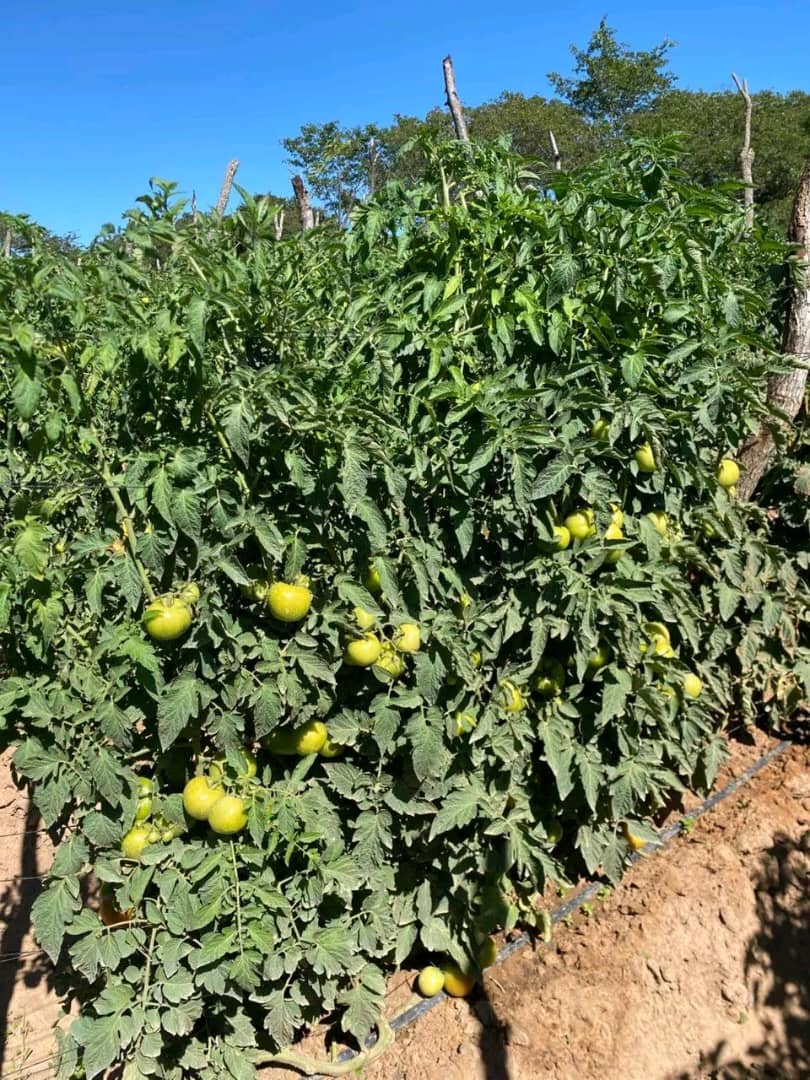
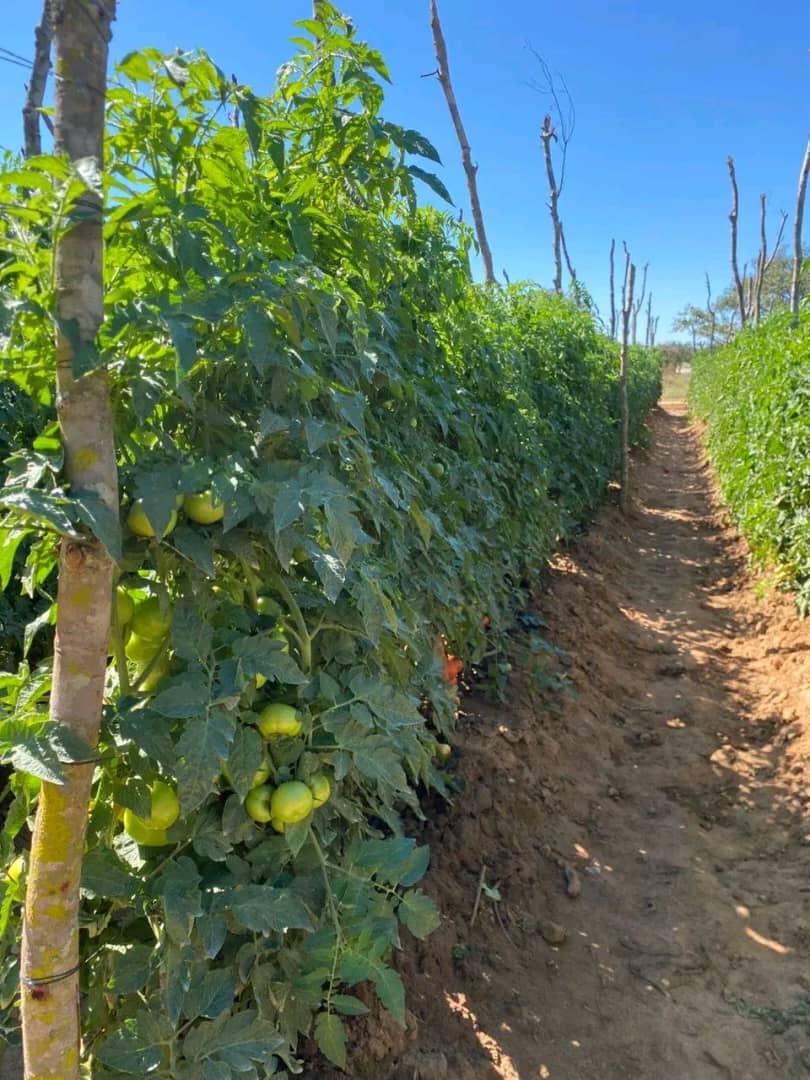
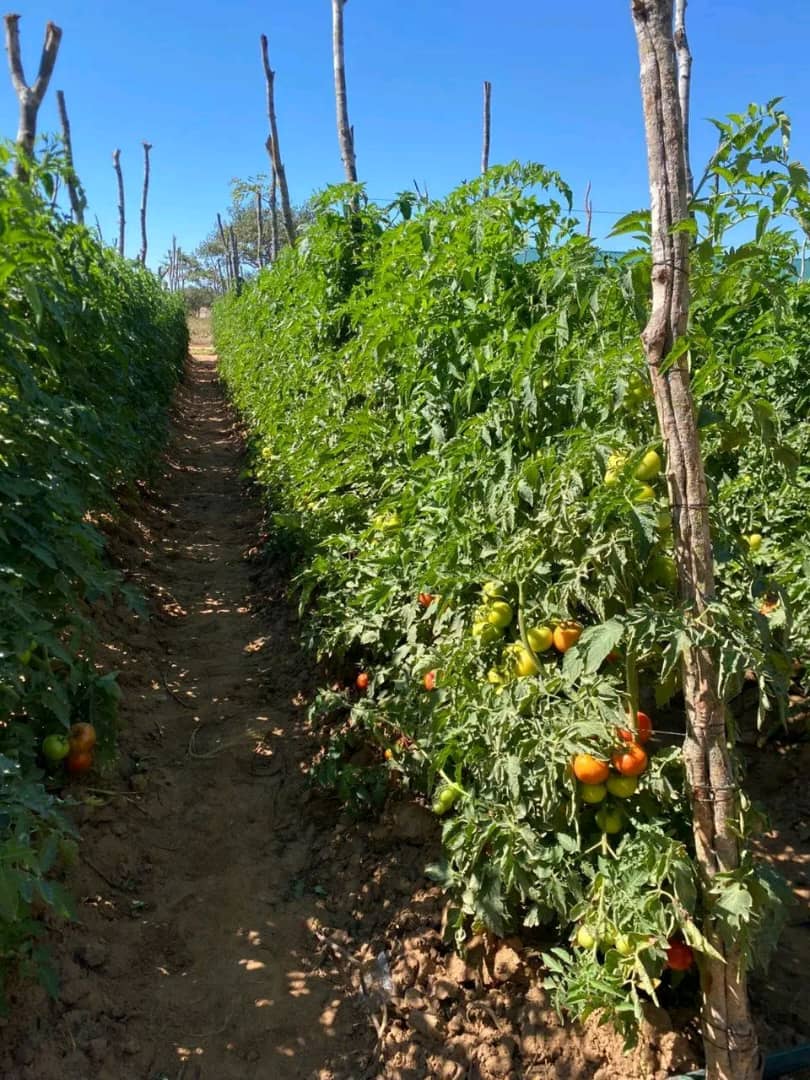
Staking and pruning separate subsistence growers from commercial producers. Staking keeps plants upright, protects fruits from soil contact and improves spray coverage. It also reduces losses during storms, which have become more frequent.
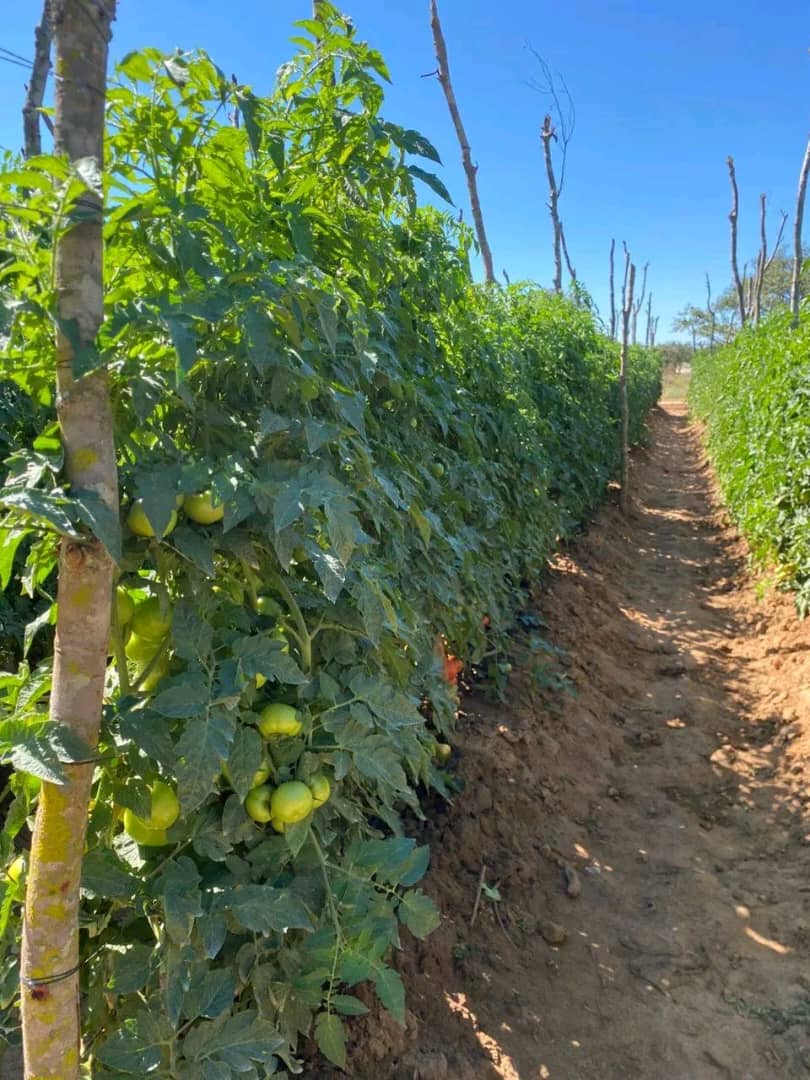
Pruning redirects the plant’s energy. Removing suckers improves airflow, reduces disease pressure and promotes larger, uniform fruits. The result is higher quality produce and easier field management.
FIELD HYGIENE AND WATER MANAGEMENT
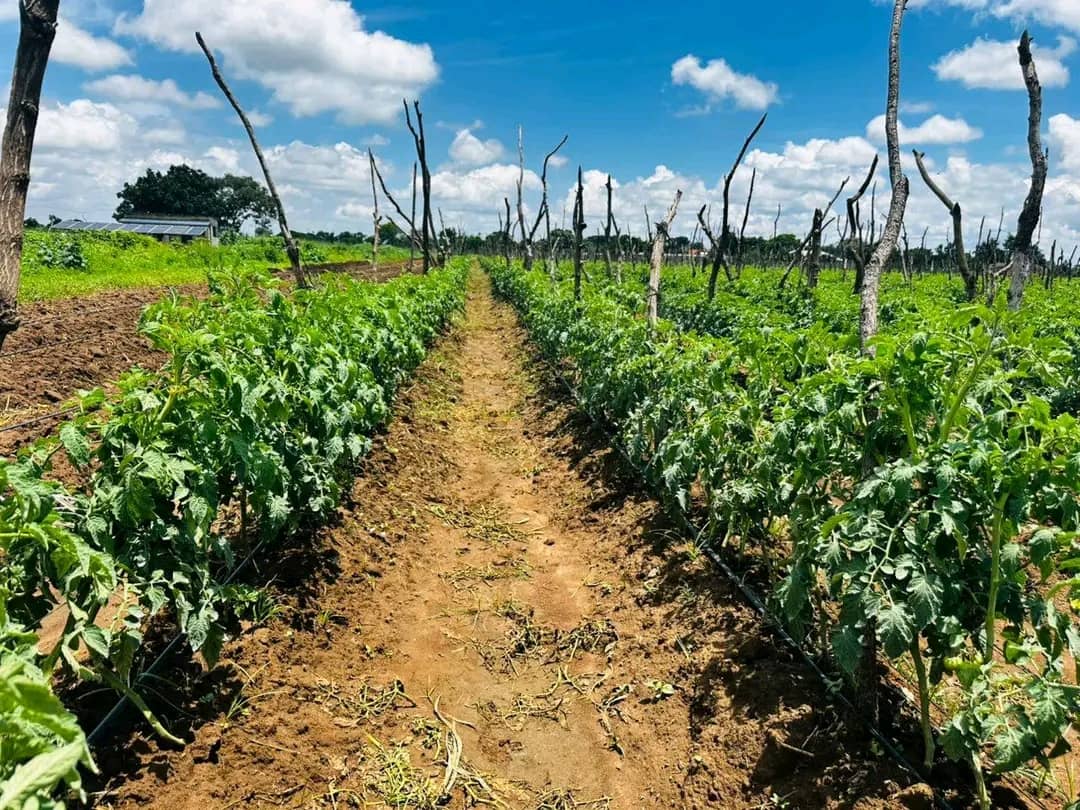
Weeds compete aggressively for nutrients and water. Regular weeding ensures fertilisers benefit the crop, not the competition. Clean fields also reduce pest pressure and improve disease control.
Water must be consistent. Tomatoes are sensitive to irregular moisture, particularly during flowering and fruit development. Poor water management often leads to blossom-end rot, a disorder linked to calcium deficiency and uneven uptake.
DISEASE MANAGEMENT IS RISK MANAGEMENT
Tomato farming carries serious disease risks. Bacterial wilt, bacterial spot and bacterial speck can destroy fields rapidly. Fungal diseases such as early blight, late blight, fusarium wilt and powdery mildew are common, especially in wet conditions. Viral diseases, including Tomato Yellow Leaf Curl Virus, reduce fruit set and quality.
Effective control depends on prevention. Resistant varieties, crop rotation and timely spraying are essential. Farmers routinely use copper-based fungicides, sulphur products and systemic fungicides during the rainy season. Waiting for visible damage is often too late.
VARIETIES AND MARKET REALITY
Variety choice is a commercial decision. Hybrid varieties such as Star 9037 perform well under good management, but no variety compensates for poor practices. Farmers must match varieties to climate, disease pressure and market demand.
NamBoard and market agents consistently emphasise quality, uniformity and timing. Farmers who understand grading, post-harvest handling and market cycles secure better prices and long-term buyers.
VALUE ADDITION AND THE FUTURE
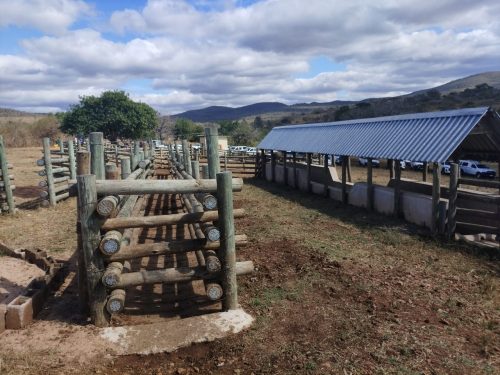
Beyond fresh markets, tomato processing offers growing opportunity. Initiatives such as those led by the Woman Farmer Foundation at Sidvokodvo Riders Ranch demonstrate how tomato paste and sauce production can increase profitability while reducing losses. Climate-smart agriculture and protected cultivation are strengthening local value chains.
Carlos Paiva, co-founder of the foundation, has noted that Eswatini needs sustained, large-scale tomato production to meet demand and stimulate economic growth. Increased output supports food security, job creation and import substitution.
THE BOTTOM LINE
Tomato production rewards preparation, not chance. Every stage, from nursery planning to staking, pruning and disease control, determines the final outcome. Farmers who treat tomatoes as a business, not a gamble, consistently outperform the rest.
In tomato farming, the crop speaks clearly. Those who listen harvest profits.