
BY PHESHEYA KUNENE – EDITOR
MANZINI – Once dismissed as a subsistence pursuit practised on the margins of agriculture, goat farming in Eswatini is serenely undergoing a rebrand. It is becoming leaner, smarter and increasingly commercial, driven by climate pressure, rising red-meat demand and a new generation of farmers who view livestock not as tradition, but as enterprise.
Across the country, goats are proving to be one of the most reliable livestock investments available to smallholders and emerging commercial farmers. They are resilient where crops fail, productive where grazing is limited and profitable where management is deliberate. In a climate-stressed agricultural economy, that combination matters.
At the centre of this shift are farmers who have moved beyond casual herding to intentional production.
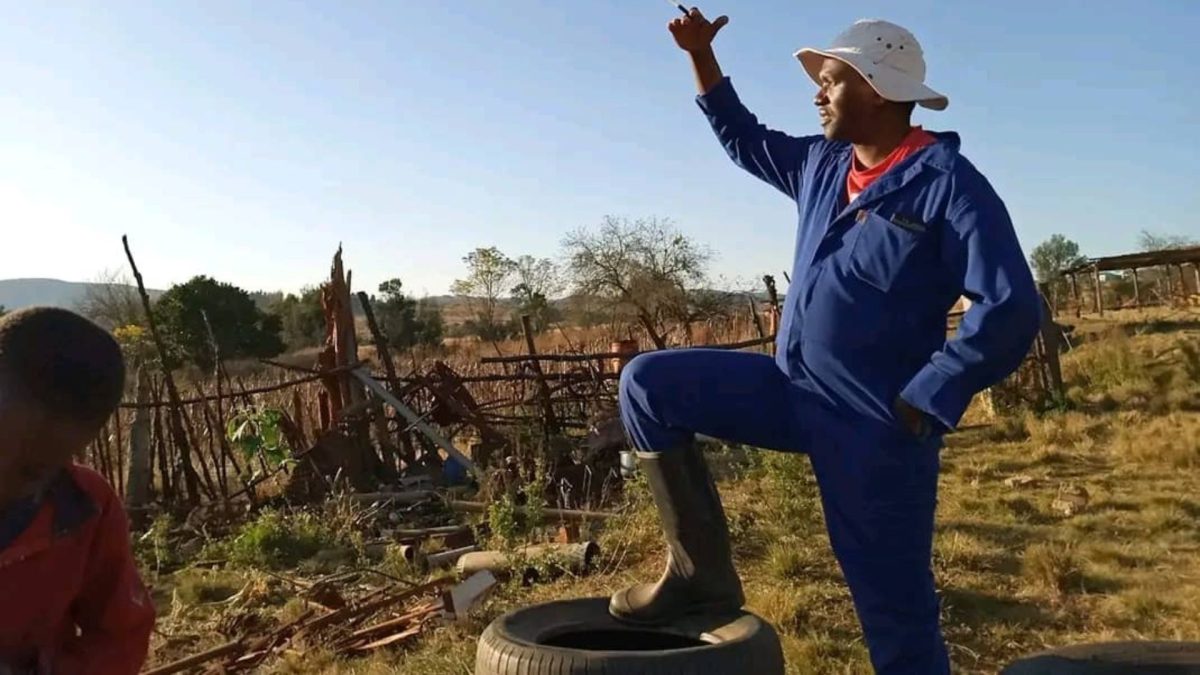
Thabiso Dlamini of SOBO Farm is one such example. A long-time goat farmer, Dlamini has built his enterprise on discipline rather than numbers. “Goat farming only looks simple from the outside,” he said. “In reality, it demands planning, records and consistency. Once you treat it as a business, goats reward you faster than most livestock.”
Dlamini argues that the greatest loss in the sector is not disease or drought, but poor management. “People lose money because they don’t control breeding, feeding and health. Goats multiply quickly, but if you don’t guide that process, you lose value,” he explained.
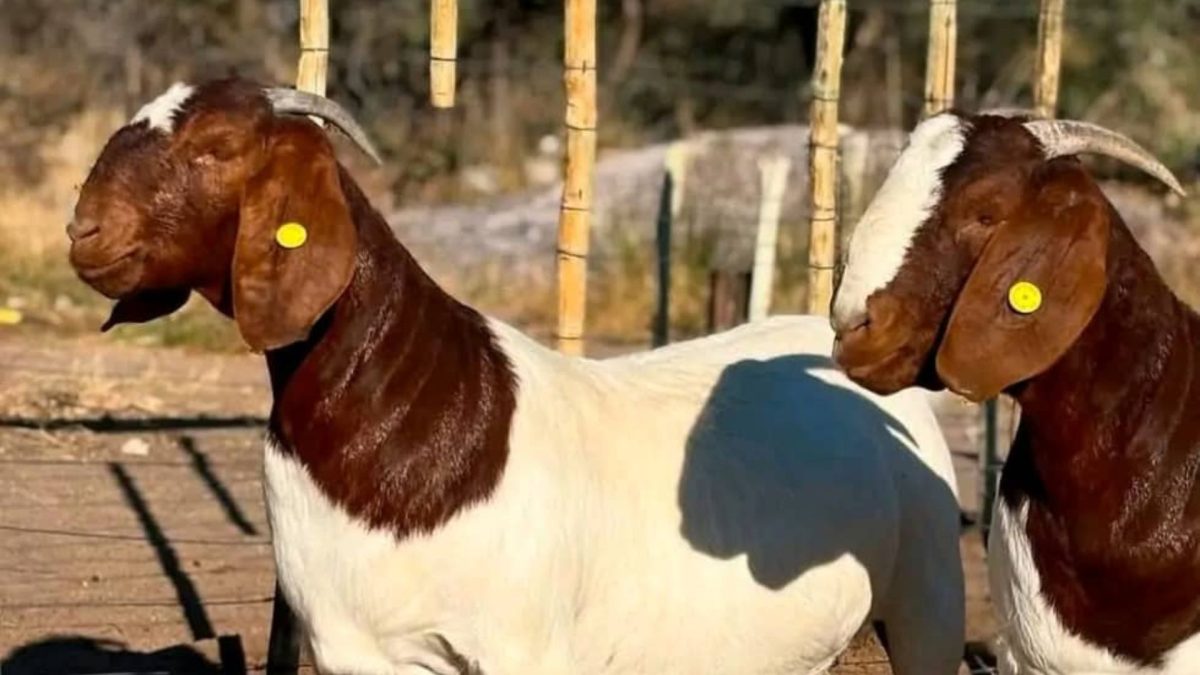
The breed increasingly defining serious meat production is the Boer goat, now widely adopted by farmers seeking efficiency and quality. Originating from South Africa, Boer goats are globally recognised for rapid growth, excellent carcass yield and adaptability to harsh environments. Their strong frames, high fertility rates and superior meat quality make them particularly suitable for Eswatini’s production systems.

At Magubheleni, investor Rodney Dlamini turned to goat farming after weighing the risks of conventional livestock. “Cattle are expensive to maintain and slow to return value,” he said.
“Goats mature faster, require less feed and sell easily. From an investment point of view, they make sense.”
Rodney notes that market demand is not seasonal, but constant. “There is always a buyer, whether for ceremonies, festive seasons or resale. If your breeding calendar is planned, income becomes predictable,” he said.
Regionally, goat farming has long been formalised. In South Africa, Namibia and Botswana, goats are bred under structured programmes, sold through regulated markets and processed for both domestic consumption and export. These countries have demonstrated that goats can anchor rural economies when supported by extension services, breeding standards and market access.
Eswatini, agricultural experts say, has similar ecological conditions and cultural demand. What is required now is scale, structure and farmer education.
Institutions such as the Ministry of Agriculture, livestock development units and extension officers continue to promote goats as a climate-smart livestock option. Compared to cattle, goats require lower start-up capital, tolerate heat and drought better, and fit well into mixed farming systems.
Setting up a successful goat farm begins with clarity of purpose. Farmers must decide whether they are producing meat, breeding stock or operating mixed systems, and then align land size, housing and capital accordingly. Selecting quality breeding stock from reputable sources is non-negotiable, particularly for improved breeds like Boer goats.
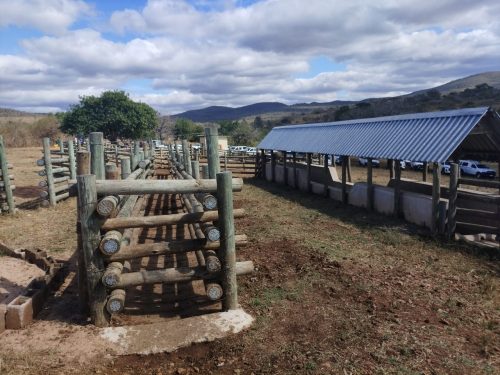
Housing, often underestimated, plays a decisive role. Dry, raised shelters with proper ventilation reduce disease and improve weight gain. Feeding systems that combine browsing with supplementary feeding ensure steady growth, while consistent access to clean water remains essential.
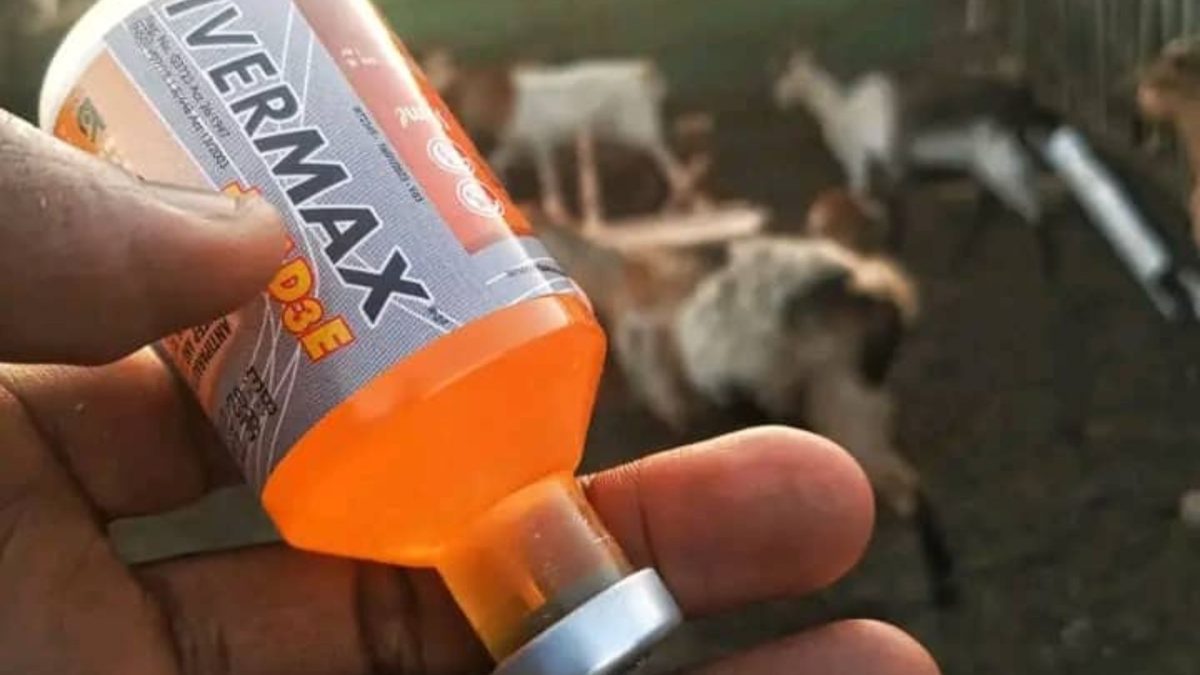
Health management separates profitable farmers from struggling ones. Regular deworming, vaccination, hoof trimming and hygiene practices directly influence survival and growth rates. Record-keeping, from births to sales, allows farmers to make informed decisions rather than guesswork.
Beyond the farm gate, goat farming is reshaping rural livelihoods. It offers entry points for youth, manageable enterprises for women and scalable income streams for households navigating economic uncertainty. In an era where resilience outweighs size, goats fit neatly into Eswatini’s agricultural future.
As Thabiso Dlamini puts it, “Goats don’t need sympathy. They need structure. Give them that, and they will finance your farm.”
In a country searching for practical, climate-resilient and profitable agricultural pathways, goat farming is no longer a fallback option. It is fast becoming a strategic livestock business, and one Eswatini would be wise to invest in deliberately.