


BY PHESHEYA KUNENE - EDITOR
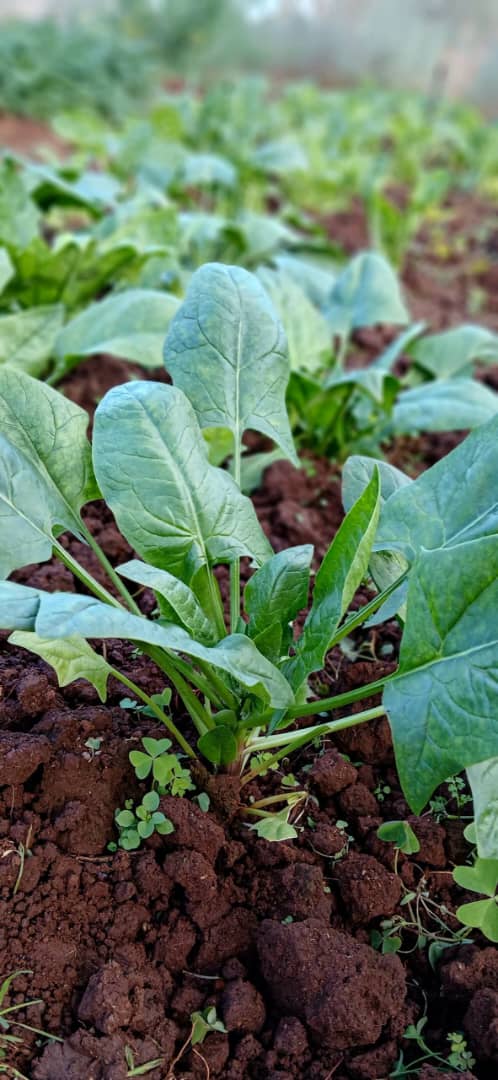
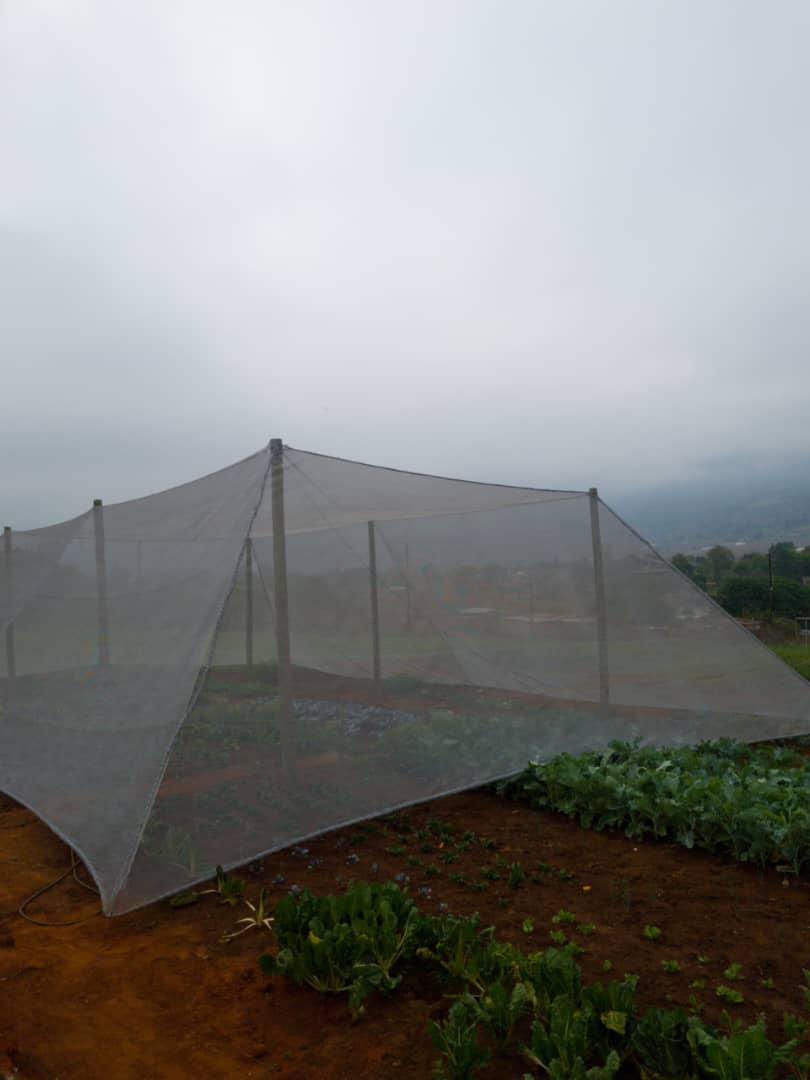
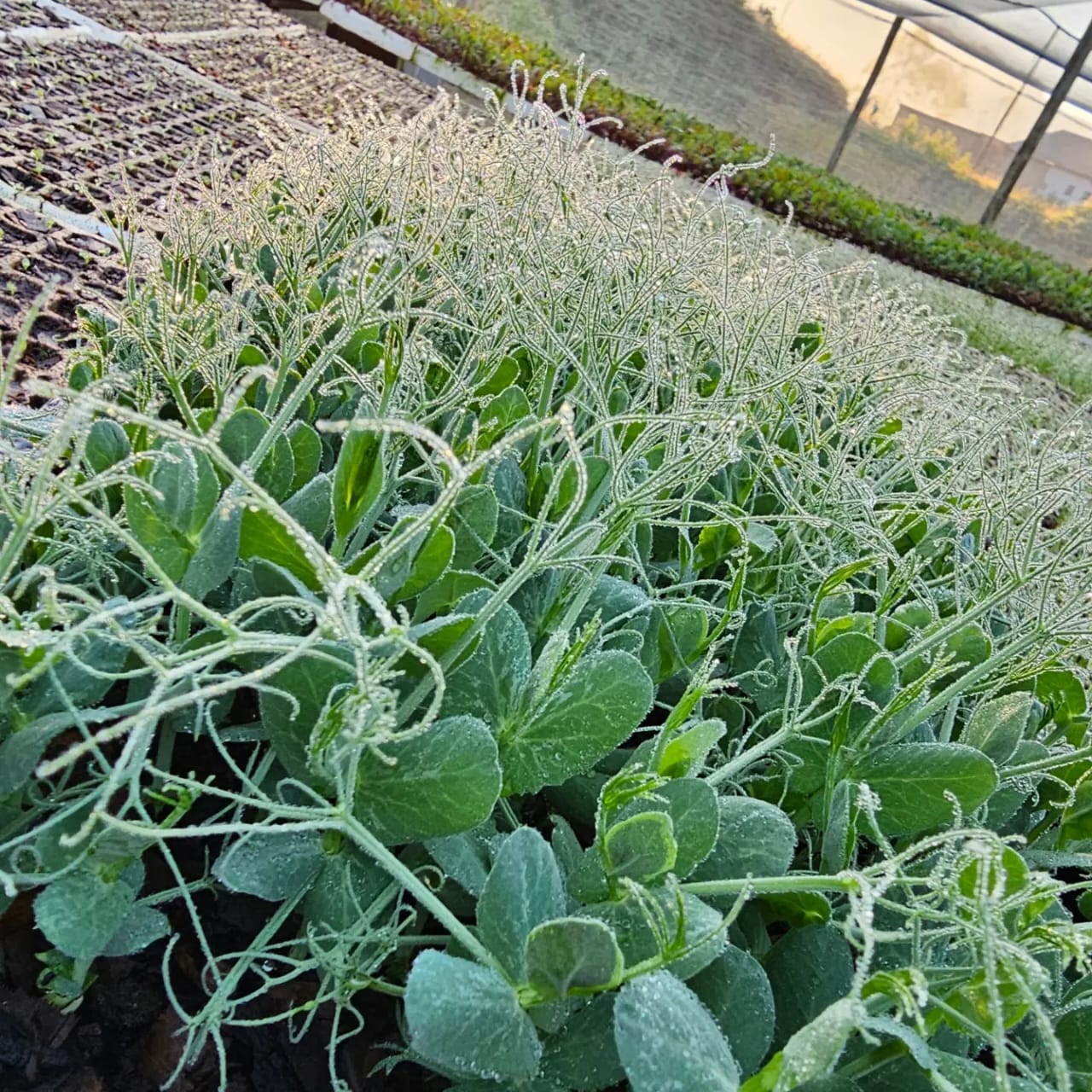
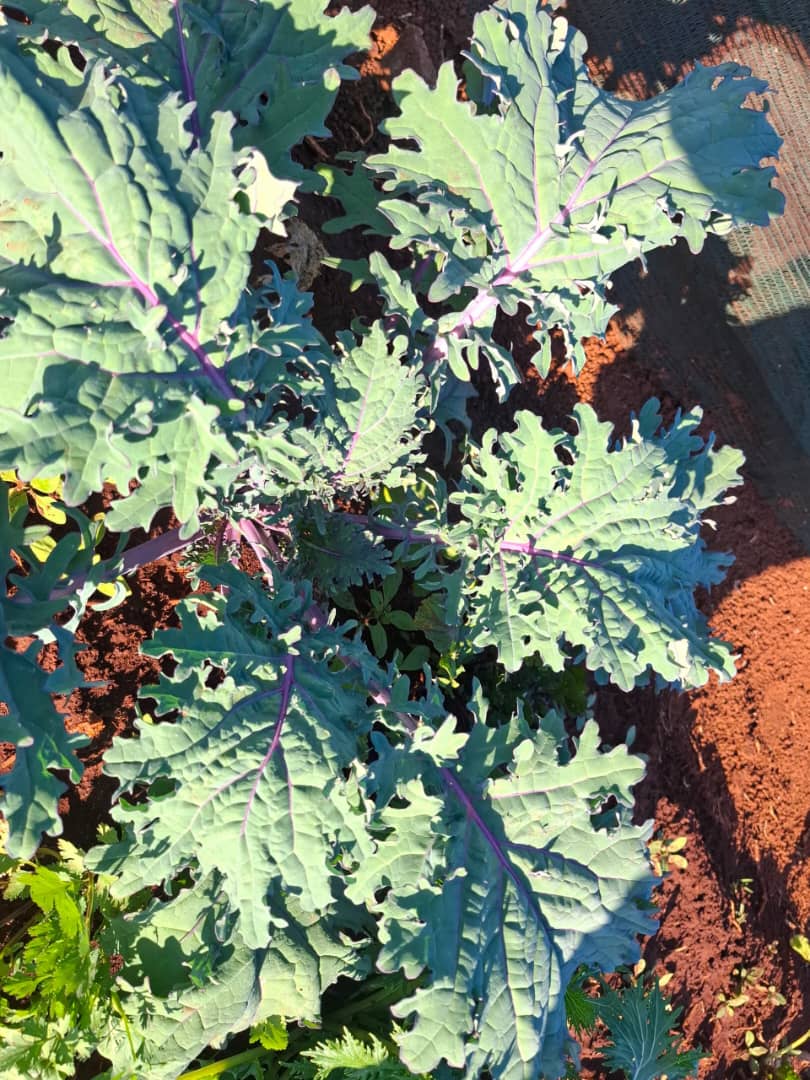
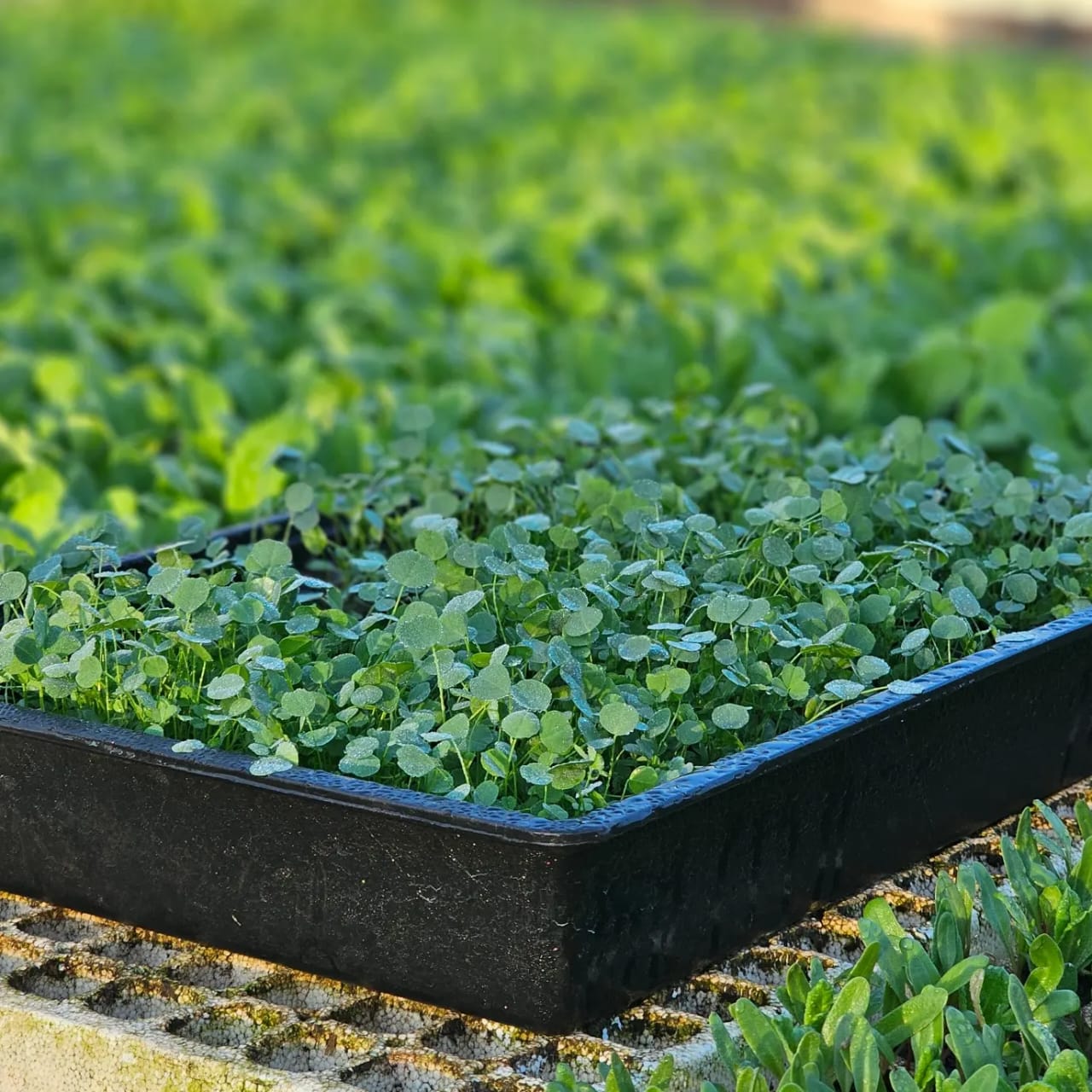
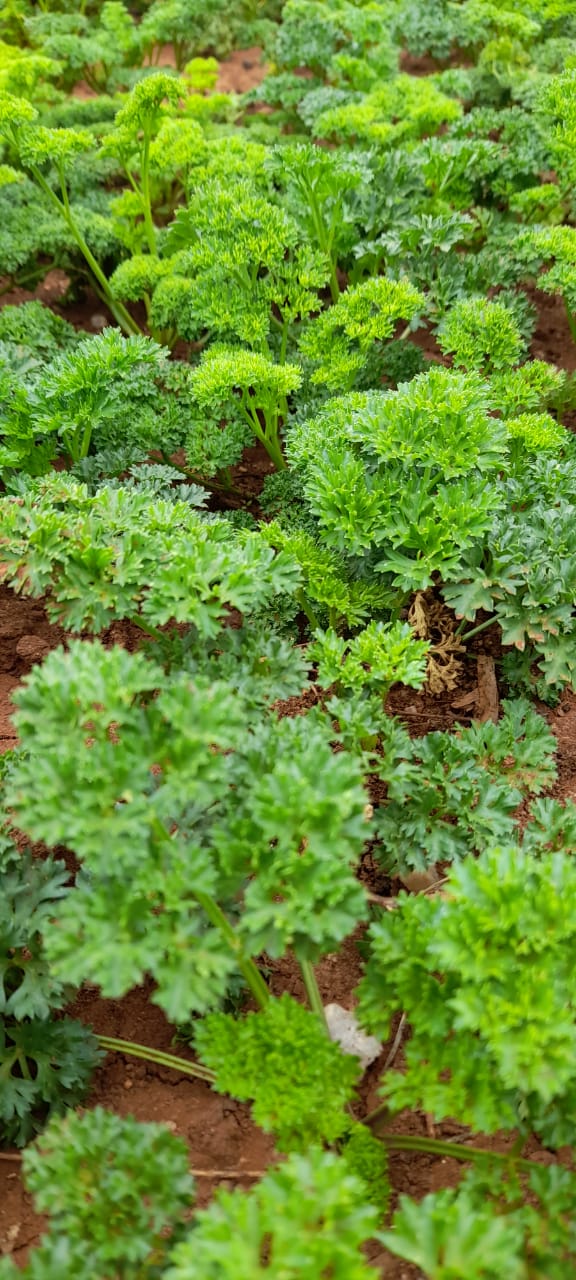
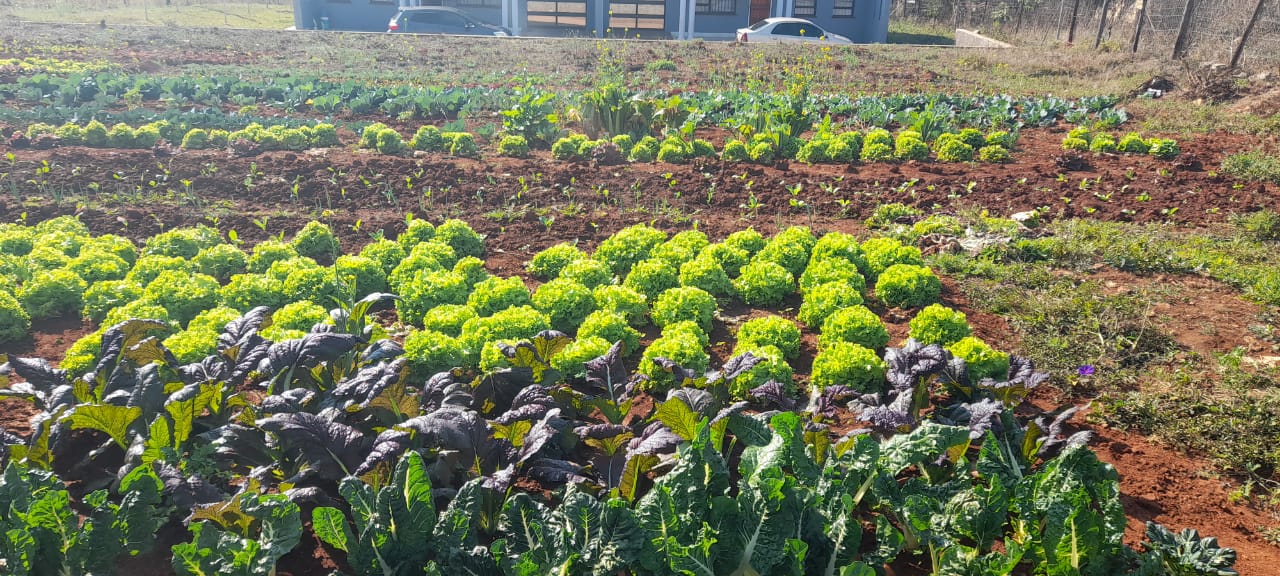
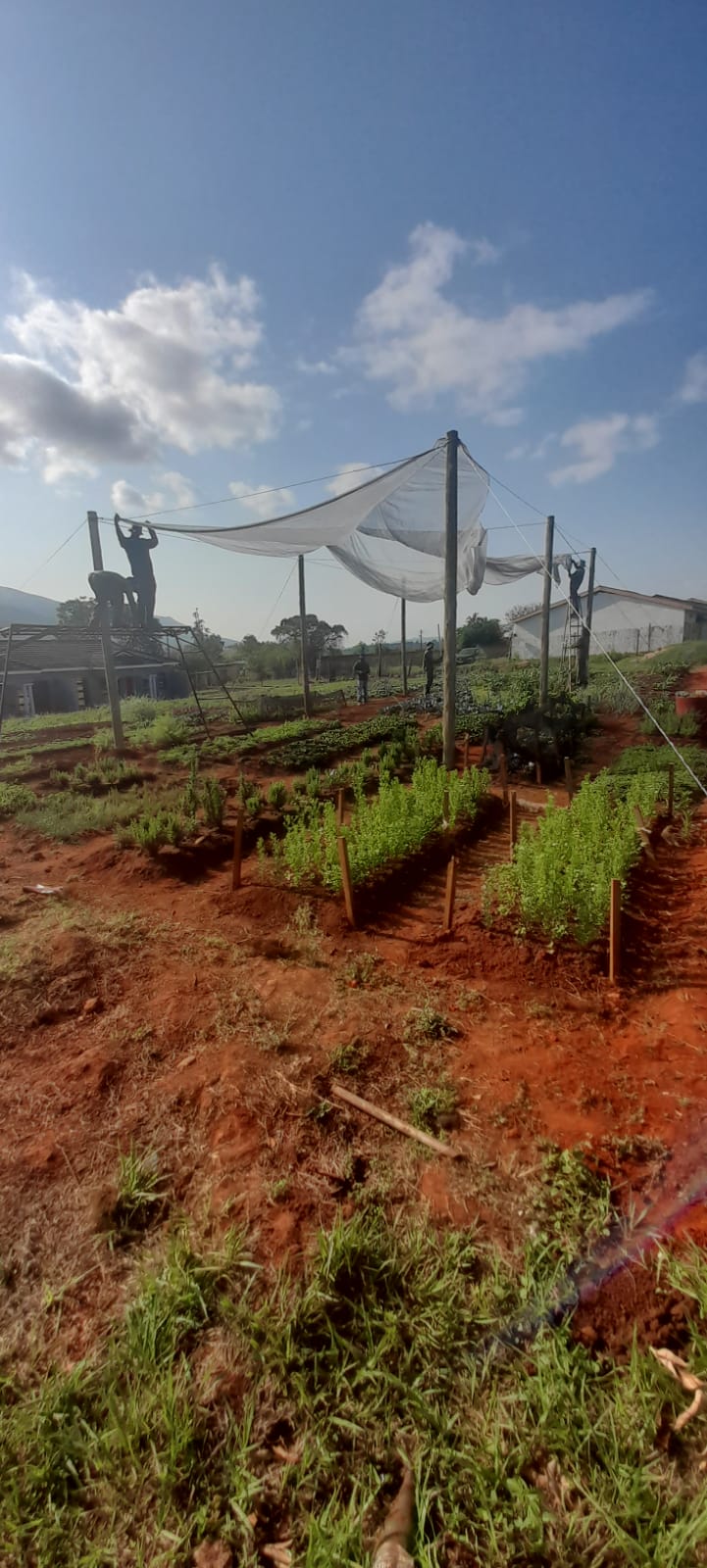
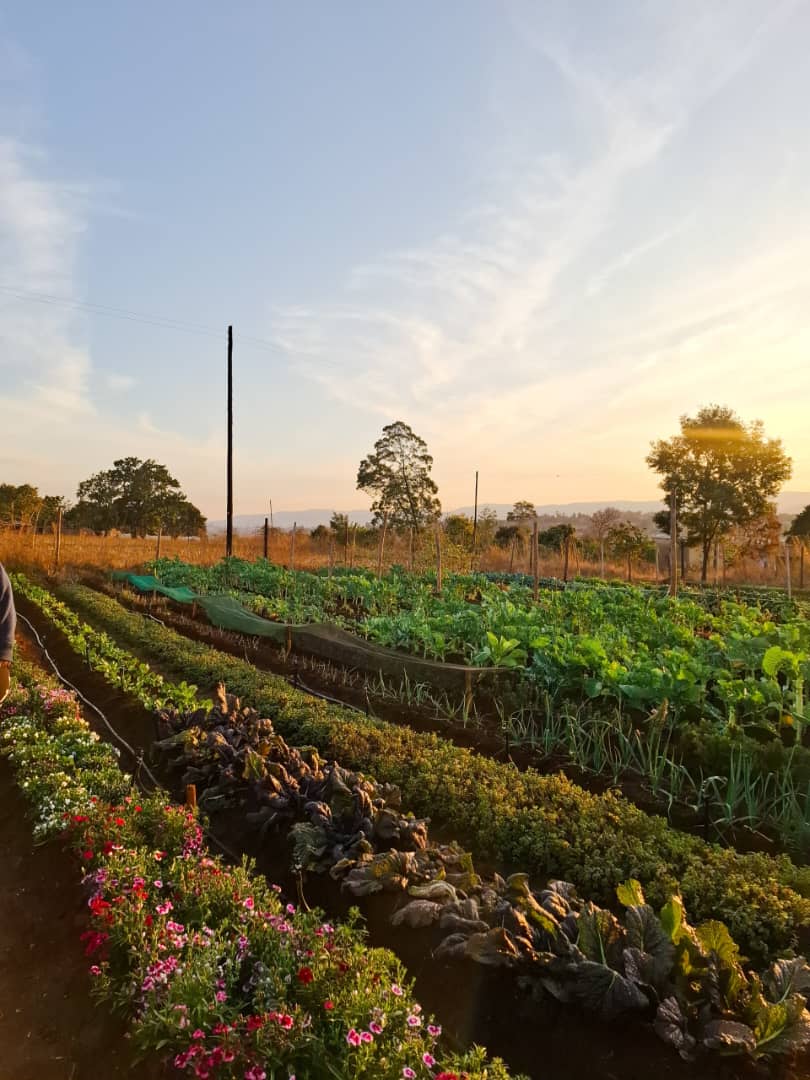
MAHLANYA - At dawn in Mahlanya, the land announces itself through order and intent, rows of parsley standing to attention, coriander releasing its sharp, green perfume, and mint stretching beneath climate-smart tunnels that speak of planning rather than chance.
This is Fresh Leaf Farm, a commercial herb enterprise where agriculture is practiced with discipline, data and a clear understanding that food, when grown well, is both nourishment and business.
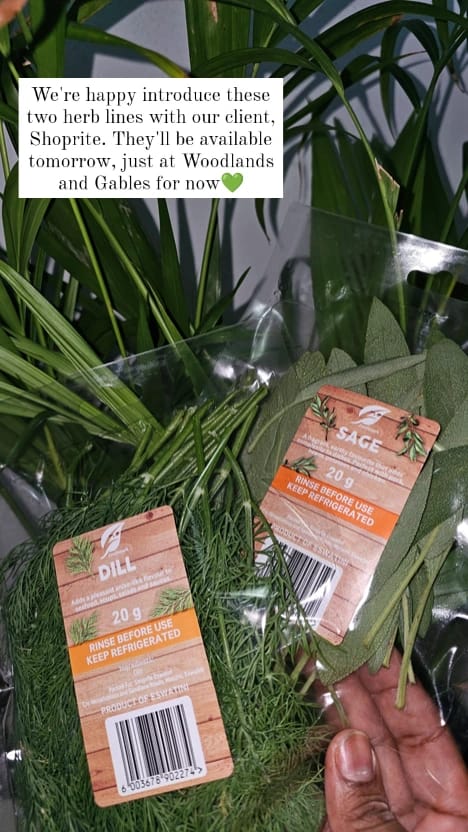
For Nokwanda Nxumalo, farming was never an act of convenience. It emerged from necessity, vision and a refusal to accept stagnation as destiny. In 2019, at a moment of unemployment that could have easily narrowed her choices, she chose instead to expand them. What began as a modest herb garden at home has since evolved into one of Eswatini’s most recognisable youth-led agribusinesses, supplying premium fresh herbs to major retailers, hotels and restaurants from Siteki to Mbabane.
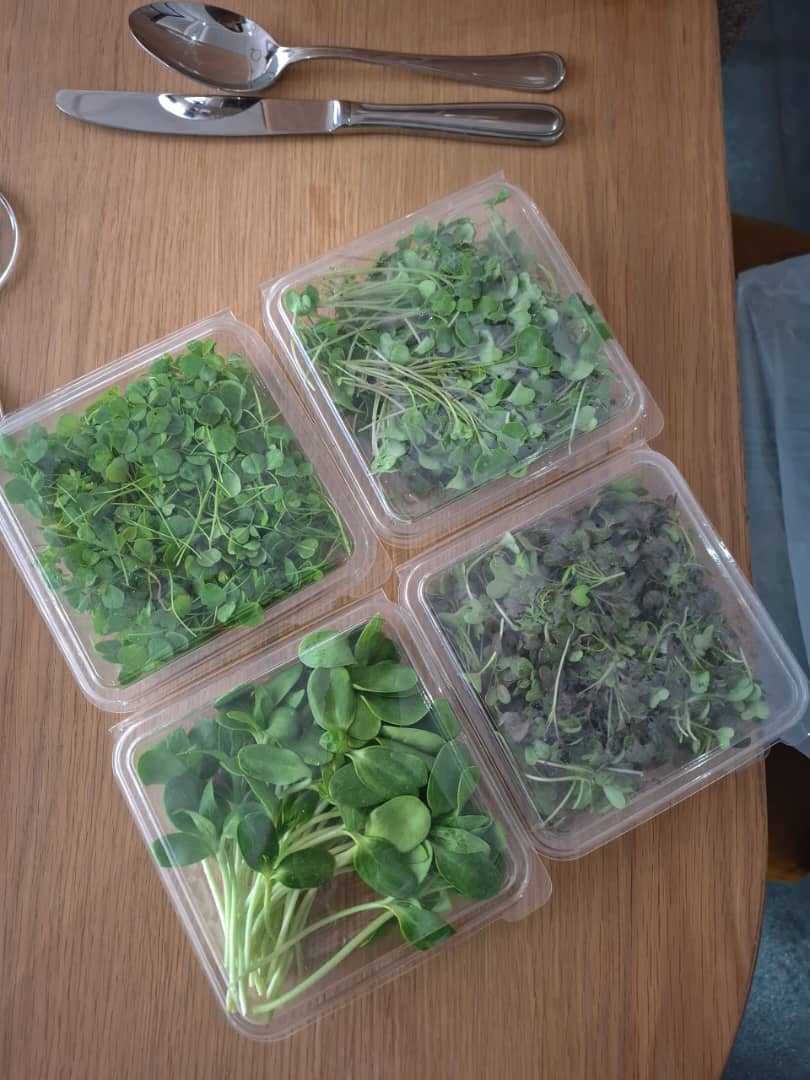
Fresh Leaf Farm specialises in high-demand culinary herbs, including parsley, coriander and mint, crops selected not by instinct alone but by market intelligence. Nxumalo and her team studied consumption patterns, spoke directly to buyers, measured production costs from seed to shelf and identified gaps where demand consistently outpaced supply. Every decision, from crop selection to harvest timing, is grounded in data.
“We are farmers, but we are also analysts,” Nxumalo says. “Every sprig must make sense financially if the business is to survive.”
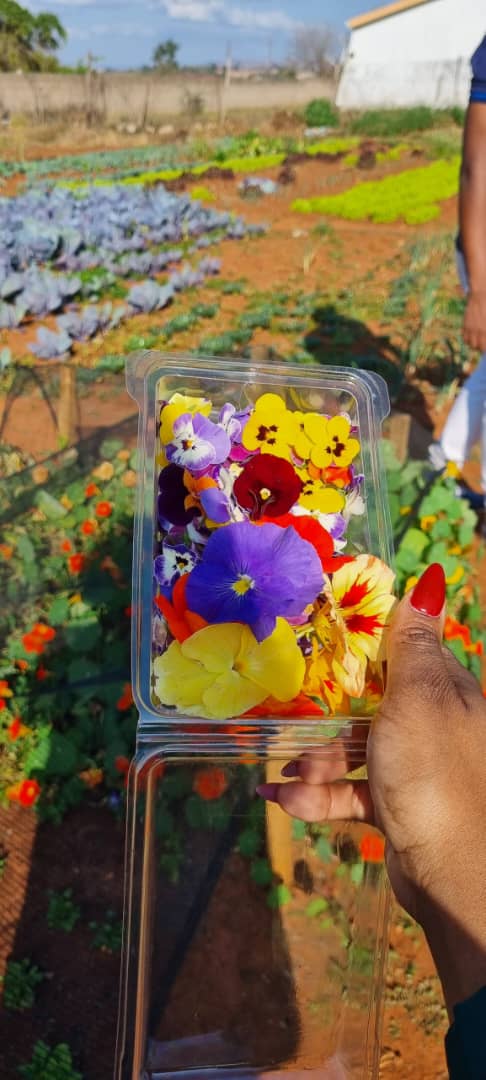
This precision has become Fresh Leaf’s signature. The farm’s herbs are known not only for freshness but for uniformity, shelf life and visual appeal, qualities that have made them a preferred choice for retailers, health-conscious consumers and the hospitality industry. Years of working with festivals and high-end events refined the farm’s ability to deliver garnishes that elevate presentation while retaining flavour integrity.
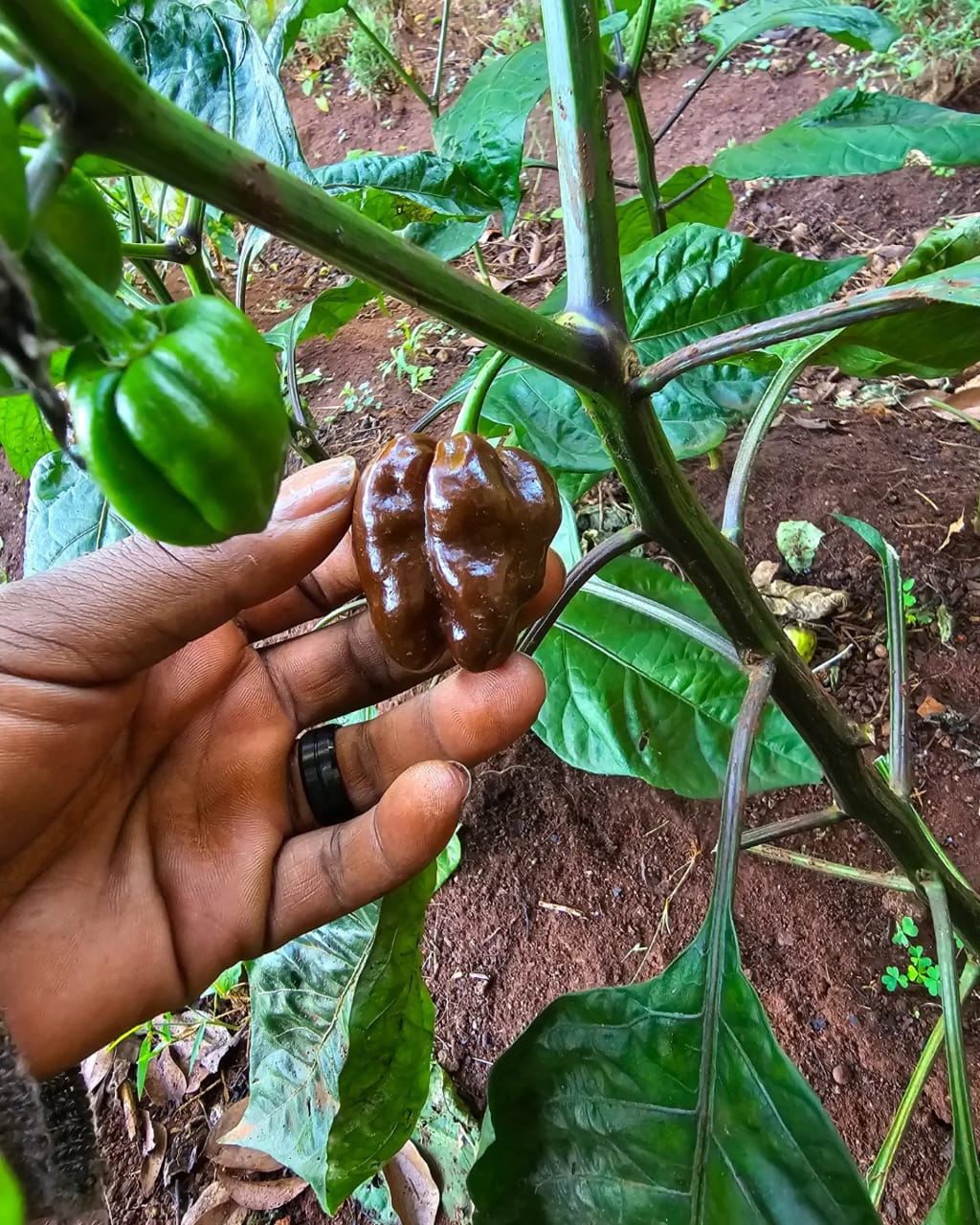
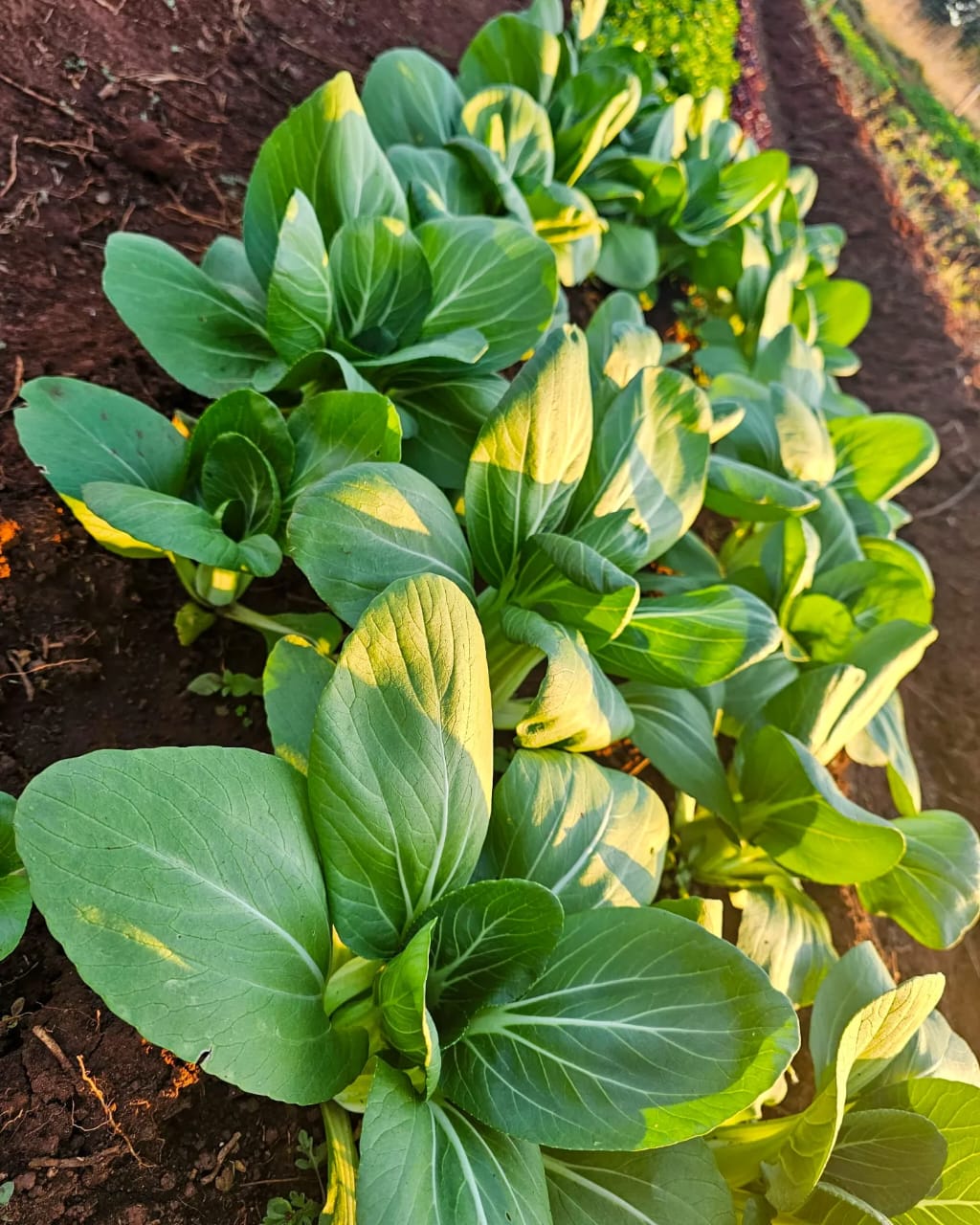
Yet Fresh Leaf’s growth has never been reckless. Nxumalo describes the business model as “smart growth”, building with available resources, testing markets carefully and reinvesting profits into infrastructure and innovation. The farm continues to explore the introduction of unique and exotic produce, responding to evolving consumer tastes while protecting its core revenue streams.
Nxumalo’s leadership extends beyond the fields of Mahlanya. Her work has carried her onto continental platforms shaping Africa’s agricultural future. She participated in the African Food Systems Forum in Senegal, where policymakers, agribusiness leaders and farmers examined climate-smart agriculture, inclusive growth and the urgent need to connect smallholder farmers to markets, finance and technology.
In Addis Ababa, at the African Union headquarters, Nxumalo contributed to discussions at the Africa Digital Agriculture Conference, where the focus turned sharply to data, digital tools and innovation as catalysts for productivity and resilience. The message was unmistakable: Africa’s agricultural transformation will succeed only if youth and women are empowered as leaders, not footnotes.
Those experiences affirmed what Nxumalo already practices daily at Fresh Leaf Farm, that modern agriculture is inseparable from innovation, technology and strategic thinking.
Her impact has not gone unnoticed. Nxumalo was crowned Youth Female Farmer of the Year at the Woman Farmer of the Competition, hosted by the Woman Farmer Foundation. The recognition came with a symbolic cheque of E52 605, but more importantly, it came with visibility, credibility and access to networks across the continent.
Winning the award, she says, was both affirmation and acceleration. It strengthened her business profile, opened doors to collaboration and reinforced her belief that young women belong not only in the fields, but in boardrooms, markets and policy conversations.
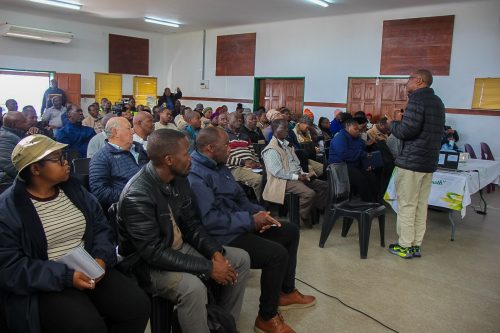
Recently, Nxumalo stood before graduating agripreneurs at a climate-smart tunnel programme and shared her journey, not as a polished success story, but as proof that agriculture rewards courage, consistency and belief. She spoke of starting with nothing more than samples and hope, of building relationships one client at a time, and of learning that farming is not simply production, but service to a nation.
“You are not just growing crops,” she told them. “You are feeding people, building an economy and shaping the future.”
Today, Fresh Leaf Farm stands as a working example of what youth-led agribusiness can achieve when supported by knowledge, discipline and opportunity. It creates jobs, strengthens local supply chains and demonstrates that agriculture, when treated as a serious business, can be both profitable and transformative.
In Mahlanya, the herbs continue to grow with quiet confidence. And in Nokwanda Nxumalo, Eswatini’s agricultural future has found not just a farmer, but a strategist, a leader and a builder of systems that endure.