
BY PHESHEYA KUNENE- EDITOR
SIDVOKODVO - For Eswatini’s youth, agriculture is no longer a fallback; it is a canvas for innovation, entrepreneurship, and national impact.
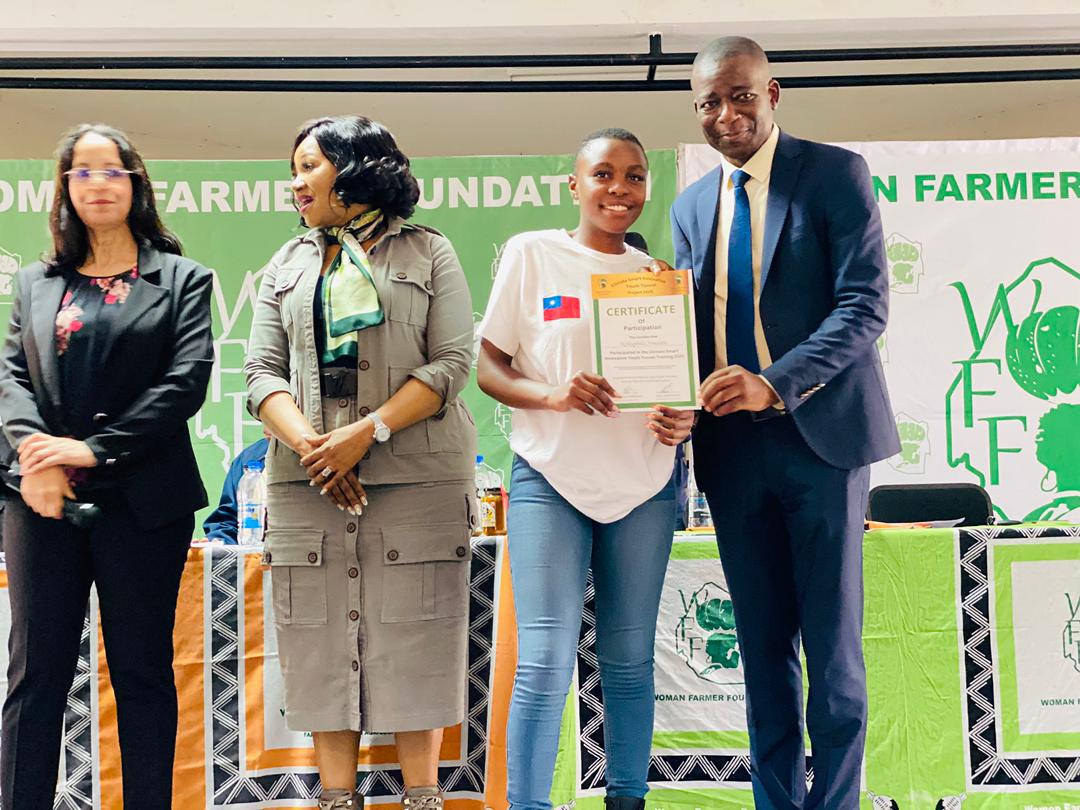
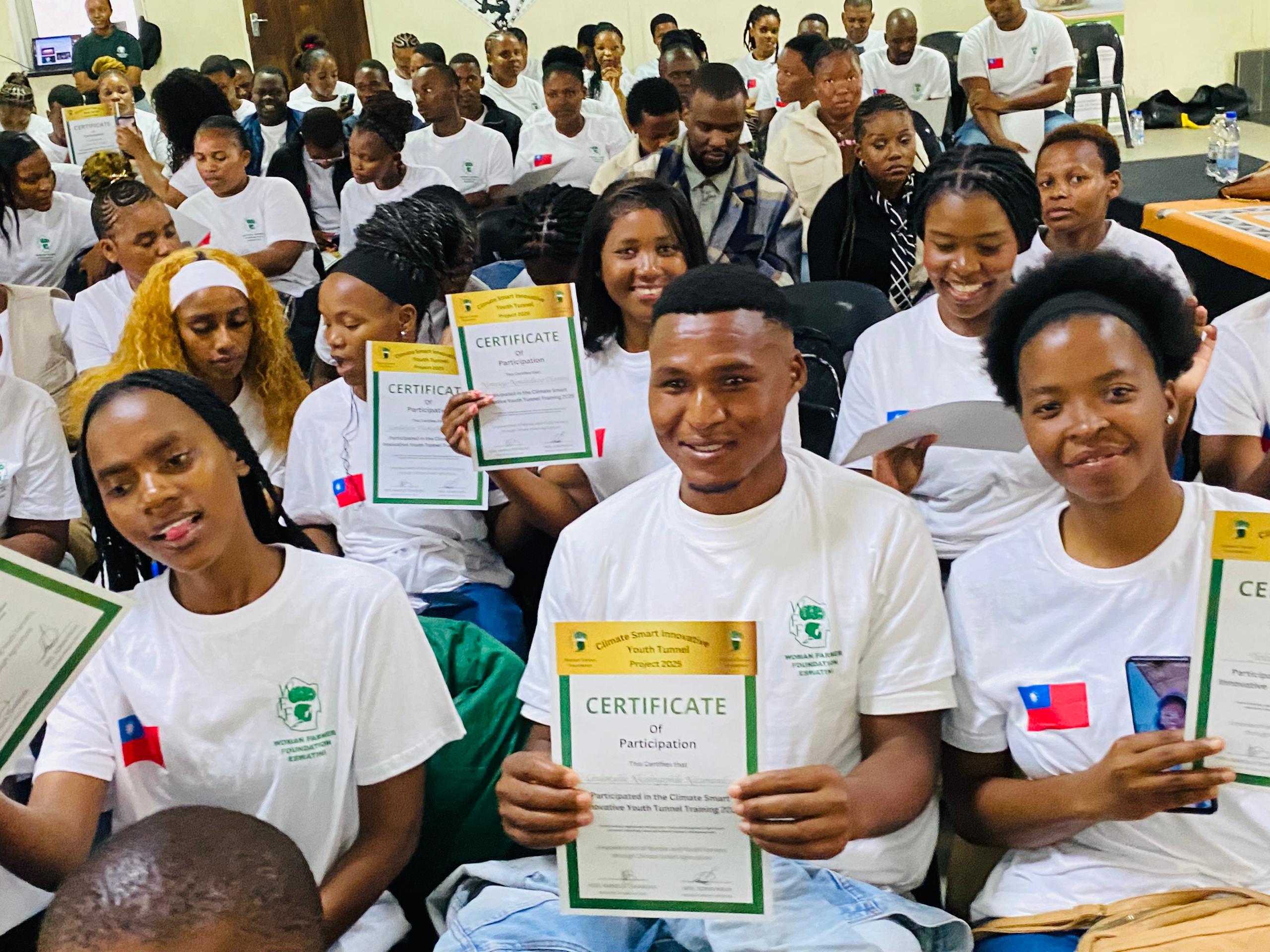
Graduates of the Innovative Climate Smart Tunnel Training Programme are turning this vision into reality, armed with modern agricultural skills, entrepreneurial acumen, and the confidence to transform challenges into opportunities.
For Nokwanda Masina-Nxumalo, Youth Woman Farmer 2024/25, her journey into agriculture was sparked by unemployment in 2019. Rather than accept the status quo, she saw a chance to create something meaningful.
“Agriculture is not just a business. It is a calling. It is a way of contributing to your country and touching lives through the food you produce,” she told her peers at the graduation ceremony. Masina-Nxumalo’s agribusiness, Fresh Leaf, now supplies retail shops, hotels, and restaurants across the kingdom, demonstrating the transformative potential of youth-led initiatives.
She highlighted that youth empowerment in agriculture is not just about farming techniques but about creating sustainable, high-value enterprises. Her experience at the African Agriculture Digitalization Conference reinforced a key truth: “Africa’s agricultural transformation depends on its youth but only if we capacitate, empower, and trust them. Digital tools, climate-smart practices, and innovative thinking are no longer optional; they are essential.”
Similarly, Noxolo Nkambule, who runs Zela Farms, shared how a career in agriculture emerged unexpectedly from her academic path in business management. Initially working in a retail store, she realized that her passion lay elsewhere.
“Agriculture was supposed to be a side hustle, but it became my real calling. Today, I make big decisions, create jobs, and see my enterprise growing beyond borders,” Nkambule said.
Her story highlights how structured training and mentorship can redirect youthful ambition into productive, nation-building ventures.
For Nokuphila Simelane, the programme offered a bridge between environmental stewardship and practical agriculture. Having returned from Johannesburg, she saw farming as a way to heal the land rather than exploit it.
“The training empowered me to integrate sustainable practices into my professional work. Climate-smart agriculture is not just about crops; it is about building resilience, protecting communities, and creating a future,” she said.
Collectively, the graduates reflect a broader shift in mindset among young Eswatini farmers. These programmes do more than teach tunnel farming or irrigation; they foster problem-solving, resilience, and strategic thinking.
By equipping youth with practical skills and business acumen, the initiative addresses two critical national priorities: combating unemployment and strengthening food security.
Masina-Nxumalo stressed the multiplier effect: “When we invest in youth, we are not only transforming individual lives; we are transforming communities. Young agripreneurs create jobs, introduce innovation, and secure a reliable food supply for the nation. Supporting them is economic development and climate resilience rolled into one.”
Nkambule emphasized the importance of mentorship and funding in scaling youth agribusiness. She recommended simplified access to finance and early engagement with investors during training, arguing that such measures would fast-track youth-led enterprises and ensure long-term sustainability.
The graduates’ experiences illustrate the tangible benefits of climate-smart, youth-focused agricultural programmes.
They are learning to produce high-quality crops, adopt sustainable practices, build scalable businesses, and seize market opportunities, all while fostering a culture of entrepreneurship that counters the pervasive narrative of youth unemployment.
By empowering young farmers, the Woman Farmer Foundation is cultivating more than produce; it is nurturing leadership, resilience, and ambition. The graduates’ stories affirm a powerful message: agriculture is not a sector of last resort; it is a strategic platform for innovation, economic empowerment, and national development.
For Eswatini’s youth, the seeds of today are the industries of tomorrow. These graduates are proving that with vision, support, and determination, agriculture can be both a livelihood and a legacy.