
BY PHESHEYA KUNENE, EDITOR
EZULWINI – Eswatini’s agricultural heartland is losing ground, season after season, to a crisis that has moved from the margins to the centre of national concern.
Land degradation, once treated as an environmental issue, has now become a defining economic and food security challenge.
According to the Eswatini Environment Authority, the country loses close to one hundred million dollars annually. This loss, estimated at more than E1.7 billion, erodes almost three percent of the national economic output and places immense pressure on farming communities.
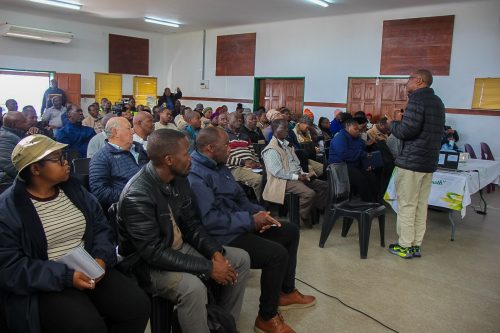
The National Drought Plan Review Workshop held at the Royal Villas brought this reality into sharp focus. Mxolisi Maphanga, Director of Environment Assessment and Compliance at the Eswatini Environment Authority, told participants that the country is witnessing a steady decline in its productive land.
He said dongas are cutting deeper into former crop fields, grazing areas are diminishing and biodiversity is receding in ways that threaten long term agricultural stability.
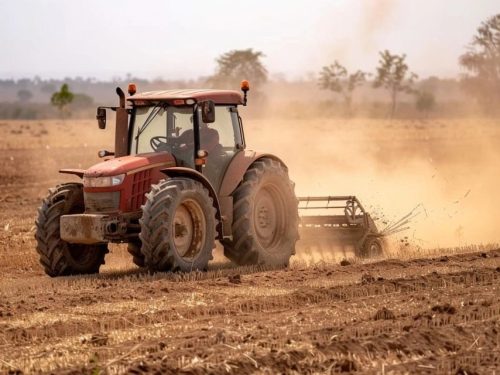
Maphanga explained that drought continues to accelerate this decline. Each dry spell, he said, leaves soils weaker, crop yields lower and livestock in poorer condition. Rural households carry the burden, absorbing losses that they are increasingly unable to recover from.
He noted a concerning rise in days with temperatures above thirty six degrees Celsius, a trend that disrupts planting cycles, damages soil structure and threatens livestock health.
Water scarcity adds another layer of strain. Maphanga said only a small proportion of the country’s renewable water resources is currently utilised even as demand rises across communities. He reminded the workshop that Eswatini relies heavily on freshwater originating outside its borders, a situation that places farmers at the mercy of upstream decisions that can alter entire agricultural seasons.
The revision of the National Drought Plan is intended to reposition the country’s preparedness in light of these challenges. Delegates heard that the plan is being strengthened to enhance drought monitoring, refine community level vulnerability assessments, improve mitigation and recovery systems, and promote sustainable land management.
A central element is the development of an investment framework that secures long term financing for resilience and supports practical interventions for farmers.
A drought risk financing model is being crafted to guide how resources are mobilised and used throughout the drought cycle. Maphanga said this approach will require cooperation among government institutions, financial entities, insurers, farmers’ associations and development partners to ensure consistent support for the sector.
Principal Secretary Sydney Simelane of the Ministry of Agriculture said drought planning had become a national imperative. He told the workshop that aligning the Drought Plan with emerging climate realities is essential to protect agricultural production and maintain the wellbeing of rural communities.
Simelane said the intention is to create a system that offers farmers predictability, access to timely assistance and the tools required to withstand climate shocks.
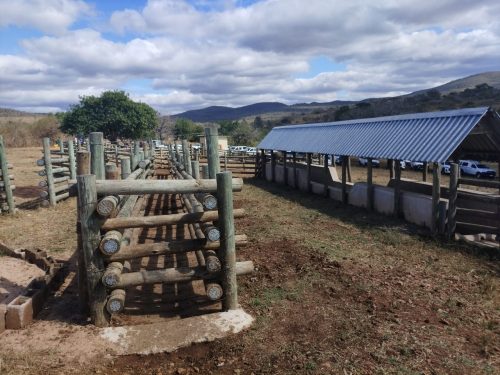
Stakeholders described an agricultural sector under sustained stress. They said rangelands are thinning, water sources are becoming unreliable and production costs have placed increasing pressure on both small scale and commercial farmers.
Many rural families now depend on uncertain rainfall rather than dependable land productivity. Delegates highlighted the need for climate resilient seed varieties, improved livestock management, broader water harvesting initiatives and expanded land rehabilitation programmes.
In closing, Maphanga urged the nation to treat land restoration as a critical investment in the country’s future. He said Eswatini owes its next generation landscapes capable of sustaining food production and supporting livelihoods. He reminded the workshop that the land is a national asset whose protection determines the country’s long term stability.
As the National Drought Plan is updated, Eswatini faces an essential question. Will the nation act with the resolve required to restore its land and secure the future of its agricultural sector before the damage becomes irreversible?