

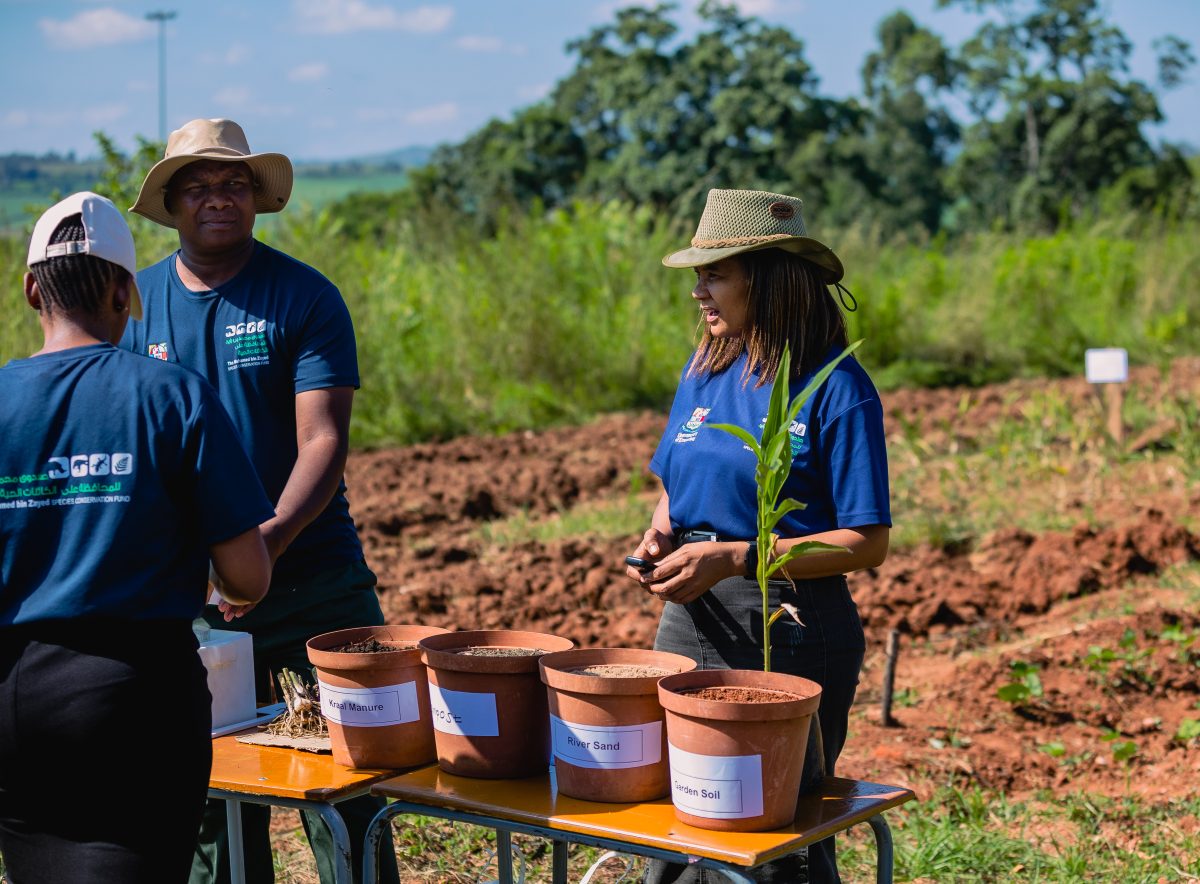
Dr. Carmichael demonstrating how seedlings of African ginger are generated.
BY SIBUSISIWE NDZIMANDZE | JOURNALIST
LUYENGO — With traders already importing African ginger (Siphonochilus aethiopicus), locally known as sidvungule, from Mozambique due to limited local supply, researchers at the University of Eswatini’s Luyengo Campus are positioning the crop as a high-value agroecological enterprise with strong market potential for Eswatini farmers.
Through the Eswatini Institute for Research in Traditional Medicine, Medicinal and Indigenous Food Plants (EIRMIP), this initiative is part of an ongoing project titled “The distribution and conservation of African ginger (Siphonochilus aethiopicus) in Eswatini – an endangered medicinal plant”. It is supported by the Mohamed bin Zayed Species Conservation Fund in partnership with the Global Environment Facility.
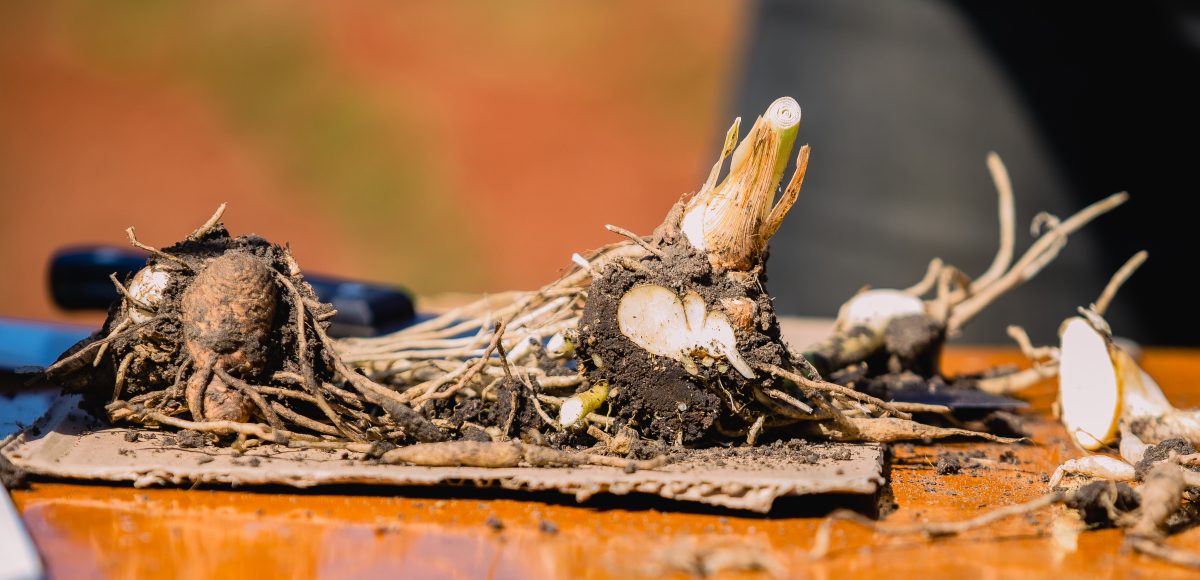
African ginger rhizome.
The project is not only focused on conserving and restoring African ginger, but also on creating livelihood opportunities for communities that use the plant. Through training on sustainable propagation and restoration, traditional healers, muthi traders and farmers are being encouraged to cultivate the crop instead of harvesting it from the wild. This approach supports conservation while opening space for commercialisation and value addition.
The message emerged during the launch of the Agroecology Demonstration Site at UNESWA Luyengo Campus, where researchers showcased practical and sustainable farming innovations aimed at improving farmer livelihoods and promoting environmentally responsible production systems.
Prototype products already developed under the project include African ginger-infused honey and African ginger marmalade, demonstrating the crop’s potential beyond raw plant sales.
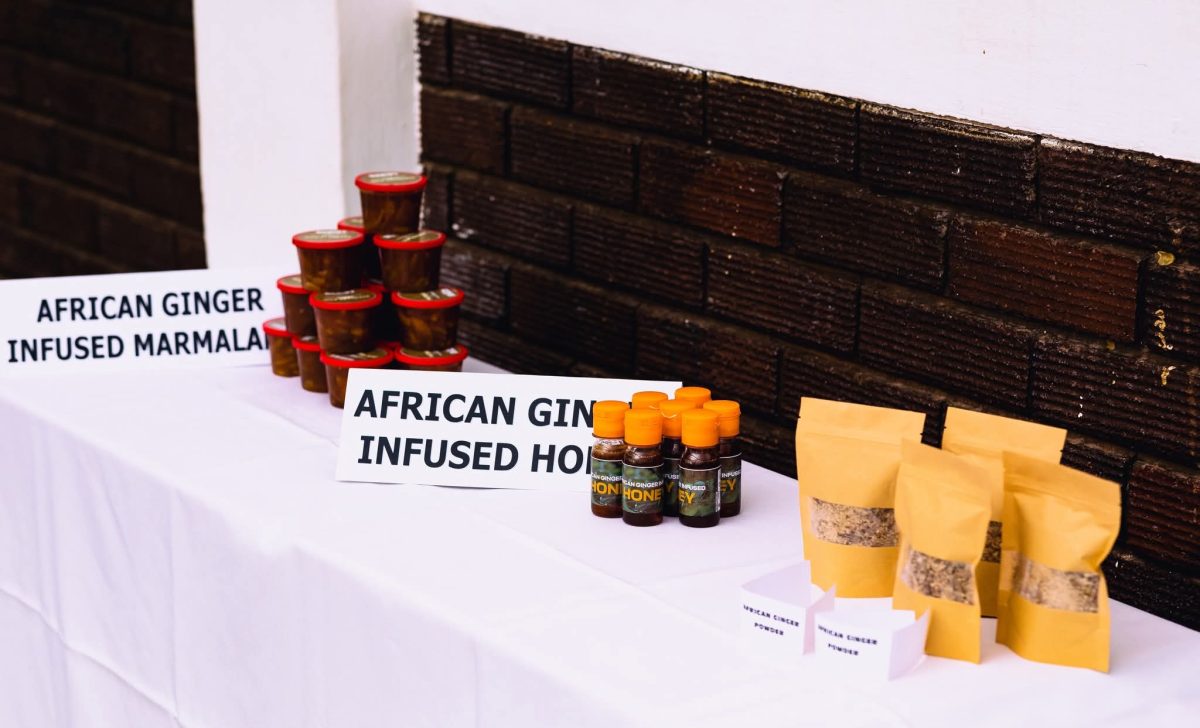
Products made out of the African ginger.
Speaking at the event, researcher Patricia Carmichael said the plant is under growing pressure due to unsustainable extraction from the wild.
“The plant is becoming scarce because people are harvesting it from the forest without replanting. This project is about preserving it and teaching people how to grow it sustainably,” she said.
Traditionally, African ginger has been collected from forests, where it grows naturally under tree cover. However, continuous harvesting without replenishment has contributed to the decline of local populations.
Carmichael said the project is working with traditional healers, farmers and plant enthusiasts to shift the crop from forest collection to managed cultivation on farms.
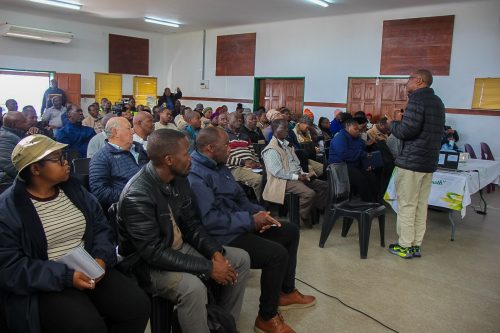
A recent workshop held at the campus brought together traditional healers and farmers to focus on propagation, crop establishment, conservation and the sustainable use of the plant.
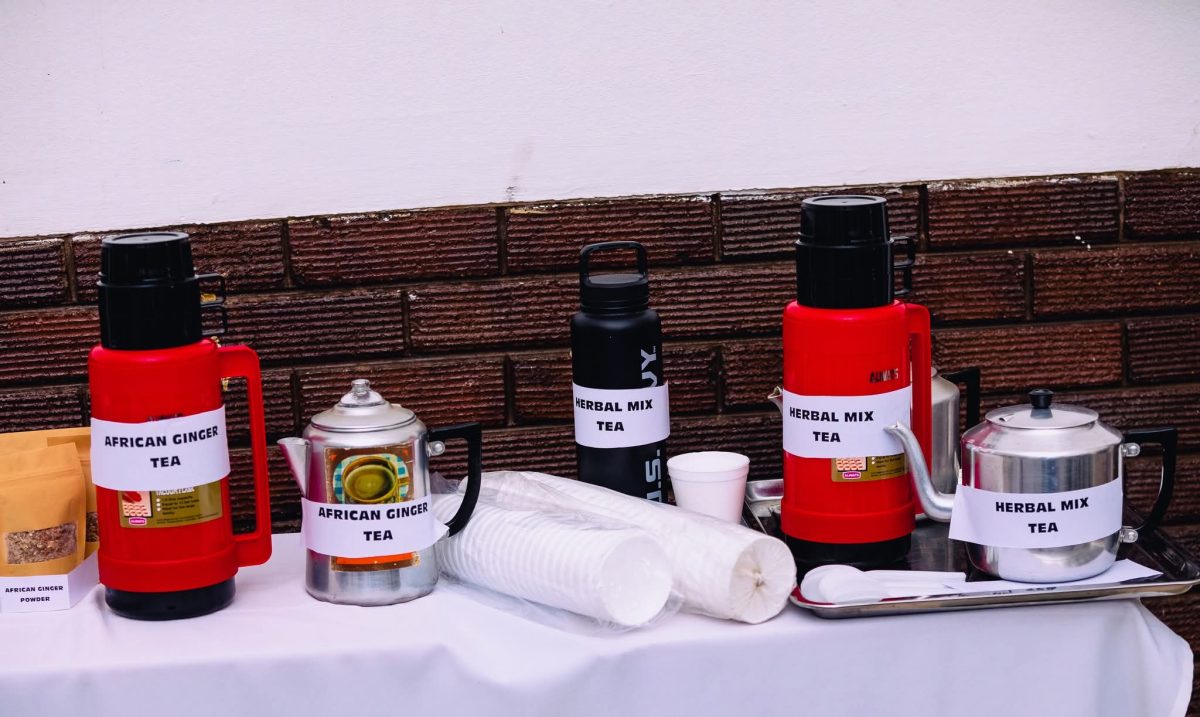
Tea made out of the African ginger green leaves.
“We are discouraging people from going into the forest to dig out the plant because it leads to depletion. Instead, we are encouraging them to grow it,” she said.
At a wider southern African level, studies have shown that many indigenous medicinal plants sold in South African markets are harvested from wild populations in neighbouring countries, including Eswatini and Mozambique, with very little cultivation taking place. This has contributed to declining supplies of high-value medicinal plants, raising concern among traders and conservation agencies.
That regional trend strengthens the business case for Eswatini farmers, as increased local cultivation could help replace shrinking wild supply while meeting an already established cross-border demand.African ginger is also being presented as a crop well suited to low-input agroecological systems, making it accessible to smallholder farmers.
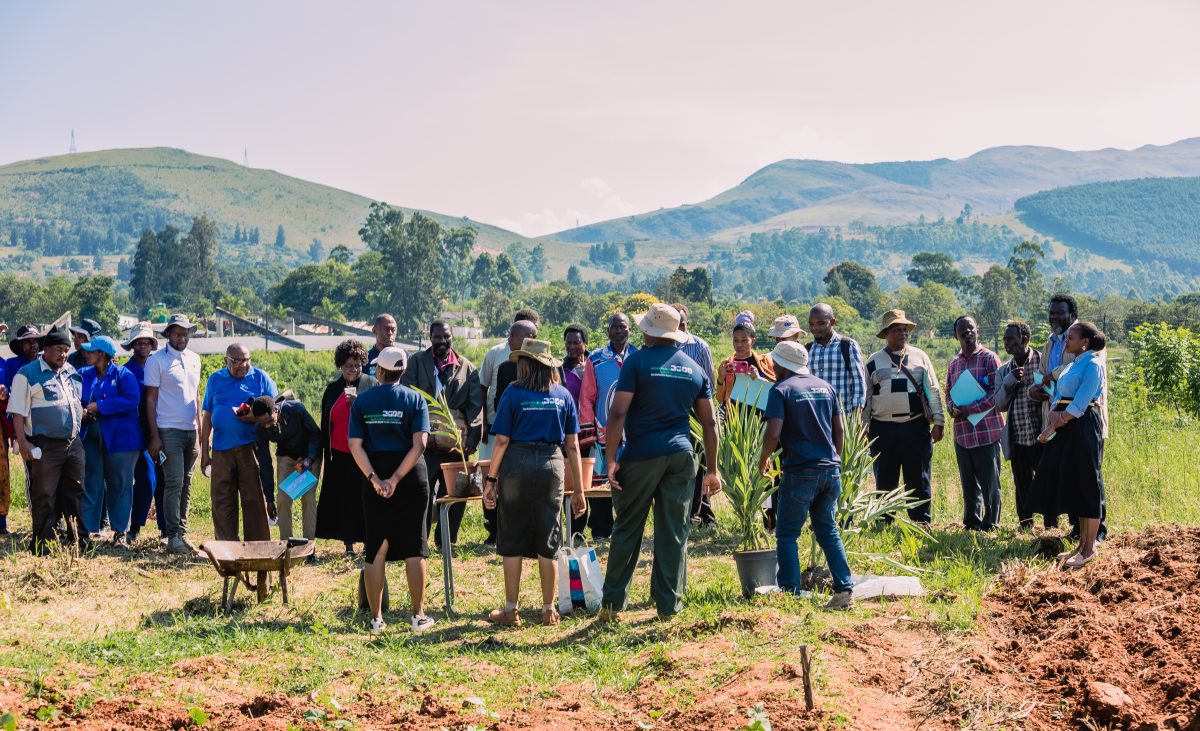
Field training of traditional healers and farmers on planting techniques of African ginger.
The crop performs best under shade, similar to its natural forest habitat, and thrives in well-drained sandy soils. It can be grown organically using compost and manure, helping farmers lower production costs while maintaining soil health.
“It does not require expensive inputs. Farmers can use compost and natural methods, which reduces production costs,” Carmichael said.
African ginger is planted during the summer rainfall season and takes about seven to nine months to mature. Harvesting is done in winter, once the leaves have dried, signalling that the underground tuber is ready.
Beyond its conservation value, the crop also presents a clear commercial opportunity.African ginger is widely used in the traditional medicine value chain, with demand driven by muthi traders and herbal markets. However, local supply remains limited.
“Studies show that the plant is scarce in Eswatini, which is why traders are importing it from Mozambique. That shows there is a market opportunity for local farmers,” said Carmichael.
This points to an active regional value chain in which African ginger is already traded across borders to meet demand. For Eswatini farmers, that means entry into an existing market rather than a speculative one.
The opportunity lies in replacing imports with locally produced supply, allowing farmers to participate directly in the medicinal plant market through tuber production, seedling multiplication and value-added herbal products.
African ginger also offers diversified income potential because of its multiple uses.The plant is used in traditional medicine for ailments such as asthma, fever, headaches and immune support, while its leaves can also be processed into herbal tea for flu relief.
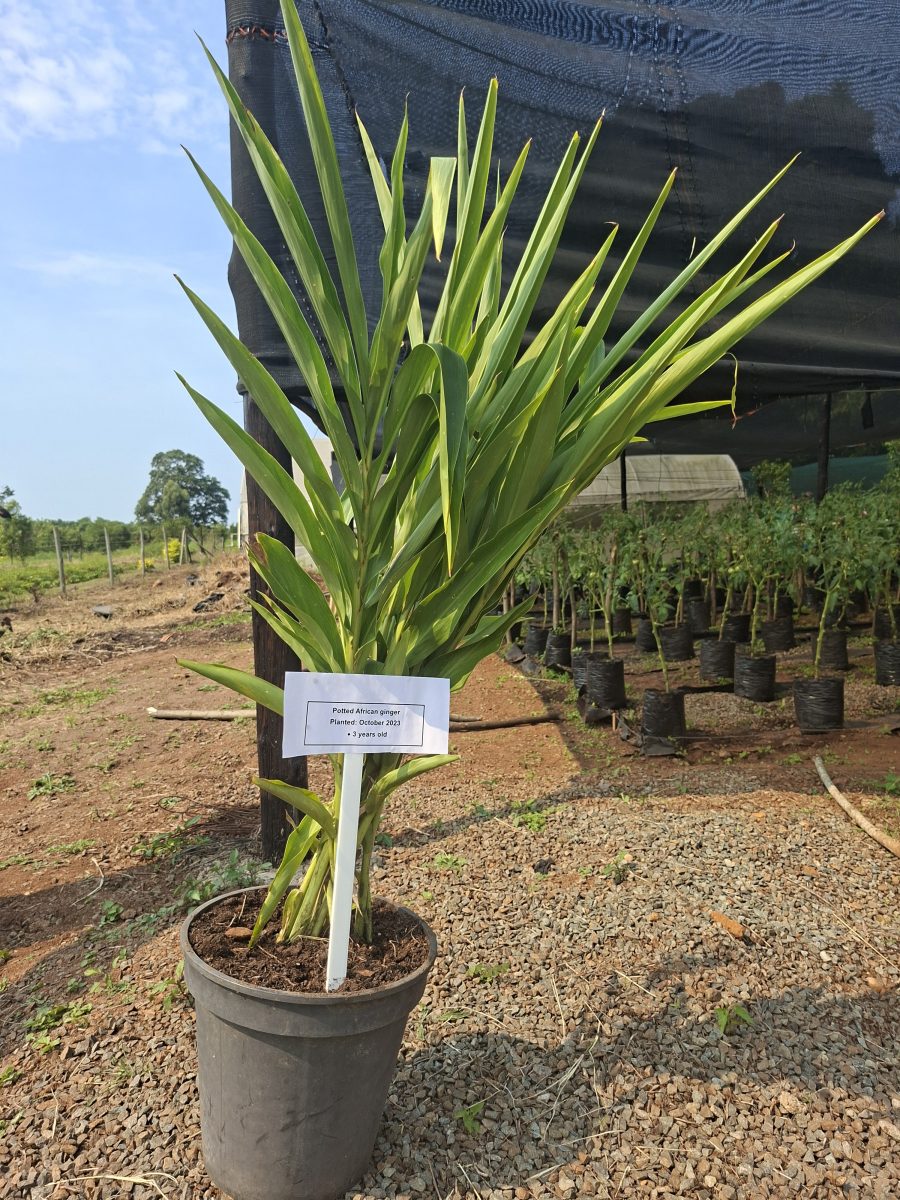
African ginger (Siphonochilus aethiopicus), locally known as sidvungule.
This broadens its commercial appeal and gives farmers access to different market segments.Carmichael said both the tuber and leaves contribute to the crop’s economic value.
Farmers interested in the crop are being encouraged to visit UNESWA Luyengo Campus for technical support and production knowledge.
Through the EMIP project, farmers can access guidance on crop establishment and management, market opportunities, planting material such as seedlings, and training on sustainable production practices.
“The university is open to supporting farmers who want to venture into this business,” Carmichael said.
She added that ongoing research is focusing on genotype evaluation, comparing local African ginger varieties with those found in other countries in an effort to improve production potential.
The African ginger initiative demonstrates how indigenous crops can move from conservation concern to commercial opportunity.
By promoting cultivation instead of forest extraction, the project is supporting biodiversity conservation, enterprise diversification and rural income generation.
For farmers seeking to diversify into high-value, low-input crops with an existing market, African ginger is emerging as a viable option.