
BY SIBUSISIWE NDZIMANDZE | JOURNALIST
MKHONDVO — Restoring access to indigenous food while supplying consumers with fresh, natural products is the mission driving Nozizwe Ginindza’s growing agribusiness at ButterNice Farms in Mkhondvo with her daughter, business partner and marketing manager, 14-year-old Aphile Magagula.
Ginindza, who studied Communication and Media Studies at the University of the Witwatersrand (Wits University) in South Africa, says her journey into farming is rooted in both personal experience and a clear gap in the market.
For her, Makhaya chicken is more than just a product; it represents culture, memory, and tradition. Growing up, it was a special treat she shared with her mother, but accessing it was not always easy.
“It was hard for my mother to find Makhaya chicken to pack for me when I was going to university,” she said.
That experience would later shape her purpose.
After relocating to Mkhondvo, Ginindza and her family made a deliberate decision to grow their own food, starting with Makhaya chicken, the very product she had struggled to access. What began as a household solution soon revealed a broader opportunity, as she realised that many other consumers were facing the same challenge.
This led to the establishment of ButterNice Farms, a business built not just on production, but on restoring access to indigenous food while offering natural, high-quality products to the market.
The name ButterNice Farm reflects the business’s early roots in butternut production, where the quality of the produce inspired the brand identity.
“We started with butternut, and people would say the produce is ‘butter nice’ because of the quality, and that is how the name came about,” she said.
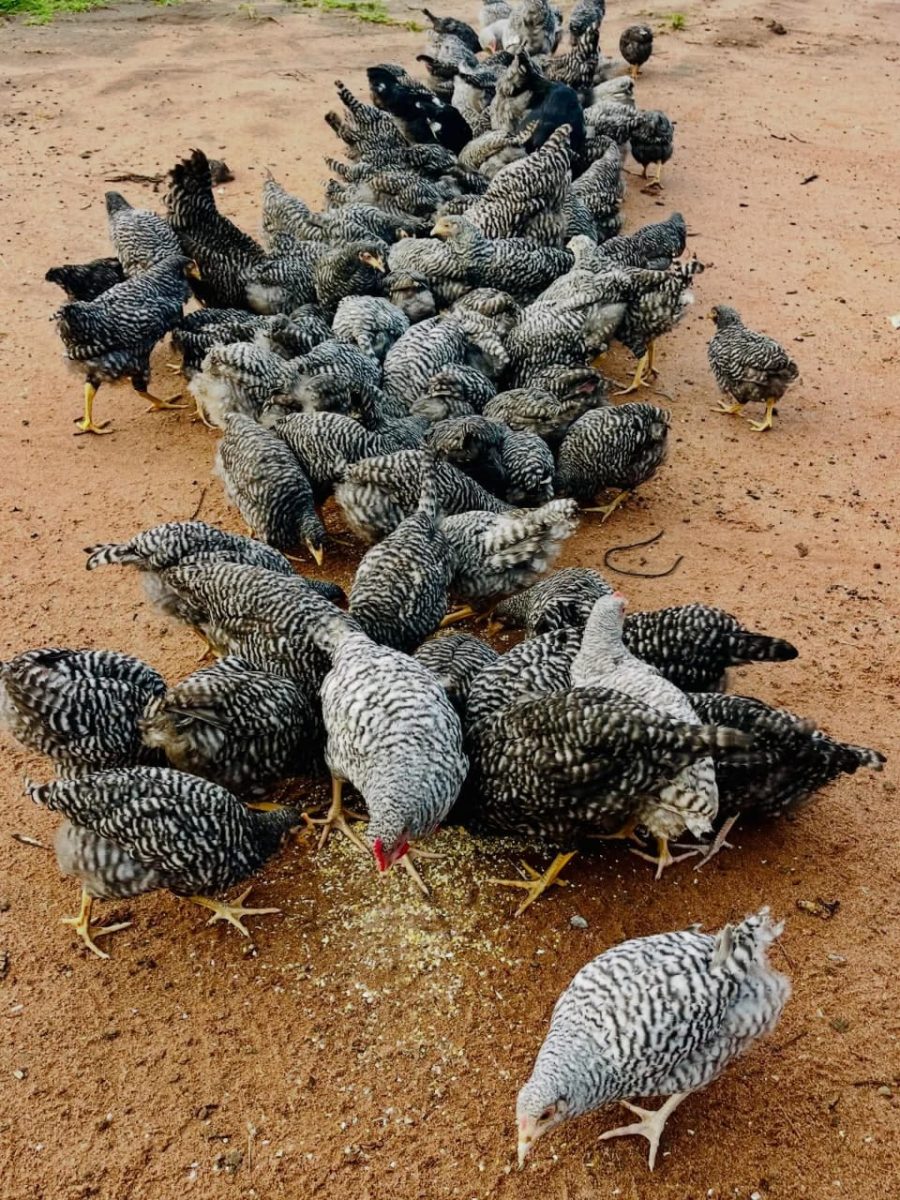
Today, the farm produces a range of products including free-range chickens, chicken portions, whole chickens, live chickens for business purposes, goat meat under the Mkhondvo Goat Meat brand, freshly produced makhaya chicken eggs, Carolina Reaper chili pepper, a cultivar of the Capsicum Chinese, developed by American breeder Ed Currie, and fresh produce such as sweet potatoes.
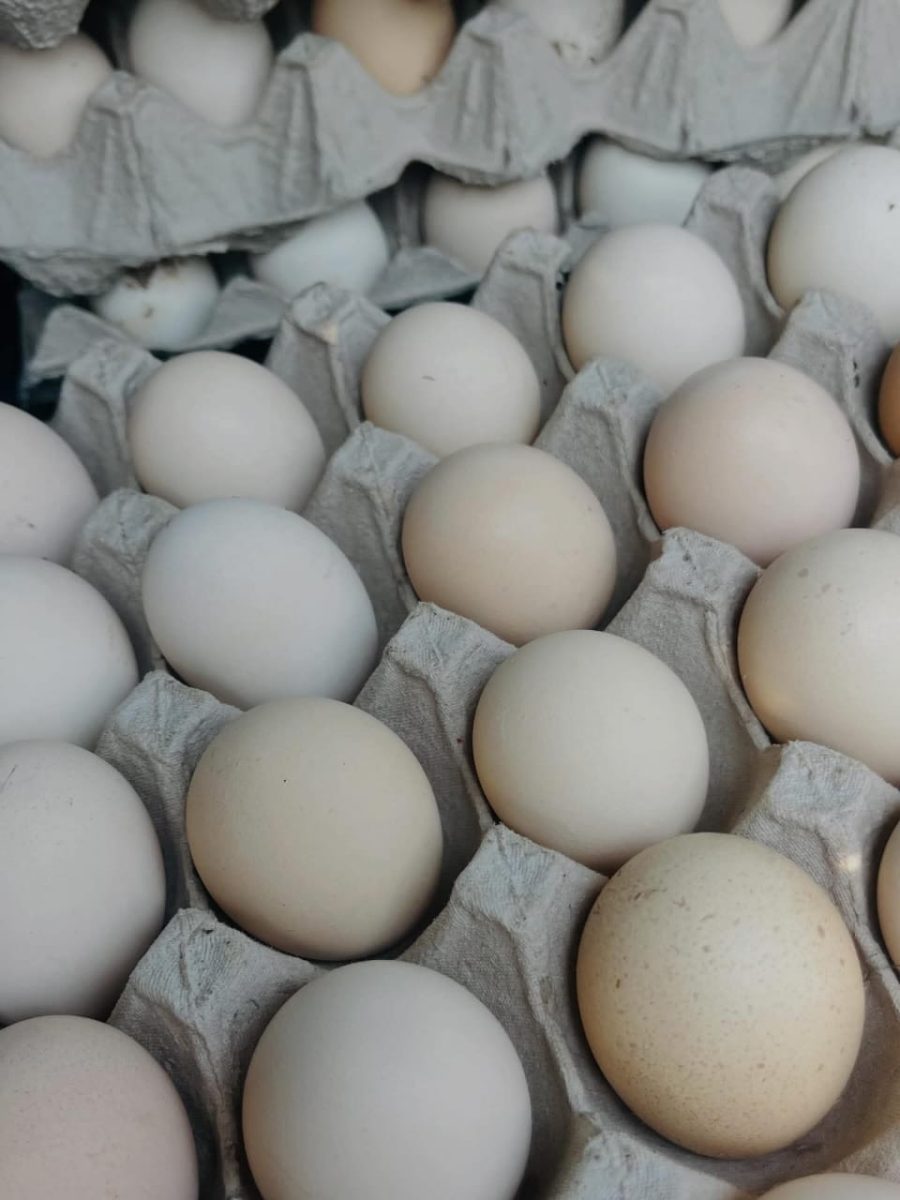
Fresh eggs produced by hens (Makhaya chickens) at ButterNice Farms.
ButterNice Farms currently produces between 500 and 800 Makhaya chickens, while also working with local farmers to strengthen supply and meet growing demand.
Her products are already reaching key urban markets across Eswatini, including Matsapha, Manzini, Zulwini and Mbabane, where demand for indigenous and naturally produced food continues to grow.
Despite this progress, demand continues to outpace supply, with additional interest coming from Mozambique, although the business is not yet able to export legally.
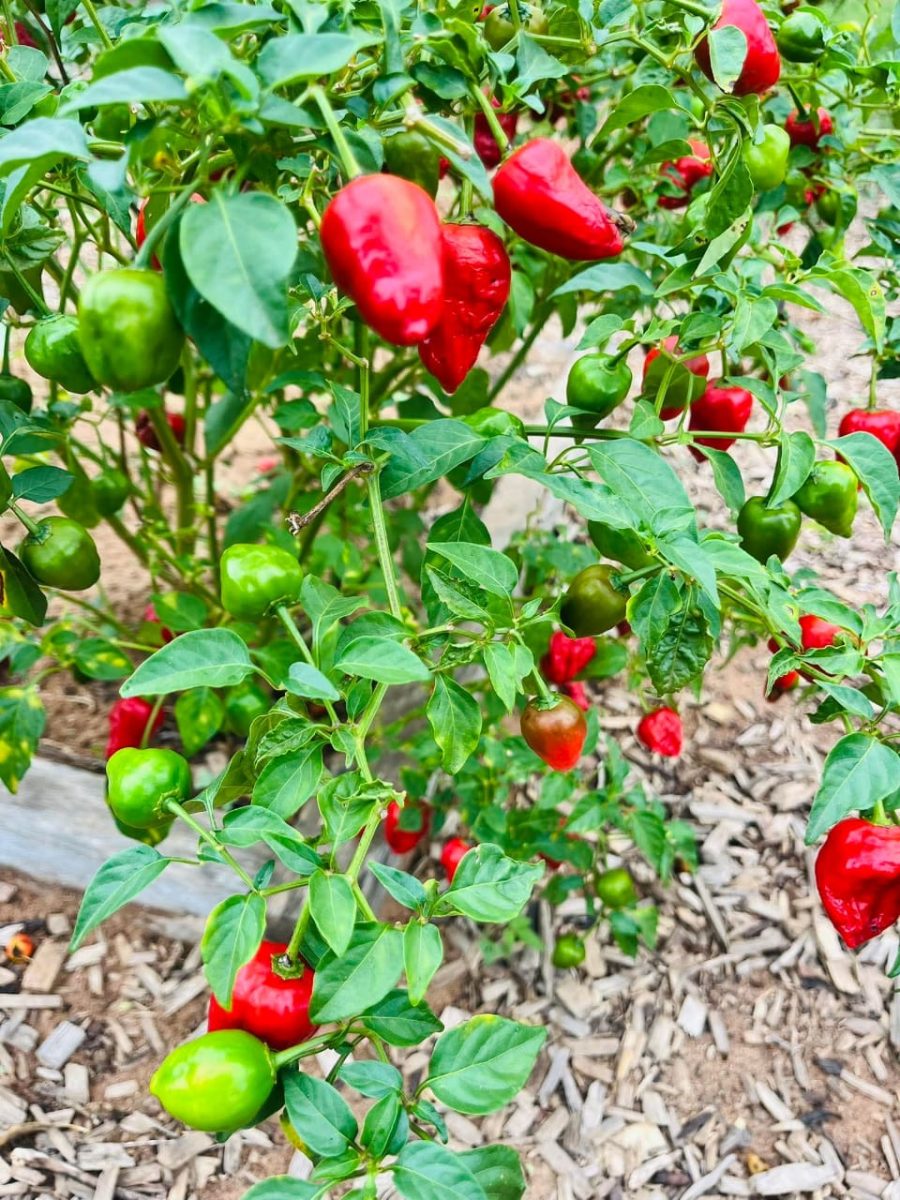
Carolina Reaper chili pepper, a cultivar of the Capsicum Chinese, developed by American breeder Ed Currie, from ButterNice Farms.
One of the main challenges, Ginindza says, is meeting demand, as production remains limited and Makhaya chickens take longer to grow compared to commercial poultry. She also notes that many consumers do not fully understand the value of Makhaya chicken and how it differs from commercially raised chicken.
Ginindza says beyond production, there is also a need to educate consumers about the value of indigenous food, particularly Makhaya chicken, which many people do not fully understand in terms of production, taste, and nutritional value.
Her farming approach is based on keeping production simple and natural, which she believes is key to maintaining both quality and authenticity.
She also has a clear message for aspiring farmers, encouraging them to start with purpose and understand the market they want to serve.
Ginindza advises that farmers should focus on producing what people need, not just what is easy to grow, and to remain patient as they build their operations.
She emphasises the importance of consistency, collaboration with other farmers, and maintaining quality, noting that farming is not only about production but also about building trust with customers.
Her work has already earned recognition. In 2023, she was awarded Best Woman-Owned Business in the Entrepreneurship of the Year Award in Shiselweni, highlighting her growth as an entrepreneur and the impact of her business.
Ginindza’s journey from communication and media into farming reflects a broader shift in agribusiness, where success increasingly depends on more than just production. It requires a clear understanding of the market, strong brand positioning, and the ability to respond to real consumer needs.
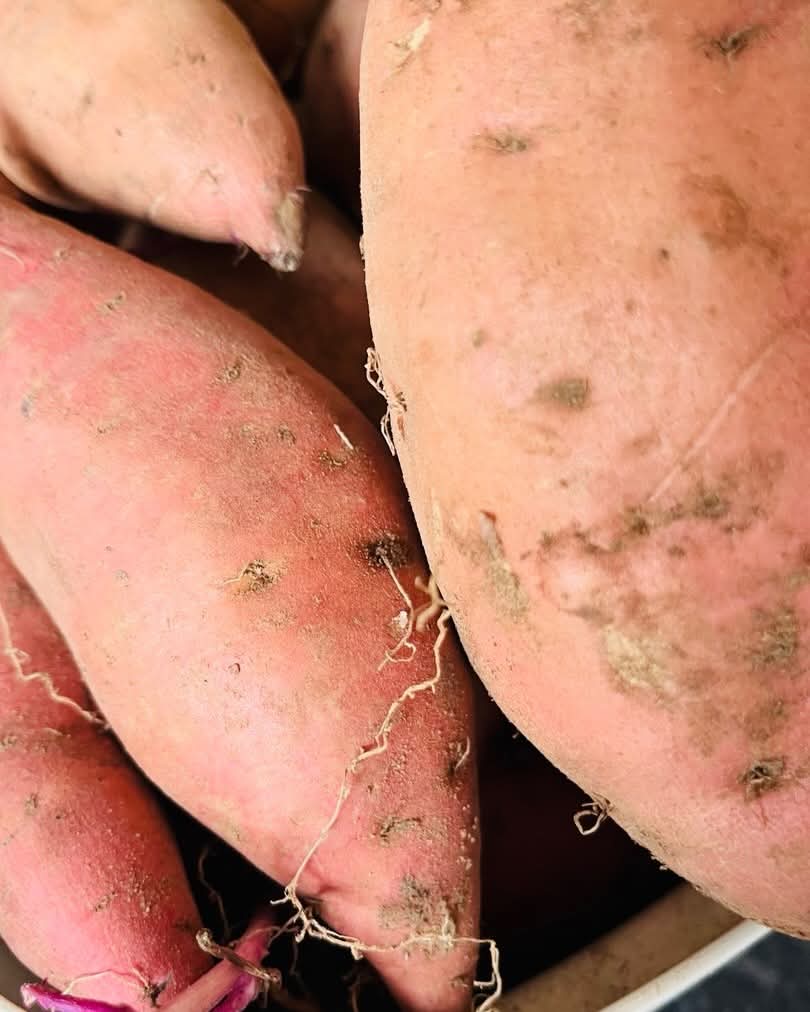
Fresh sweet potatoes from ButtterNice Farms.
At ButterNice Farms, she is doing exactly that, building a business that is not only supplying food, but restoring access to indigenous products that many people still value.
Looking ahead, she remains focused on expanding production, strengthening partnerships with local farmers, and eventually accessing export markets legally.
Her story shows that farming can be more than a business; it can be a way of preserving culture, meeting market demand, and reconnecting people with the food they grew up with.

Nozizwe Ginindza, owner and founder of ButterNice Farms, holding a certificate she received from the Entrepreneurship of the Year Awards 2023, where she was awarded Best Woman-Owned Business in the Shiselweni region.